

Formed by merging four communes: Dong An, An Binh, Quang Minh, and Dong Cuong, the (new) Dong Cuong commune now has a natural area of over 146 km² . With expanded boundaries and new development space, however, to exploit this potential and strength, regional connectivity needs to be strengthened.
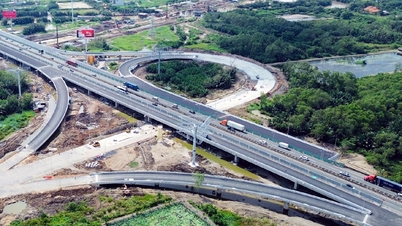
With the advantage of being 15 km from the IC14 interchange of the Noi Bai - Lao Cai expressway, Dong Cuong is the location for the IC15 interchange of the Noi Bai - Lao Cai expressway. Once completed, it will be a key trade gateway, facilitating quick connections between Dong Cuong commune and Hanoi , the Red River Delta region, and the Kim Thanh International Road Border Gate No. 2...
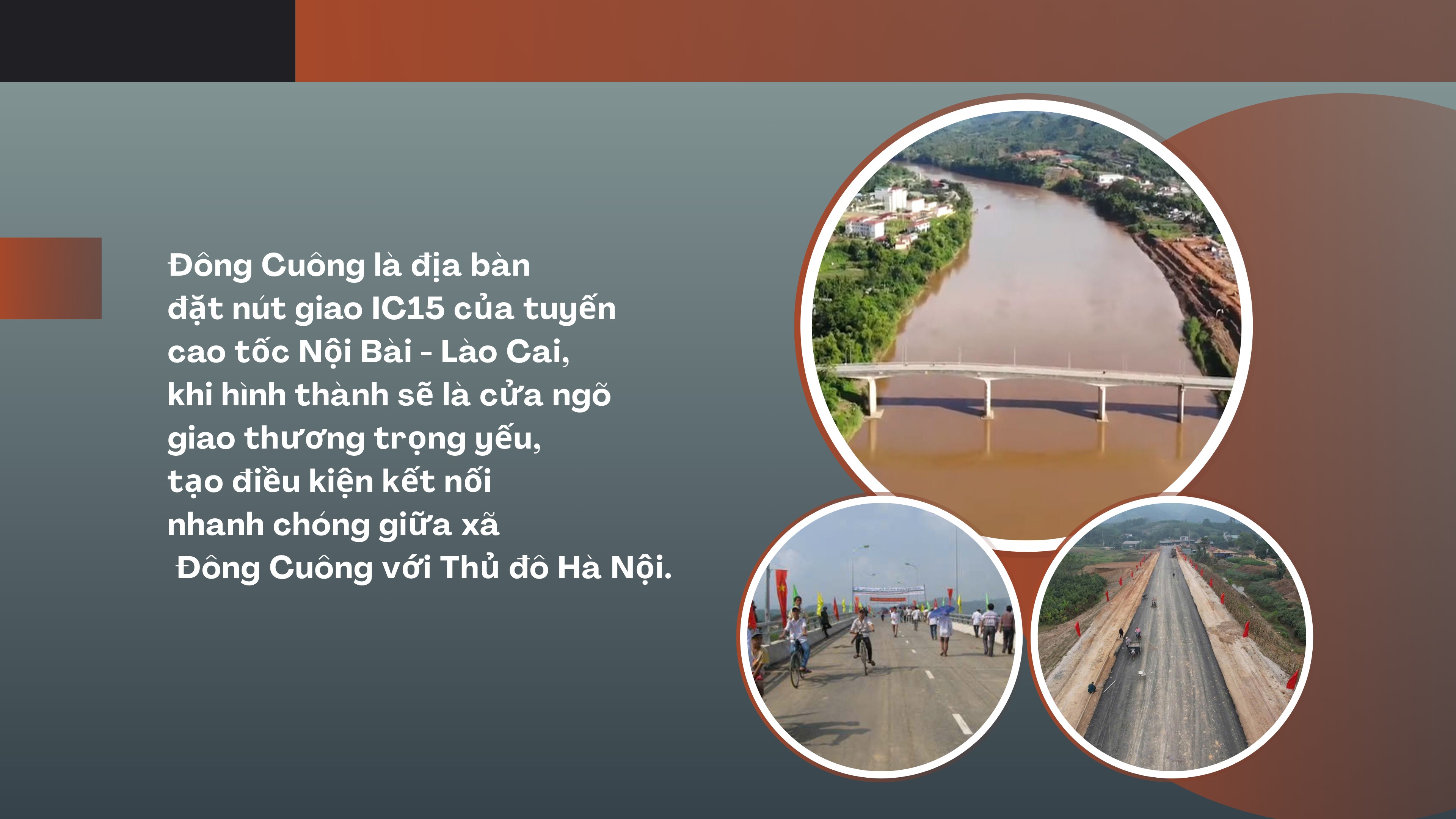
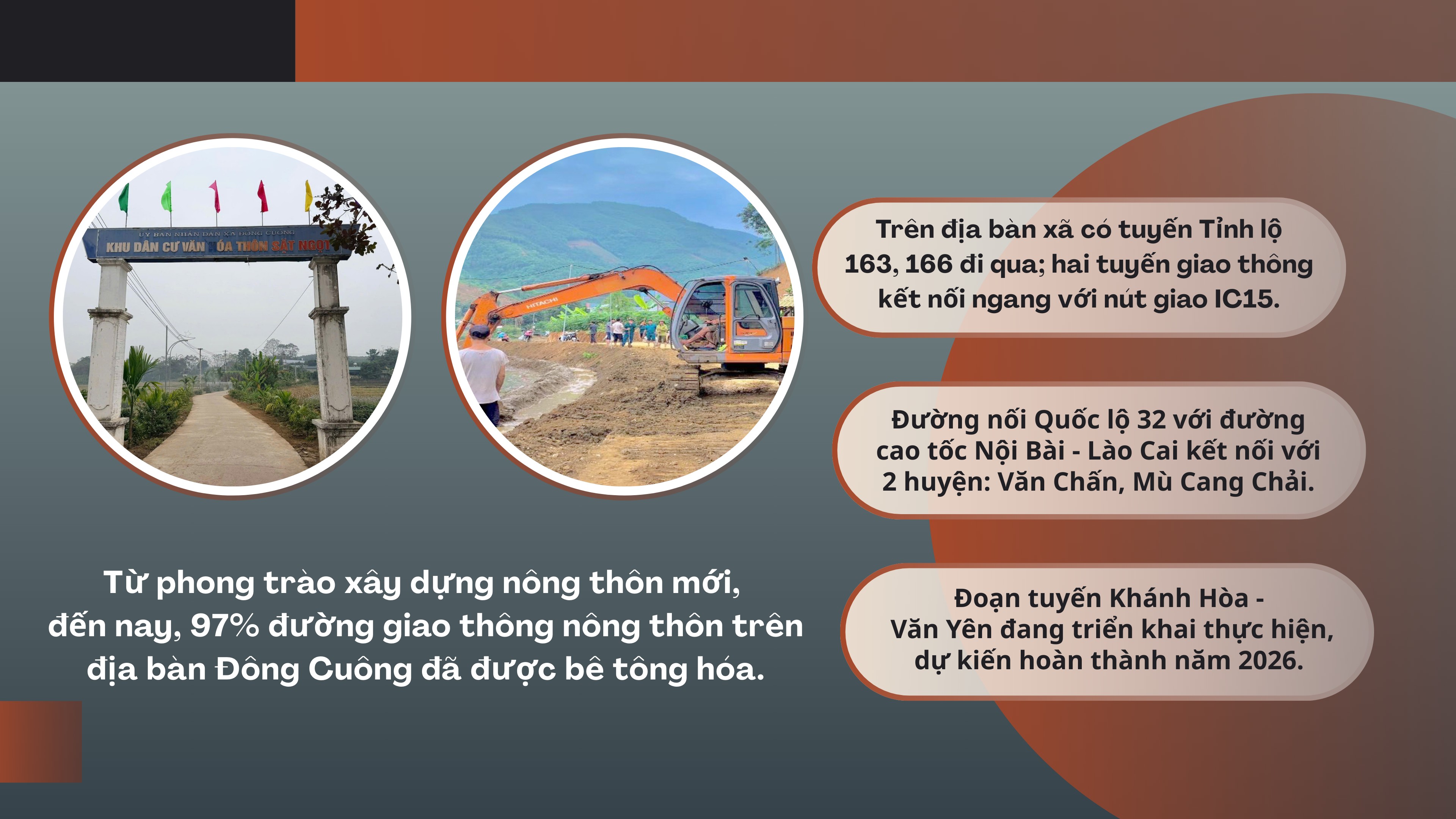
The commune also has Provincial Roads 163 and 166 running through it; and two connecting roads with the IC15 interchange: the road connecting National Highway 32 with the Noi Bai - Lao Cai Expressway (also known as the Dong An - Gia Hoi road), connecting to two districts: Van Chan and Mu Cang Chai (formerly); and the inter-regional transportation infrastructure construction project to support socio -economic development in poor districts of Yen Bai province (formerly), the Khanh Hoa - Van Yen section, starting at An Binh commune (formerly) and ending at Khanh Hoa commune, Luc Yen district (formerly), which is currently being implemented and is expected to be completed in 2026.
Along with the Hanoi-Lao Cai railway line, the Noi Bai-Lao Cai expressway, and the standard-gauge Lao Cai-Hanoi- Hai Phong railway, these will be driving forces to boost the commune's competitiveness in the era of integration and development. In particular, thanks to the New Rural Development movement, Dong Cuong has achieved many outstanding results, including infrastructure development; to date, 97% of rural roads in the commune have been concreted. Based on these factors, Dong Cuong commune currently holds a particularly important strategic position in the transportation network of the Northern Midlands and Mountains region.
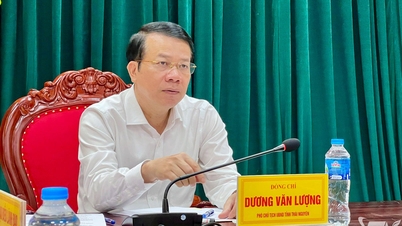
"The convenient transportation infrastructure and potential strengths are the foundation for socio-economic development in the area," shared Mr. Le Thanh Hung, Chairman of the People's Committee of Dong Cuong commune.
In Dong Cuong commune, there are currently two industrial clusters and one industrial zone planned, including: Bac Van Yen cluster (55 ha), Dong An cluster (34 ha), and Dong An Industrial Zone (350 ha).
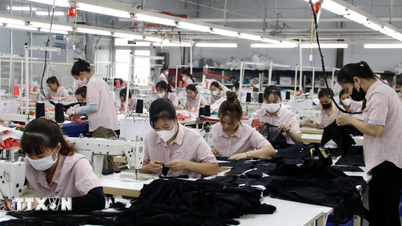
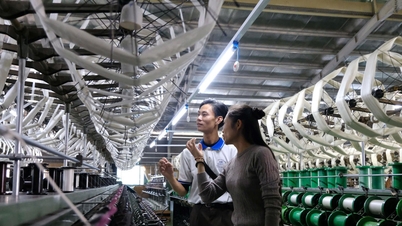
In recent years, many large enterprises have invested in Dong Cuong, such as the Van Yen cassava processing plant, the EREX-SAKURA biomass fuel plant, BMC Yen Bai Company, and ANIFER Company... Therefore, the industrial production value of Dong Cuong in 2025 is expected to reach over 290 billion VND, an increase of more than 1.3 times compared to 2020.
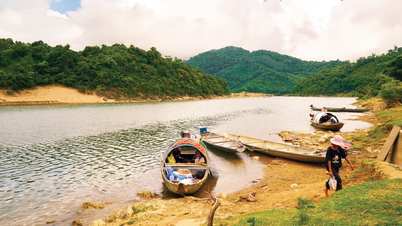
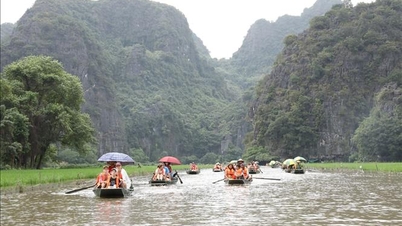
With favorable trade conditions, commerce and services have also developed strongly, with small supermarkets and convenience store chains..., and total retail sales are expected to reach 192.6 billion VND in 2025. In particular, the commune has developed spiritual tourism linked to the preservation of traditional cultural values through the system of temples: Dong Cuong, Gieng, Trai Hut, Doi Co; and ecological sites such as Minh Khai waterfall, Khe Rong waterfall... According to local statistics, in 2025, the commune is expected to welcome over 158,300 visitors, with tourism revenue reaching nearly 95 billion VND, 2.5 times higher than in 2020.
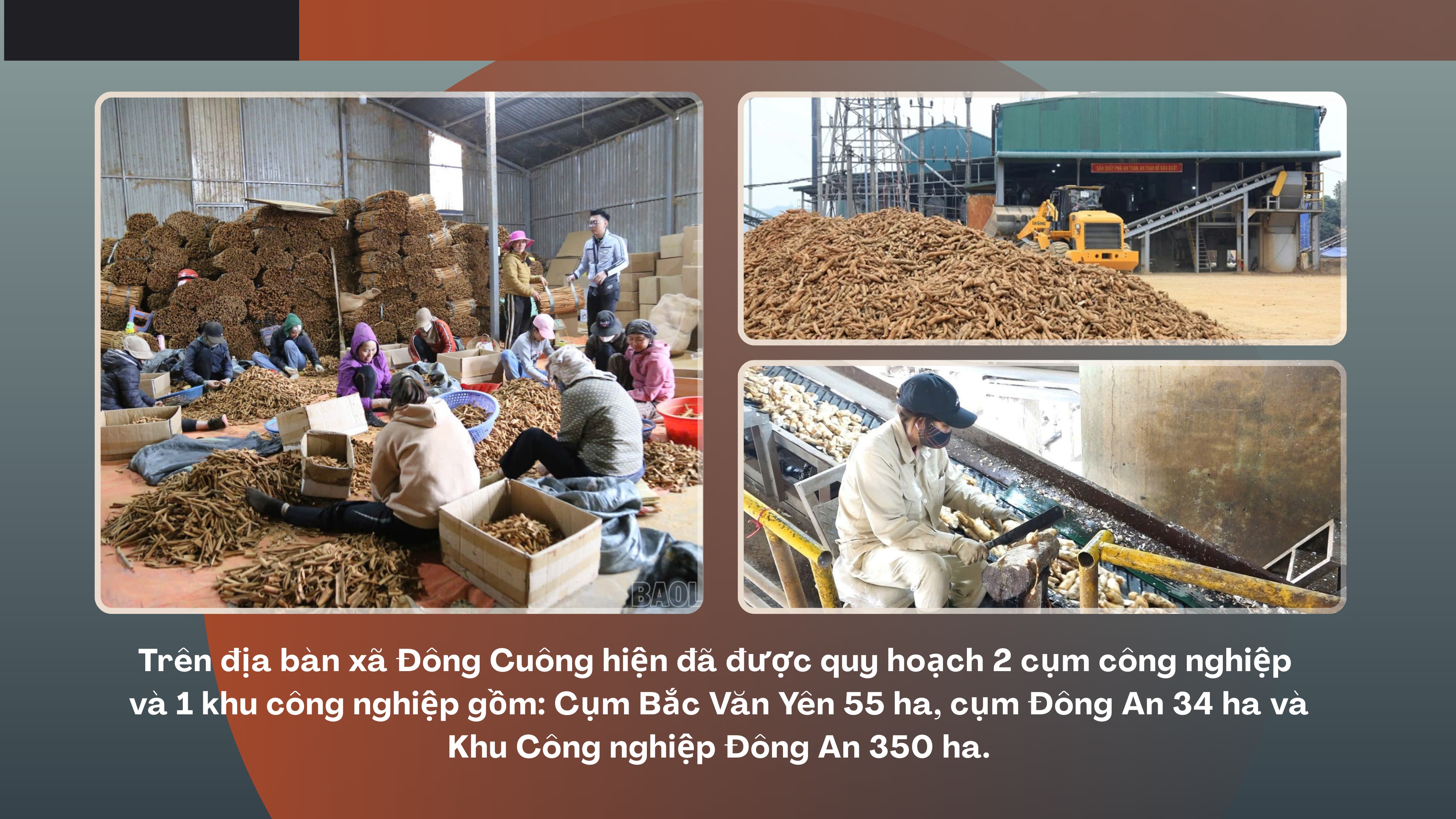
With the goal of becoming a relatively developed commune in Lao Cai province by 2030, Dong Cuong's industrial sector is oriented towards: the Bac Van Yen Industrial Cluster focusing on processing cassava starch, cinnamon essential oil, paper, and plywood; the Dong An Industrial Cluster developing high-tech pesticides and livestock farming; and the Dong An Industrial Zone aiming for high technology and environmental friendliness.
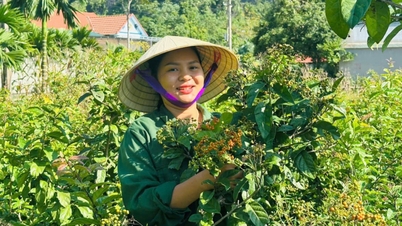
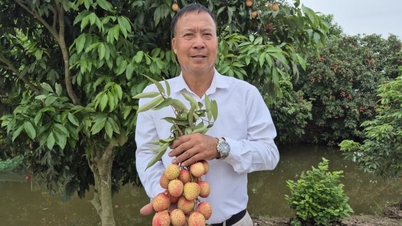
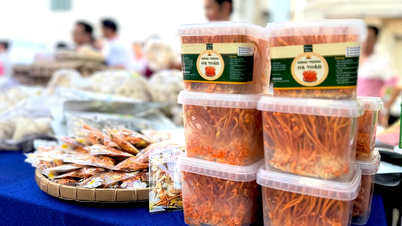
Leveraging its agricultural strengths, the commune has expanded its fruit-growing area in Dong An to approximately 150 hectares; developed OCOP (One Commune One Product) products such as forest honey, fragrant sticky rice, dried bamboo shoots, and clean vegetables in Quang Minh; maintained 3,887 hectares of planted forest and cinnamon, including 175.7 hectares of organic cinnamon with geographical indications; and produced wood products, essential oils, and herbal products as tourist souvenirs in An Binh and Dong Cuong areas. Simultaneously, the locality is promoting the development of ecotourism, agricultural experiences, homestays, and spiritual tourism, aiming to attract 1 million visitors and generate over 500 billion VND in revenue during the 2025-2030 period.
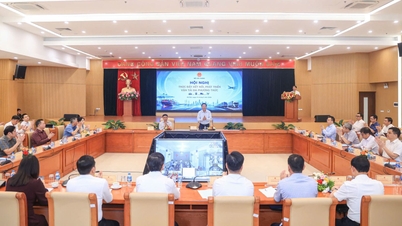
Mr. Le Thanh Hung, Chairman of the People's Committee of Dong Cuong commune, said: "Facing the demands of the new development phase, in order to fully exploit its potential and strengths, Dong Cuong commune has developed a planning orientation and strategy for the development of transportation infrastructure for the period 2026 - 2030 with a breakthrough mindset of synchronous, sustainable and regional linkage, investing in the development of synchronous and modern infrastructure."
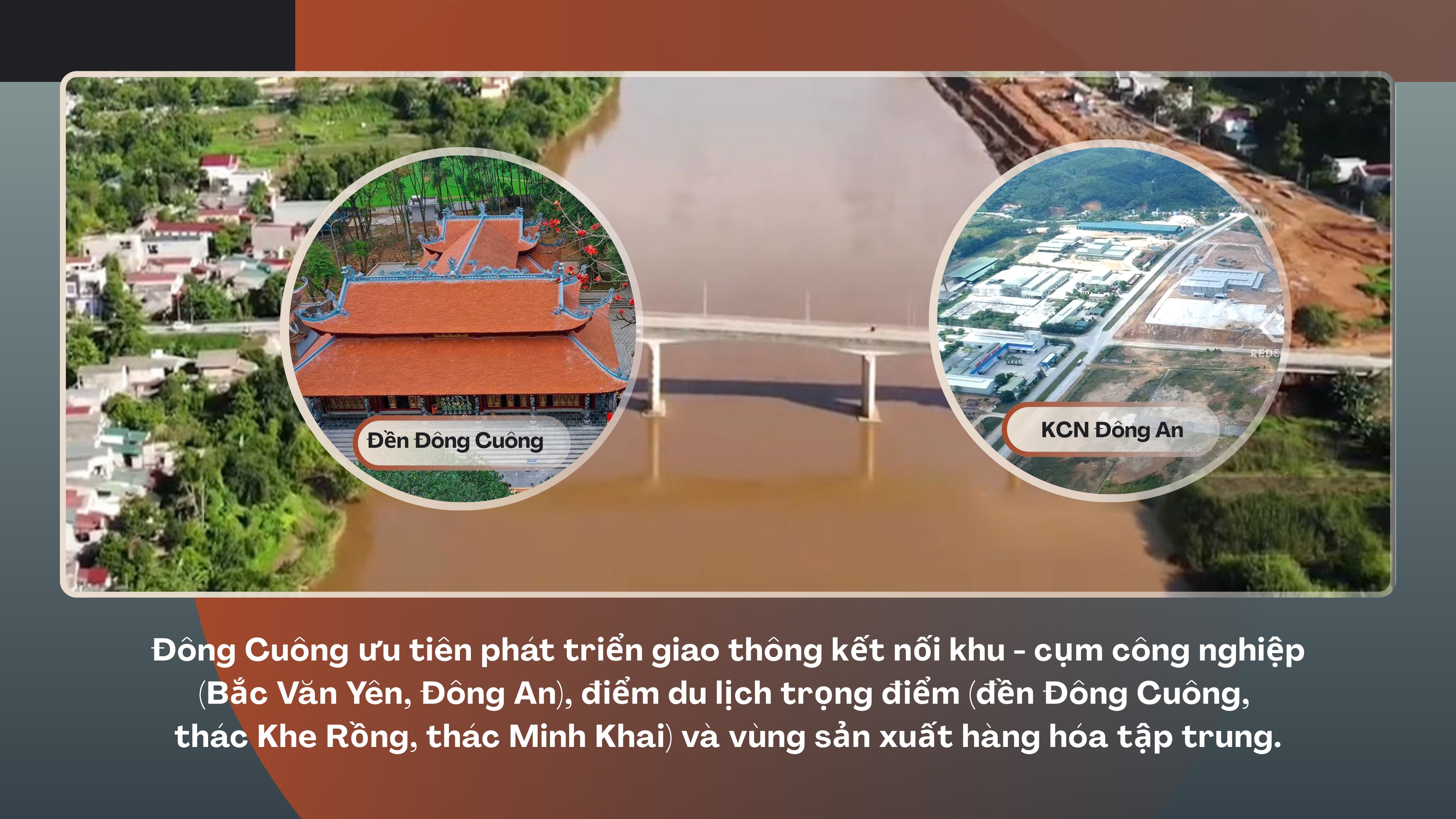
Therefore, in the coming period, with investment resources, Dong Cuong will continue to prioritize the development of transportation connecting industrial zones and clusters (Bac Van Yen, Dong An), key tourist destinations (Dong Cuong Temple, Khe Rong Waterfall, Minh Khai Waterfall), and concentrated commodity production areas; gradually forming inter-regional economic axes and corridors, creating momentum for sustainable development. In particular, when the IC15 interchange of the Noi Bai - Lao Cai expressway is put into operation, it will help shorten transportation time, reduce logistics costs, and open up great opportunities for the development of industry, trade, services, and attracting investment.
Furthermore, the Lao Cai - Hanoi - Hai Phong railway line is a strategic factor that opens up the possibility of forming a freight transshipment station, developing a railway logistics center combined with a high-speed rail system; connecting inter-regional transportation between mountainous areas - plains - seaports in a synchronized and modern way, expanding development space, and gradually forming dynamic zones capable of connecting and spreading within the region and linking with neighboring areas.
In addition, to support production and trade development, over the next five years, the commune plans to focus resources on upgrading more than 20 km of existing rural roads and investing in the construction of over 25 km of new, solid roads. The goal is to upgrade existing but dilapidated roads and simultaneously pave the remaining dirt roads with concrete to ensure smooth connectivity from villages to the commune center and integrate them into the inter-commune and inter-regional transportation network.
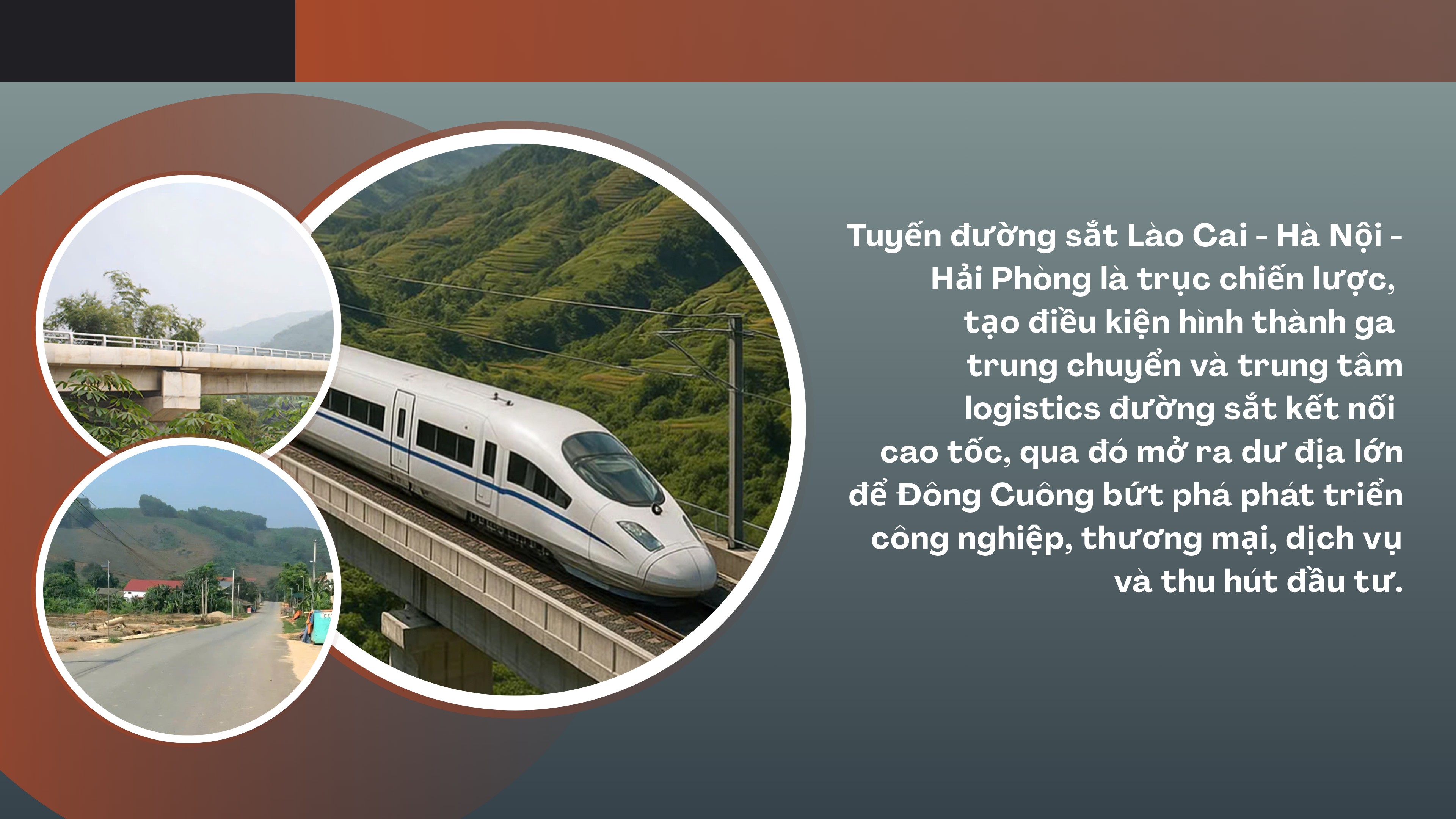
With its strategic location, abundant potential, and strong determination, Dong Cuong is determined to exploit its strengths and form inter-regional economic axes. In particular, developing transportation infrastructure is the solution to the problem of regional connectivity, creating momentum for sustainable development and making Dong Cuong a relatively developed commune in Lao Cai province by 2030.
Presented by: Thuy Thanh
Source: https://baolaocai.vn/loi-giai-cho-lien-ket-vung-post891402.html







































































Comment (0)