

What factors will impact the real estate market in 2026?
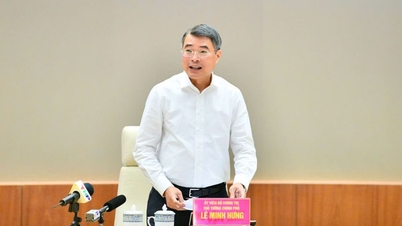
At the "Real Estate Market Outlook 2026" seminar organized by Tien Phong newspaper on January 25th, Mr. Ha Quang Hung, Deputy Director of the Department of Housing and Real Estate Market Management, Ministry of Construction, stated: 2025 concluded with optimistic signals from the macroeconomic situation. Specifically in the real estate sector, the market is gradually stabilizing. In particular, supply, liquidity, and market confidence have improved.
A particular highlight in 2025 is the institutional transformation in the field of social housing. According to Mr. Hung, exceeding the social housing development target (reaching over 102% of the annual plan) not only has social welfare significance but also plays a key role in regulating supply and demand, stabilizing the market, and creating a foundation for the 2026-2030 period.
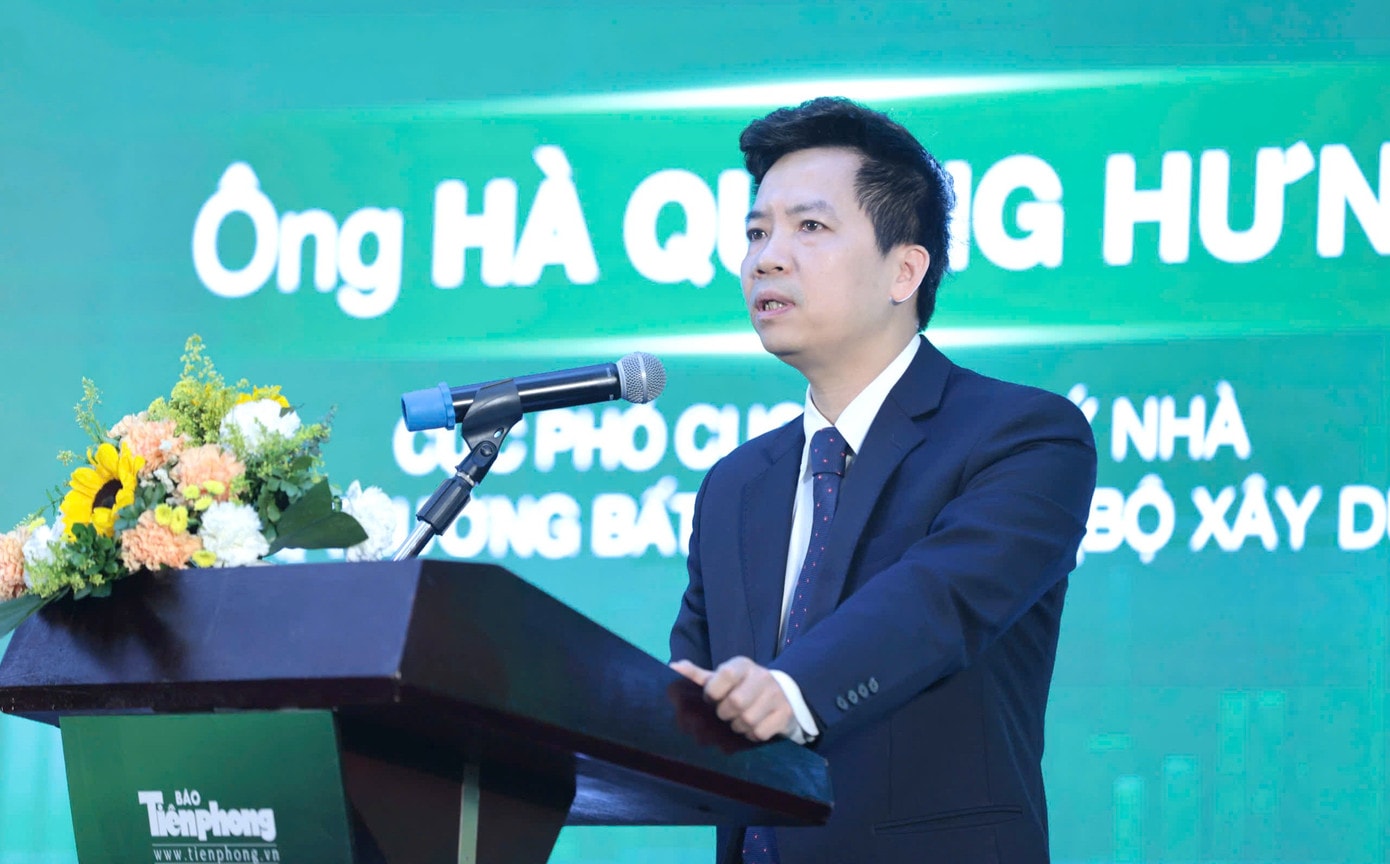
To build momentum in 2026, Mr. Ha Quang Hung emphasized that, over the past year, the National Assembly and the Government have issued a series of important legal documents to remove bottlenecks. Notably, there are six main policy groups that will directly impact the market.
Firstly, there's a breakthrough in the institutional framework for social housing. Mr. Hung shared that Resolution No. 201/2025/QH15 and its guiding decrees have created a systemic turning point, shifting from a mechanism of strict input management to empowering investors with proactive control coupled with post-auditing.
"This helps shorten project implementation time, unlock social resources, and significantly increase the supply of affordable housing," Mr. Hung said.
Secondly, there is a need to address issues related to investment, construction, and planning. Amendments to the Construction Law and urban planning regulations have helped reduce compliance costs for businesses and overcome overlapping regulations between specialized laws.
This set of policies helps reduce legal compliance costs for businesses, accelerate project implementation, and enhance the transparency and stability of the real estate investment environment.
Thirdly, perfecting land institutions in conjunction with real estate market development: Perfecting land institutions continues to be a key issue, directly impacting the ability to implement real estate projects.
The year 2025 saw the introduction of several policies aimed at freeing up land resources, notably Resolution No. 254 of the National Assembly and Decree No. 76 of the Government .
"These regulations focus on resolving obstacles for projects identified in inspection and audit reports, helping to restart stalled projects and increase the actual supply," a representative from the Department of Housing and Real Estate Market Management said.
Fourth, facilitating the flow of capital and credit. According to him, the Government has issued Decree No. 302/2025/ND-CP regulating the National Housing Fund, creating a medium- and long-term capital channel for social housing.
At the same time, Decree No. 304/2025/ND-CP on handling bad debts associated with real estate helps reduce liquidity pressure for businesses and sanitize the credit market.
Fifth, Vietnam has promoted decentralization and delegation of power through Decrees 140 and 144/2025/ND-CP, which clearly define local authority, helping to shorten administrative procedures and enhance the proactive role of localities in management.
Finally, it's about market transparency. Decree No. 357/2025/ND-CP on the information system and database for housing and the real estate market is expected to increase transparency and limit speculation and price manipulation.
Outlook for 2026: "Excitement with caution"
Mr. Ha Quang Hung emphasized that the legal system enacted in 2025 and effective in 2026 has formed a relatively complete, synchronized, and groundbreaking institutional framework, creating an important legal foundation for the stable and sustainable development of the real estate market in the coming period.
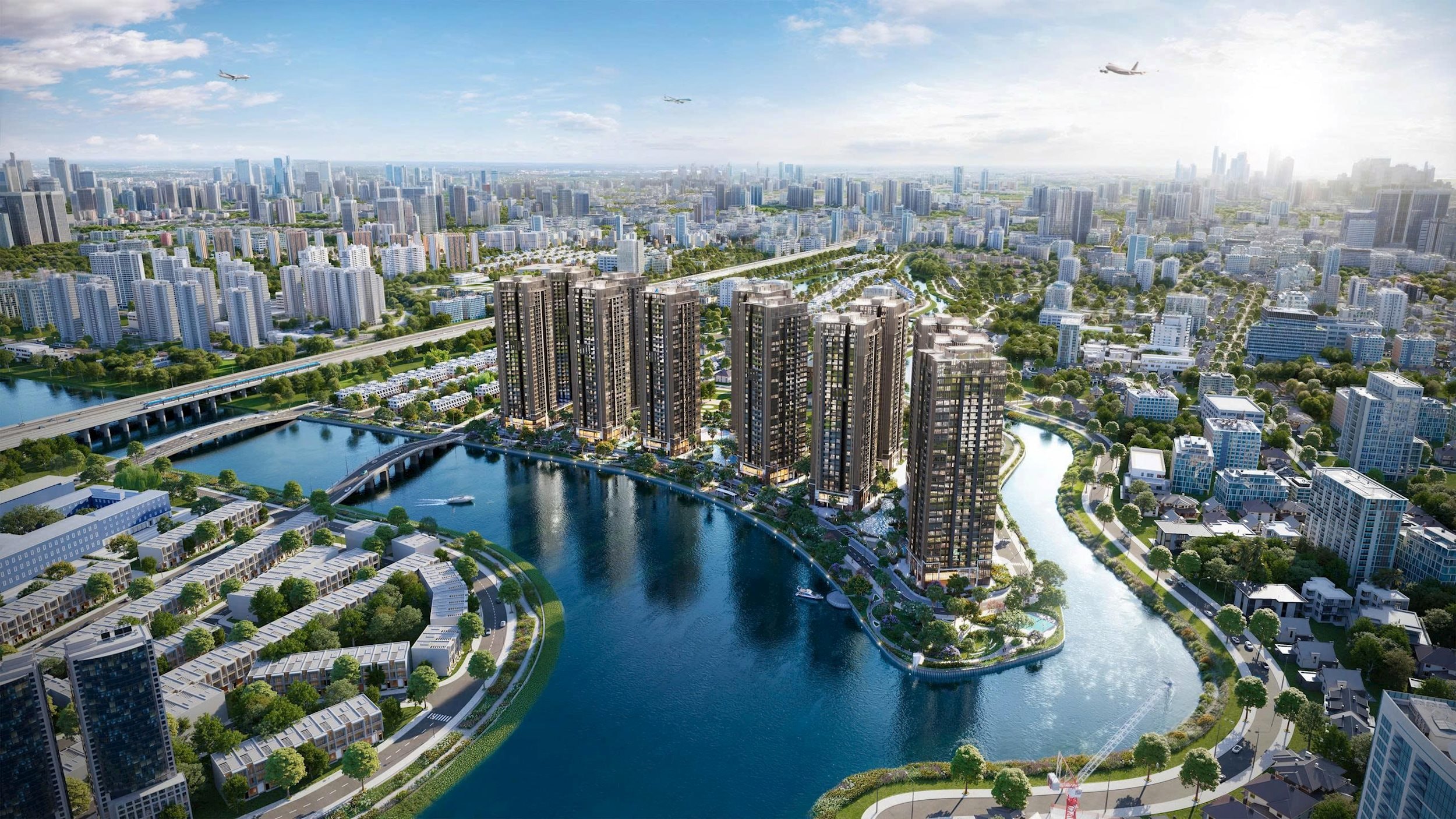
At the same time, the policies enacted have shifted significantly from a mindset of "tight procedural management" to "efficient resource management," gradually removing long-standing bottlenecks and freeing up land for development. This is a decisive factor in the recovery and strengthening of market confidence.
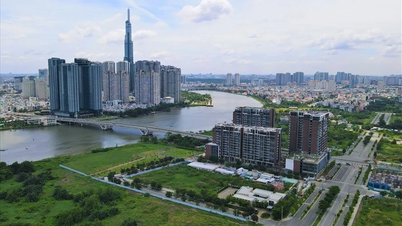
In addition, the government's focus on resolving outstanding projects, boosting public investment and inter-regional infrastructure is opening up new development opportunities for urban areas and real estate, especially in suburban and satellite cities.
"Cash flow has improved, credit is managed flexibly, and real estate continues to be considered a long-term investment channel, but in a more cautious and selective manner," Mr. Hung stated.
Source: https://congluan.vn/luat-moi-von-moi-dat-moi-bat-dong-san-se-but-toc-trong-nam-2026-10328132.html


























![[Photo] Reception to welcome General Secretary and President To Lam and his wife on their State visit to the Philippines](https://vphoto.vietnam.vn/thumb/1200x675/vietnam/resource/IMAGE/2026/06/01/1780295488620_vna-potal-chieu-dai-chao-mung-tong-bi-thu-chu-tich-nuoc-to-lam-va-phu-nhan-tham-cap-nha-nuoc-toi-philippines-8798060-7855-jpg.webp)


























































Comment (0)