

Under pressure from high interest rates and macroeconomic volatility, market liquidity has shown clear signs of slowing down, signaling a new cycle focused on real values and effective cash flow management.
According to data from One Mount Group's Market Research and Customer Insights Center, the total number of real estate transactions in Hanoi during the first three months of 2026 reached only about 19,500, a 7% decrease compared to the same period last year and a significant 48% drop compared to the fourth quarter of 2025. This decline was observed across most types of real estate, indicating a considerable weakening of market absorption capacity.
From an expert's perspective, Mr. Tran Minh Tien, Director of the Market Research and Customer Insights Center at One Mount Group, noted that the current interest rate and inflation environment is putting significant pressure on financial costs. Rising real estate prices are forcing investors to shift their strategy from "buy quickly - sell quickly" to a defensive approach. Customers are now tending to prolong their research, prioritizing cash flow preservation and patiently waiting for more stable signals from the macroeconomic environment before making a final decision.
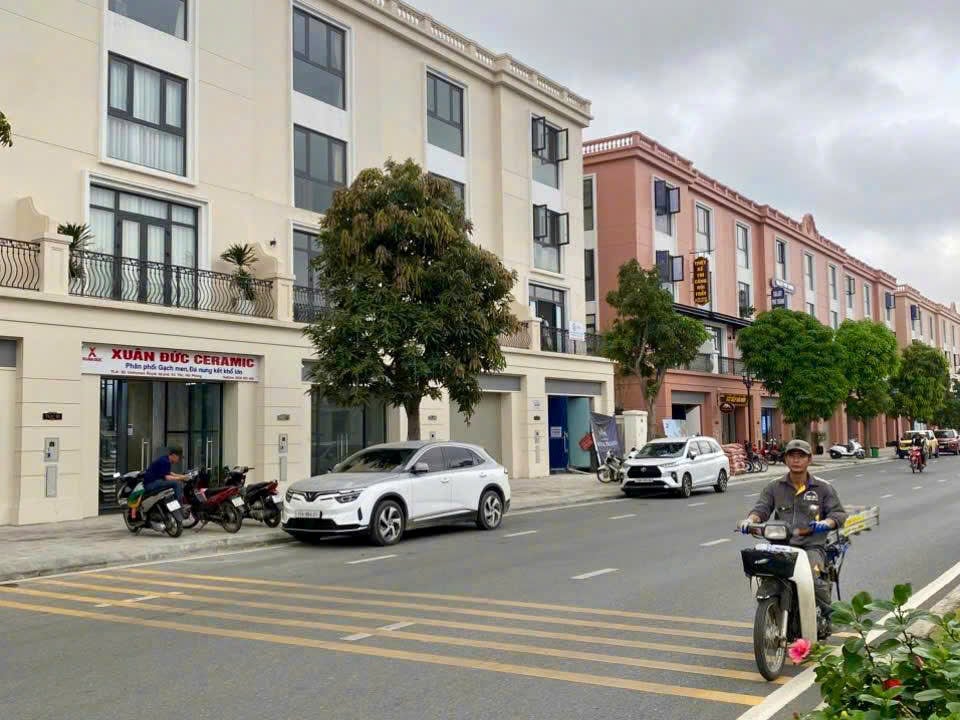
According to the survey, the percentage of customers maintaining a clear interest in real estate has sharply decreased from 55% in 2025 to approximately 36% in the first quarter of this year. The majority of buyers are no longer in a hurry, with only 17% planning to purchase property within the next six months, while over 40% have chosen a one-year timeframe to monitor market developments further. Although real estate remains a priority in the investment portfolios of 58% of customers, this confidence has decreased by 13 percentage points compared to the booming market last year.
The main reason for the decline in real estate demand stems from increasing financial pressure. A large proportion of customers believe that current prices have risen significantly faster than their incomes, making housing more difficult to access. Furthermore, interest rates remain high while the market still faces numerous risks from macroeconomic and geopolitical factors. This has led even financially strong customers to be more cautious about using leverage for short-term real estate investments.
Looking ahead to 2026, the resale market is projected to dominate due to its direct response to real housing needs. The secondary apartment segment is expected to reach approximately 33,000 transactions, with leading developments in fully-developed urban areas such as Vinhomes Ocean Park and Vinhomes Smart City. Meanwhile, the land plot segment is projected to reach around 30,500 transactions, but will see significant differentiation across areas, depending on price levels, infrastructure quality, and the transparency of planning information.
Summarizing market trends, Mr. Tran Minh Tien believes that 2026 will not see the boom of last year, with a sharp decline in short-term investment. Instead, the main customer base will be those with genuine housing needs or long-term asset investors. The market is entering a more selective phase, where products that meet genuine housing needs, have clear legal status, and are reasonably priced will maintain better liquidity than the rest of the market.
Source: https://baotintuc.vn/kinh-te/phan-khuc-bat-dong-san-thu-cap-len-ngoi-20260601133139646.htm









































































































Comment (0)