

- Stories from after the reunification of the country in Minh Hai province
- Minh Hai Newspaper - Proud of its 20-year journey
Leaving to return, the brothers from Ca Mau and Bac Lieu are back under one roof, joining forces to build and add vibrant colors to Ca Mau - the southernmost tip of the Fatherland.
Blending the flavors of the two homelands
“I came to your homeland, the coastal land of Ca Mau/I saw the lush green mangrove forests stretching far out to sea/The Tam Giang River, bathed in sunlight, carried people/To visit the distant Ca Mau Cape homeland/The blue sky of Nam Can, the wind blowing from all directions”... When composer Hoang Hiep wrote “Ca Mau Cape,” he must have deeply absorbed the pristine beauty of this place. Looking at Ca Mau on the map of the country, it appears as a vast green dot with mangrove trees reaching far out to sea, lush green melaleuca forests, and expansive river branches with flowing waves.
Not only is Ca Mau a captivating younger sibling with its God-given natural beauty, but in its development, it has also left its mark with numerous historical and cultural relics that commemorate the heroic struggles of the army and people of this region. These include: the Vam Lung "No Number" Wharf, the Hon Khoai Uprising Monument, the Monument Complex commemorating the Northward Assembly Ship, and the Monument to the Protection of National Security... Remembering the southernmost tip of the country, one also cherishes the simple, unpretentious yet generous and hospitable nature of the incredibly charming people of Ca Mau. With its convergence of favorable conditions – "heavenly timing, geographical advantages, and human harmony" – Ca Mau is likened to a harmonious tapestry of nature, culture, land, and people.
"Joining forces" with Ca Mau is a unique characteristic of Bac Lieu, a neighboring province. The tourism and cultural potential of Bac Lieu has been developed to attract visitors from afar. Cultural projects have been invested in and built, increasingly affirming their unique character and creating a tourism brand in the region and nationwide. As one of many typical projects invested in during the first Bac Lieu National Traditional Music Festival in 2014, the Three Conical Hat Theater was successively selected among the "Top 7 Unique Architectural Works" and "One of the 5 Theaters with Unique Architecture in Vietnam." The stylized zither in Hung Vuong Square, built at the same time, is also considered a cultural symbol of Bac Lieu, representing the shared pride of the 21 provinces and cities of Southern Vietnam in an intangible cultural heritage of humanity – Southern Vietnamese traditional music. Both structures were recognized by VietKing as the largest in the country right from the moment they were completed.
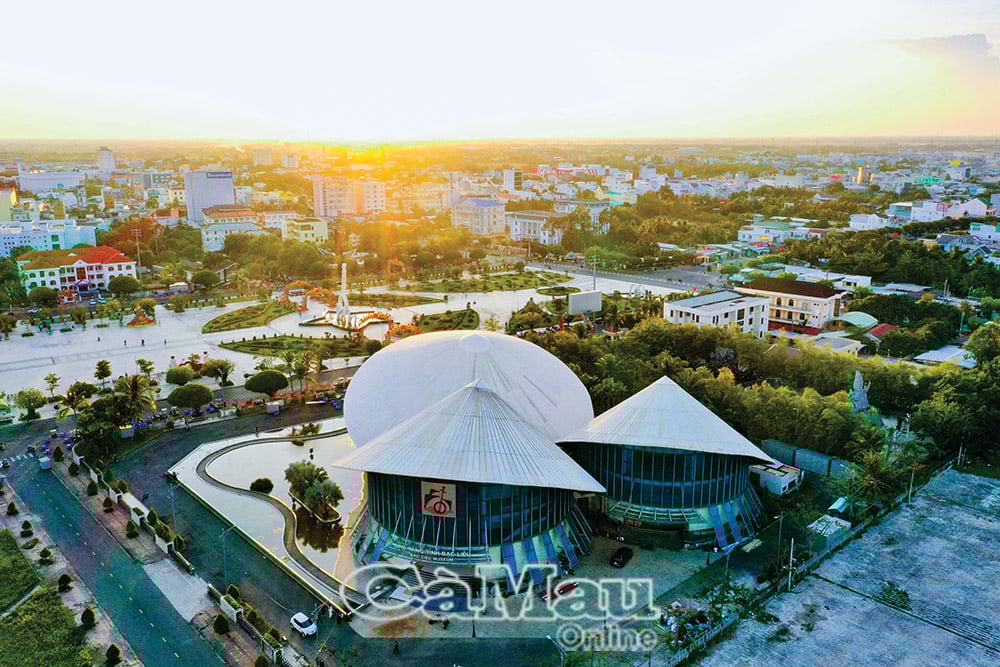
The Three Conical Hats Theater – a unique architectural masterpiece and one of the cultural symbols of Bac Lieu province. Photo: Huu Tho
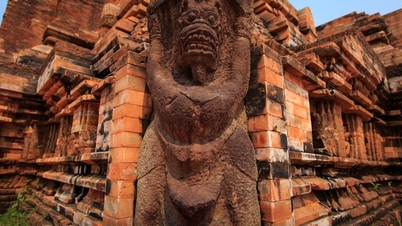
The land of the Bac Lieu Prince, the birthplace of the "Da Co Hoai Lang" folk song, also boasts the Ho Chi Minh Memorial Temple, the Provincial Party Committee Base Historical Site, the Noc Nang Historical Site, the Giong Bom Historical Site, the Vinh Hung Ancient Tower, the Southern Traditional Music and Cao Van Lau Memorial Area... All of these contribute new colors to Ca Mau in its new attire for the future.
Our hometown is Ca Mau
If, in the past, each side of Ca Mau and Bac Lieu strived to develop its own distinctive cultural values to create its own unique identity, then upon coming together as a common home, those individual strengths blend and combine to create a radiant Ca Mau in the near future. Ca Mau and Bac Lieu, in their new attire, are opening up wide avenues to welcome those who return.
The tourism resources of these two places, "his hometown, her hometown," have now become "our hometown," with their shared and distinct characteristics promising to open up a unique space at the southernmost tip of the country.
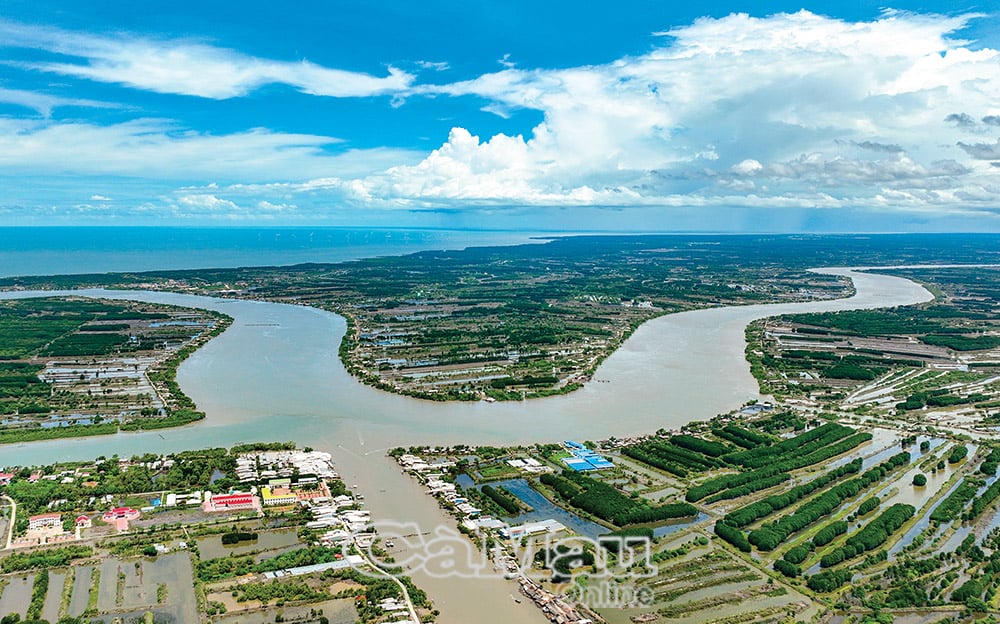
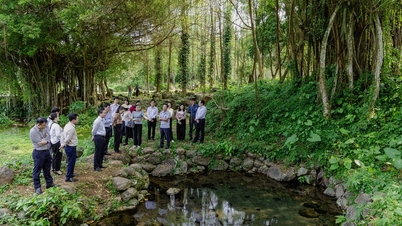
Tam Giang River, Nam Can. Photo: HUYNH LAM
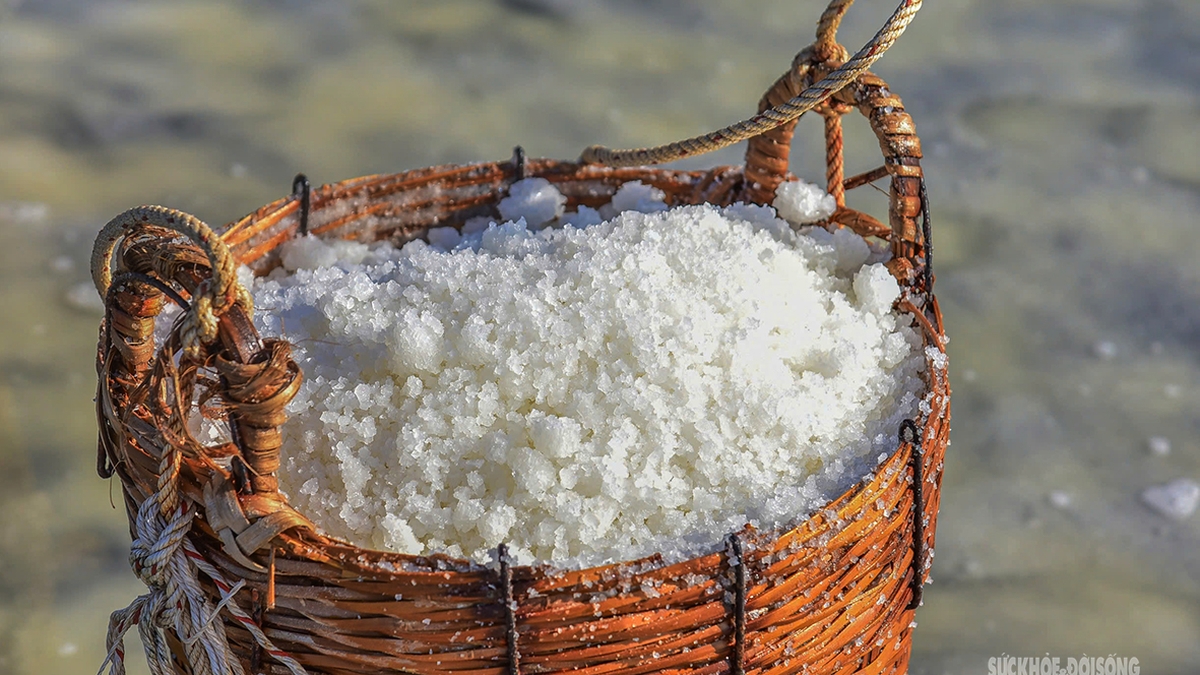
When visiting Ca Mau Cape, spread your arms wide to welcome the wind, check in at the national coordinate marker to "show off" to everyone that you've set foot at the southernmost point of the country. Then, you must also take stunning photos with the sunset over the Bac Lieu wind farm, or watch the early sunrise over the white salt fields of this region. Visiting Hon Khoai Island to remember the heroic uprising of teacher Phan Ngoc Hien in the history of the struggle against French colonialism, you must stop by the Bac Lieu Provincial Party Committee Base Area - a special national historical site with historical stories linked to the indomitable will and bravery of the revolutionary leaders of the past. This will make a journey back to the roots of history more complete. After stopping to light incense at the Temple of Uncle Ho (Vinh Loi district, former Bac Lieu province), and listening to stories of the soldiers and civilians who shed blood and sacrificed their lives to protect this sacred place, the journey should then continue to the Vam Lung Unnumbered Wharf (Ngoc Hien district, former Ca Mau province), one of Vietnam's important historical landmarks, a wharf belonging to the " Ho Chi Minh Trail on the Sea" - the legendary route for transporting weapons, food, and necessities from the North to the South during the war of national liberation.
The historical and cultural relics of Ca Mau and Bac Lieu are not only unique architectural works but also vivid evidence of a glorious fighting tradition, and a convergence of unique cultural values of the Ca Mau peninsula. The culture, people, and history of Ca Mau and Bac Lieu will surely provide interesting experiences for friends both domestically and internationally as the shared and individual aspects blend together, enhancing each other's value.
“When Ca Mau grows up, though the youngest, it will be even more beautifully dressed”... It seems that it's no longer just a matter of the future, but Ca Mau is truly growing and promises even more prosperity in the very near future – when cultural identity, economic cooperation, and especially the consensus between the Party's will and the people's hearts of brothers who were once "one family" return to their home: Ca Mau!
Cam Thuy
Source: https://baocamau.vn/mai-mot-ca-mau-em-lon--a39940.html

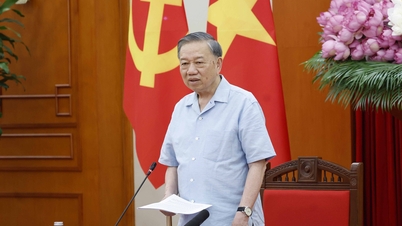
![[Photo] General Secretary and President To Lam presides over a meeting on preparations for the review of one year of operation of the three-tiered government system.](https://vphoto.vietnam.vn/thumb/1200x675/vietnam/resource/IMAGE/2026/06/02/1780391821195_a1-bnd-4595-9717-jpg.webp)

















































Comment (0)