

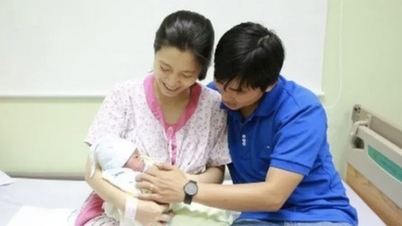
In 2025, the average Vietnamese woman will give birth to 1.93 children, a slight increase from the historical low of 1.91 in 2024, but still below the replacement level (2.1 children) and showing significant disparity between regions. This alarming situation of declining birth rates poses a major challenge to socio -economic development and national welfare.
These are messages that require the concerted efforts of all levels and sectors to call on every citizen to take concrete action and effectively implement the birth control plan, in order to contribute to maintaining the replacement fertility rate, during the National Action Month on Population and the commemoration of Vietnam Population Day (December 26).
The dual challenge for population structure.
According to the latest information from the Population Department ( Ministry of Health ), the overall population picture reveals a worrying risk: the birth rate across the country is uneven across different localities. Twenty provinces and cities recorded an increase, 13 experienced a decrease, and only Khanh Hoa maintained its rate. Currently, 11 provinces nationwide have a birth rate below 2.0, and 19 provinces have a rate above 2.2. This indicates that the low birth rate in Vietnam is no longer a temporary phenomenon, but has become structural, reflecting profound changes in the economy, society, and lifestyles of the people, especially young people.
It is noteworthy that the disparity in fertility rates between regions continues to widen, with Ho Chi Minh City ranking among the lowest in the country at 1.51 children per woman of childbearing age, while Dien Bien leads with 2.91 children.
In addition, out of the 11 population targets for 2025, 5 targets have not yet been met, including: total fertility rate; reduction of the sex ratio at birth; adjustment of birth rate; percentage of newborns screened for 5 congenital diseases (hypothyroidism, G6PD deficiency, adrenal hyperplasia, hearing impairment, congenital heart disease); and percentage of elderly people receiving at least one annual health check-up.
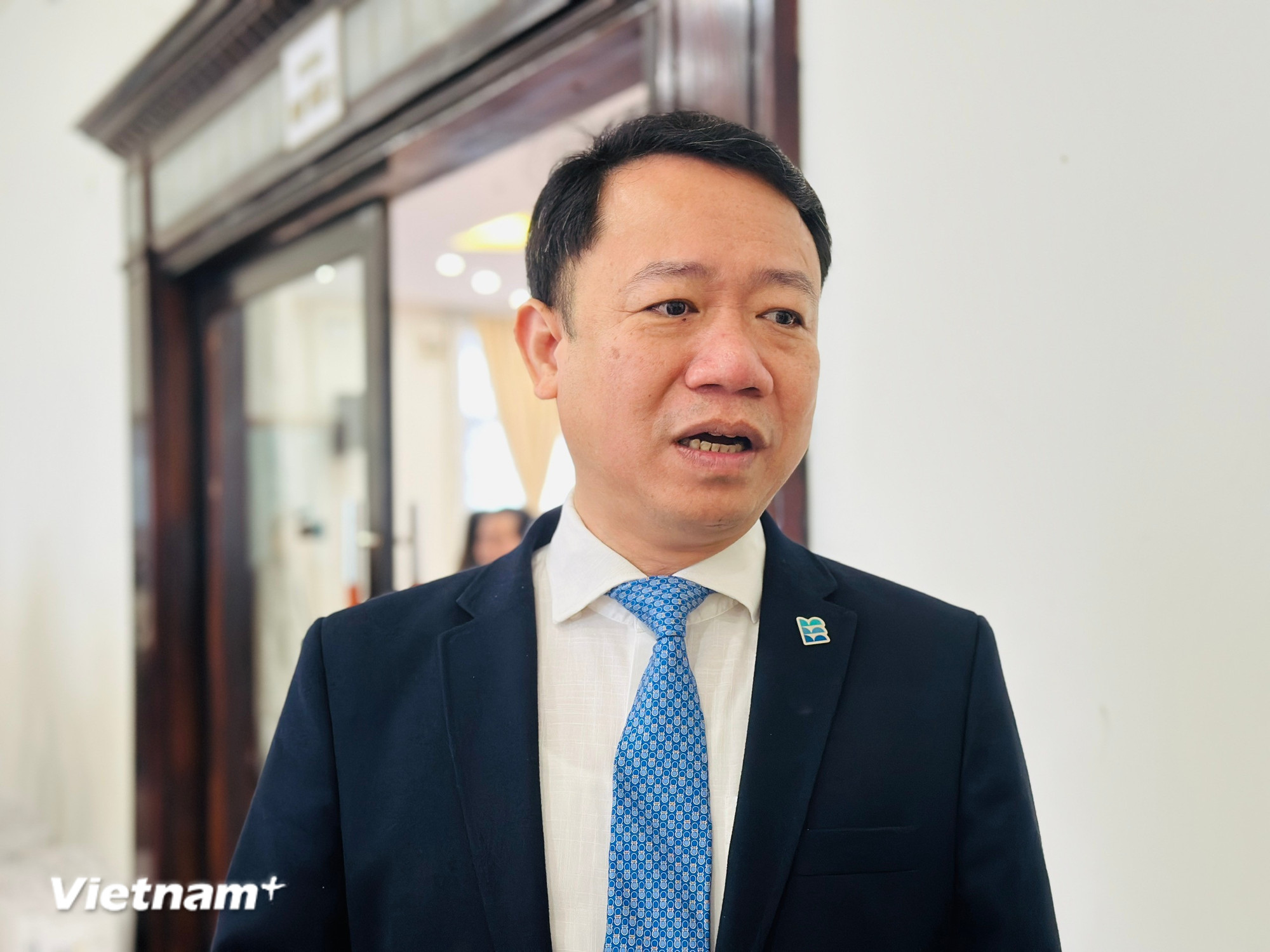
Mr. Le Thanh Dung, Director of the Population Department, analyzed the current situation, noting that the combination of low birth rates and rapid aging is creating a double challenge for the population structure. On the one hand, the size of the working-age population is at risk of shrinking, threatening the labor supply and the impetus for economic growth. On the other hand, the rapidly increasing number of elderly people puts significant pressure on the social security, healthcare, pension, and long-term care systems.
International experience shows that once the birth rate has fallen to a low level and remained there for a long time, restoring it to a healthy level is extremely difficult, requiring significant resources and coordinated policies over several decades.
The combination of low birth rates and rapid aging is creating a double challenge for the demographic structure.
Therefore, the Ministry of Health and sociologists have repeatedly warned that without timely and sufficiently strong policy adjustments, low birth rates could become a strategic bottleneck, directly affecting Vietnam's economic growth, social stability, and national competitiveness in the medium and long term.
Mr. Le Thanh Dung stated that to overcome the risks of imbalances in population indicators, the focus of population work in 2026 and subsequent years will be to encourage couples to have two children, launching a campaign with the message "patriotism means having two children," aiming to fill the gap in the alarmingly low birth rate.
A comprehensive policy system needs to be developed.
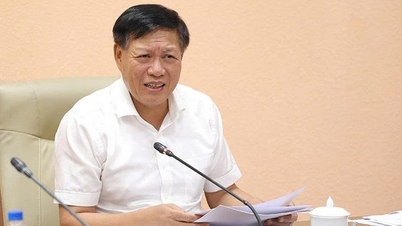
Deputy Minister of Health Do Xuan Tuyen emphasized that in 2025, population work will continue to receive special attention from the Party and the State with many important policies and guidelines being issued. The Politburo, the Government, and the National Assembly have approved resolutions and action programs to concretize the strategic orientation on population and development, and people's health care for the period 2026-2035, creating an important foundation to improve the quality of the population and serve sustainable socio-economic development.
Recently, the National Assembly passed the Population Law, marking an important milestone in shifting the focus from family planning to population and development.

A significant turning point in population policy is the Population Law 2025, recently passed by the National Assembly and scheduled to take effect in July 2026. The law marks a clear shift from a family planning mindset to one that guarantees reproductive rights, empowering individuals and couples to decide when to have children, the number of children, and the spacing between births, based on their health, economic conditions, and ability to raise children.
The 2025 Population Law stipulates an increase in maternity leave for female workers giving birth to their second child to 7 months, while husbands are entitled to 10 days of leave to share family care responsibilities. This is considered a significant step forward in social security policy, contributing to reducing pressure on women and creating a more realistic environment for families to confidently have children.
The 2025 Population Law, recently passed by the National Assembly, empowers individuals and couples to decide when to have children, the number of children, and the spacing between births, based on their health, economic conditions, and ability to raise children.
The law also expands socio-economic support for families with two children, such as financial assistance for women who have two children before the age of 35, women who give birth in low-birth-rate areas or belong to ethnic minority groups with very small populations; and prioritizes the purchase, lease-purchase, or rental of social housing for families with two or more children. These policies directly address the biggest bottlenecks in the decision to have children: finance and housing.
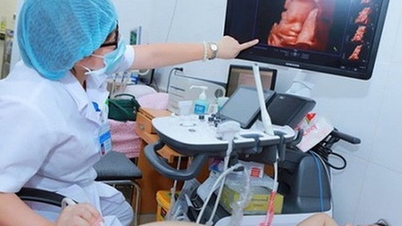
In particular, the 2025 Population Law also tightens measures to minimize gender imbalance at birth, strictly prohibits all acts of sex selection of fetuses, clearly stipulates sanctions for medical practitioners who violate the law, and requires the periodic publication of data on gender imbalance at birth to serve as a basis for developing appropriate intervention policies.
To meet the requirements and tasks of population work in the coming period, Deputy Minister Do Xuan Tuyen requested that Party committees, governments, mass organizations, ministries, and sectors continue to pay attention to directing, leading, and ensuring resources for population work under the conditions of implementing a two-tiered local government system; and organize the implementation of mechanisms and policies of the Population Law and the Targeted Program on Health Care, Population and Development for the period 2026-2035.



Provincial and city health departments are advised to continue strengthening and stabilizing the organizational structure, improving the capacity and professional qualifications of population work staff from the provincial to the grassroots level, ensuring they are strong enough to carry out assigned tasks.
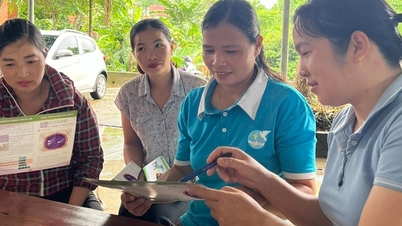
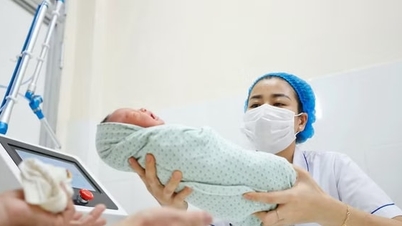
Deputy Minister of Health Do Xuan Tuyen emphasized that population work needs to strengthen communication, ensuring that young people and medical facilities have a firm grasp of knowledge about pre-marital counseling, prenatal and newborn screening, helping to ensure healthy births.
According to the Director of the Population Department, Le Thanh Dung, the key to increasing the birth rate in the future lies not in a single policy, but in building a comprehensive, long-term policy system that closely links socio-economic development with population work. In this system, the decisive involvement of Party committees and governments at all levels, and the consensus and participation of the entire society, play a crucial role.
Along with improving mechanisms and policies, the health sector will strengthen communication and social orientation on the value of family and having two children, shifting from campaign-based propaganda to providing information to inspire spirit and awareness based on the long-term benefits for individuals, families, and society.

Source: https://www.vietnamplus.vn/mo-cuoc-van-dong-voi-thong-diep-yeu-nuoc-la-sinh-du-2-con-post1085138.vnp
























![[Photo] Reception to welcome General Secretary and President To Lam and his wife on their State visit to the Philippines](https://vphoto.vietnam.vn/thumb/1200x675/vietnam/resource/IMAGE/2026/06/01/1780295488620_vna-potal-chieu-dai-chao-mung-tong-bi-thu-chu-tich-nuoc-to-lam-va-phu-nhan-tham-cap-nha-nuoc-toi-philippines-8798060-7855-jpg.webp)







































































Comment (0)