

Reporter (NĐT): First of all, thank you for giving this interview to The Reporter on the occasion of June 21st. Mr. [Name], currently, the Government , ministries, and localities are actively encouraging businesses to participate in the construction of social housing. As a business with many years of experience in building social housing , how do you assess the current demand for social housing among the people?
Mr. Nguyen Viet Hung - Head of Administration and Human Resources Department, BIC Vietnam: According to the Ministry of Construction 's assessment, the results of social housing development in the past period have not met the requirements set out in the National Housing Development Strategy to 2020, with a vision to 2030.
According to forecasts by the Ministry of Construction, by 2030 the whole country will need 2.4 million social housing units to meet the housing needs of workers in industrial zones and low-income people.
The Ministry of Construction has also proposed a plan to invest in the construction of at least 1 million social housing units for low-income earners and industrial zone workers (during the period 2021-2030). The 1 million social housing units, once completed, will meet a portion of the real housing needs of the people.
However, from a business perspective, we believe the current shortcoming is that the demand for social housing is very high, but the supply accounts for only a very small proportion of the market.
In addition, many investors are not enthusiastic about developing social housing projects for the people because profit margins are capped at no more than 10% and they have difficulty accessing preferential credit from banks.
At the same time, preferential policies to help low-income earners access home ownership are limited and difficult to implement. Legal procedures are also overlapping, causing the time from the start of the process to actual implementation to be prolonged.
Interviewer: We understand that BIC Vietnam has been implementing social housing projects. Could you please tell us about the advantages and difficulties the company has encountered during the implementation of these projects?
Mr. Nguyen Viet Hung: As an investor developing social housing projects, our company has received a lot of support from state agencies in this segment during the project development process.
Firstly, despite the scarcity of real estate credit, the government and banks still offer preferential access to loans for social housing projects.
Secondly, provincial and city governments facilitate the implementation of land projects by providing favorable conditions in terms of time and procedures, exempting land use fees, and these land funds are usually already planned, allocated, and cleared.
Thirdly, social housing development projects enjoy certain support and incentives regarding land, taxes, and other investment incentives that are very clear and specific.
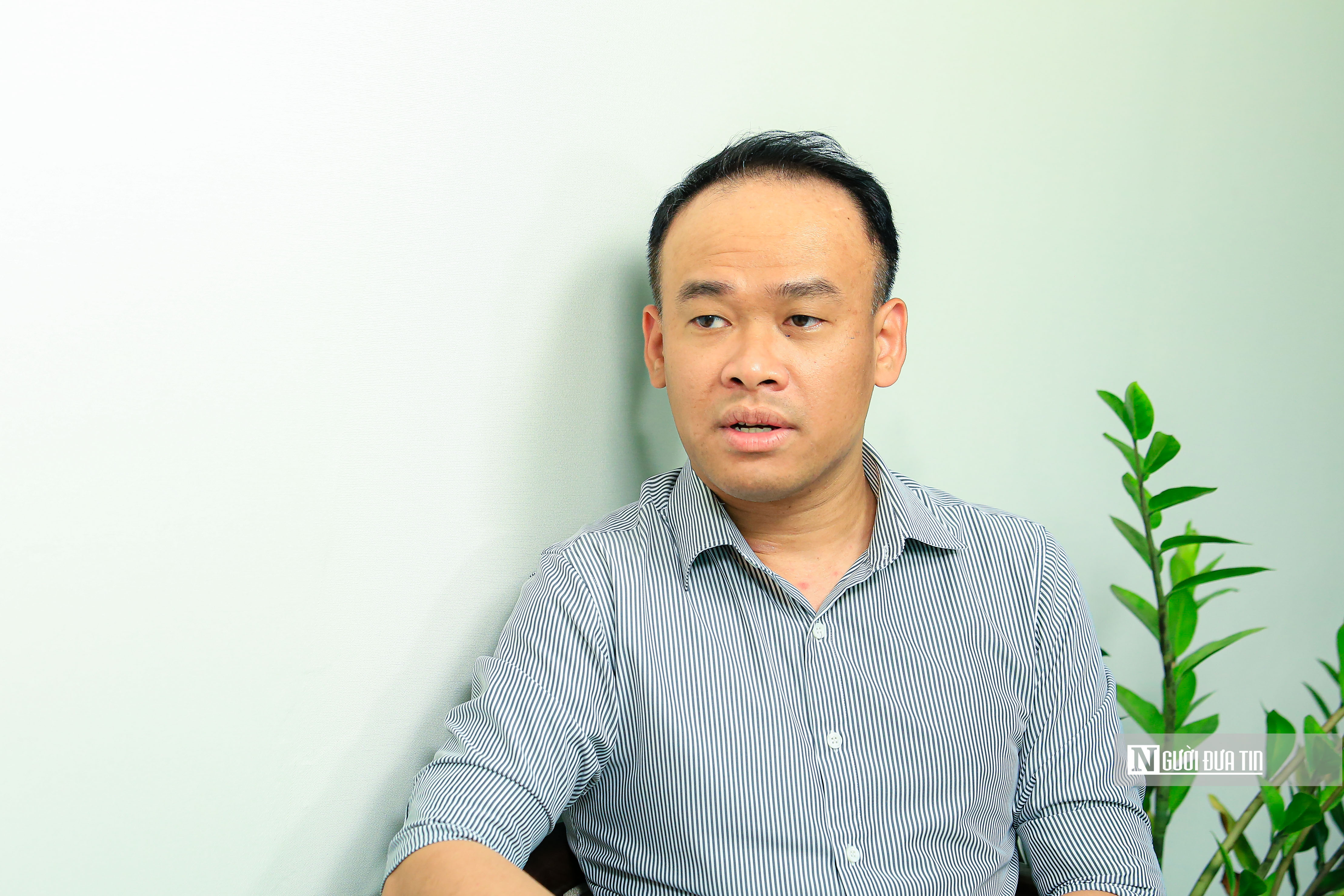
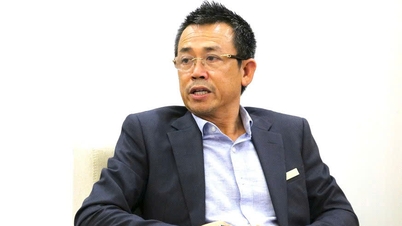
Mr. Nguyen Viet Hung - Head of Administration and Human Resources Department of BIC Vietnam, spoke with Nguoi Dua Tin (The Informer).
However, despite the advantages, the construction of social housing still faces some difficulties. Currently, our company is finalizing procedures to soon start construction on projects in order to provide the market with quality apartments that meet the needs of Hanoi residents.
However, the licensing process in Hanoi is currently fraught with overlapping procedures and lengthy delays. For example, we completed land clearance for one project in 2020, but are still awaiting a land allocation decision from the Hanoi People's Committee. Furthermore, the issuance of construction permits is also prolonged, causing delays in project implementation.
Furthermore, another issue causing us trouble is interest rates. Despite preferential rates, banks still face many problems regarding loan procedures, and the credit criteria for businesses to access capital are not yet clearly defined.
Investor: In reality, besides the capacity of the enterprise, solutions regarding land, mechanisms, and policies also play a very important role. As an enterprise that has built and completed many social housing projects, how do you assess the mechanisms and policies of the state towards enterprises building social housing in recent years?
Mr. Nguyen Viet Hung: We believe that developing social housing is a correct policy, with breakthroughs in perspective, ideology, approach, and implementation solutions. Along with the determination and active involvement of the Government, ministries, sectors, and localities, effective mechanisms and policies have yielded many important results in recent times.
However, current social housing policies and mechanisms still have limitations that hinder the development of social housing. Some identifiable challenges include land access, high housing prices, and complex and overlapping investment and land allocation processes with many inconvenient and unclear procedures.
Furthermore, we also believe that the shortage of social housing supply is due to the mechanism allowing for land-use conversion. Many projects, initially licensed as social housing, are later converted into commercial housing, with developers agreeing to pay for the conversion. This further exacerbates the already limited supply.
Furthermore, many developers face limitations in investment resources and capital mobilization for the social housing market, making it difficult to access preferential loans. Limitations or regulations regarding loan risk ratios and coefficients for real estate, as well as the specific characteristics of this segment, mean that the capital provided by banks for this program often lacks long-term stability.
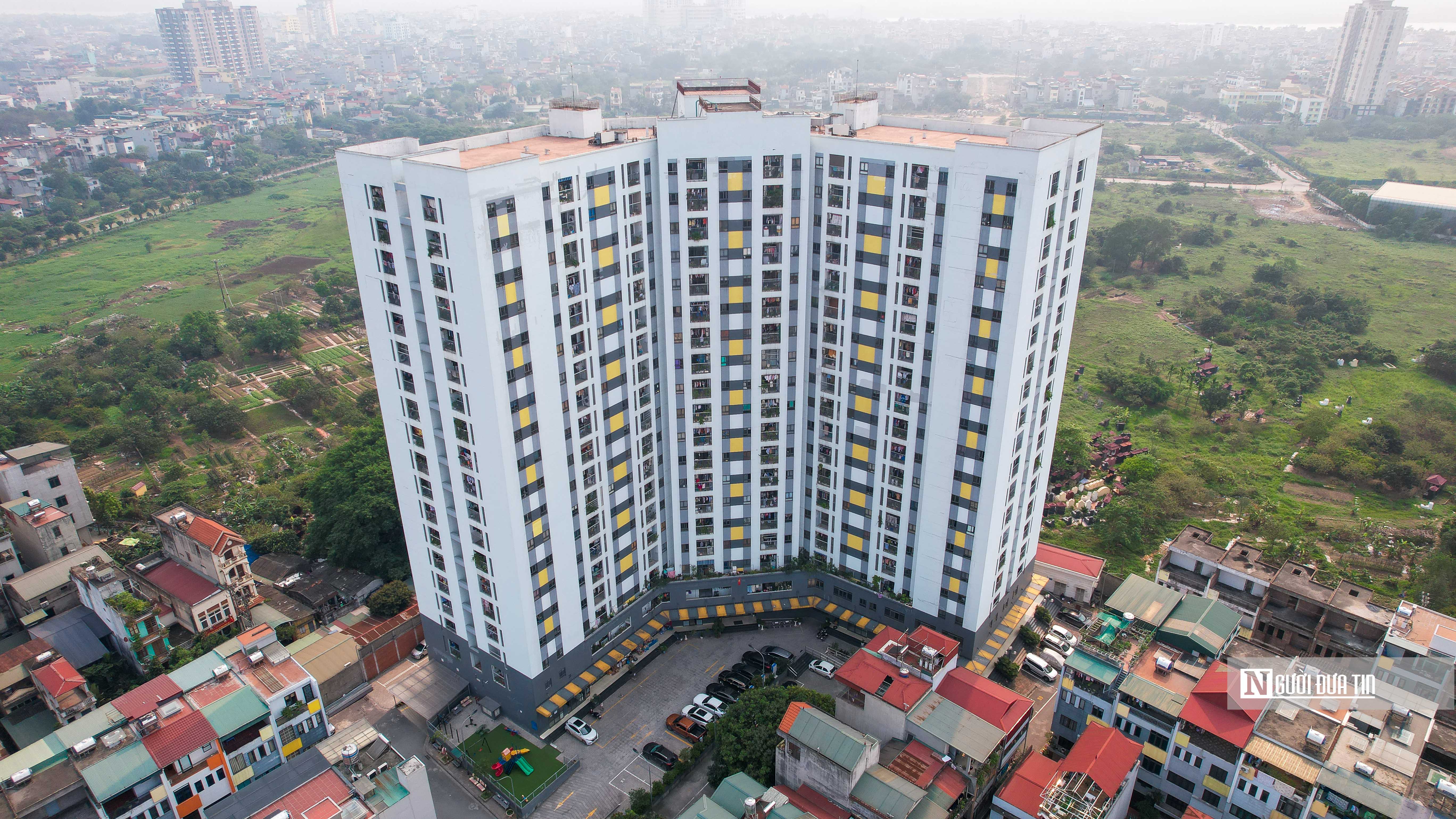
The high-quality social housing project on the Red River, commercially known as Rice City, is developed by BIC Vietnam.
Investor: As mentioned regarding the government's target of 1 million social housing units by 2030, in order to achieve that goal, in addition to the 120 trillion VND credit package already implemented, the government is also requesting ministries, sectors, and localities to review documents and identify remaining obstacles to remove for investors. From a business perspective, what solutions do you think are needed?
Mr. Nguyen Viet Hung: Firstly, we believe that investors who own or acquire land for social housing projects should be allowed to apply for a direct contracting mechanism, rather than competitive bidding. The specific criteria would then be approved by the state authorities.
Secondly, regarding planning issues. Currently, many planning projects and detailed 1/500 scale plans for social housing need to be adjusted, related to population targets, social infrastructure amenities, etc.
This leads to the need to adjust the zoning plan and detailed plan, which will be very time-consuming. Therefore, the enterprise proposes to participate with local authorities in adjusting the 1/500 detailed plan for social housing projects to expedite progress.
Thirdly, the current approval process for social housing projects is very lengthy. Therefore, we propose that any steps that can be done in parallel, such as public bidding and investor selection, should be shortened to 90-120 days to allow localities to announce social housing projects and for businesses to submit applications.
Fourth, regarding planned land allocation, many social housing projects are scattered, not concentrated, small-scale, and lack convenient access and suitable amenities.
We hope that the authorities will implement clear and transparent planning for the planned areas, enabling businesses to carry out construction in accordance with the overall strategy.
Finally, we hope for increased access to preferential loan sources, supported by banks. At the same time, we hope for access to "clean" land funds and increased land planning for social housing projects.
Investor: Thank you for the conversation!
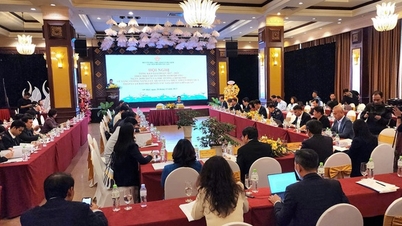
In an exchange with investors, Professor Dang Hung Vo, former Deputy Minister of Natural Resources and Environment, stated that to unlock the supply of social housing, three factors are necessary: capital, land, and policies.
Meanwhile, the weakest point of Vietnam's management system is administrative procedures. Despite being a segment specifically for low-income earners, accessing, purchasing, or renting social housing remains extremely difficult for workers due to bureaucratic procedures. Businesses also face legal challenges in implementing projects in this segment.
"Currently, the 120 trillion VND credit package with the highest preferential rate of 2% per year is not truly advantageous for low-income earners to access. Ten years ago, the 30 trillion VND credit package with a preferential loan rate of 5.5% was much easier and more desirable for low-income workers," the expert shared .
Source


![[Photo] Prime Minister Pham Minh Chinh presides over a meeting on private sector economic development.](/_next/image?url=https%3A%2F%2Fvphoto.vietnam.vn%2Fthumb%2F1200x675%2Fvietnam%2Fresource%2FIMAGE%2F2025%2F12%2F20%2F1766237501876_thiet-ke-chua-co-ten-40-png.webp&w=3840&q=75)






























































































Comment (0)