The anti-consumer social protest movements of 1968 in Europe directed the arts and literature along sociological and political lines.
Modern Literature Period
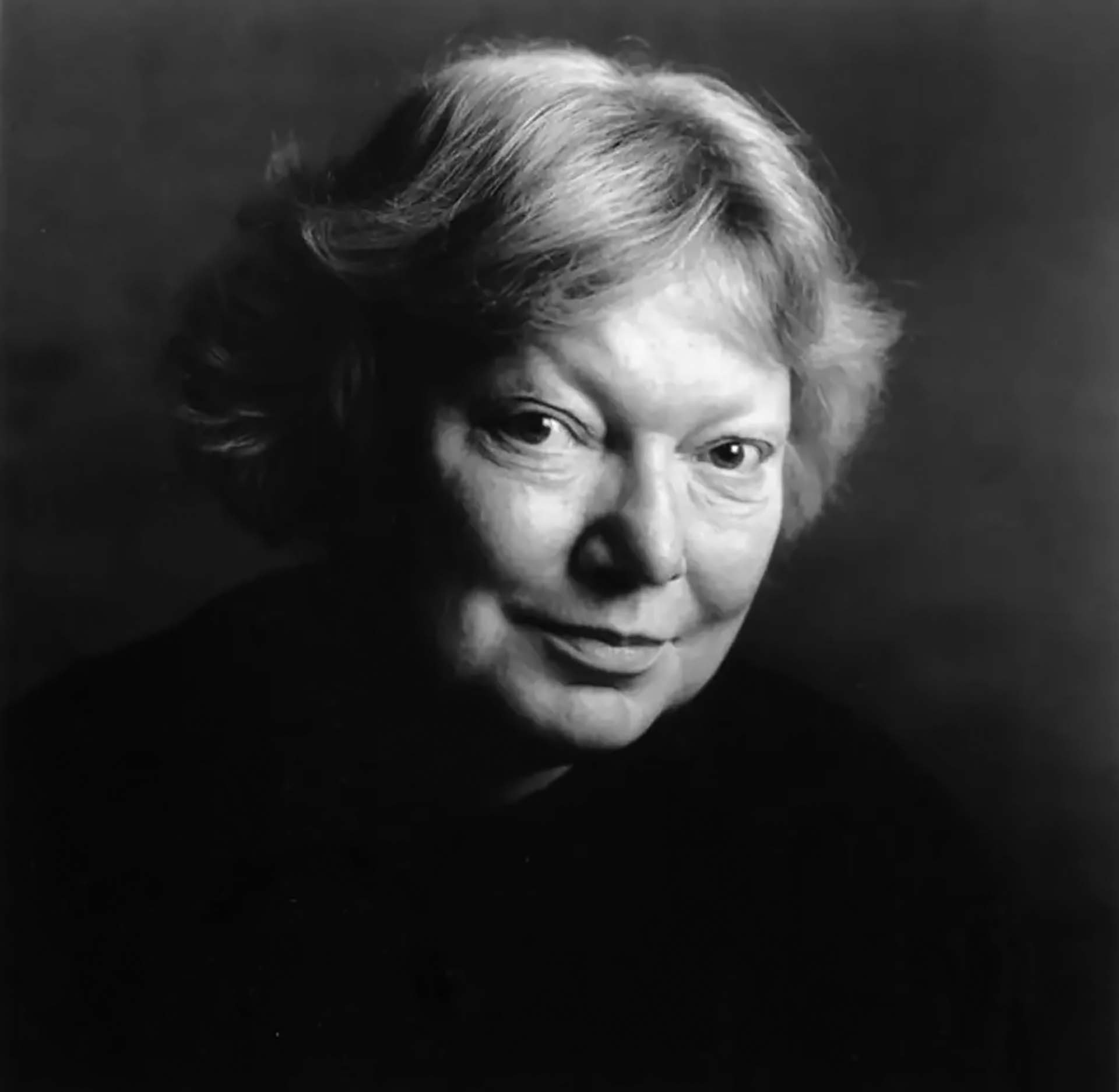 |
| The writer I. Christensen. |
In the 1960s, two of the most prominent young writers were I. Christensen and Haw-Jorgen Niesen, who demanded an understanding of humanity not based on pre-existing values, but on its relationship with society. They both adopted a politically and socially engaged approach. Their tendencies continued into the 1970s generation.
In general, the social protest movements in Europe (and later the US ) in 1968 directed the arts towards sociological and political paths (discussing issues, women's liberation). Danish women, in particular, were very active (investigative journalism and interviews flourished, even among students and workers).
Poetry had a sociological tendency, influenced by Vita Andersen and P. Poulsen (exploring linguistics and structure). The 1970s generation included Symbolist writers, sharing a space between political poetry and historical fiction. In the early 1980s, a resurgence of antisocialism and consumerism emerged.
EK Reich (born 1940) combines historical documents with non-dogmatic political consciousness. His book *The Life of Zenobia* (1999) recounts journeys between Denmark and Syria in the 5th century. Hjernoe (born 1938) uses historical documents but focuses on linguistics and philosophy. H. Bjelke (born 1937) is influenced by James Joyce in his major work (*Saturu* - 1974) on the myth of reincarnation, the fragmented self wandering in the present and the mythical world .


There is a literary movement that is easier to understand, harder to categorize (like St. Kaalo, born in 1945).
The social realism movement of the 1950s continued with U. Graes (born 1940) and the novels about workers, and the poetry of L. Nielsen (born 1935). The aspirations for a new society were expressed through romantic and revolutionary dreams. This was the case with V. Lundbye (born 1933) and R. Gjedsted (born 1947).
Social and political engagement marked the works of M. Larsen (born 1951). Vita Andersen (born 1944), who combined contemporary issues with intimate sentiments, was popular in the 1970s.
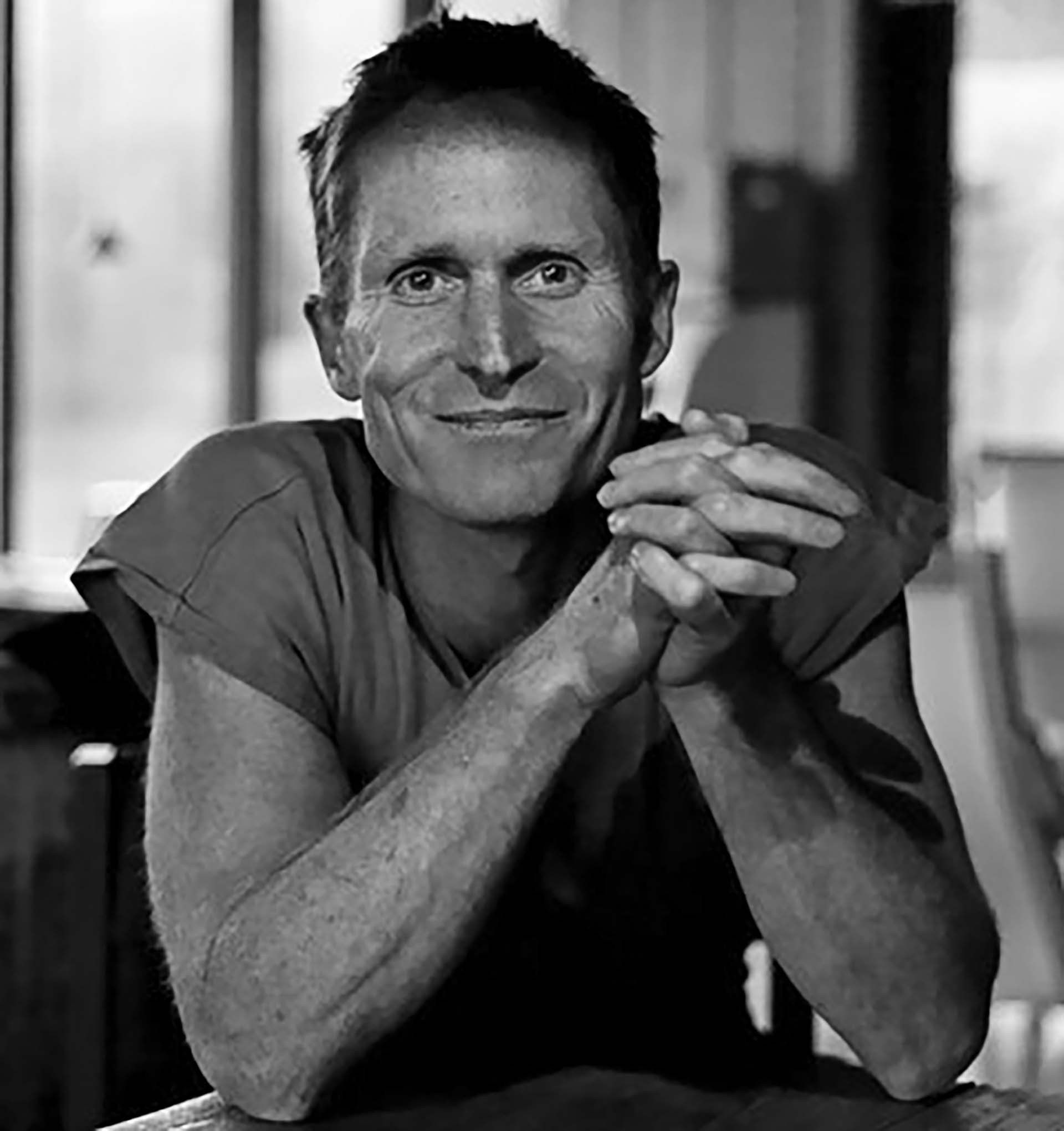 |
| The writer Peter Hoeg. |
The 2000 Nordic Council Literary Prize was awarded to Henrik Nordbrandt's (born 1945) poetry collection, *The Bridges of Dreams*. The collection was published in 1998; thus, the award can be considered a gift to his entire body of work. According to the jury, the "bridge" became a symbol of life's journey between coming and going, and also a symbol of the experience of loss and rediscovery in poetry.
During the 1980s and 1990s, readers grew tired of sentimental narratives about everyday life and a writing style that lacked any form whatsoever; at the same time, Marxism was overshadowed by non-socialist political movements, and literature returned to its true literary roots.


The new generation of modern writers (Michel Strunge, Bo Green Jensen, Pia Tardrup, Suren Ulrik Thomsen) followed the call of rock music but also returned to romantic and symbolic forms, especially in poetry. Henrik Stangerup, a realist, turned to cultural history and myth. Ole Sarvig and Jorgen Bradt revived hymns. This genre also gained attention due to a new religious sentiment and environmental issues (Thorkild Bjornvig, Vagn Lundbye).
In the art of vivid storytelling, Kirsten Thurup (social, realistic, and psychological themes) and Suzanne Brogger (semi-fiction, semi-memoir) have emerged. In particular, Peter Hoeg has risen to become a major Danish writer and a writer of international stature.
Source




![[Image] National conference summarizing one year of operation of the overall organizational model of the political system, the three-tiered government model.](https://vphoto.vietnam.vn/thumb/1200x675/vietnam/resource/IMAGE/2026/07/01/1782882811691_ndo_br_1-jpg.webp)