

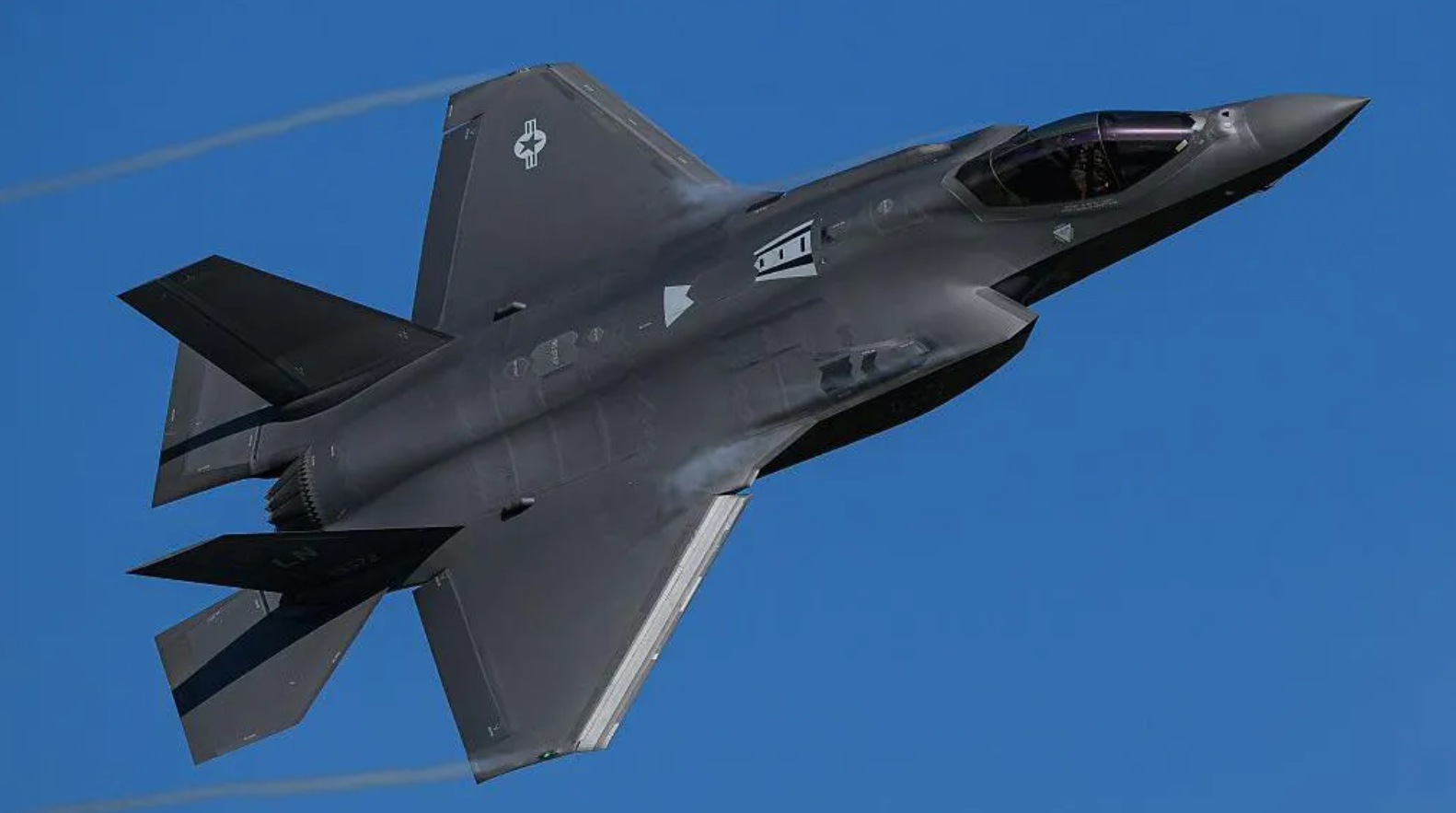
Tensions in the Middle East continue to escalate after the US military today launched airstrikes targeting missile launchers and ships suspected of deploying mines in southern Iran. This move, described by Washington as an act of "self-defense," comes as Iranian negotiators are in Doha, Qatar, to resume talks aimed at ending the months-long conflict.
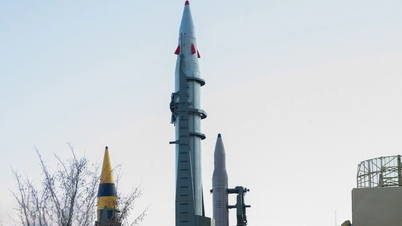
According to the U.S. Central Command (CENTCOM), the operation aimed to “protect U.S. troops from threats posed by Iranian forces.” However, the U.S. did not release details about the scale or damage of the attacks, only stating that targets included missile launchers and ships attempting to “lay mines.”
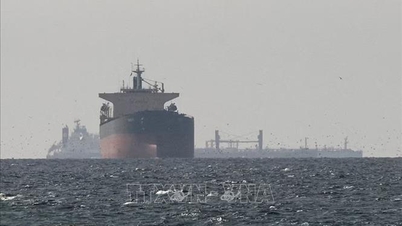
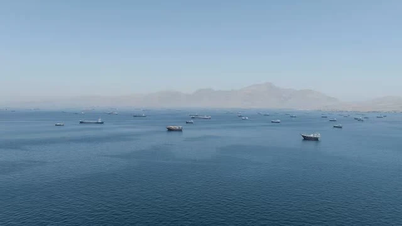
Iranian state media confirmed that several large explosions occurred near the strategically important port city of Bandar Abbas, situated on the Strait of Hormuz. While local officials insisted the situation was under control, the incident immediately raised concerns about the potential for a new wave of conflict in the already volatile region.
Pressure on the peace talks process
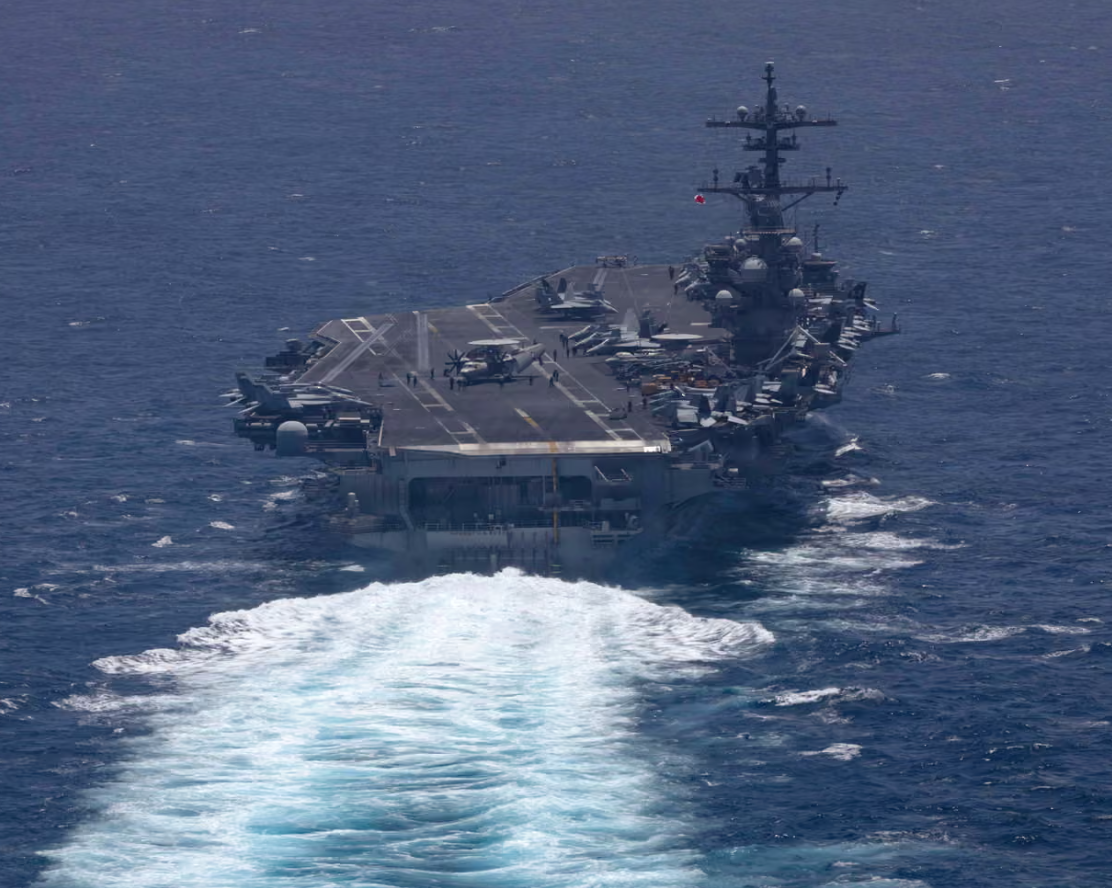
The airstrikes occurred amid a fragile ceasefire between the US and Iran, established in early April. For weeks, both sides have been pushing for negotiations to find an agreement to end the conflict and restore maritime traffic in the Strait of Hormuz.
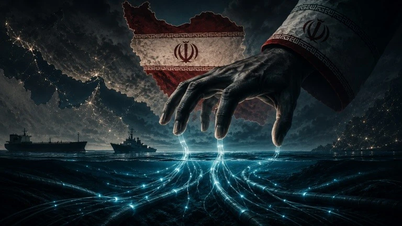
Iran's tight control over maritime activity in the region has severely disrupted global oil supplies, causing constant volatility in the energy market. Following news of the latest US attacks, world oil prices continued to fluctuate sharply, reflecting investor anxiety over the risk of prolonged instability.
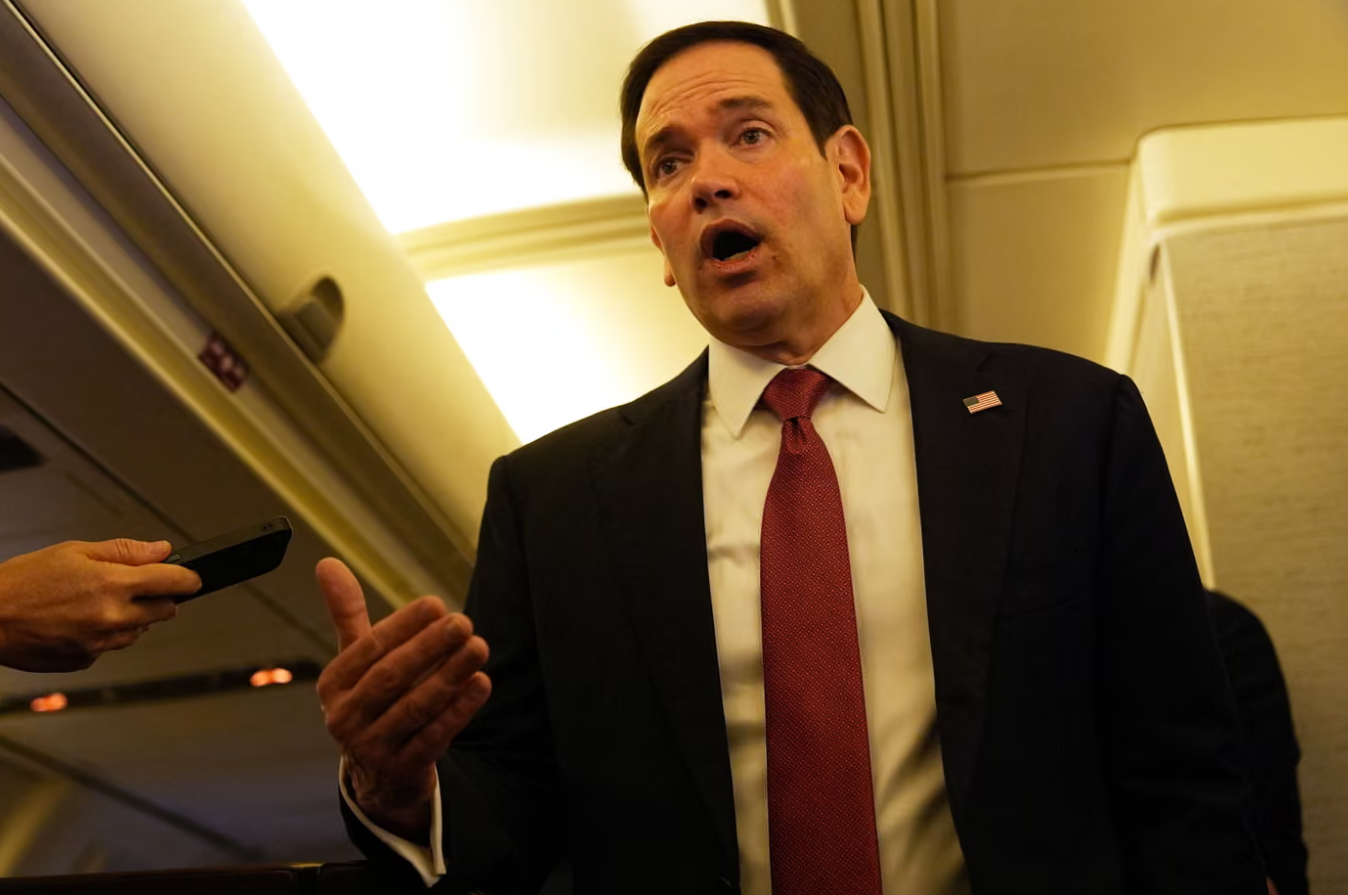
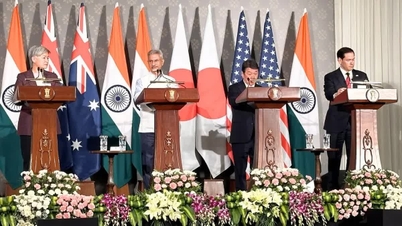
Nevertheless, Washington is still signaling that the door to diplomacy is not closed. Secretary of State Marco Rubio said that negotiations in Doha are still ongoing and that the two sides have exchanged views on "specific language" in the initial draft agreement.
“There were some talks taking place in Qatar today, so we’ll see if any progress can be made. I think there’s a lot of back-and-forth discussion about the specific language in the initial text, so it will take a few days,” Rubio told reporters during his visit to India.
"President Donald Trump wants to reach a deal. Either it will be a good deal, or there will be no deal at all."
However, the prospects for reaching a consensus are becoming increasingly complicated as demands between the parties continue to escalate. US President Donald Trump recently declared that Iran must hand over its enriched uranium to the US for destruction or disposal under international supervision. This is considered one of the toughest conditions Washington has put forward since the conflict began.
Meanwhile, Tehran insists that the issue of its nuclear program can only be discussed after an initial framework agreement is reached on ending hostilities and lifting pressure measures.
The Middle East faces the risk of escalating conflict.
The regional tensions are not limited to the Iran issue; developments in Lebanon have also heightened the situation. Israeli Prime Minister Benjamin Netanyahu recently announced he would intensify the military campaign against Hezbollah, a force backed by Iran.
Netanyahu said he had ordered the military to “further accelerate” military operations after accusing Hezbollah of carrying out drone attacks against Israeli forces.
This move risks further complicating the peace process, as Iran has long demanded that any peace agreement include an end to the conflict in Lebanon.
Simultaneously, President Donald Trump also continued to push for the expansion of the Abraham Accords – the normalization agreement with Israel brokered by the US since 2020. He called on a number of Middle Eastern countries, including Saudi Arabia, Qatar, Egypt, and Jordan, to join this framework as part of a peaceful solution with Iran.
However, many Arab nations remain cautious. Saudi Arabia and Qatar have repeatedly emphasized that they will not normalize relations with Israel until an independent Palestinian state is established.
In this context, instead of airstrikes, international opinion expects the parties involved to exercise restraint, prioritize dialogue, and seek a long-term stabilization mechanism to prevent the Middle East from further spiraling into a new cycle of instability.
Source: https://daibieunhandan.vn/my-tan-cong-iran-giua-luc-dam-phan-o-doha-10418134.html

![[Photo] General Secretary and President To Lam presides over the meeting to approve the draft report on the results of the second inspection by the Politburo of the Standing Committee of the Hanoi City Party Committee.](https://vphoto.vietnam.vn/thumb/1200x675/vietnam/resource/IMAGE/2026/05/26/1779789811432_a2-bnd-4430-9620-jpg.webp)











































































Comment (0)