

To better utilize the EVFTA and meet EU greening regulations, there is no alternative but to enhance the value of export products instead of focusing on outsourcing.
Despite its small population, the Nordic market boasts impressive import figures and stable growth. Vietnam's exports to the Nordic region are currently quite small, therefore, the Nordic market holds significant potential for Vietnamese businesses to explore.
However, penetrating this market more deeply is not easy for Vietnamese goods due to its small size, long geographical distance, and stringent quality standards, even higher than those of some EU countries. Nevertheless, experts believe that, in addition to traditional markets, Vietnamese businesses can boost exports to potential niche markets.
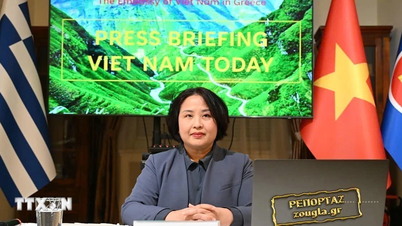
Recently, Ms. Nguyen Thi Hoang Thuy, Commercial Counselor of the Vietnamese Trade Office in Sweden, also responsible for the Nordic countries, had an exchange with a reporter from the Industry and Trade Newspaper about the potential of the Swedish and Nordic markets.
 |
| Ms. Nguyen Thi Hoang Thuy - Commercial Counselor, Vietnam Trade Office in Sweden, concurrently covering the Nordic countries. |
According to you, how important is accessing market information in Northern Europe in particular and the EU in general for Vietnamese businesses? What limitations are Vietnamese businesses currently facing when seeking information about this regional market?
Gathering market information is a crucial first step for businesses to formulate effective and sustainable business strategies. This is especially true for leveraging the Vietnam-EU Free Trade Agreement (EVFTA), making information gathering more critical than ever. The EVFTA has provided significant tariff advantages, facilitating the entry of Vietnamese goods into the EU market.
However, to take advantage of these benefits, businesses need to thoroughly understand the quality standards, legal regulations, and consumer preferences in the EU – one of the most demanding markets in the world . Accurate and timely information not only helps businesses develop appropriate strategies but also optimizes the supply chain, minimizes risks, and creates a sustainable competitive advantage in a globalized environment.
Despite recognizing the importance of market information, Vietnamese businesses, especially small and medium-sized enterprises (SMEs), still face many limitations in accessing and utilizing information about the EU market. One of the biggest obstacles is the lack of skills and capacity in processing the large volume of data from the abundant information sources provided by the EU.
Portals like Access2Markets and CBI (Centre for the Promotion of Imports) provide a wealth of useful data, ranging from legal regulations and quality standards to consumer trends and import requirements. However, this information is often general in nature, requiring businesses to have the ability to analyze and apply it appropriately to their specific industry or product. This creates a significant barrier for Vietnamese businesses, which still have limited dedicated market research teams.
Many small and medium-sized enterprises (SMEs) in Vietnam lack experience in using online tools or do not have sufficient resources to invest in systematic market research. Instead of using platforms like Access2Markets or CBI to find insights, they often rely on unofficial or speculative data sources.
This not only reduces the quality of information but also negatively impacts business strategy planning. Furthermore, more detailed reports or in-depth information are often only available through paid services or by requiring participation in consulting programs, adding further financial pressure on small businesses that already have limited resources.
Furthermore, the fragmentation of information sources makes aggregation and analysis complex. Businesses often have to seek information from multiple sources, including reports from international organizations, data from local partners, and trade fairs. However, cross-referencing and processing information from multiple sources requires specialized analytical skills that not all businesses possess.
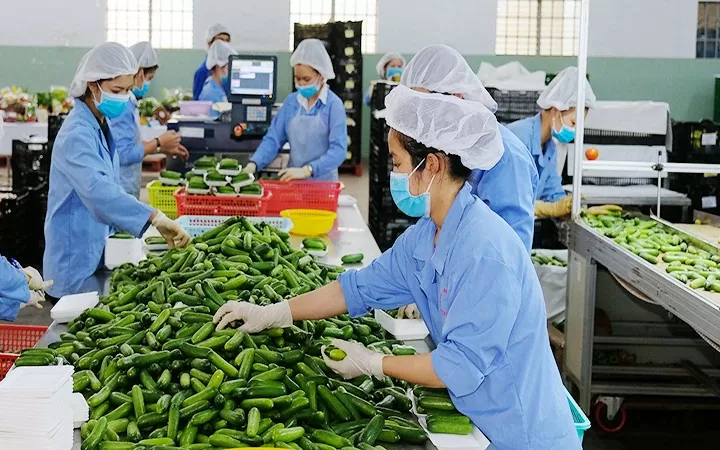 |
| Domestic businesses still lack dedicated market research teams. Photo: Khanh Dung |
Overall, although the EU has built a very rich and useful information system to support businesses in accessing the market, effectively utilizing these resources remains a major challenge for Vietnamese businesses. Limitations in skills, language, finance, and synchronization in information access are the main barriers that need to be overcome.
This not only affects the ability to penetrate the EU market but also reduces the international competitiveness of Vietnamese goods. In the context of globalization and increasingly fierce competition, improving the ability to access market information will be key for Vietnamese businesses to succeed in the European market.
Yes, Madam, according to assessments, Vietnamese businesses often face many difficulties when participating in the international market due to ineffective customer outreach, frequently losing contact with customers after sending samples and quotations; and failing to achieve desired results during and after participating in international trade fairs. Regarding this issue, what recommendations do you have for businesses?
To improve the effectiveness of reaching international customers and better capitalize on opportunities from trade fairs, Vietnamese businesses need to change their approach, build systematic strategies, and enhance their professional capabilities throughout the entire transaction process, from preparation and execution to maintaining relationships after initial contact.
One of the first crucial elements is thorough research of the target market before embarking on any commercial activity. Businesses need to analyze the characteristics of the market, the specific needs of each customer group, and how their products or services can meet those requirements. Understanding this information will help businesses set specific goals and develop appropriate approaches, rather than simply participating passively or experimentally.
A common challenge faced by many Vietnamese businesses is losing contact with customers after sending samples or quotations. This often stems from a lack of a robust follow-up process. To overcome this, businesses need to build a customer relationship management (CRM) system to track each stage of the transaction, from initial contact to completion.
This system not only helps businesses maintain contact but also facilitates product updates, thank-you emails, or personalized promotional campaigns to keep customers engaged. In addition, businesses should establish a clear follow-up schedule to avoid customers feeling neglected or under-cared for.
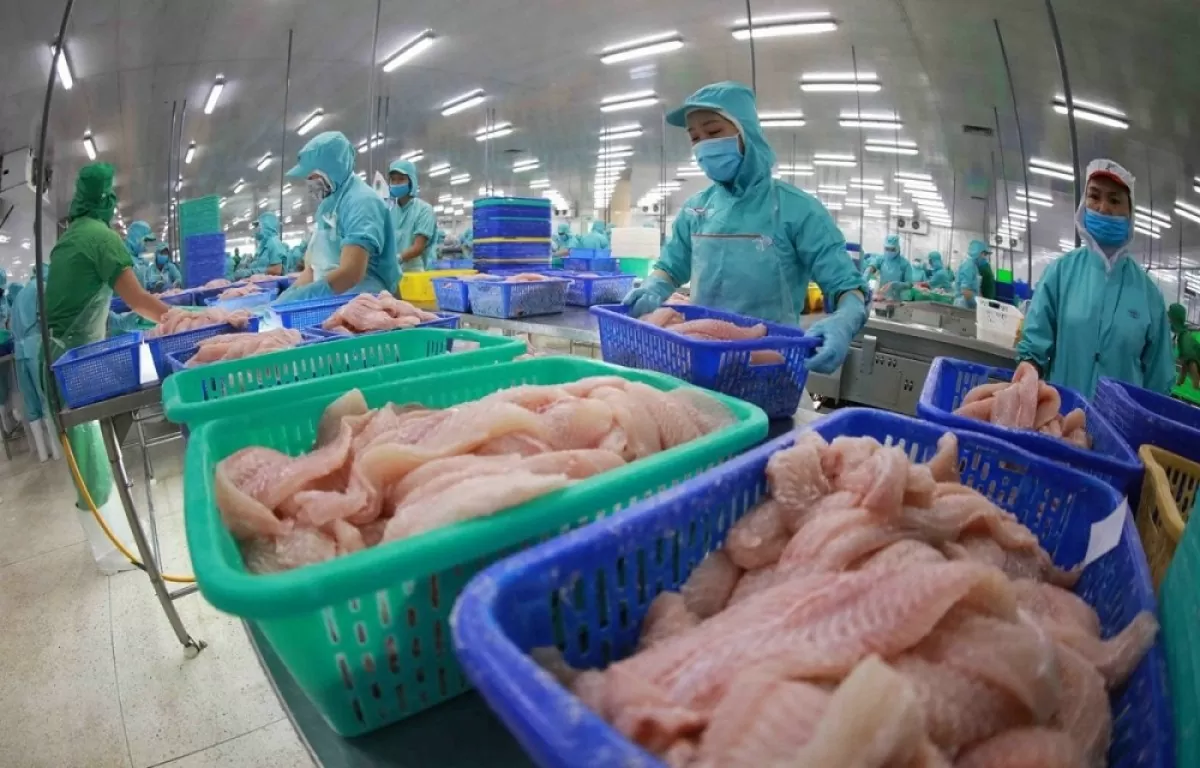 |
| To better utilize the EVFTA, there is no other way than to increase the value of export products instead of focusing on processing. Photo: Ngoc Hien |
Leveraging technology to maintain connections with international customers is also crucial. Digital platforms such as email, social media, or online conferencing tools not only make it easier for businesses to connect with partners but also serve as channels for introducing new products, providing updates, and listening to customer feedback. For example, after a trade show, a business can organize an online product presentation to reinforce the information presented at the event and create opportunities to reach customers who could not attend in person.
Vietnamese businesses also need to regularly evaluate the effectiveness of their customer outreach activities and participation in trade fairs. This includes analyzing the results achieved after each event, identifying success factors, and learning from weaknesses. For example, if a trade fair does not generate potential orders, the business needs to consider whether they chose the right event, whether their customer outreach methods were appropriate, and whether their products met the needs of the target market. This analysis not only helps improve future effectiveness but also helps businesses adjust their business strategies to achieve better results.
Finally, businesses should leverage support from trade promotion organizations, industry associations, or Vietnamese representative offices abroad. These organizations not only provide valuable market information but can also help businesses connect with suitable partners, reducing the time and cost of customer acquisition. Close collaboration with these organizations will provide significant advantages for businesses, especially in building long-term relationships and strengthening their reputation in the international market.
Besides the issue of greening, Vietnam's exports to the EU mainly consist of agricultural, forestry, and aquatic products, textiles, and footwear... These are all items that are easily subject to non-tariff barriers and anti-dumping lawsuits from the EU. The reason is that most of these goods are processed goods with low prices, and low prices are one of the key factors for the EU to investigate and initiate anti-dumping cases. To avoid these barriers or protectionist measures from the EU, what recommendations do you have for exporting businesses?
Vietnamese businesses exporting to the EU, particularly in the agricultural, forestry, fisheries, textile, and footwear sectors, are facing non-tariff barriers and the risk of anti-dumping lawsuits. The main reason lies in the nature of processing production with low added value, resulting in export prices lower than the average value of the EU market.
This not only creates the risk of anti-dumping investigations but also reduces the competitiveness of Vietnamese products. To minimize these risks, businesses need to focus on strategic measures to enhance product value, increase transparency in production processes, and strictly adhere to international standards.
One of the key solutions is to increase the added value of export products. Instead of focusing on basic processing, businesses need to invest in advanced processing technology and develop differentiated products.
For example, in the wood industry, instead of exporting raw materials or unfinished products, businesses should focus on producing high-end furniture with unique designs, or smart furniture incorporating technology, to meet the tastes of EU consumers.
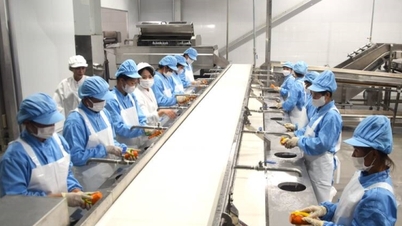
For agricultural and aquatic products, processing them into value-added products such as canned foods, ready-to-eat meals, or organic products will also help increase export value and reduce the risk of being suspected of dumping.
Another important strategy is diversifying product portfolios and export markets. Over-reliance on a single product or market makes businesses vulnerable to protectionist measures. By expanding into markets outside the EU or developing new product lines, businesses can reduce competitive pressure and optimize resources.
To avoid anti-dumping lawsuits, businesses need to establish a transparent and fair pricing system. Prices should accurately reflect the true value of the product, including production costs, transportation costs, and added value. This not only helps businesses avoid suspicion but also builds trust with EU partners.
Finally, improving management capacity and understanding of EU legal regulations is essential. Businesses need to regularly update themselves on changes in EU trade policies and import standards. Collaborating with trade promotion organizations, industry associations, or Vietnamese trade offices in the EU can help businesses easily access information and receive support in resolving arising issues.
As an extension of the Ministry of Industry and Trade in foreign markets, could you please tell us what activities the Trade Office will undertake in the coming period to support businesses in further utilizing the benefits offered by the EVFTA Agreement, providing information support, and strengthening their brands in the Nordic market?
In the coming period, the Trade Office will continue to focus on supporting Vietnamese businesses to effectively utilize the benefits from the EVFTA Agreement, while also promoting trade, developing brands, and optimizing logistics to enhance export efficiency to the Nordic market.
One of the core tasks of the Trade Office is to provide detailed and timely market information. Through its website and Vietnamese Facebook page, the Trade Office updates at least one article daily, including a database of importing businesses categorized by industry, information on market regulations, consumer trends, business opportunities, and a list of international trade fairs. This is a valuable resource that helps Vietnamese businesses keep abreast of changes and opportunities in the Nordic market.
In addition, the Trade Office's English-language website and Facebook page also serve as a platform for Vietnamese businesses to introduce their products and brands directly to international partners, optimizing the promotion of Vietnamese goods.
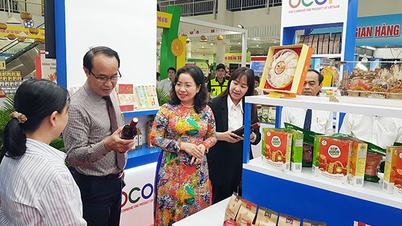
The trade mission also places special emphasis on supporting trade promotion through the organization of events such as Vietnam Trade Days and Weeks in Nordic countries. These programs create opportunities to showcase products and increase brand awareness of Vietnamese goods.
Beyond in-person events, the Trade Office also organizes online business matching sessions, leveraging technology to expand networking opportunities. These activities are particularly useful in the context of globalized trade, where the use of digital tools helps businesses save time and costs while reaching a wider range of partners.
Furthermore, the Trade Office is actively promoting logistics connectivity, especially between Vietnamese seaports and Northern Europe, to reduce shipping costs and improve supply chain efficiency. A significant step forward in this area is the new SWAN Service shipping route, announced by MSC – the world's largest container shipping company. This route will directly connect Vung Tau port with Gothenburg (Sweden) and Aarhus (Denmark) ports starting in early 2025.
This marks the first time goods from Vietnam can be transported directly to Northern Europe without intermediaries, significantly reducing logistics costs and delivery times. The trade mission is actively promoting cooperation between seaports to ensure this shipping route operates efficiently, facilitating Vietnamese businesses to expand their market share in the region.
Overall, the Trade Office's role extends beyond simply providing information or promoting trade; it also plays a crucial part in brand development, partner networking, and fostering sustainable logistics solutions. Through these diverse and practical activities, the Trade Office is committed to supporting Vietnamese businesses in maximizing the benefits of the EVFTA, enhancing competitiveness, and establishing the position of Vietnamese goods in the Nordic market – one of the most promising and demanding regions in the world.
Thank you, ma'am!
Source: https://congthuong.vn/xuat-khau-ben-vung-sang-eu-nang-cao-gia-tri-san-pham-de-thoat-kiep-gia-cong-364183.html
![[Photo] First session of the 14th Congress of the Vietnam Trade Union](https://vphoto.vietnam.vn/thumb/1200x675/vietnam/resource/IMAGE/2026/06/03/1780465947883_ndo_br_img-3852-jpg.webp)

![[Photo] Secretary of the National Assembly Party Committee, Chairman of the National Assembly presides over the meeting of the Standing Committee and Executive Committee of the National Assembly Party Committee.](https://vphoto.vietnam.vn/thumb/1200x675/vietnam/resource/IMAGE/2026/06/03/1780480353201_ndo_br_bnd-2585-jpg.webp)


![[Photo] General Secretary and President To Lam presides over a meeting with the Central Organizing Committee.](https://vphoto.vietnam.vn/thumb/1200x675/vietnam/resource/IMAGE/2026/06/03/1780482764658_a1-bnd-4741-3342-jpg.webp)








































![[Video] Sunset at Lap An Lagoon – Where the sun sets over the fishing nets](https://vphoto.vietnam.vn/thumb/1200x675/vietnam/resource/IMAGE/2026/05/31/1780192137701_beach-landscape-sea-water-nature-grass-745871-pxhere-com.jpeg)
























Comment (0)