

At Tran Phu Primary School in Luc Yen commune, physical education classes are always lively with many age-appropriate activities. On the school grounds, students enthusiastically participate in warm-up exercises, physical games, and group skill-building exercises. The cheerful and open atmosphere in each lesson not only helps students improve their physical fitness but also fosters self-confidence and a positive attitude towards learning.
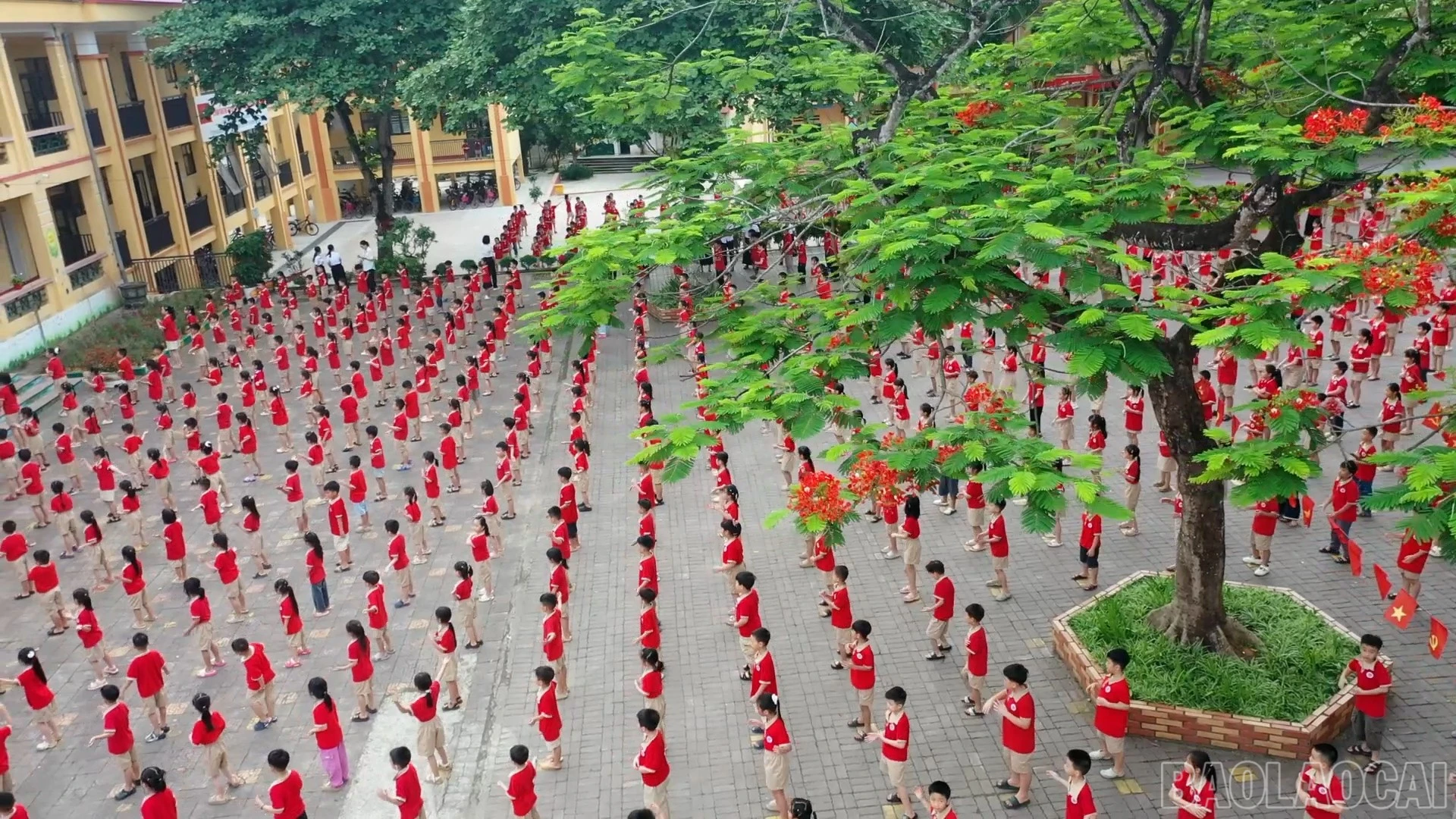
Teacher Tong Xuan Dung, a physical education teacher at Tran Phu Primary School, said that the school always focuses on innovating methods to create enthusiasm for students. Lessons are organized flexibly, combining many physical games and group activities to help students become more confident and assertive.
Teacher Dung added that for students who are not yet confident in participating in group activities, teachers regularly encourage and guide them to gradually integrate. Many students, after a period of participating in physical activities, have shown significant changes in their health, spirit, and communication skills.
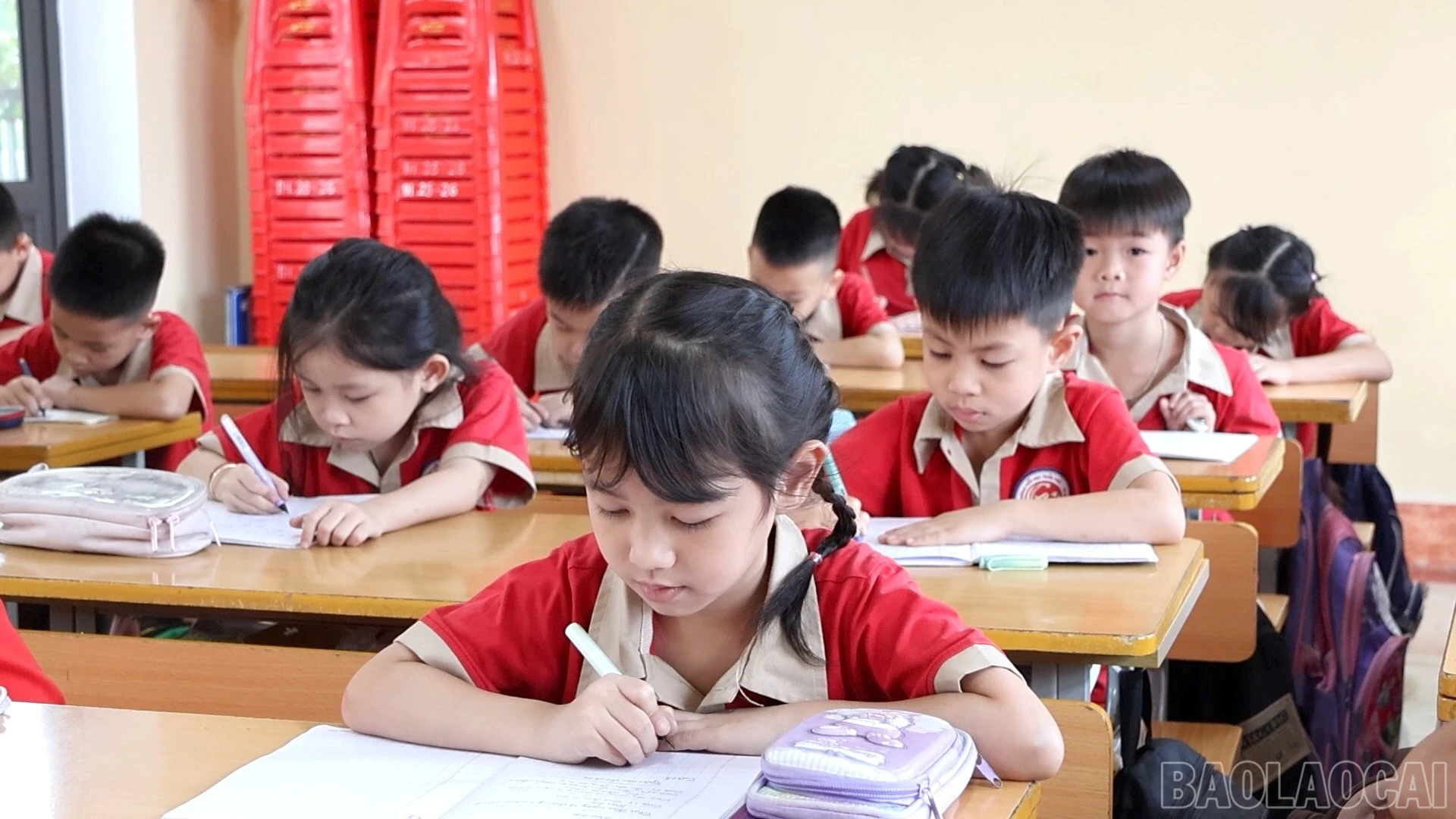
The daily inquiries and attentive care from teachers have helped students become more attached to their school, feeling loved and secure in their studies and daily lives. For many students, school is not only a place to acquire knowledge but also a second home full of sharing.
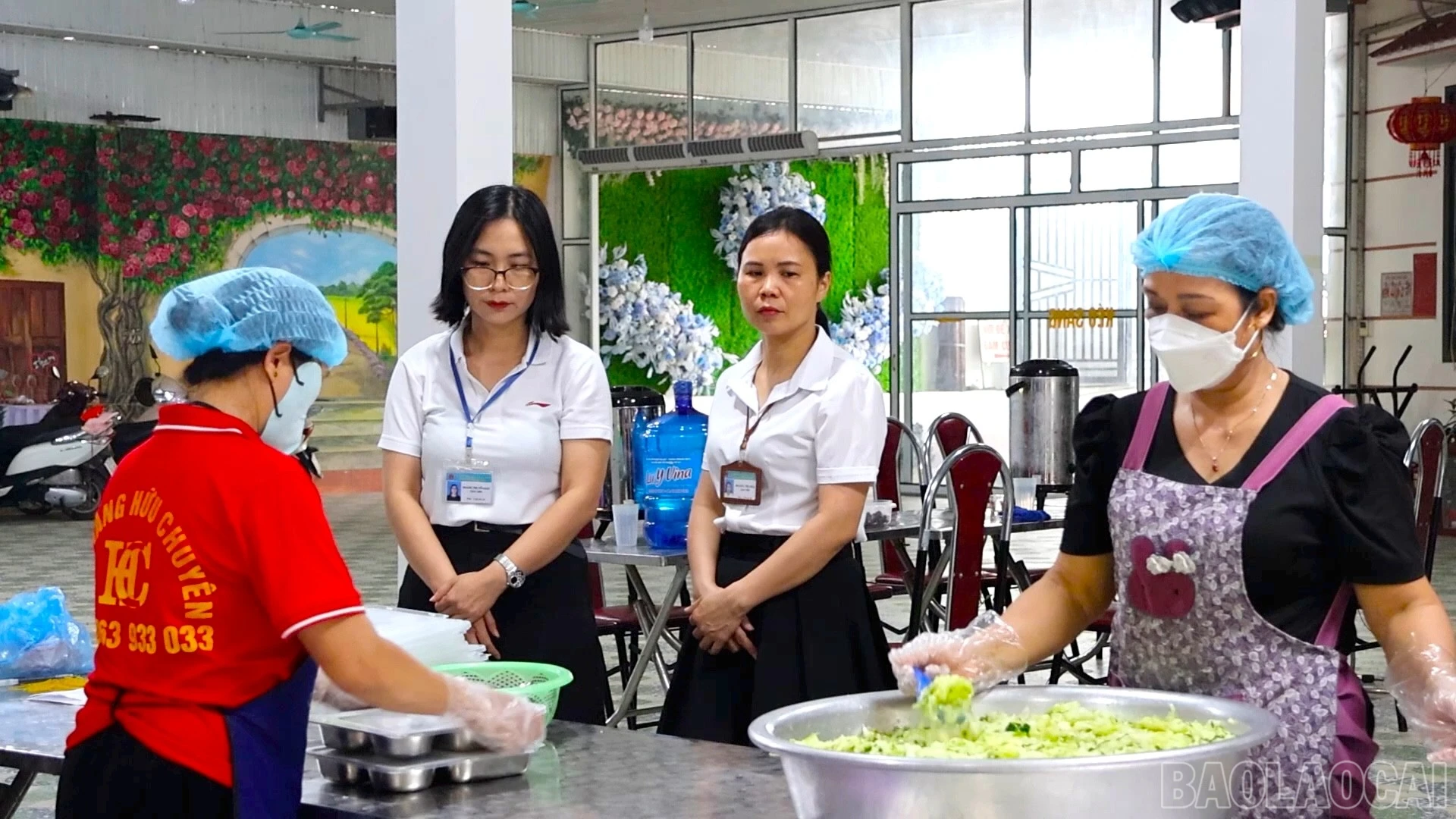
In addition to focusing on physical activity, many schools also pay attention to nutritional care for students. In schools that provide meals, menus are scientifically designed and nutritionally balanced for each age group to ensure students have enough energy for learning and development.
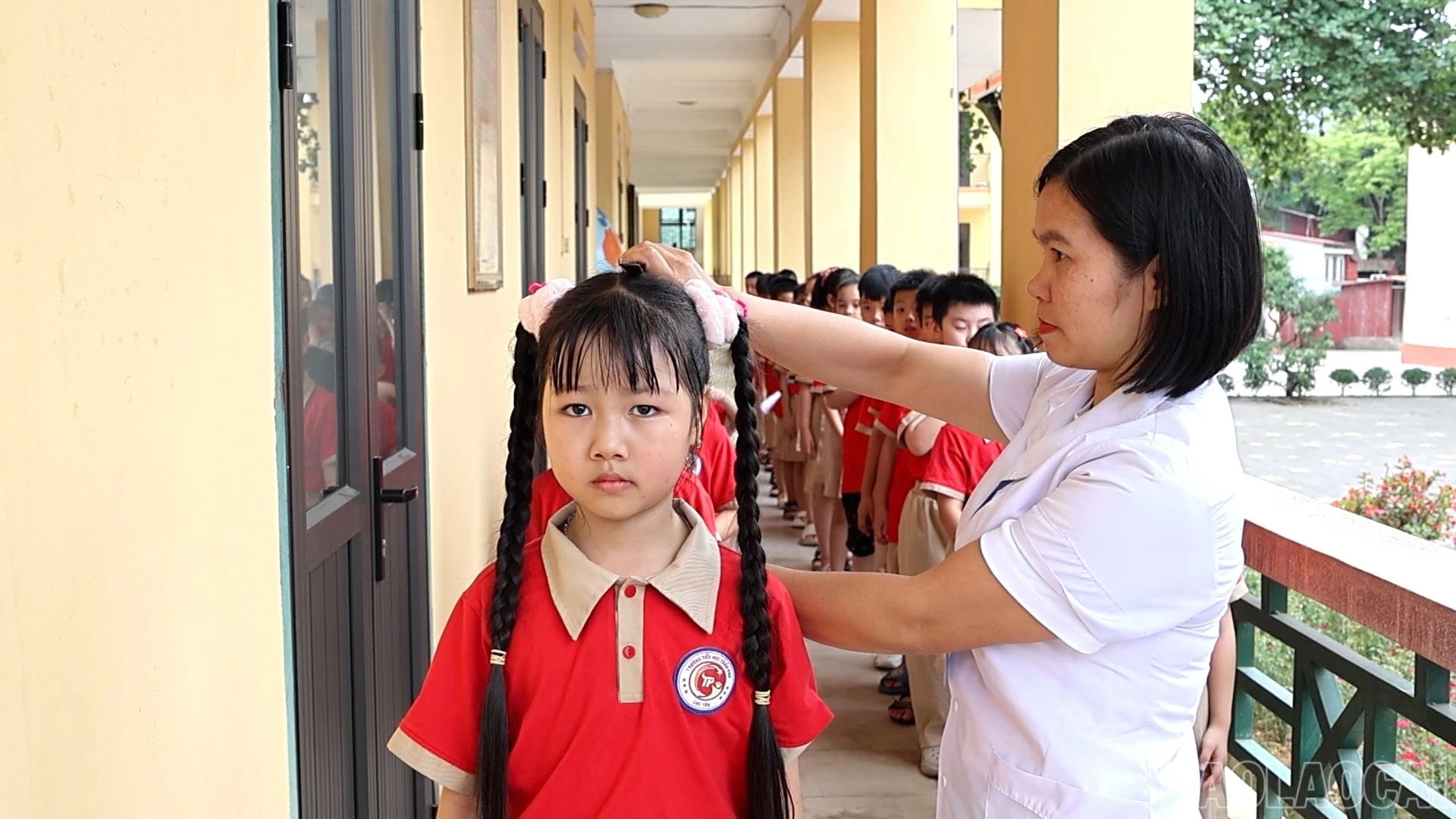
To provide comprehensive healthcare for students, Tran Phu Primary School in Luc Yen commune also strengthens the monitoring of students' physical condition through coordination between the school's health department and homeroom teachers. Regular height and weight checks help to promptly detect cases of abnormal development so that appropriate care can be provided in collaboration with families.
Hoang Thi Nho, a parent with a child studying at Tran Phu Primary School, from Hamlet 10, Luc Yen Commune, said:
"Seeing my child mature in their understanding every day makes me very happy and gives me confidence in the school," shared Ms. Hoang Thi Nho.
According to schools, improving students' physical development goes beyond physical education classes or nutritious meals; it's also about building a positive school environment that helps students develop harmoniously both physically and mentally.
In recent years, many schools have proactively renovated playgrounds and sports fields; invested in more sports equipment; and organized competitions and sports festivals to create opportunities for students to regularly engage in physical training.
Some schools also integrate life skills education, self-protection skills, and accident and injury prevention into experiential activities.
Teacher Nguyen Ba Tien from Minh Tien Primary and Secondary School in Muong Lai commune believes that physical education not only helps students improve their health but also contributes to shaping their willpower, spirit, and motivation for learning.
That perspective is also becoming a goal that many schools are striving for in the process of providing holistic education for students today.
In particular, maintaining a daily exercise routine is considered a crucial solution to improve students' physical fitness, especially since many children today tend to be less active and spend more time on electronic devices.
According to the education sector's assessment, healthcare and nutrition for children in educational institutions have seen many positive changes recently. The malnutrition rate in the first semester of the 2025-2026 school year decreased compared to the beginning of the school year, specifically: underweight malnutrition in nursery children was 6.5% (down 0.4%), and in kindergarten children was 4.7% (down 0.5%); stunting malnutrition in nursery children was 9.7% (down 0.3%), and in kindergarten children was 8.3% (down 0.4%).
These results show that children are generally ensured a proper and safe diet in their school meals; their daily routines and sleep schedules are maintained, contributing to improved physical health.
However, despite the achievements, the work of caring for and nurturing children still faces some difficulties and limitations, such as: inadequate facilities in some areas; uneven management and organizational capacity in childcare; and a lack of flexibility in developing meal plans. In particular, food safety assurance in some kitchens is not truly sustainable; and the implementation of the three-step process and food sample retention in some facilities is not yet strictly adhered to.
In reality, improving the quality of education is not solely the responsibility of the education sector, but requires the collaboration of families and society as a whole. When schools, parents, and the community work together to build a healthy living environment, children will have better conditions for development in terms of physical, mental, and life skills.
Source: https://baolaocai.vn/nang-cao-tam-voc-trong-lua-tuoi-hoc-duong-post900037.html

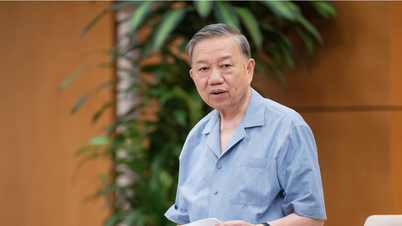
![[Photo] General Secretary and President To Lam presides over the meeting to approve the draft report on the results of the second inspection by the Politburo of the Standing Committee of the Hanoi City Party Committee.](https://vphoto.vietnam.vn/thumb/1200x675/vietnam/resource/IMAGE/2026/05/26/1779789811432_a2-bnd-4430-9620-jpg.webp)




























































Comment (0)