

 |
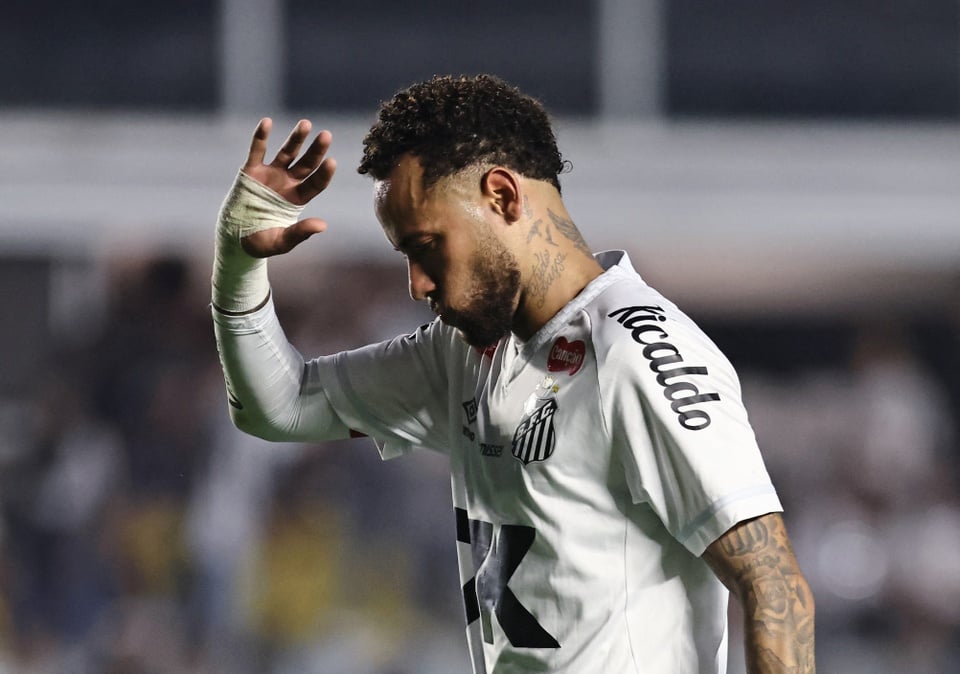
According to the latest Datafolha survey, 48% of Brazilians support Carlo Ancelotti's move to the US, Canada, and Mexico, while 41% oppose it. This seemingly simple statistic reflects a complex reality: Brazil no longer views Neymar with the same unanimous approval as it did when he was the "golden boy" of Brazilian football.
The numbers speak for themselves.
A survey of 2,004 people in 136 cities revealed a starkly divided society. Just looking at the 48% approval rate compared to 41% opposition shows that Neymar is no longer the "default" choice he once was.
With a margin of error of 2 percentage points, this difference could even be as small as 3%. In other words, Brazil is now divided into two halves: one half believes Neymar can still work miracles, the other half thinks his time is over.
Notably, this divide stems not only from emotions but also from generational perspectives. Younger fans, who grew up watching Neymar's dazzling footwork on the pitch, are still willing to give him another chance. Conversely, older audiences – those who have witnessed too many broken promises he has made while wearing the Selecao jersey – are skeptical.
Neymar was Brazil's number one hope for over a decade. In three World Cups, he carried the expectation of inheriting the legacy of Pele, Romario, Ronaldo, and Ronaldinho. However, the harsh reality: injuries, psychological pressure, and moments of inconsistency meant Neymar never lifted the World Cup trophy.
 |
Returning to Santos earlier this year, Neymar was welcomed back like a hero. The image of thousands of fans filling Vila Belmiro brought back memories of 2009, when he first rose to prominence. But after the glamour came the harsh reality: 12 matches, 3 goals, and a long list of injuries. Fans began to question: did he still have the fitness and form to enter one of the final major tournaments of his career?
The Datafolha survey clearly reflects the emotional and rational conflict within Brazilians. On one side is the memory of a star who once captivated the world with his technique and flair. On the other is the disappointment of Neymar's frequent absences during crucial moments over the years.
Coach Carlo Ancelotti certainly cannot ignore this public opinion. Calling up Neymar means he will have a player who knows how to create breakthroughs, but it also means betting on a name prone to injury and controversy. Conversely, dropping Neymar will pave the way for a new generation – Vinícius Jr, Rodrygo, Endrick – to prove themselves, but it also means leaving behind an unfinished legacy.
What does the future hold for the Selecao?
Brazil has never lacked talent. The problem lies in the selection process. Neymar, at 33, is no longer an untouchable center of the midfield, but rather a variable. If healthy, he can still provide decisive moments. But if he continues to be plagued by injuries, his presence could deprive the Selecao of the necessary flexibility.
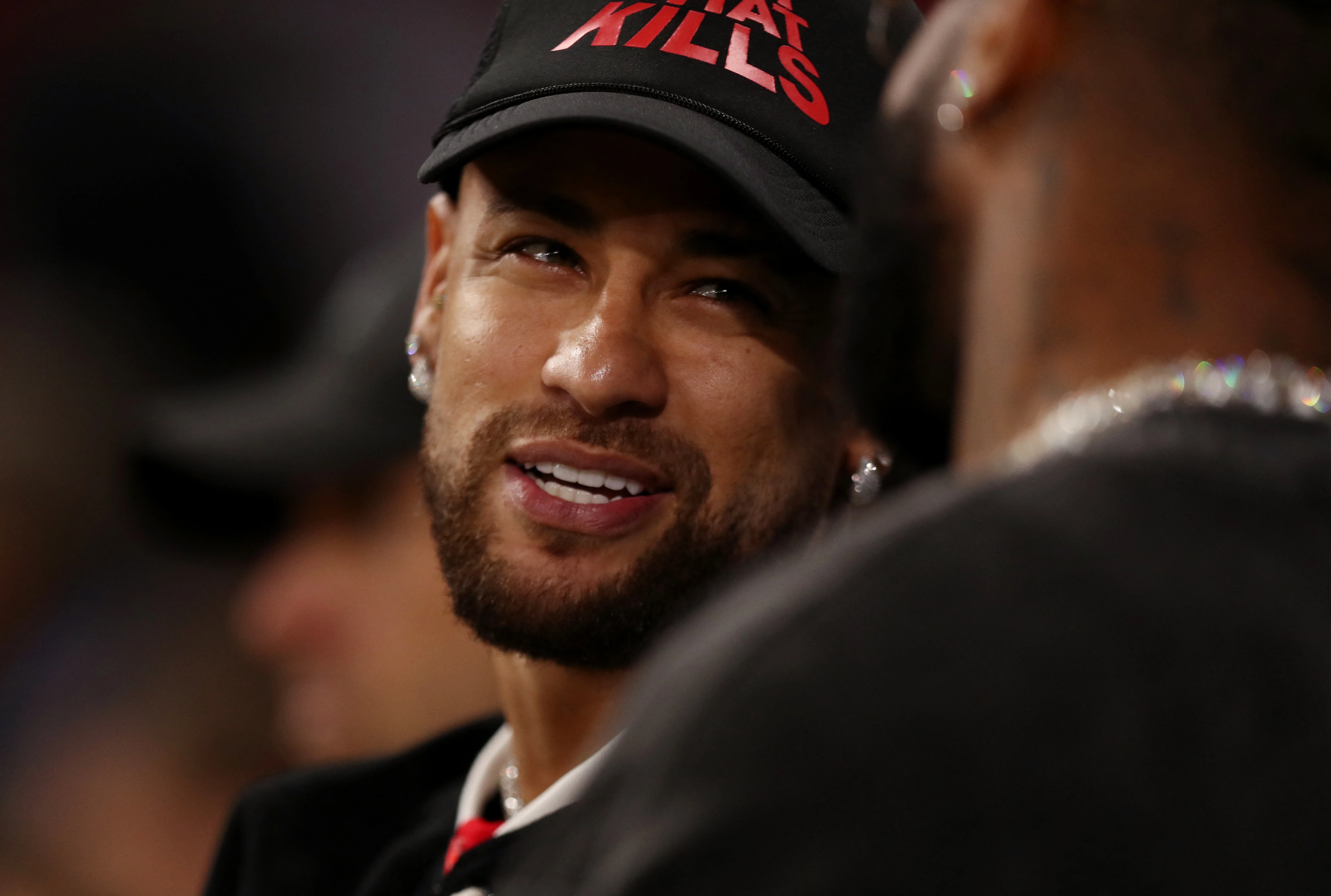 |
More importantly, Neymar's story reflects a larger truth: Brazil is desperate for a new icon capable of uniting the nation's belief. Since winning the 2002 World Cup, the "Selecao" have not rediscovered that feeling of standing at the top. Neymar was once chosen to carry that mission, but now he has become a test of Brazilian patience.
The debate surrounding Neymar isn't just about a name. It's also a question of Brazilian football identity: should the Selecao continue to rely on past glories or bravely place their faith in a new generation?
Datafolha has shown a split, but the final decision rests with Ancelotti. And if Neymar is at the 2026 World Cup, it will certainly be his last chance to prove that he is not just a brilliant star, but a worthy legend.
Source: https://znews.vn/neymar-het-thoi-post1584283.html


![[Photo] General Secretary and President To Lam receives Amazon's Senior Vice President David Zapolsky](https://vphoto.vietnam.vn/thumb/1200x675/vietnam/resource/IMAGE/2026/05/22/1779466547770_a1-bnd-3513-6601-jpg.webp)










































































Comment (0)