

 |
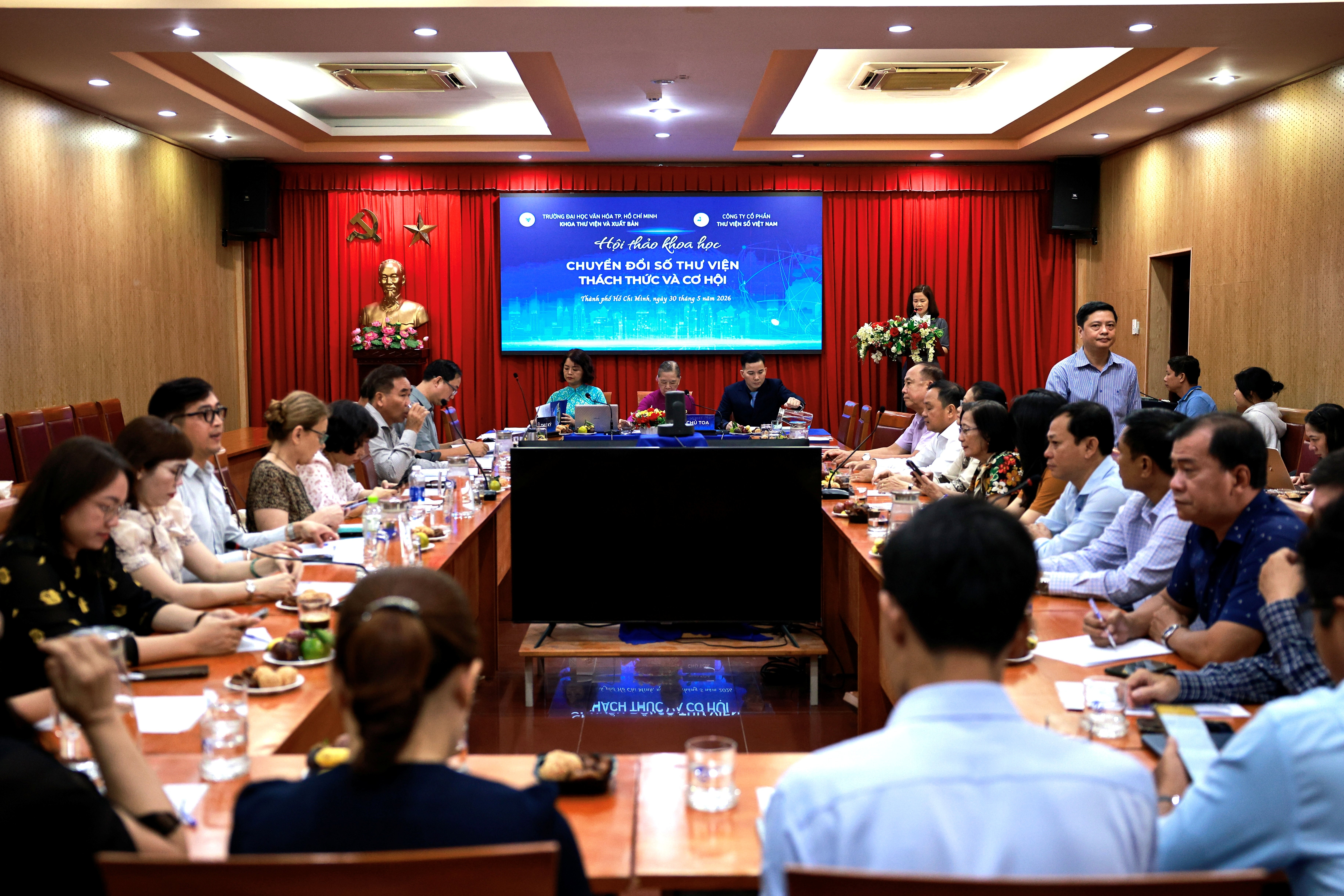
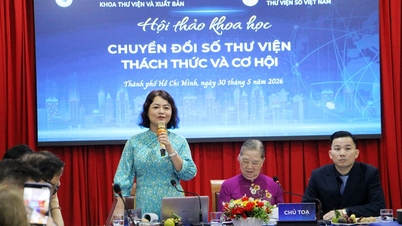
The scientific conference "Digital Transformation of Libraries: Challenges and Opportunities" was held at the Ho Chi Minh City University of Culture. Photo: ViLib . |
On May 30th, Ho Chi Minh City University of Culture, in collaboration with Vietnam Digital Library Joint Stock Company, organized a scientific conference titled "Digital Transformation of Libraries: Challenges and Opportunities".
Experts at the conference argued that in the digital age, libraries are no longer just places to store documents. Libraries are gradually shifting towards smart libraries, digital libraries, capable of organizing, managing, and exploiting information resources in a digital environment.
The library needs to be relocated.
Dr. Thai Thu Hoai, Deputy Head of the Department of Library and Publishing Studies, Ho Chi Minh City University of Culture, believes that digital transformation has become an inevitable development trend, strongly impacting many areas of economic , cultural, educational, and social life.
According to her, in Vietnam, digital transformation is not only a requirement of the country's modernization process but also a driving force for growth, innovation, and enhancing national competitiveness. In this context, the library sector faces the need for comprehensive innovation in management thinking, organizational models, and methods of providing information and library services.
"While libraries were previously primarily viewed as institutions for storing and disseminating traditional documents, they now need to be repositioned as an important part of the national digital knowledge infrastructure, playing a role in connecting, organizing, sharing, and spreading knowledge in the digital environment," said Dr. Hoai.
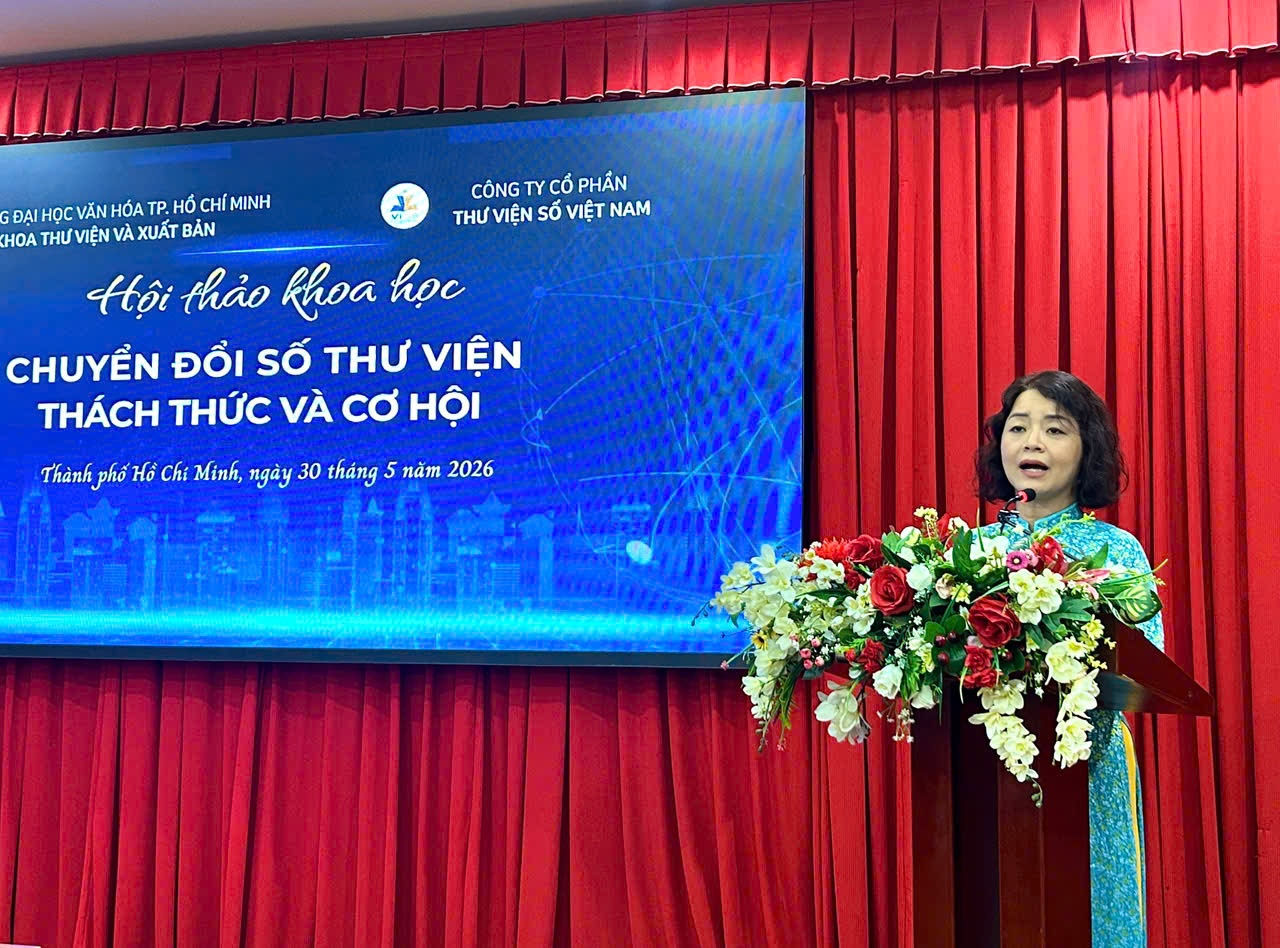 |
Dr. Thai Thu Hoai, Deputy Head of the Department of Library and Publishing, Ho Chi Minh City University of Culture, delivered the opening remarks. Photo: Kim Ngan . |
According to experts, digital transformation in libraries is not just about digitizing documents or investing in more technological equipment. This process includes innovating management models, service methods, data sharing mechanisms, and the capacity to organize and utilize knowledge.
Associate Professor Dr. Nguyen The Dung from the Ho Chi Minh City University of Culture believes that developing digital libraries is an opportunity to improve access to knowledge, promote lifelong learning, and bridge the digital divide.
"Developing a digital library is not simply about digitizing documents or investing in technology, but rather a comprehensive process of innovation in management, organization of information resources, and methods of serving library users," Mr. Dung said.
He argued that the effectiveness of digital libraries does not depend entirely on the size of each individual library, but primarily on the ability to cooperate, connect, and share data between different units. If implemented synchronously in terms of institutions, technology, data, human resources, and service models, digital libraries can become an important driving force in developing a reading culture and building a learning society.
However, experts also pointed out many challenges in the digital transformation process of libraries. These include inconsistent technological infrastructure, scattered data, lack of interoperability mechanisms, copyright issues, and limitations in the IT capabilities of library staff.
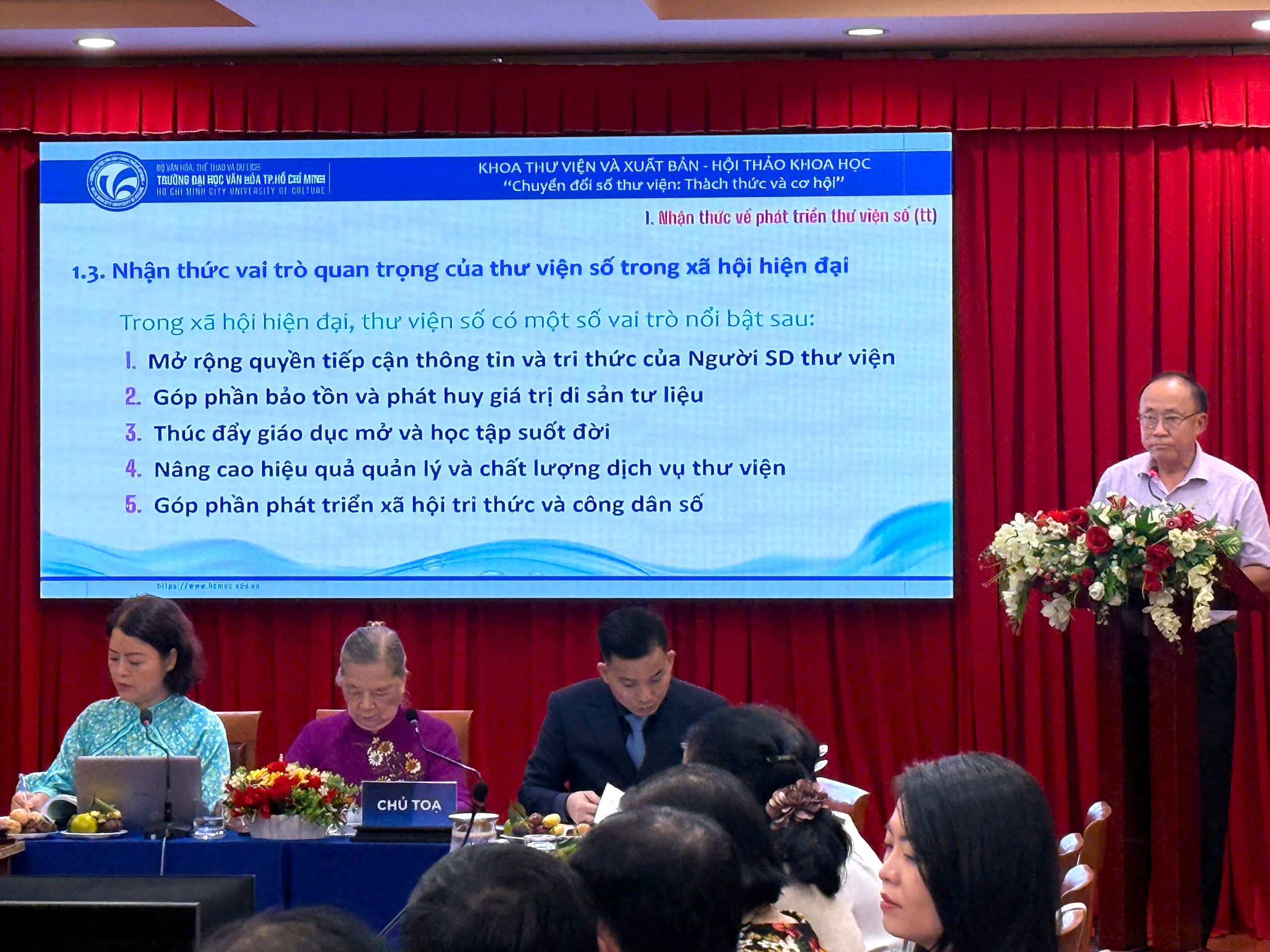 |
Associate Professor Dr. Nguyen The Dung, Ho Chi Minh City University of Culture, analyzes the importance of digital transformation in the library sector. Photo: Huong Tran . |
Find a model for a shared digital library.
One topic that attracted attention at the workshop was the proposal to build a national-scale shared digital library model. According to Mr. Nguyen Anh Dung, Founder and Chairman of the Vietnam Digital Library (ViLIB), the major bottleneck in the library sector today is not a lack of resources, but rather the fragmentation of resources and the lack of an effective interoperability mechanism.
"If Vietnam wants to build a learning society in the digital age, we need to think about a shared digital knowledge infrastructure on a national scale," Mr. Dung said.
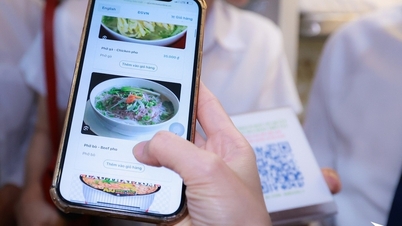
According to its introduction, ViLIB is positioned as a shared digital library platform available on both app and website, connecting local libraries, publishers, research institutes, and educational institutions within a unified system.
This model does not replace the functions of the basic library or publisher, but provides a technological infrastructure so that units can manage resources, control access, identify resources, and organize the legal exploitation of digital resources. The formation of a shared platform is expected to help limit the situation where each library invests in its own infrastructure, which is costly and lacks interoperability.
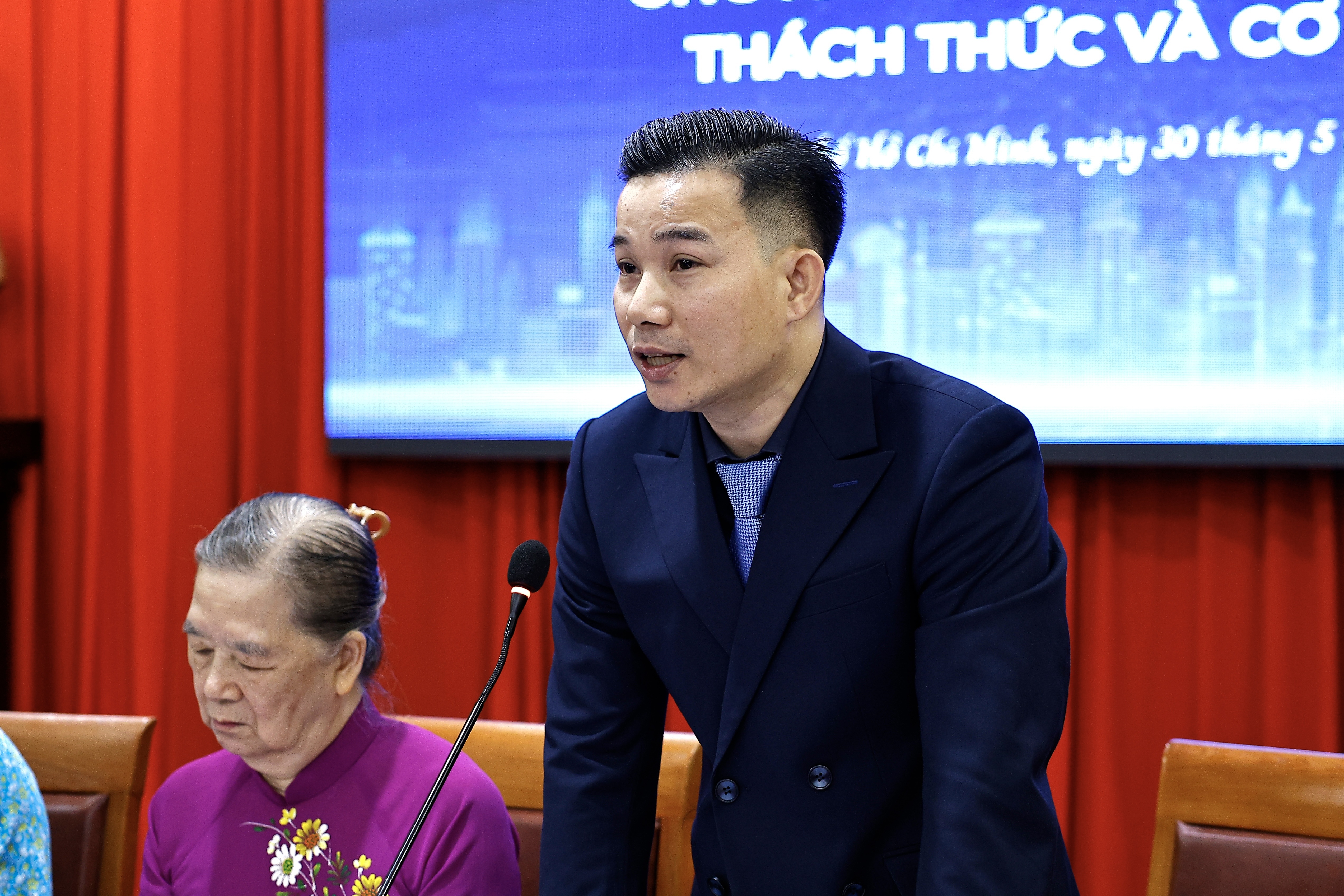 |
Mr. Nguyen Anh Dung, Founder and Chairman of the Vietnam Digital Library (ViLIB), speaks about the model of a national-scale shared digital library. Photo: ViLib . |
From the perspective of public libraries, Mr. Vinh Quoc Bao, Deputy Director of the Ho Chi Minh City General Science Library, believes that in the context of Ho Chi Minh City operating under a two-tiered local government model, accelerating digital transformation is an unavoidable requirement.
According to Mr. Bao, the Ho Chi Minh City General Science Library needs to play the role of a core library, managing, supporting, and providing services to the library system at the ward and commune levels. The proposed model is "centralized infrastructure, decentralized services," in which technical infrastructure and data are centralized, while services are delivered directly to the community.
Ward and commune libraries can function as "smart branches," equipped with search devices, internet connectivity, support for on-site digital document reading, and digital skills training for residents.
“Public libraries exist not because of their book collections or technological infrastructure, but because of their communities. When digital transformation truly puts the community at the center, not technology, the new Ho Chi Minh City public library will become one of the city’s most powerful and beloved knowledge institutions,” Mr. Bao analyzed.
Experts agree that digital transformation of libraries is a long process requiring coordination among management agencies, library systems, publishers, technology companies, and the user community. Once barriers related to infrastructure, data, copyright, and human resources are removed, digital libraries can become an important part of the national knowledge infrastructure.
Source: https://znews.vn/nganh-thu-vien-tphcm-tim-duong-chuyen-doi-so-post1655578.html


![[Image] Nearly 125,000 Hanoi students completed the Literature exam for the 10th grade entrance exam.](https://vphoto.vietnam.vn/thumb/1200x675/vietnam/resource/IMAGE/2026/05/30/1780117233041_ndo_br_thiet-ke-chua-co-ten-2-png.webp)























































































Comment (0)