

According to research published in the journal Nature , scientists believe that sleep not only affects the brain but is also related to the health of many other organs in the body.
The analysis used data from approximately 500,000 people in the UK along with machine learning technology to identify signs of biological aging in 17 organs. The results showed that those who slept less than 6 hours or more than 8 hours per day showed signs of biological aging faster than those who slept between 6.4 and 7.8 hours.
“Sleep is fundamental to healthy aging and longevity. More importantly, it’s a modifiable factor,” Associate Professor Junhao Wen, who works at Columbia University (USA) and is the lead author of the study, told Healthline .
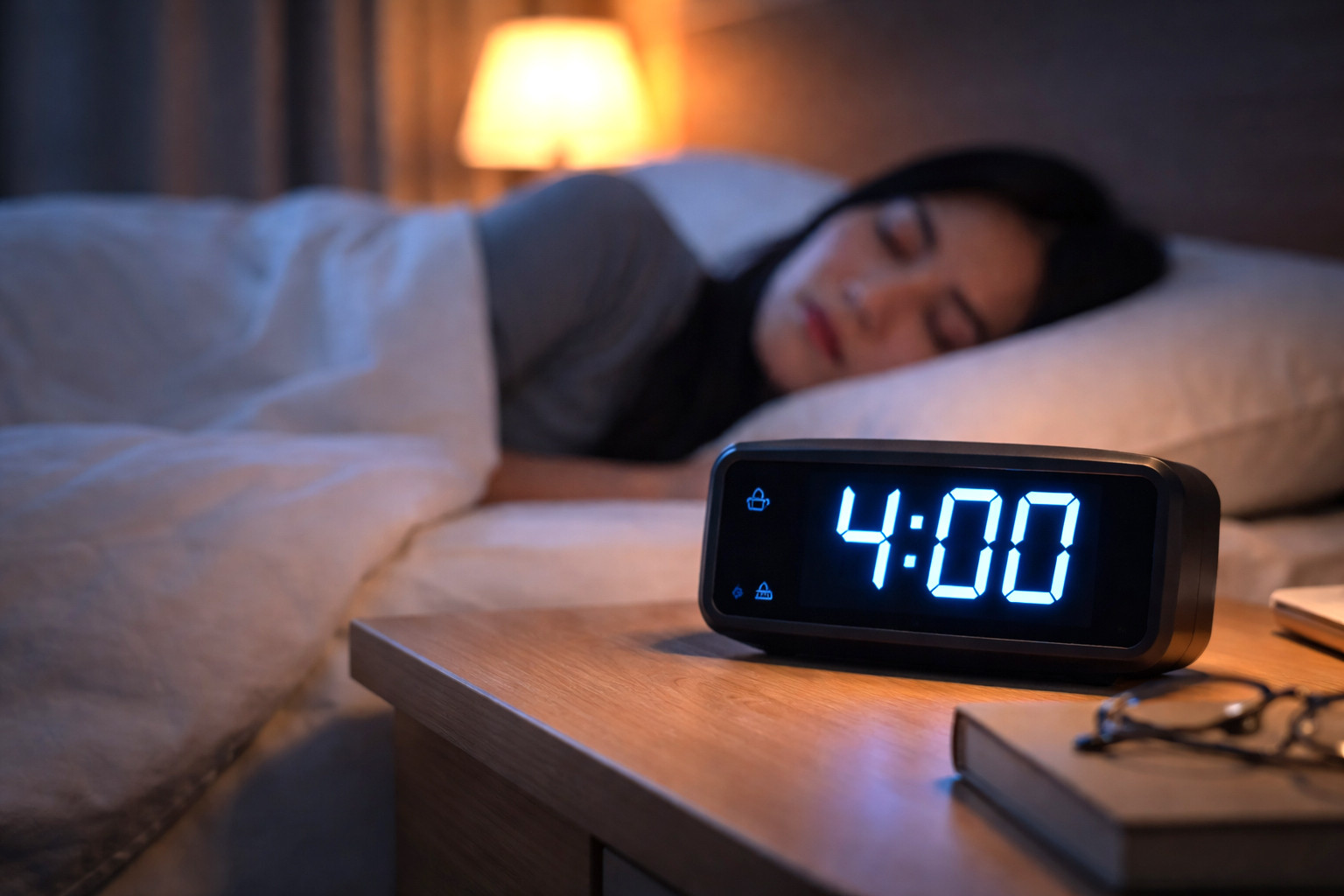
According to the authors, the results suggest that both sleeping too little and sleeping too much may be associated with poorer overall health.
Dr. Sarathi Bhattacharyya, a respiratory and sleep specialist from the US, says that lack of sleep can disrupt immune regulation and increase inflammation in the body. This affects tissue repair and metabolic balance.
"Lack of sleep also disrupts glucose regulation and overall energy balance. Furthermore, insufficient sleep increases sympathetic nervous system activity, which can accelerate cellular aging in many organs," said Dr. Bhattacharyya.
The study also noted a link between sleep and many chronic diseases. Sleeping too little has been linked to depression, anxiety, obesity, type 2 diabetes, hypertension, ischemic heart disease, and arrhythmias.
Dr. Alex Dimitriu, a psychiatrist and sleep specialist in the US, suggests that sleep deprivation is often caused by prolonged stress and anxiety. "This can increase blood pressure, cortisol, and blood sugar, all of which have adverse long-term effects," Dr. Dimitriu explains.
Additionally, both too little and too much sleep have been found to be linked to chronic obstructive pulmonary disease, asthma, and digestive disorders such as gastroesophageal reflux or gastritis. However, according to Dr. Dimitriu, excessive sleep is often a symptom of underlying health problems rather than a direct cause of illness.
Experts recommend that people maintain a regular sleep schedule, limit the use of electronic devices in the evening, go to bed early, and keep a fixed wake-up time each day to stabilize their circadian rhythm and improve sleep quality.
Source: https://vietnamnet.vn/ngu-trong-thoi-gian-bao-lau-tot-cho-nao-bo-giup-tre-lau-2519994.html
































![[Photo] Reception to welcome General Secretary and President To Lam and his wife on their State visit to the Philippines](https://vphoto.vietnam.vn/thumb/1200x675/vietnam/resource/IMAGE/2026/06/01/1780295488620_vna-potal-chieu-dai-chao-mung-tong-bi-thu-chu-tich-nuoc-to-lam-va-phu-nhan-tham-cap-nha-nuoc-toi-philippines-8798060-7855-jpg.webp)















































































Comment (0)