

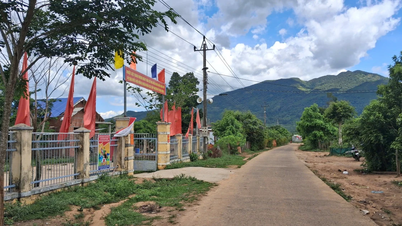
Mr. Siu Kem (65 years old, the village elder of Grôn) has witnessed the changes in the village over the years. Leading us along the concrete road connecting the main road to the cluster of residents who once lived in isolation due to the stigma of leprosy, he recounted: The entire village now has 356 households, more than 1,000 inhabitants, with nearly 80% being Jrai people.
Previously, accessing the village required traversing a rubber forest and then a rough dirt road. In early 2025, the commune invested in building a new road. This residential cluster also voluntarily donated approximately 400 m² of land and contributed labor to the road construction.
Speaking about the cluster of former leprosy sufferers at the end of the village, old man Kem said: "They no longer stay confined to the village as before. Many have boldly gone to work as laborers, construction workers, or contracted to tap rubber trees in Team 10, Economic -Defense Group 75 (Army Corps 15)."
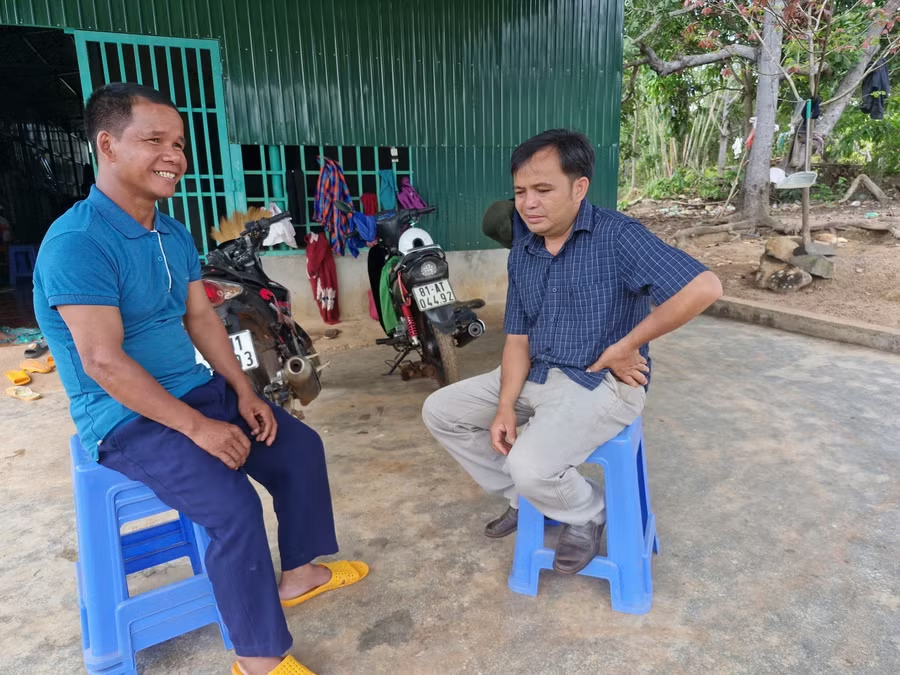
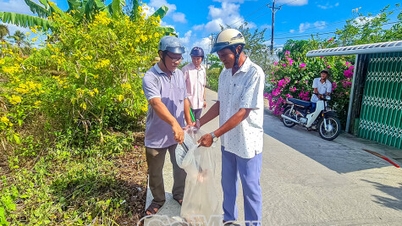
Welcoming us into his well-built house situated along a concrete road, surrounded by lush green hibiscus hedges, Mr. Rơ Chăm Gam – a resident of the community who once felt ashamed because of leprosy – said: “To earn money to build this house, I saved up for many years working as a construction worker and in agriculture .”
"You have to work to earn a living; relying on support makes it difficult to improve your life. Now, many people have overcome their inferiority complex and are working in various places instead of living in isolation like before."
Over 20 years ago, 17 families with leprosy patients chose to live on a plot of land at the end of the village, at the end of the stream, away from the community. Today, many families have settled down, their children have grown up and started their own families, so this cluster now has 26 households with over 100 inhabitants.
The lives of the people are improving day by day. Their children are able to attend school, some even completing high school; electricity and roads have been built right in their area. With the attention of the Party committee, the government, and various organizations, the people are gradually overcoming their inferiority complex and integrating into the community.
Kpuih Đêm (25 years old) is a second-generation resident. Like many other young men, he overcame the stigma of having a family member with leprosy to work as a construction worker and then married someone from outside the village.
“At first, many people worried about catching leprosy from living in a family with members who had the disease, but I explained that the parents' illness doesn't affect the children. Now my wife and I have just built a house worth over 600 million VND,” said Mr. Dem.
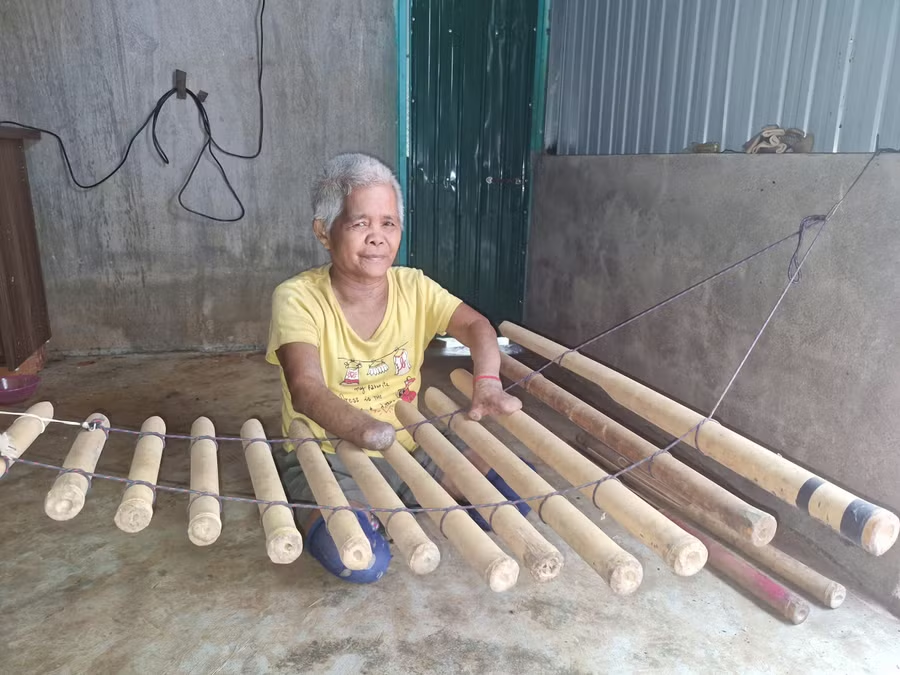
It's not just young people striving to improve their lives; many people suffering from the aftereffects of leprosy are also trying to work to stabilize their existence. Mr. Siu Bin, who has lost a leg and has impaired hands, still weaves baskets and makes t'rưng musical instruments to sell.
"I used to feel ashamed and didn't want to do anything. Later, the government encouraged me, telling me to try to do whatever I could to live a useful life, so I started weaving baskets and making musical instruments."
"It was difficult at first because my hands and feet were no longer intact, but I got used to it. From weaving and making musical instruments, I earn nearly 2 million dong extra each month," Mr. Siu Bin confided.
Mr. Pham Van Cuong, Secretary of the Party Committee of Duc Co commune, said: "Previously, due to feelings of shame about their illnesses, the people in this residential area lived quite isolated lives. But thanks to the attention of the local government and the efforts of the people to improve their lives, life here is changing for the better."
Despite facing many difficulties, with 9 poor households and 8 near-poor households remaining in this community, having overcome their feelings of inferiority, they are confident that they will strive to achieve a stable life.
Source: https://baogialai.com.vn/nguoi-lang-gron-vuot-qua-mac-cam-post588084.html



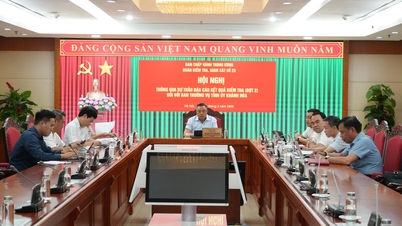
![[Photo] General Secretary and President To Lam presides over the meeting to approve the draft report on the results of the second inspection by the Politburo of the Standing Committee of the Hanoi City Party Committee.](https://vphoto.vietnam.vn/thumb/1200x675/vietnam/resource/IMAGE/2026/05/26/1779789811432_a2-bnd-4430-9620-jpg.webp)



































































Comment (0)