

From community-based tourism and traditional crafts to the exploitation of local products, linking cultural preservation with livelihoods is opening up a suitable path, contributing to improving people's lives and preserving national identity.
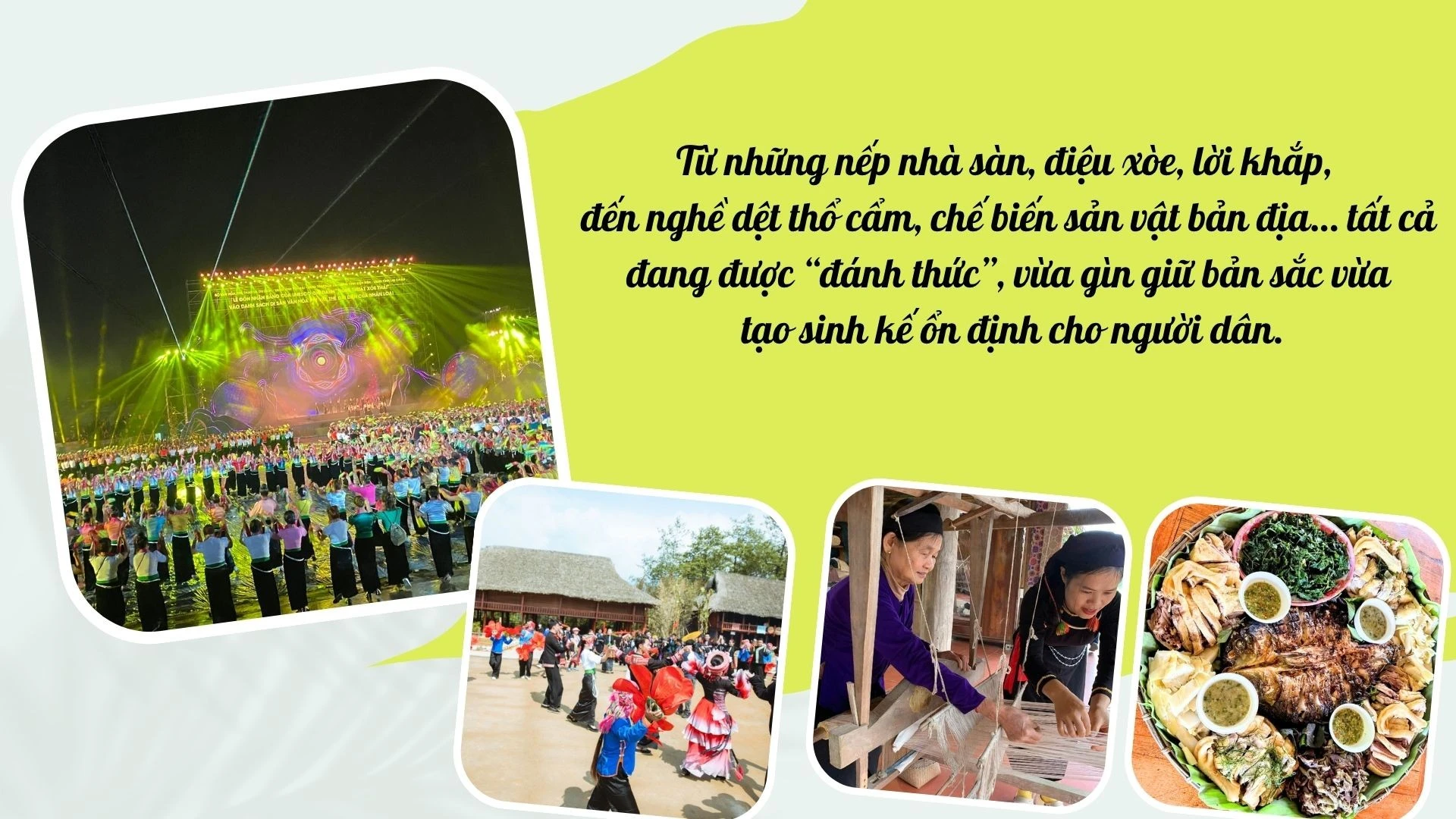
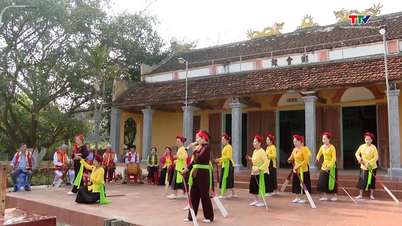
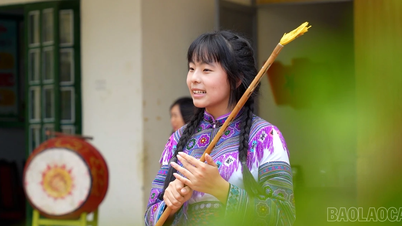
Experience in many localities shows that, when properly guided, cultural values are not only preserved but also become "assets" capable of generating income. From traditional stilt houses, folk dances, and folk songs, to brocade weaving and processing of local products, all are being "reawakened," both preserving identity and creating stable livelihoods for the people.
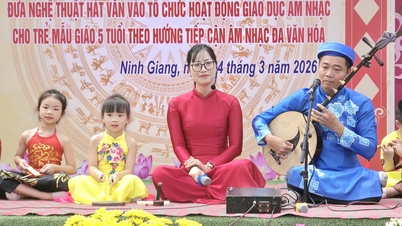
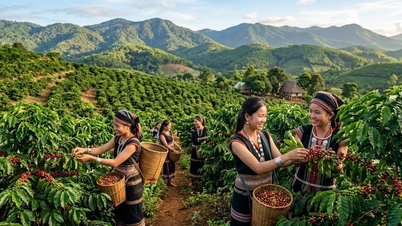
In many highland communes, community-based tourism models that focus on exploiting traditional cultural spaces have been yielding significant results. Traditional stilt houses, renovated to preserve their original architecture while ensuring hygiene and comfort, meals with authentic ethnic flavors, and traditional cultural and artistic activities have become attractive tourism products.
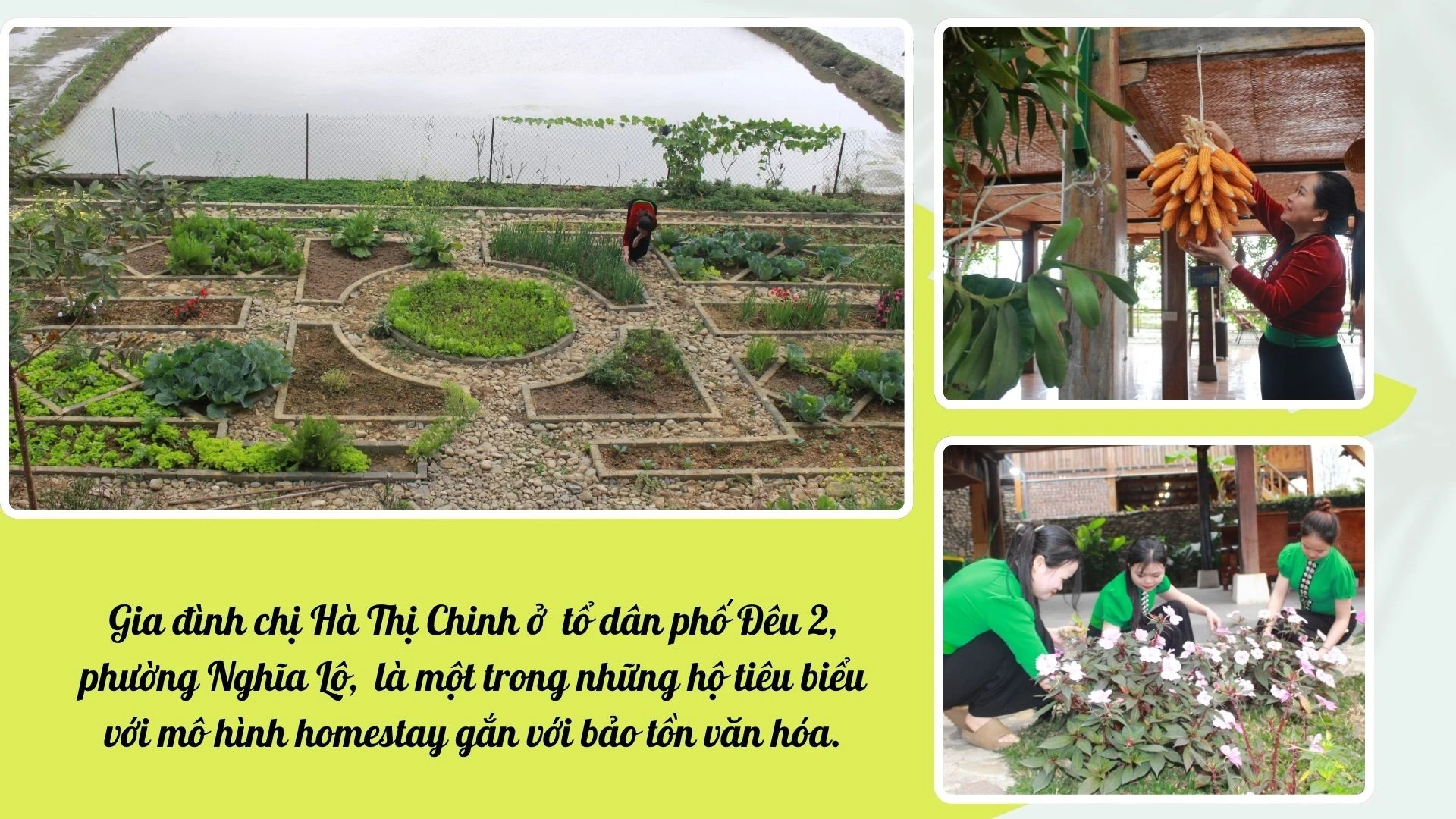
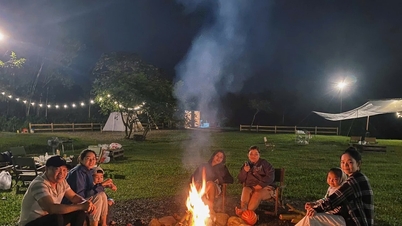
In residential area 2, Nghia Lo ward, the family of Ms. Ha Thi Chinh is one of the exemplary households with a homestay model linked to cultural preservation. The kitchen area is always kept warm, and the community houses are neatly arranged and clean, serving tourists who want to experience traditional life. The family grows vegetables, raises chickens, and breeds fish to provide clean food.
During peak season, visitors not only stay here but also get to enjoy local specialties such as black sticky rice cakes, smoked meat, grilled stream fish, and participate in cultural activities.
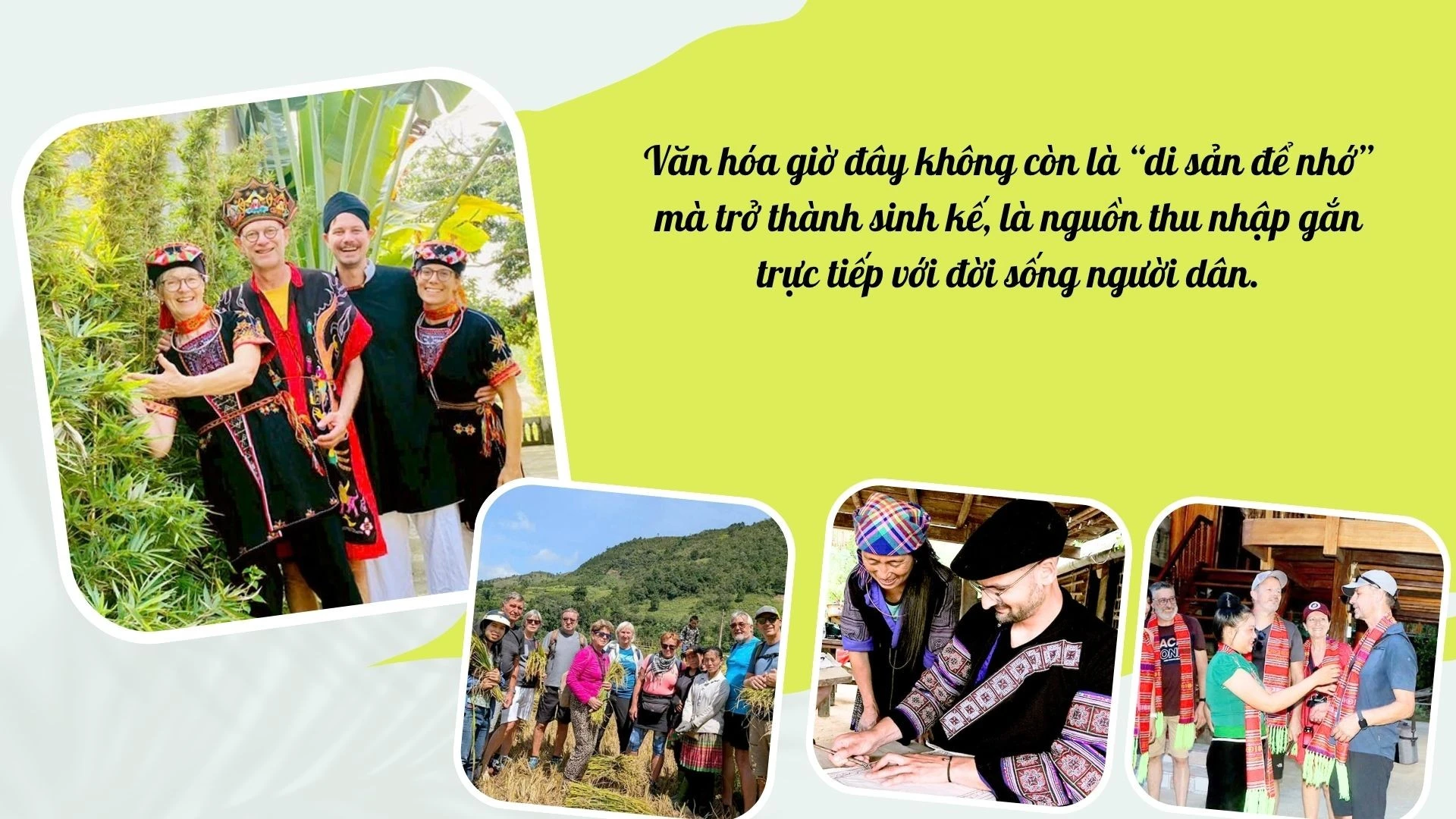
In Púng Luông commune, the community-based tourism model has also yielded significant results. Giàng A Dê, owner of Hello Mù Cang Chải Homestay, shared: “Tourists come here not only to admire the scenery but also to experience the lives of the local people. They participate in pounding rice cakes, painting beeswax on fabric, and working in the fields with the villagers. It is these experiences that make them return and recommend the place to their friends.” As a result, the income of his family and many households in the commune has improved significantly.
Traditional crafts are also being revived and developed strongly. Textiles that were once in decline have now become valuable commodities.
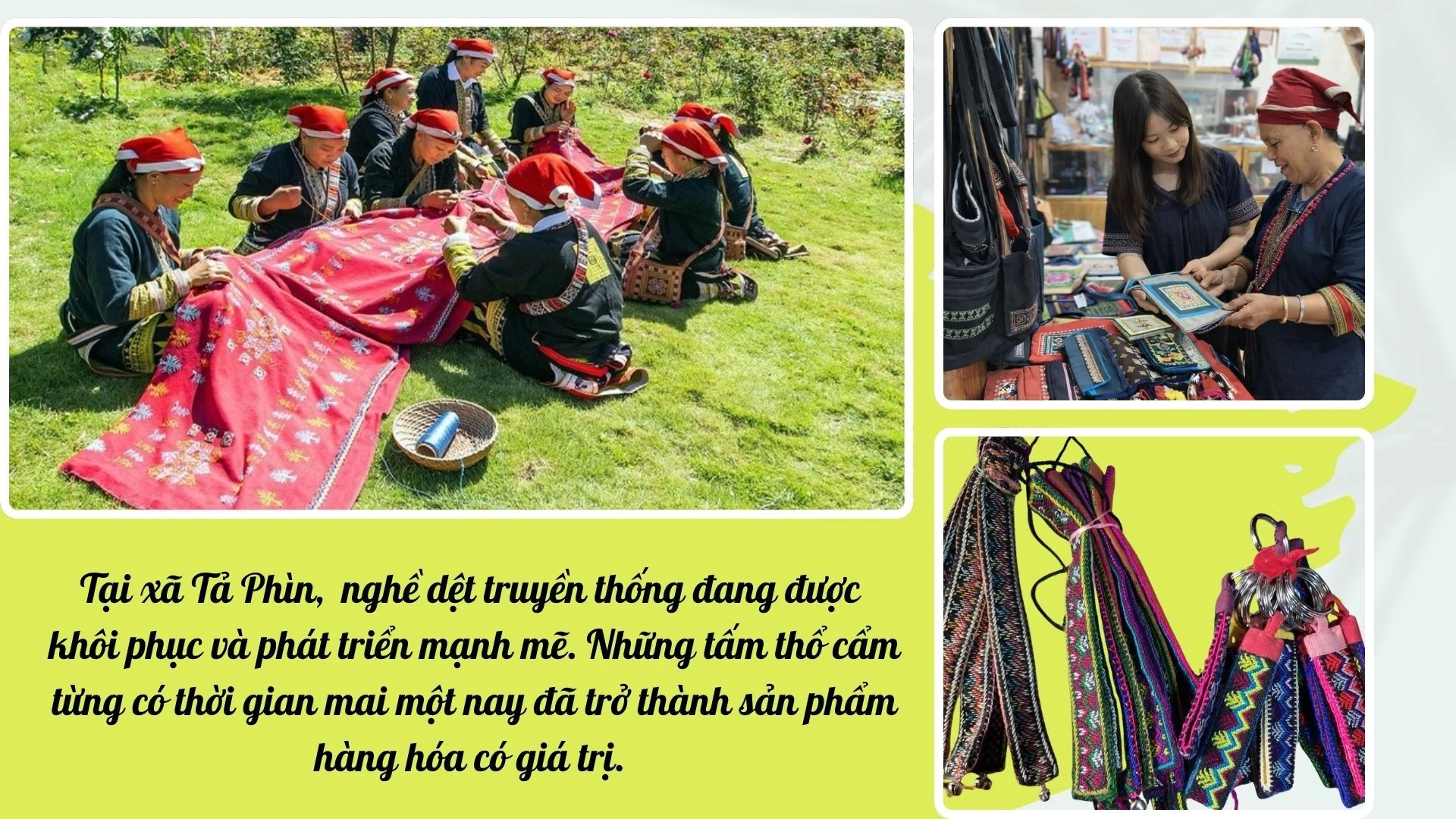
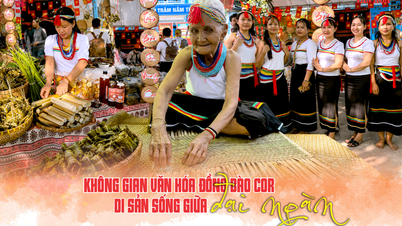
In Sa Seng village, Ta Phin commune, the Red Dream General Business Cooperative is a prime example of success in combining the preservation of traditional crafts with economic development. From its initial small scale, the cooperative now has over 100 members and supplies tens of thousands of products to domestic and international markets each year.
The cooperative's products range from scarves, bags, dresses, and shirts to souvenirs, but still retain traditional hand-weaving and embroidery techniques. The harmonious combination of traditional elements and market demand has helped the products gain a firm foothold in the market.
Ms. Ly May Chan, Director of the Cooperative, said: "Previously, the brocade weaving craft only served the family, but now it has become a stable source of income. On average, each member earns from 4 to 7 million VND per month, and during peak season, it can exceed 10 million VND per month. More importantly, it gives the women more motivation to preserve the craft and feel proud of their ethnic culture."
Beyond just production, the cooperative has also become an experiential tourism destination, where visitors can directly participate in the weaving, dyeing, and embroidery processes. This not only enhances the value of the products but also creates a link between cultural preservation and economic development.
Along with the development of these models, people's awareness of cultural preservation has also undergone a significant transformation. Previously, many people, especially young people, paid little attention to traditional values, but now they are actively learning about and preserving them. Culture is no longer just a "heritage to remember" but has become a livelihood, a source of income directly linked to daily life.
However, linking cultural preservation with economic development still faces many limitations. In some places, the exploitation of culture for tourism purposes is still spontaneous and lacks direction.
Some cultural values are being "performed" or altered to suit tourists' tastes, diminishing their originality. Furthermore, cultural products are fragmented and lack coordination, and branding and market expansion remain limited. Locals are primarily engaged in small-scale production, lacking systematic support in technology, design, and marketing, resulting in low added value.
Preserving culture in conjunction with livelihood development is the right approach, but it must be done systematically, with clear planning and direction. The sector will continue to coordinate with localities to support the development of distinctive products, provide tourism skills training, improve service quality, and at the same time preserve the authenticity of traditional cultural values.
Accordingly, it is necessary to strengthen the integration of cultural preservation with economic development programs such as the New Rural Development program and the One Commune One Product (OCOP) program; support people in improving their production, design, and product promotion capabilities; build brands and connect with markets. At the same time, focus on training local human resources and promoting the leading role of the people in preserving and exploiting cultural values.
When culture is properly placed in the context of development, it is not only a heritage to be preserved but also a crucial resource for socio-economic development. The issue is not about maintaining or changing it, but about developing on the foundation of identity, ensuring harmony between preservation and exploitation. When people can make a living from their own culture, preservation will become an intrinsic need, creating a foundation for sustainable development in the highlands.
Source: https://baolaocai.vn/nguon-luc-thuc-day-phat-trien-post898004.html
![[Photo] The General Secretary, President and his wife begin their state visit to the Philippines.](https://vphoto.vietnam.vn/thumb/1200x675/vietnam/resource/IMAGE/2026/05/31/1780230559452_anh-man-hinh-2026-05-31-luc-19-28-11.png)
![[Photo] Solemn bathing ceremony and Buddha procession in Hue](https://vphoto.vietnam.vn/thumb/1200x675/vietnam/resource/IMAGE/2026/05/31/1780228263543_1-jpg.webp)
![[Photo] Admire the coral "masterpiece" amidst the million-year-old heritage of Dak Lak province.](https://vphoto.vietnam.vn/thumb/1200x675/vietnam/resource/IMAGE/2026/05/31/1780221235105_anh-man-hinh-2026-05-31-luc-16-53-27.png)


![[Image] Hanoi Police officially crowned champions of V-League 2025/2026](https://vphoto.vietnam.vn/thumb/1200x675/vietnam/resource/IMAGE/2026/05/31/1780244769054_ndo_br_039d561b692be875b13a-jpg.webp)












![[Video] Sunset at Lap An Lagoon – Where the sun sets over the fishing nets](https://vphoto.vietnam.vn/thumb/340x192/vietnam/resource/IMAGE/2026/05/31/1780192137701_beach-landscape-sea-water-nature-grass-745871-pxhere-com.jpeg)

























































Comment (0)