

Silent pathogens and deadly gaps
The recent Ebola outbreak in the Democratic Republic of Congo is pushing the country's health system into an extremely critical state of alert. The latest report from the International Rescue Committee (IRC) confirms that the picture the public is seeing is only "the tip of the iceberg." The reality is far darker and more complex due to delays in case detection and dangerous gaps in contact tracing.
The weak healthcare capacity is becoming apparent, with only a mere 20% of contacts currently being monitored by authorities. This means that for every five people at risk of infection, four are beyond the control of the healthcare system. Epidemiologists believe that the Ebola virus may have silently taken root and spread within the community before March of this year, approximately three months before the first case was officially recorded.
This missed golden window of opportunity allowed the virus to form numerous complex chains of cross-infection, interwoven across many villages and provincial borders.

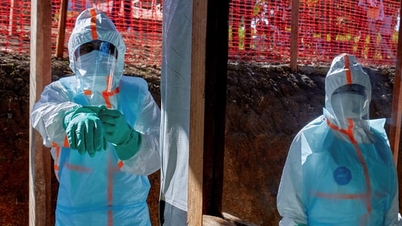
Medical staff are treating a patient in an Ebola treatment ward. Photo: The New York Times
The battle was fought with a lack of weapons and declining confidence.
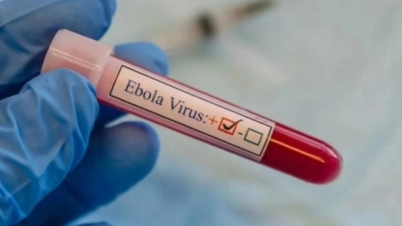
Besides the contact tracing gaps, the fight against Ebola in this Central African nation is facing two major obstacles: a shortage of equipment and a crisis of public trust. The severe shortage of rapid diagnostic test kits and the backlog of biological samples at laboratories are slowing down the verification of cases, making containment efforts incredibly difficult.
More worryingly, a wave of skepticism and fear is spreading throughout the community. The fact that some patients are escaping from hospitals and the high mortality rate among frontline doctors has inadvertently widened the gap between the public and healthcare workers.
Assessing the severity of the situation, Rachel Howard, Senior Technical Emergency Medical Advisor at the IRC, frankly shared: "The true scale of this Ebola outbreak may be far worse than what the official figures show. With up to four out of five contacts not being traced, controlling the outbreak or even understanding its true scale becomes incredibly difficult. We are particularly concerned about the risk of the virus spreading to neighboring countries such as Burundi or South Sudan."
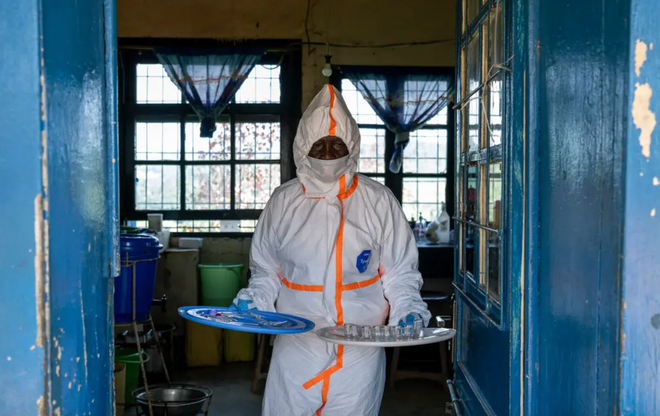

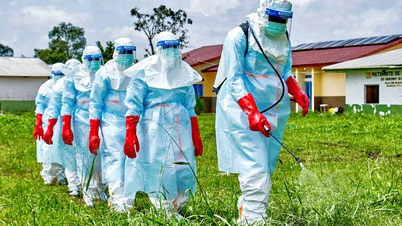
A laboratory cleaning technician is drying laboratory equipment in the sun for reuse at the hospital (left); Red Cross volunteers are drying protective gloves after washing for reuse at Mongbwalu General Hospital. Photo: The New York Times
Fear leads many people with symptoms to choose to suffer at home or avoid medical facilities instead of seeking treatment. The inevitable consequence is that the pathogen continues to be trapped within communities, silently spreading further. The pandemic crisis is now compounded by a crisis of trust.
An urgent appeal
The current situation in the Democratic Republic of Congo immediately reminds observers of the Ebola tragedy in North Kivu between 2018 and 2020, a crisis that claimed the lives of thousands. The old scenario is repeating itself with all the unfavorable elements such as lax security, constantly fluctuating migration flows, and resistance from the local population.
However, there is an even harsher truth. Unlike previous plague outbreaks, there is currently no approved vaccine for this Ebola virus strain. Without a vaccine shield, the only weapon at present is a race against time to stop the chain of transmission.
Faced with a critical situation, the IRC is issuing an urgent appeal to the international community for emergency aid to expand testing, treatment, and contact tracing capabilities. To address the root cause, rebuilding public trust through communication campaigns led by Ebola survivors is considered a crucial key to survival.
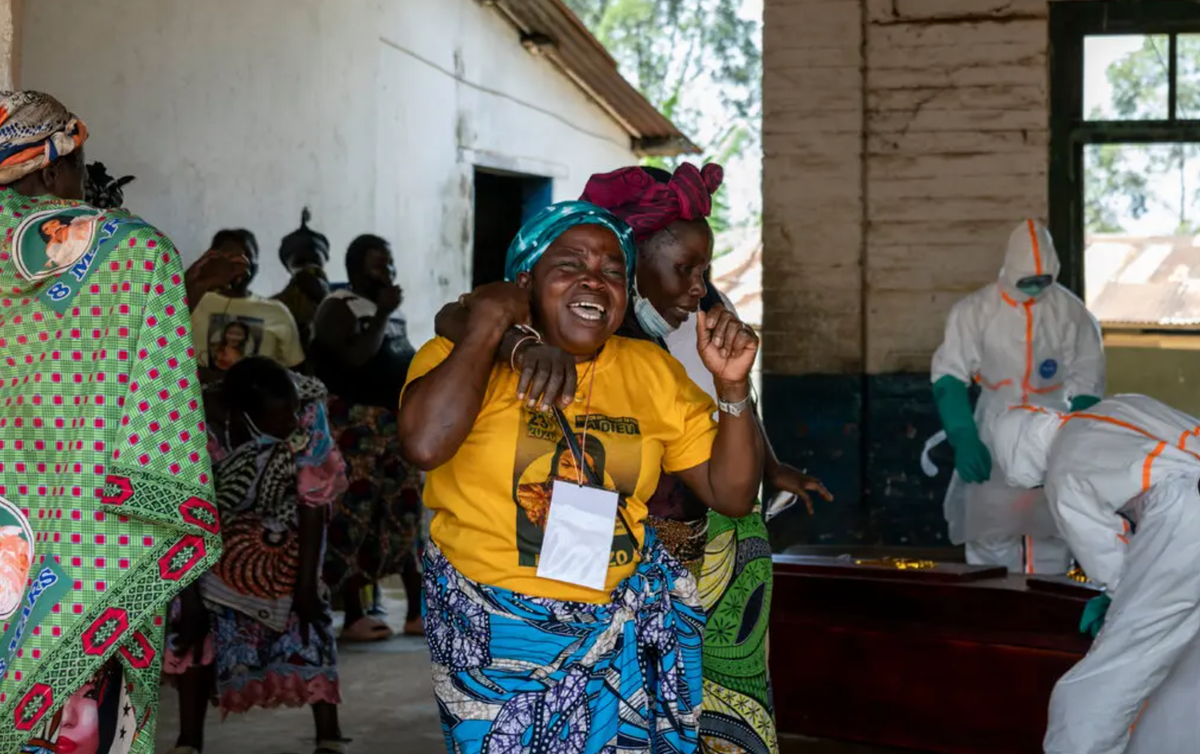
People weep and mourn the deaths of loved ones due to Ebola. Photo: The New York Times
Currently, international aid organizations are working closely with the Ministries of Health of the Democratic Republic of Congo and Uganda to establish rapid response fronts. In Uganda, border checkpoints have been set up to screen people crossing the border, determined to prevent the virus from entering. However, all these efforts will soon be exhausted if international funding does not arrive in time in the next few days.
Source: https://phunuvietnam.vn/nguy-co-vo-tran-dich-ebola-tai-congo-238260602000352672.htm

































































































Comment (0)