

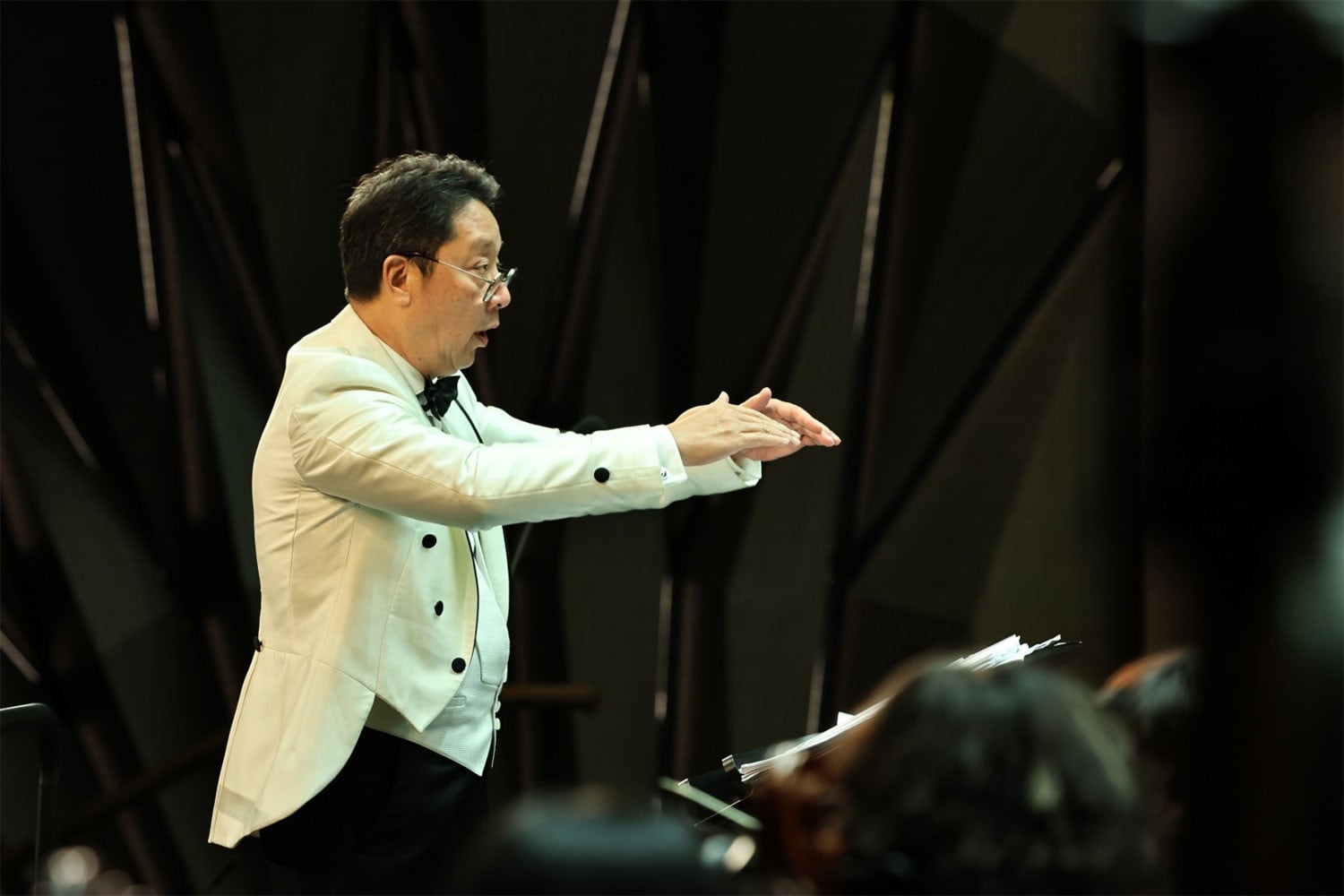
In every symphony orchestra, the conductor is the guide and connector of the musicians. The conductor's job demands patience, dedication, responsibility, and great ambition, while the income is not high and opportunities are limited. VietNamNet is launching a series of articles about the lives and careers of famous conductors. They may be retired or in their 40s, foreigners or conducting international orchestras, but they all share a passion for their work and a relentless pursuit of creativity.
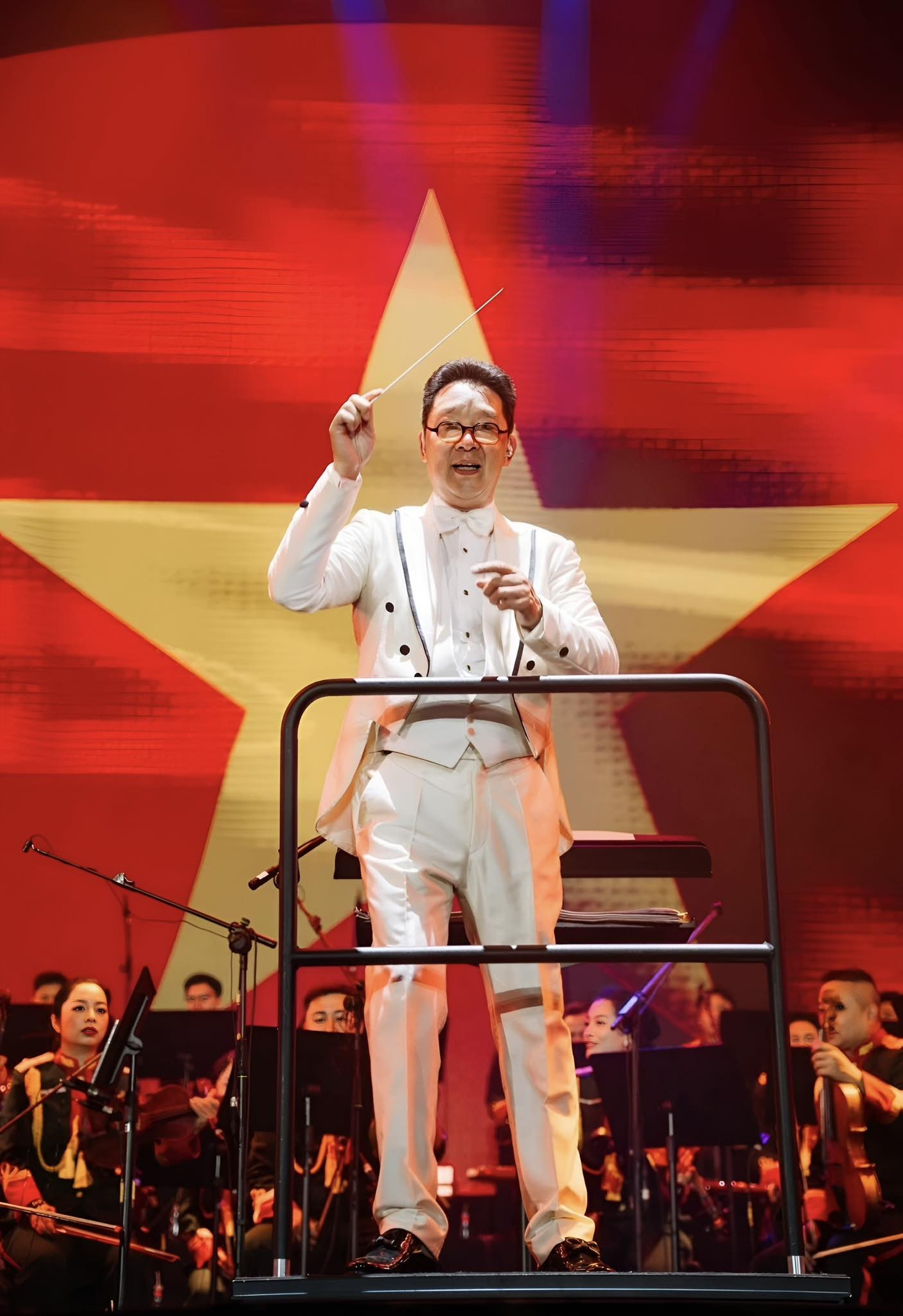
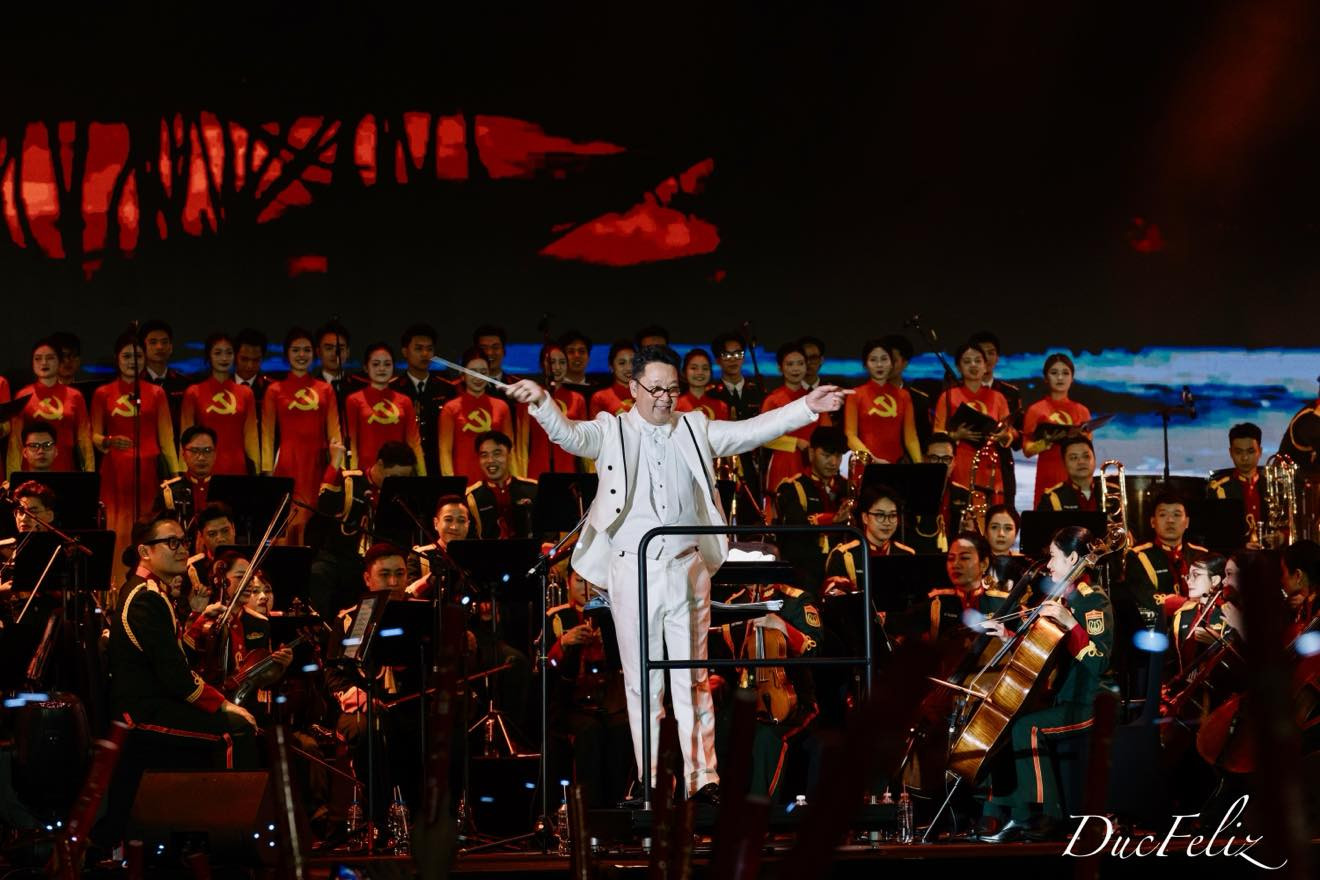
- Conductor Le Phi Phi, you recently conducted programs for the Army Symphony Orchestra and an event commemorating the 51st anniversary of national reunification. What was special about conducting the Army Symphony Orchestra and what excited you?
I feel particularly excited working with the newly established Army Symphony Orchestra because I want to contribute to laying the first bricks in its construction and development. I appreciate the establishment of the Army Symphony Orchestra in promoting the development and raising the cultural and musical level for soldier-artists.
The Army Symphony Orchestra is basically the same as other symphony orchestras, but it differs slightly due to its very high level of discipline during rehearsals and performances, which is essential for the success of each concert.
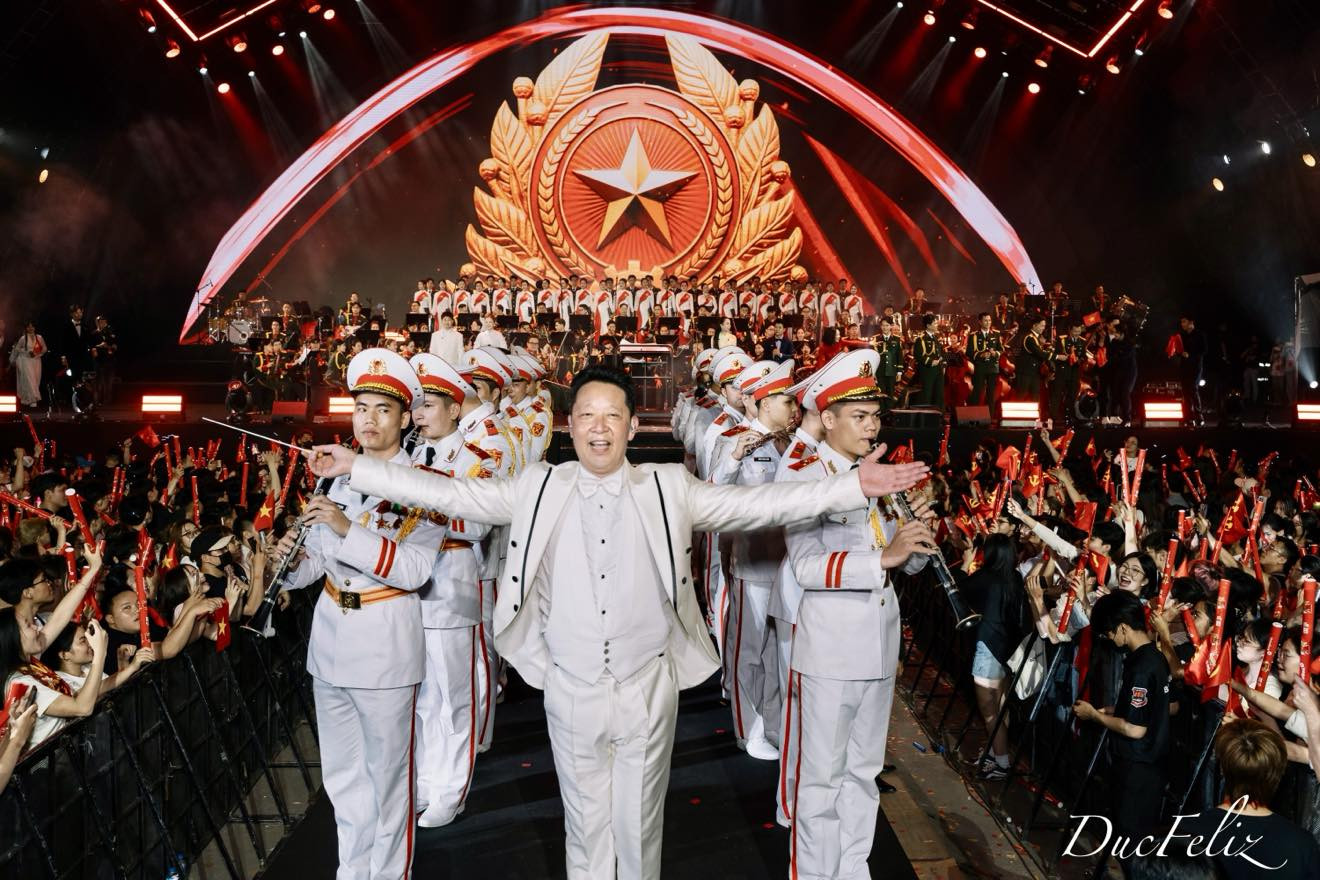
- Having conducted many major programs on special occasions, what is special about the "Symphony of the Homeland" program at the end of April? The fact that the late composer Hoang Van's work "Quang Binh, My Homeland" was chosen to be performed in this program must be particularly special to you?
The program was particularly special because it took place outdoors on Tran Nhan Tong pedestrian street, in front of Thong Nhat Park. The location held great significance as it commemorated the National Reunification Day on April 30th. The program featured familiar works about soldiers, people, and life, as well as contemporary music for Gen Z, performed by a symphony orchestra, choir, and singers.
Outdoor performances attract larger audiences compared to indoor theaters, especially targeting younger generations with the aim of bringing classical music closer to the general public. This time, my father's song "Quang Binh, My Homeland" is performed in an orchestral arrangement with backing vocals.
- Many programs have chosen major musical works by composer Hoang Van over the years. As a conductor, but also as a son, what are your feelings when you take the baton to conduct a work composed by your father?
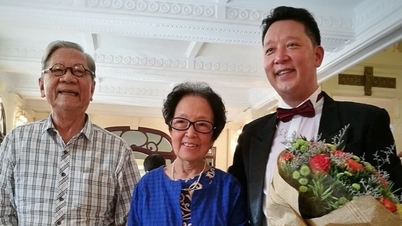
My father's works have been deeply ingrained in my soul from childhood to the present day. Every time I conduct a piece, I am deeply moved, recalling my performances in Hanoi where he was always my mentor, analyzing my work for his son… He was also the most frequent audience member at the shows I conducted. Through his works, he instilled in us, his children, a love for humanity, our homeland, and our country.
Proud to be called "the son of composer Hoang Van".
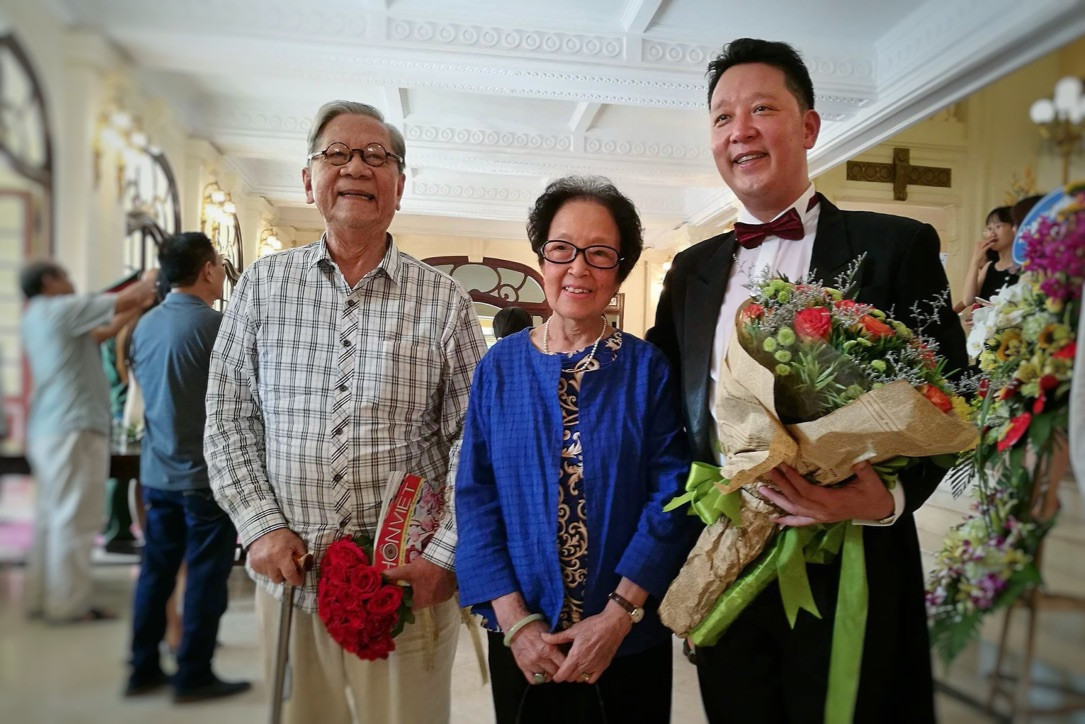
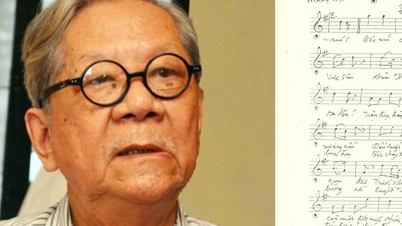
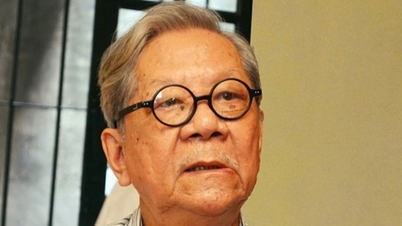
- For many generations of audiences, the name of composer Hoang Van is already well-known for his immortal musical works, which have been honored by UNESCO. But for you personally, as his son rather than as a conductor, what was People's Artist Hoang Van like? What is the biggest impression you have of him that you remember most, or are there any stories about him during his lifetime that the public doesn't know yet?
My father was a simple, amiable man. He always behaved humbly towards everyone, even though he was a truly great man. He cherished his friends, neighbors, and the old town where he strolled daily and chatted with anyone he met. He had many students who loved music, both professional and amateur. He especially loved children. Every time I went for a walk in the old town with him, he would stop to play with any child he encountered, entertain them, or give them candy. This is my strongest impression when I remember him.
- If your father hadn't been the composer Hoang Van, would you have been nurtured with a love of music from a young age and later become a conductor? Was your becoming a conductor influenced by him?
I believe that the laws of nature and fate have given me a father who is the musician Hoang Van. He sang and played music for his children when we were young. Our home was always filled with his music, as well as the music of the composers he loved. He taught us our first notes on the piano, educating my young soul in music from a very early age… My love for music and my emotions stem from him. My becoming a conductor is also partly due to his guidance.
- Now that you're a renowned conductor both domestically and internationally, before establishing your own name, did you ever feel pressured because your father was so famous and talented, his shadow so large for his children? How did you manage to be known by the name of conductor Le Phi Phi independently, instead of having "son of composer Hoang Van" added in parentheses?
I am extremely proud and honored that my father is the composer Hoang Van, a figure beloved by generations. Being his son motivates me and fuels my passion for conducting. I never thought his shadow was too big and wanted to surpass it. I know that conductor Le Phi Phi is mentioned by people out of respect and appreciation for the work I have contributed to the national music scene, not because I am the son of composer Hoang Van. And I am incredibly proud to hear the added phrase "son of composer Hoang Van".
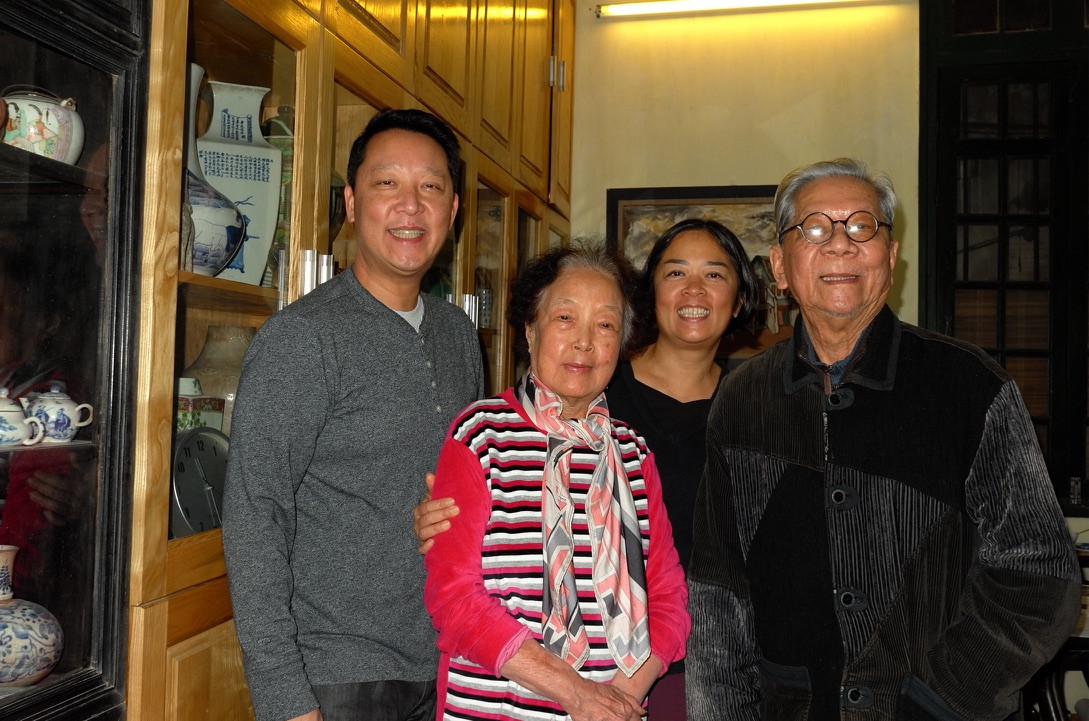
- Your father left behind a vast musical legacy, but both you and your sister mainly live and work abroad. Your mother has also passed away. Who is looking after the family home in Hanoi now? Have you and your sister considered turning it into a memorial house for composer Hoang Van?
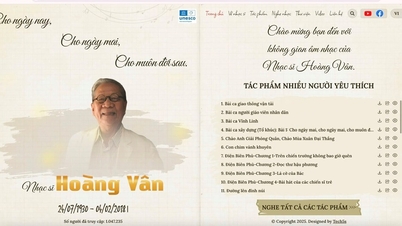
Yes, we have also thought about this. But achieving this depends not only on the family but also on many other objective factors. I think whatever happens, happens, if fate gives us the right opportunity. I believe that building a memorial house for Hoang Van will have great significance for the people of Hanoi, the whole country in general, and for international tourists as well. Hoang Van was a musician not only of Vietnam, but his works have been recognized by UNESCO as a World Documentary Heritage.
- He loved his parents very much, and their passing left a huge void in his life. So, how can a son fill that void to ease his sadness and emptiness?
To fill the void left by my parents' passing, I spend more time at the house at 14 Hang Thung Street, listening to and playing his music more often, and strolling through the streets around the house to find and recall memories with them...
My wife has always supported me and made it easy for me to return to Vietnam.
- As a Vietnamese artist with a foreign wife, have the differences in language, culture, and origin ever been an obstacle in your relationship? What role does your wife play in helping you overcome homesickness and consider Macedonia your second home?
We share a common language: music. We share a common love for music because my wife is a violinist. We studied together at the Tchaikovsky Conservatory (Russian Federation). We have never encountered any language or cultural barriers in our shared life. Because I live in my second homeland, Macedonia, my longing for Vietnam never fades.
My wife has always supported and facilitated my trips back to Vietnam to visit my family and combine it with work. When my parents were still alive, she and our son always made time to visit them once a year. My wife loves Vietnamese culture and cuisine, and she can eat almost all Vietnamese dishes.
In our family, Vietnamese rice is a regular meal throughout the week, and she is also very skilled at cooking several Vietnamese dishes. As a highly skilled artist, she deeply loves and admires my father, composer Hoang Van, through his instrumental works and songs, and she has played some of his pieces many times. All of this has helped to alleviate my homesickness.
Read Part 2: Conductor Nhật Minh, U50: Regrets leaving his doctoral thesis, doesn't want to be just a decorative object.
Photo: Provided by the interviewee
Source: https://vietnamnet.vn/nhac-truong-le-phi-phi-va-dieu-chua-ke-ve-nhac-si-hoang-van-2509665.html
![[Image] Pleasant weather helps students enter the 10th grade entrance exam with confidence.](https://vphoto.vietnam.vn/thumb/1200x675/vietnam/resource/IMAGE/2026/05/29/1780034401612_ngay-1-thi-lop-10-minh-duy-8-5009-jpg.webp)


![[Photo] Ba Lang An Lighthouse - the "eye of the sea" amidst the "rock museum" of Quang Ngai province.](https://vphoto.vietnam.vn/thumb/1200x675/vietnam/resource/IMAGE/2026/05/29/1780038698840_anh-man-hinh-2026-05-29-luc-14-10-42.png)



























































Comment (0)