

"A blazing inferno" on a concrete surface.
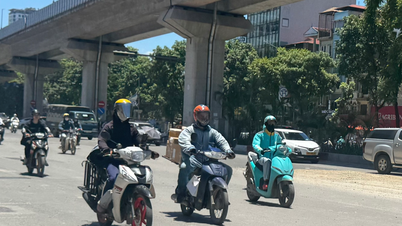
According to the National Center for Meteorological and Hydrological Forecasting, in the last days of May, the North and Central regions of Vietnam are entering a period of widespread heatwaves, with temperatures commonly ranging from 37-39 degrees Celsius, and exceeding 40 degrees Celsius in many places. However, these are just figures on weather reports. In many airport parking areas, the reality is much harsher.
The concrete surface of the tarmac continuously absorbs solar radiation, which, combined with the heat radiating directly from aircraft engines and equipment, pushes the surface temperature up to 70-80 degrees Celsius. Specifically, at 3 PM on May 25th at Noi Bai airport's tarmac, the actual temperature reached this "record" level. Despite the harsh weather conditions, like a furnace, from early morning until midday, staff continued to move around on the tarmac.
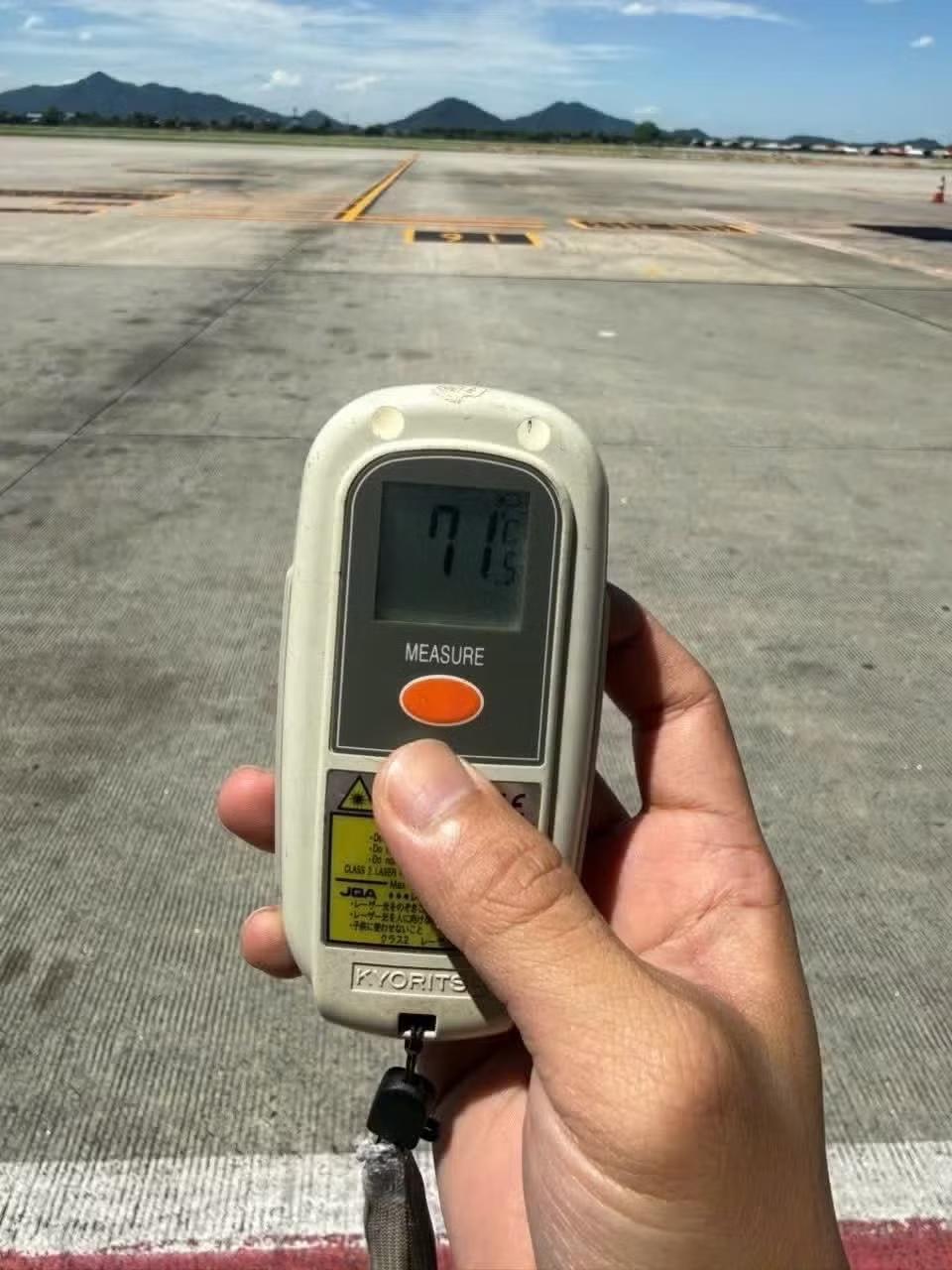
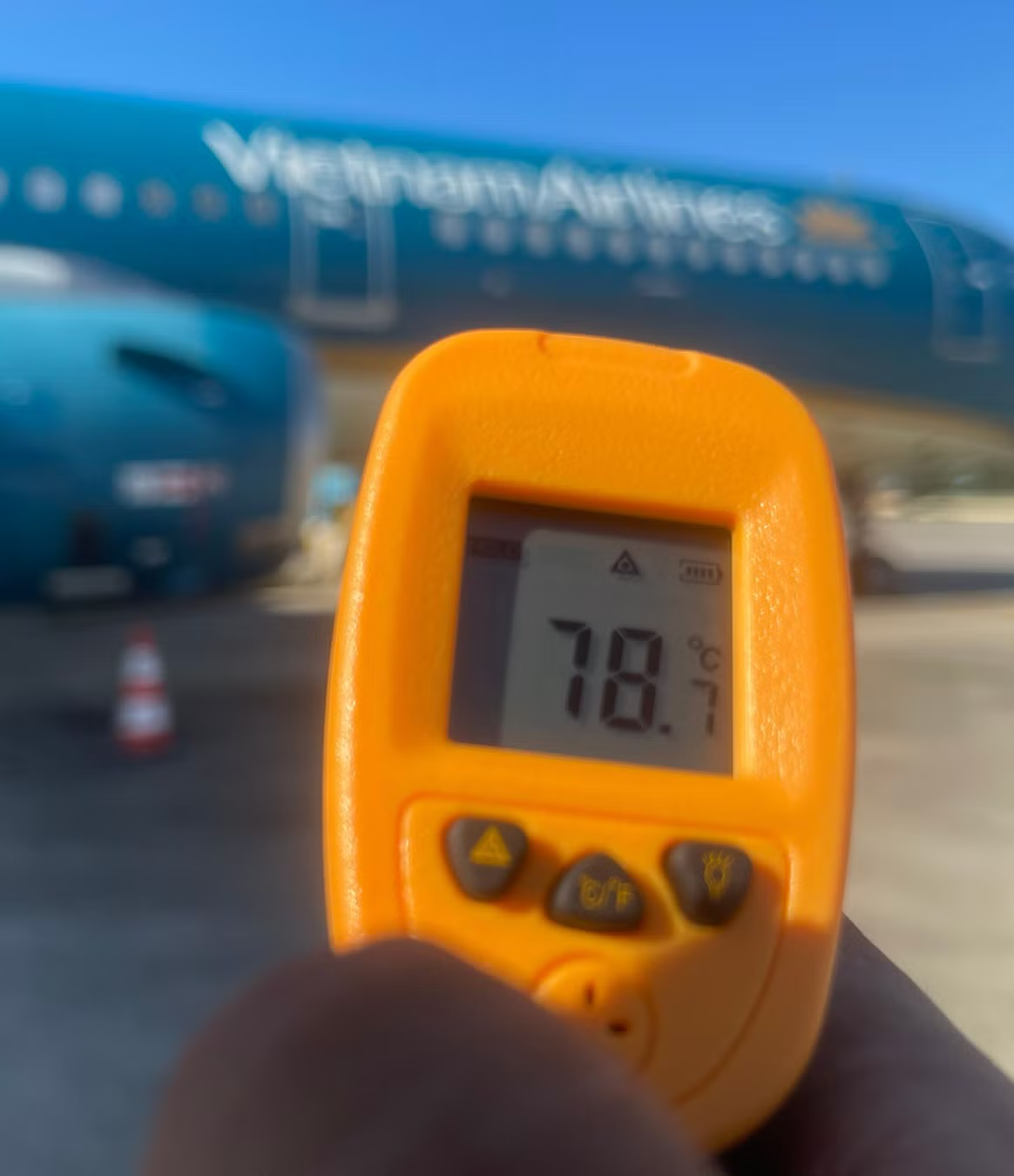
Speaking to a reporter from Tien Phong newspaper , Tran Tuan Nguyen, a ground service employee of Vietnam Airlines , said that he and his colleagues regularly perform strenuous tasks every day, such as driving aircraft tow trucks, transporting luggage, operating equipment, and assisting passengers. Under the scorching sun, the workers' shirts are always soaked with sweat.

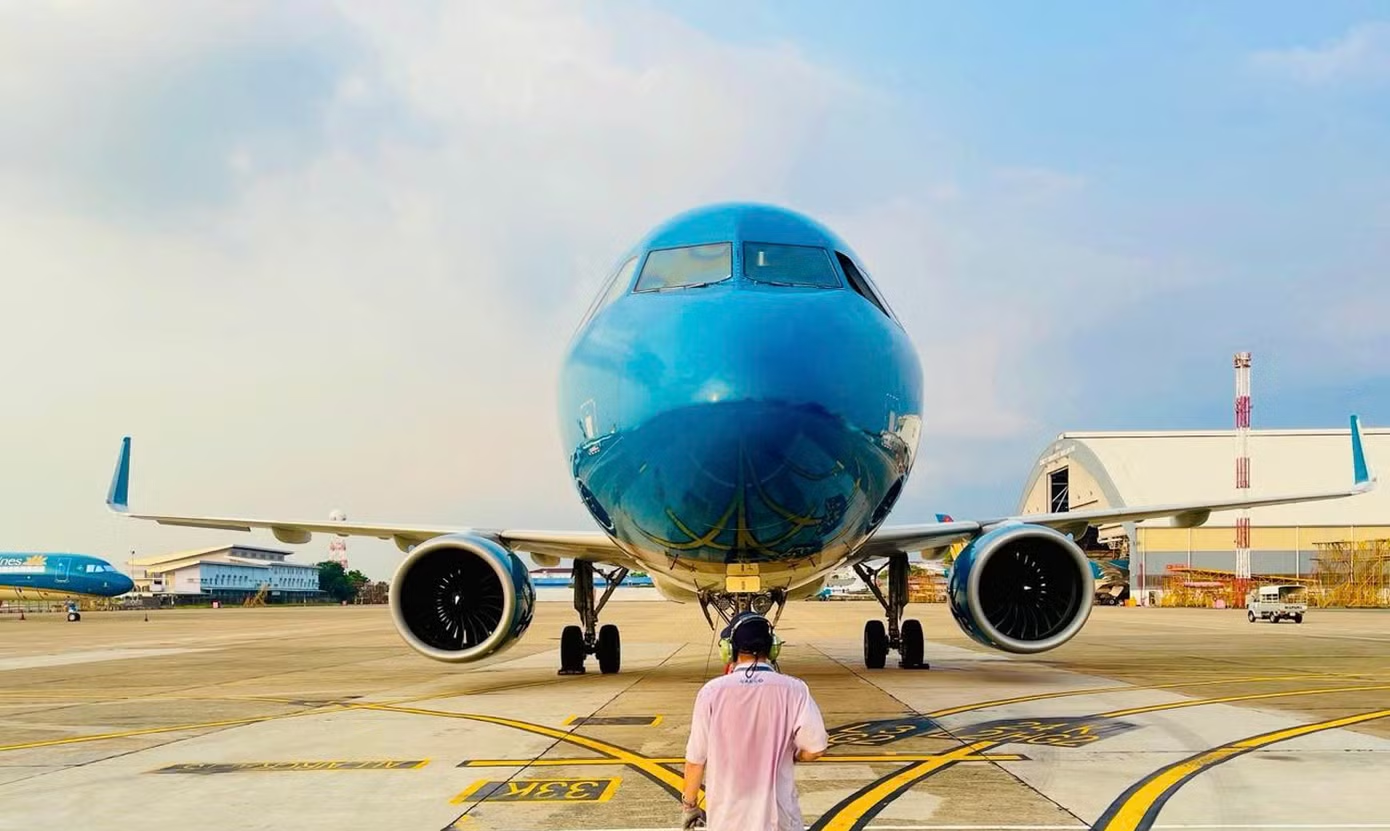
Nguyen confided: "There are times when the runway is scorching hot, and after standing outside for just a few minutes, my clothes are drenched in sweat. Although the work is hard, we always encourage each other to complete the job, because honestly, everyone understands that behind us are hundreds of passengers waiting. For us, seeing a flight take off successfully is a joy and a motivation to continue holding our positions under the harsh sun."
The invisible pressure of precision
Pham Duc Minh, an operations technician at Vietnam Airlines, said the biggest challenge is maintaining a high level of concentration. Under the scorching heat, Minh and the engineers diligently work on the concrete surface, inspecting and maintaining everything from engines and landing gear to electrical systems and even the smallest technical details.
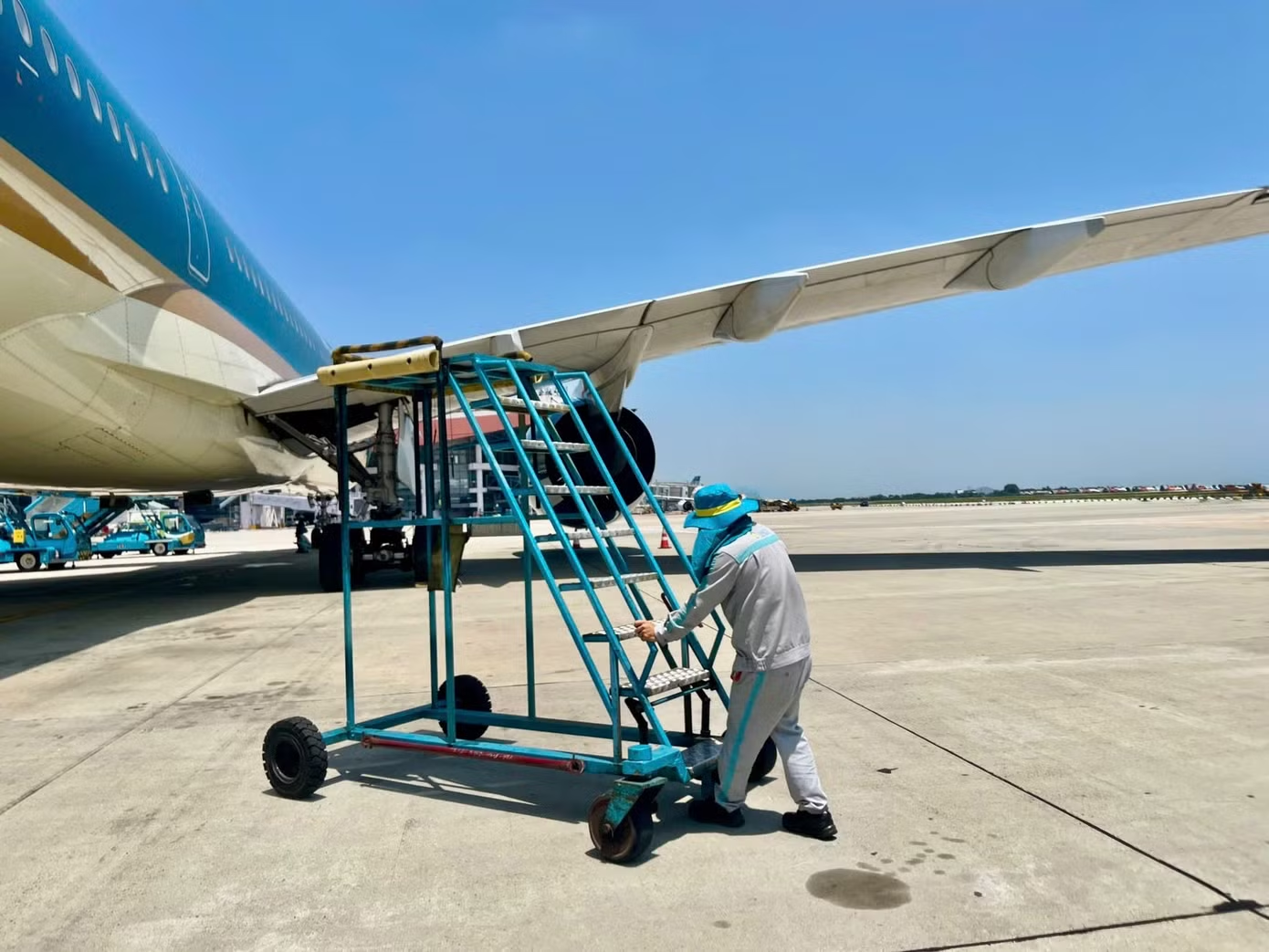
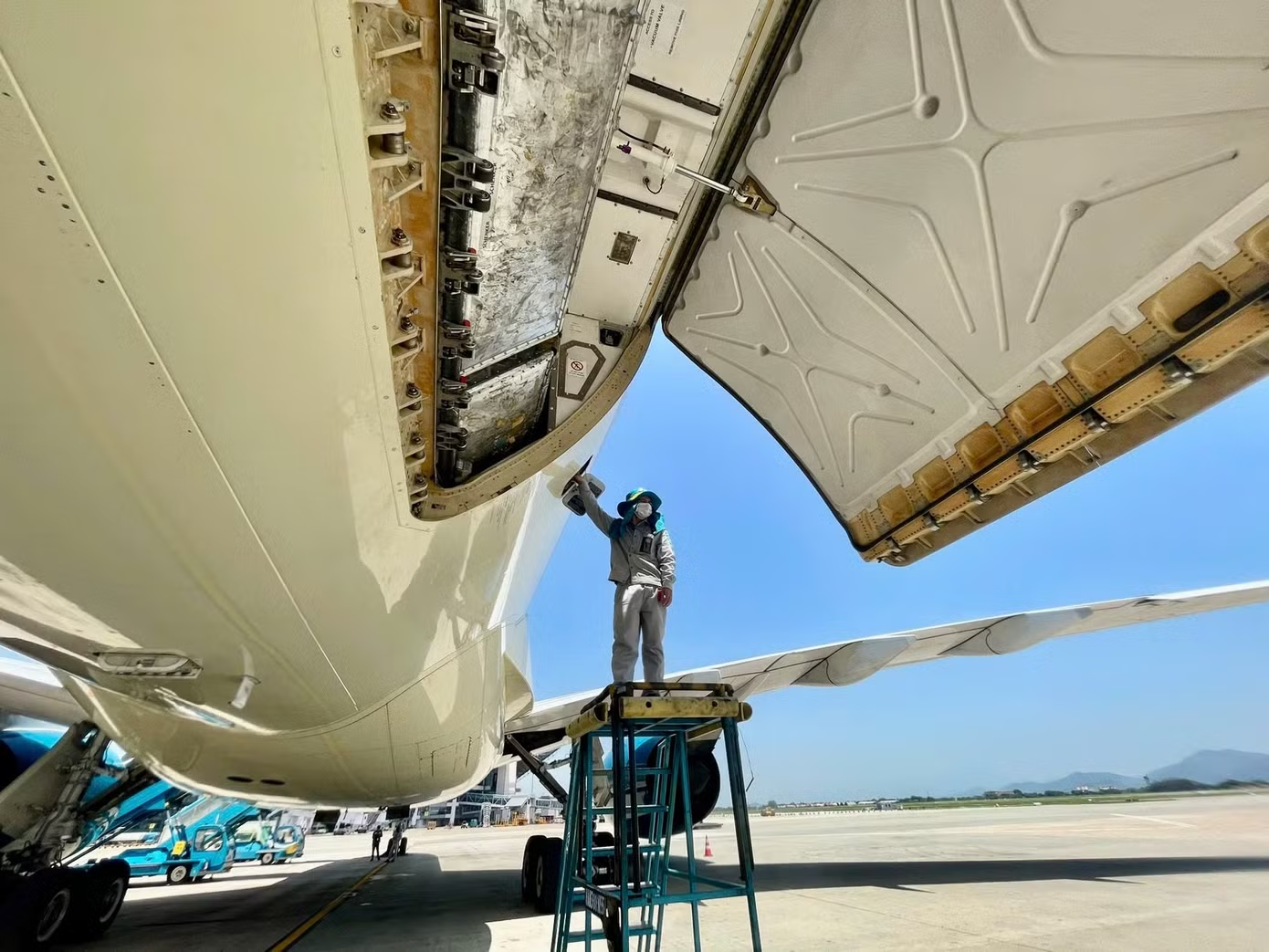
At the refueling area, every monitoring and operational procedure demands absolute precision. Despite the blinding heat, Minh emphasized the discipline of the job: "Even a small mistake can affect the entire flight, so we always have to maintain a high level of concentration even when working long hours in the hot sun."
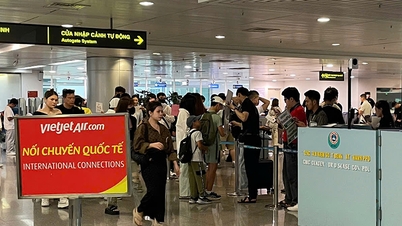
The hectic pace of work extends to every corner of the airport. At security checkpoints, control personnel strictly operate all procedures, maintaining constant vigilance and patrols to ensure absolute safety.
At Phu Bai Airport ( Hue City), cargo handlers are still working in a steady rhythm, sorting and loading goods amidst the stifling heat radiating from metal containers and the concrete floor.
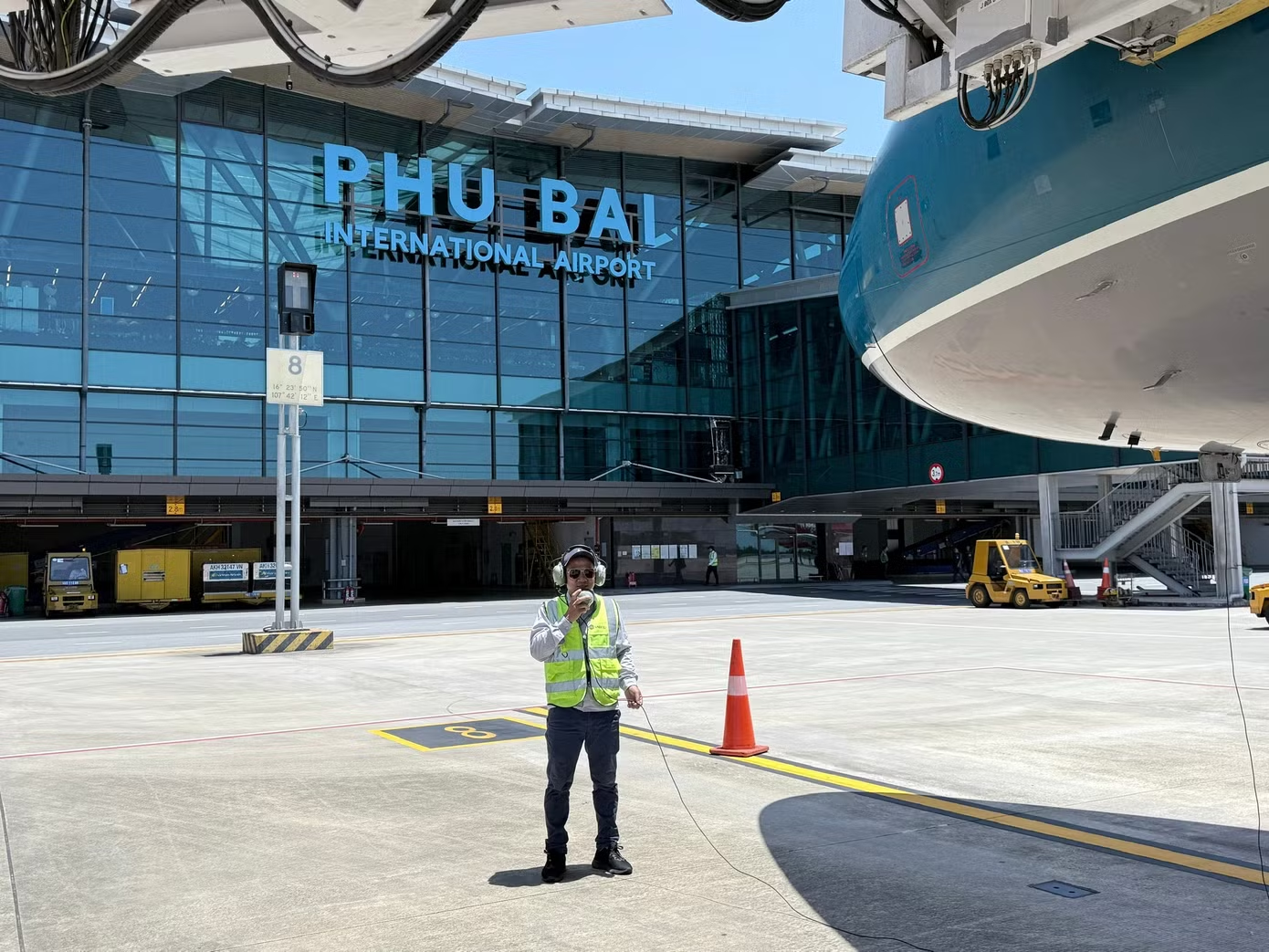
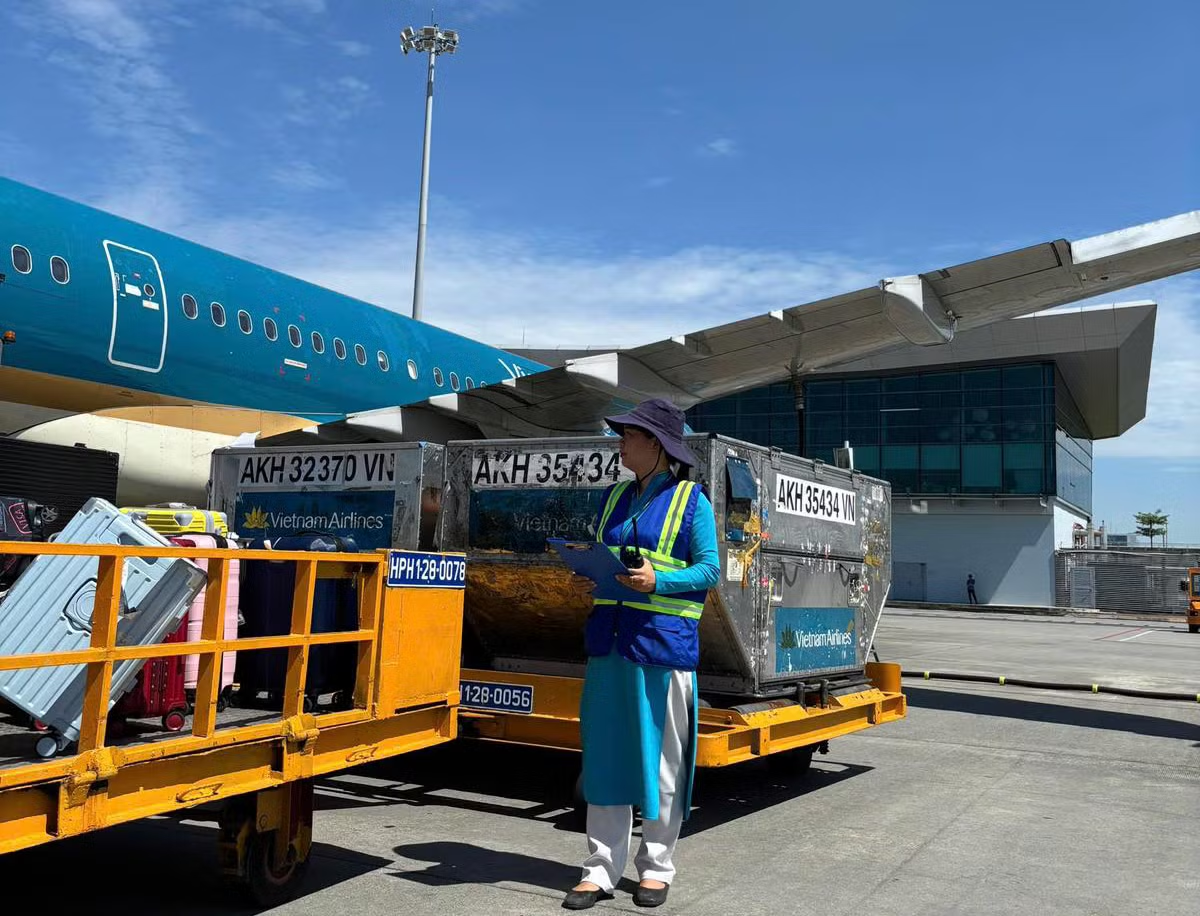
To support workers, units quickly implemented various heat mitigation solutions such as: providing additional drinking water, arranging reasonable break times between shifts, increasing cooling at work sites, and adjusting operating hours accordingly. Simultaneously, pre-flight cabin cooling, optimizing ground service time, and speeding up the passenger boarding process were continuously coordinated. The core objective was to minimize waiting times and provide a smooth journey for passengers.
Behind every on-time flight, bringing joy to passengers, are the sweat and silent coordination of thousands of people, regardless of harsh weather conditions... They will still have to face intense heat waves in the summer, not just on today's scorching day.
Source: https://tienphong.vn/nhan-vien-san-bay-quay-quat-giua-chao-lua-gan-80-do-c-post1846345.tpo

![[Photo] Standing Committee member of the Party Central Committee Tran Cam Tu working with the Central Inspection Committee](https://vphoto.vietnam.vn/thumb/1200x675/vietnam/resource/IMAGE/2026/05/28/1779969579668_ndo_br_bnd-2495-jpg.webp)
































































































Comment (0)