

With a proactive and decisive approach, localities are focusing on completing the necessary steps according to the planned schedule, striving to finish the reorganization in June as directed by the Government and the province.
 |
| Thai Nguyen province currently has 2,452 villages and residential areas that do not meet the standards and will be reorganized in June 2026. |
Improving the effectiveness and efficiency of management.
Thai Nguyen has diverse natural conditions, and population density and demographic characteristics vary significantly between regions. This is also the reason why some villages and residential areas have small populations and areas, failing to meet the standards according to the new draft regulations of the Government.
The existence of too many different levels of authority leads to a cumbersome grassroots system, large budgets for allowances, while leadership and organizational capacity in some areas remain fragmented.
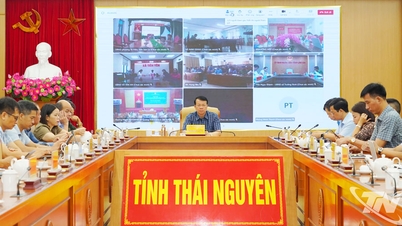
According to the review, the province currently has 3,145 villages and residential areas, of which 2,452 units do not meet the standards according to the new draft regulations of the Government. The reorganization is identified as a key task to consolidate the political system at the grassroots level, improve the effectiveness and efficiency of state management, and enhance the quality of service to the people within the two-tiered local government model.
 |
| Phan Dinh Phung ward is developing a plan to reorganize the number of residential groups from 110 down to 61. |
As the administrative center of the province, Phan Dinh Phung ward has actively implemented preparatory work in accordance with the directives of the Central Government and the province. According to the review, the ward currently has 110 residential groups, of which 87 groups have more than 300 households and 23 groups have fewer than 300 households. According to the proposed plan, the locality will rename 13 groups and reorganize the remaining 97 groups into 48. After the reorganization, the entire ward will have 61 residential groups.
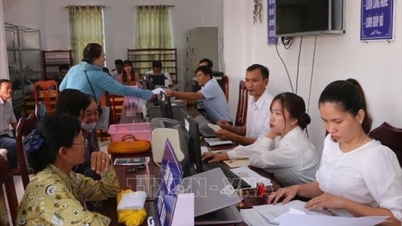
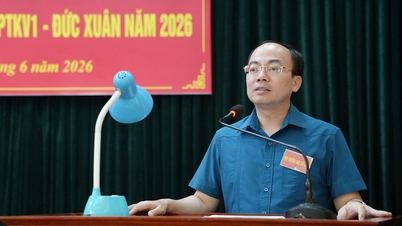
Mr. Mai Xuan Tung, Vice Chairman of the People's Committee of Phan Dinh Phung Ward, said: The locality has urgently reviewed and developed a plan for personnel arrangement to ensure compliance with regulations and timelines. In May 2026, the ward completed the draft and submitted it to the Department of Internal Affairs. In June, further steps will be taken, such as gathering public opinions and submitting the plan to the People's Council for approval. Regarding the arrangement of grassroots officials, the locality will implement it according to the regulations in Decree No. 185/2026/ND-CP.
Emphasis on population size and geographical location.
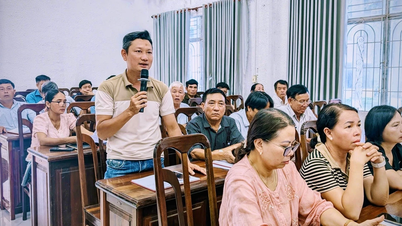
Mr. Nguyen Van Hieu, Vice Chairman of the People's Committee of An Khanh commune, said: Immediately after the issuance of Prime Minister's Directive No. 21, the locality quickly implemented it. Specialized departments focused on reviewing the actual situation in 38 villages and developing a draft plan for rearrangement. This process paid particular attention to factors such as population size, geographical location, cultural characteristics, and practical conditions of each area.
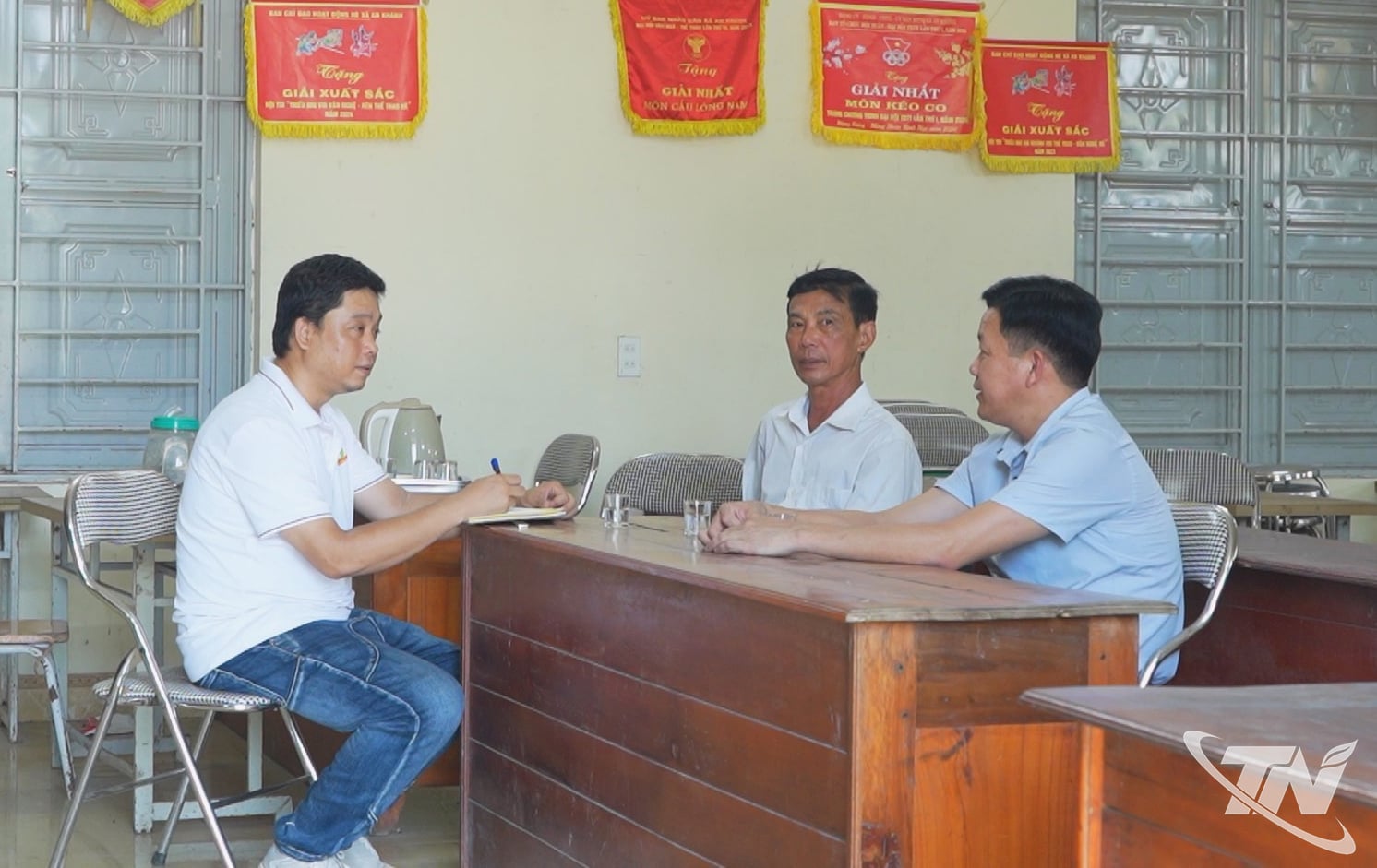 |
| Personnel restructuring must go hand in hand with adequately addressing the benefits and policies for redundant staff. |
Along with the adjustment of administrative boundaries, the issue of personnel also arises. When two or three villages merge into one, it means there is only one Party branch secretary, one village head, and one head of the Fatherland Front working committee. The number of officials decreases, while the workload increases proportionally.
In many localities, the preparation of personnel for new villages and residential areas is being carried out rigorously, with the requirement to select individuals with prestige, competence, good health, and a high sense of responsibility, prioritizing young cadres with professional qualifications.
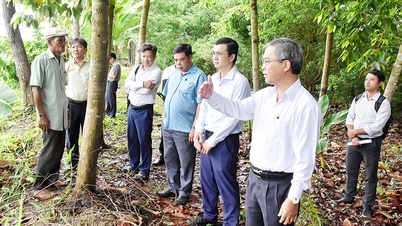
Ngo village, An Khanh commune, currently has 240 households. According to the proposed plan, the village will maintain its current area and number of households, but the local officials may change.
Mr. Ngo Van Hung, Party Secretary and Village Head, who has been involved in grassroots work since 2005, expressed his hope that after the reorganization, the staff will have better qualifications and capabilities to support people more effectively in their daily lives. Along with that, there needs to be appropriate policies and regulations for those officials who retire after the reorganization.
The development of restructuring plans in villages and residential areas demonstrates the proactive approach of localities throughout the province. In June, many important tasks will continue to be implemented, such as gathering public opinions, resolving issues related to benefits and policies for part-time officials, consolidating the organizational structure, and stabilizing operations after restructuring.
The large volume of work in a short time requires decisive, coordinated, and highly responsible efforts from all levels, sectors, and localities to ensure the completion of the rearrangement and merger of villages and residential areas on schedule as directed by the Government.
Source: https://baothainguyen.vn/thoi-su-thai-nguyen/202606/nhanh-chong-thuc-hien-sap-xep-thon-to-dan-pho-f6167d4/













































































Comment (0)