Japan is striving to attract ultra-wealthy tourists, who account for only 0.9% of international visitors but generate 11.5% of revenue.
Japan has implemented a series of policies such as streamlining administrative procedures and facilitating easy entry for visitors arriving by helicopter and superyachts (24 meters or longer).
According to the Ministry of Transport , the requirement for private jet passengers to notify the authorities 10 days in advance for entry will be reduced to three days. They will also be allowed to apply for a 24-hour advance landing permit program called "unavoidable circumstances" (emergencies). The government is drafting plans to amend civil aviation law to align with these strategies.
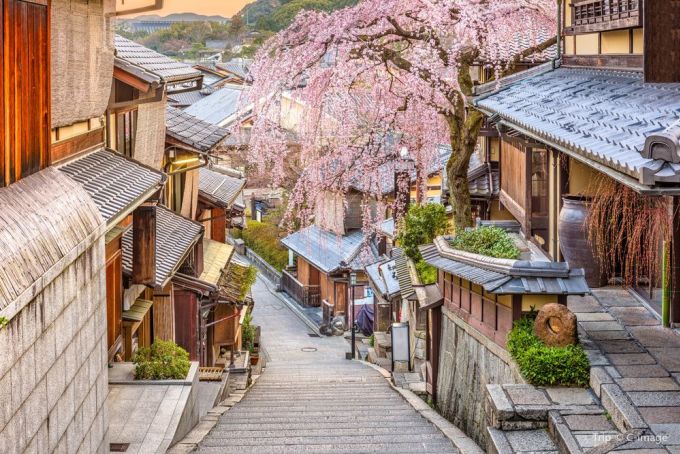
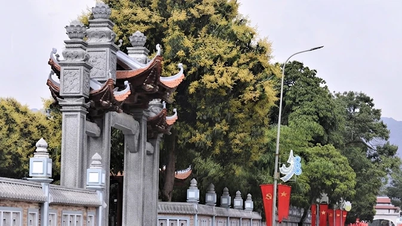
A neighborhood in Kyoto. Photo: Trip.com
This move aims to increase competitiveness with other luxury Asian destinations such as Singapore. In 2019, wealthy tourists accounted for less than 1% of visitors to Japan, but their spending represented 11.5% of total international tourism revenue.


Kyodo News reported that nearly 6,000 people arrived in Japan on private planes in 2019. This number dropped to 1,332 in 2021 due to the pandemic and then increased to over 3,100 in 2022 as tourism activities reopened.
Local tour operators say the new initiative could attract many millionaire travelers across the Asia-Pacific region who suddenly develop a liking for Japan and are heading there on a whim. Japan's luxury tourism sector is also booming. In addition to offering luxury hotels, high-end dining is also a focus of the tourism industry.
Nevertheless, Japan still faces a lack of infrastructure that wealthy people around the world desire, such as luxury lounges (where passengers can wait while awaiting immigration), concierge services, and chauffeur-driven vehicles—services they are accustomed to using in Monaco, Dubai, Switzerland, or the United States.
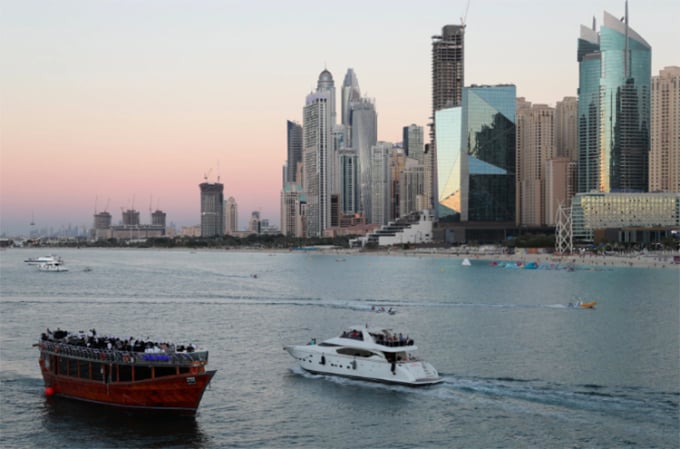
Passengers on a cruise ship (white) pass by a vessel serving dinner to tourists in Dubai, UAE. Photo: AP
Ashley Harvey, an analyst with over 15 years of experience in the Japanese tourism industry, said the government can only support the easing of regulations. Attracting tourists depends on whether the tourism industry can seize the opportunity. Harvey predicts that coastal cities like Fukuoka, Atami, and Naha could attract large cruise ships, similar to what Monte Carlo (Monaco), Dubai, and Singapore are doing. These Mediterranean and Caribbean cities attract tourists by providing services to yacht owners. Japan hopes the new regulations will create similar tourist destinations in the Pacific.

Hiro Miyatake, founder of the luxury travel network Bear Luxe Corp, said that demand in the high-end segment of the travel market has recovered strongly and continues to grow. Making it easier for guests to arrive by private jet and superyacht is just the first step. "My concern is what they will do after they get off the plane," Hiro said.
( By Anh Minh , according to SCMP )
Source link