

Following in the footsteps of the army
In the history of Vietnamese literature and art, there have been few periods where the gap between the written word and the trenches was as blurred as during the resistance war against the US. Many writers and poets of this period were soldiers. They shouldered their backpacks, lived, fought, and wrote right under artillery fire. Their pens became sharp weapons, igniting patriotism and national pride.
According to critics, the literature of this period was strongly epic in nature. The general tone was one of praising revolutionary heroism and celebrating ordinary yet great people. In particular, young, enthusiastic writers such as Pham Tien Duat, Le Anh Xuan, Huu Thinh, Nguyen Thi... breathed a fiery wind into the literary scene.
.jpg)
A prime example is the poet Pham Tien Duat. His poem , "A Poem About a Squad of Vehicles Without Windshields," wittily and realistically portrays the circumstances and spirit of the soldiers at that time. The image of vehicles with broken windows and scratched paint speeding through bomb rain on the Truong Son road became a symbol of that generation: playful, rebellious, but also courageous.
Literary critic Vu Quan Phuong likened literature, especially poetry, during this period to a powerful explosion from the generation that fought against America, awakening and urging countless people to take up arms.
Balancing realism and romance
The appeal of literature and poetry during the anti-American war period also lies in its soaring romanticism and love of life. Many works show that amidst the harsh reality, where the boundary between life and death is blurred, the souls of soldiers and volunteer youth remain full of dreams. They do not shy away from death, but view it with a calm demeanor, transcending fear.
In prose, the short story "Distant Stars " (1971) by female writer Le Minh Khue exemplifies this blend. Three young female volunteers living on a high point of the front line, filling bomb craters day and night, yet still retaining their innocence and dreams, have touched the hearts of millions of readers.
It is evident that the fervent atmosphere of "setting out on the journey" in real life permeated literature, crystallizing into epic images that symbolize patriotism.
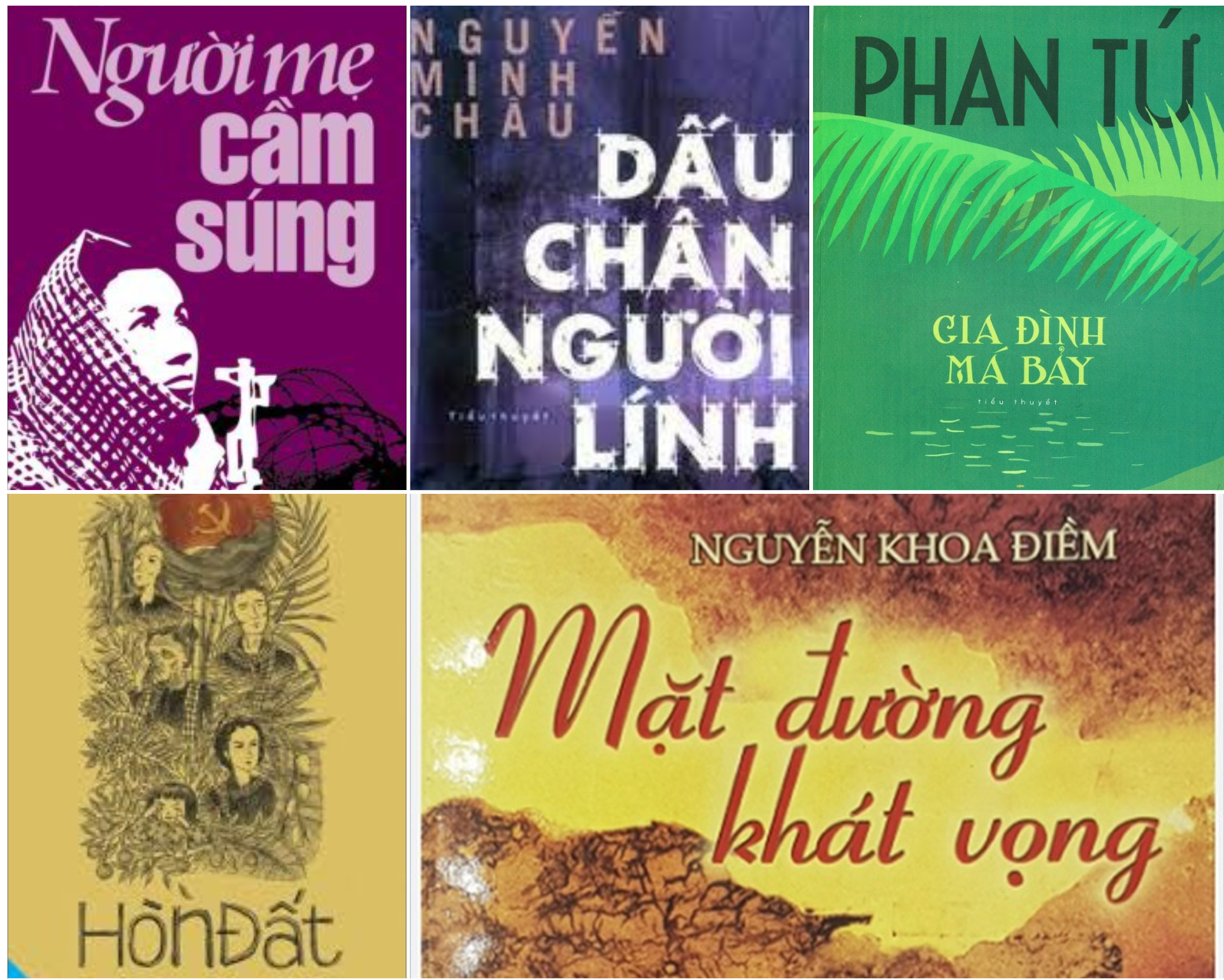
Works such as "The Mother with a Gun " (1965) by Nguyen Thi, "Hon Dat" (1964-1965) by Anh Duc, "Mother Bay's Family " (1968) by Phan Tu, "Footprints of a Soldier" (1969) by Nguyen Minh Chau, "The Song of the Chơ-rao Bird " (1962) by Thu Bon... have created characters full of revolutionary ideals, guiding readers towards the noble and heroic.
Looking at the balance between realism and romanticism in literature of this period, Professor Phong Le, former Director of the Institute of Literature, affirmed: Heroism in anti-American war literature is not dry or dogmatic, but is nurtured by a rich romanticism. Without romanticism, it would be difficult for people to overcome such immense sacrifices and losses. It is the intoxicating elixir that helps people stand firm in the face of bombs and bullets.
A deep understanding of the nation's origins.
One of the great ideological achievements of anti-American war literature was the profound awakening and awareness of the people and the country. Amidst the bombing and shelling, writers and poets returned to the roots of national culture, transforming culture into a great "internal strength" to fight against the enemy.
The epic poem "The Road of Thirsting Hopes " (1971) by poet Nguyen Khoa Diem is the pinnacle of this line of thinking. Through the lens of a committed young intellectual, the country is no longer an abstract concept but is affirmed: The country of the people / The country of folk songs and myths. The country takes shape in the fairy tales mothers tell, in the betel quid of grandmothers, in the rice harvested under the sun and dew... This concept creates immense spiritual strength, encouraging soldiers to take up arms and fight.
Although the war ended more than half a century ago, despite its significant historical context and political mission, the literature and poetry of the resistance period against the US still retain their vitality. They stand as a linguistic monument to the character, patriotism, and self-reliance of the Vietnamese people.
According to poet Bang Viet, the life of the Vietnamese people during the anti-American war era was one of struggle and striving to survive, to hold their heads high as human beings, embodying the full and beautiful meaning of the words "Human Being." This is analogous to the goals that literature always aims for: the values of truth, goodness, and beauty.
In the context of today's national integration and development, looking back at the literary heritage of that war-torn era is a way to awaken cultural strength, an intrinsic power to build the future.
Source: https://daibieunhandan.vn/nhung-ang-van-tac-dang-hinh-dat-nuoc-10415452.html




































































Comment (0)