1. As one of the well-preserved relics within the Thang Long Imperial Citadel World Heritage Site, the Hanoi Flagpole is a historical landmark and a symbolic symbol of Hanoi.
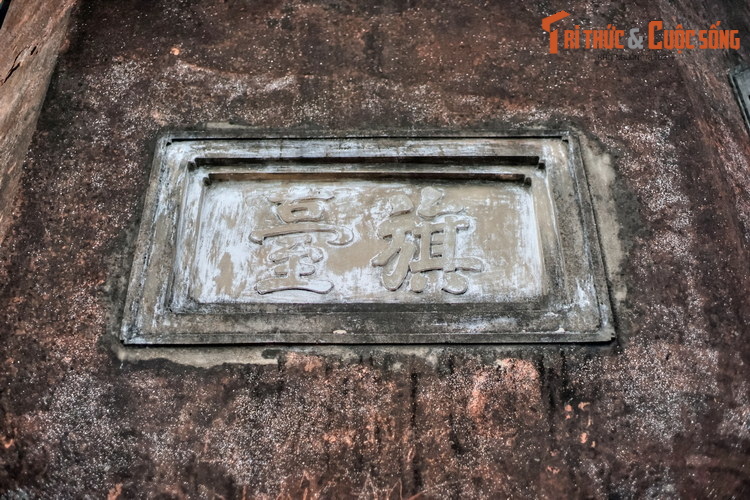
Built between 1805 and 1812 during the reign of King Gia Long, the flagpole, officially known as the Flag Tower, is located on the southern part of Thang Long Imperial Citadel.

The flagpole has a tower-like structure, standing 41 meters tall, consisting of a three-tiered base and a column, with a staircase inside leading to the top. The top of the flagpole is an octagonal pavilion, with a tall circular pillar in the center where the flagpole is attached.

For over two centuries, the Hanoi Flagpole has witnessed many glorious moments in the capital's history. The image of this iconic structure was even prominently featured on the first banknotes issued by the State Bank of Vietnam.
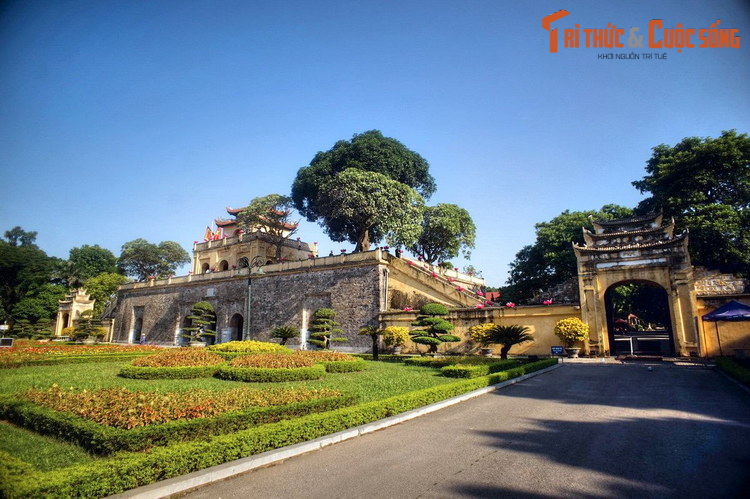
2. Doan Mon Gate is the main southern gate leading into the ancient Thang Long Forbidden City. It is the most imposing structure in the complex of relics belonging to the Thang Long Imperial Citadel.

Built during the Le Dynasty and renovated during the Nguyen Dynasty, Doan Mon Gate has five arched stone gates symmetrically arranged along the sacred axis of the Imperial Citadel. The largest central gate was reserved for the king, while the others were for officials, royal family members, and other dignitaries to enter and exit the Forbidden City.
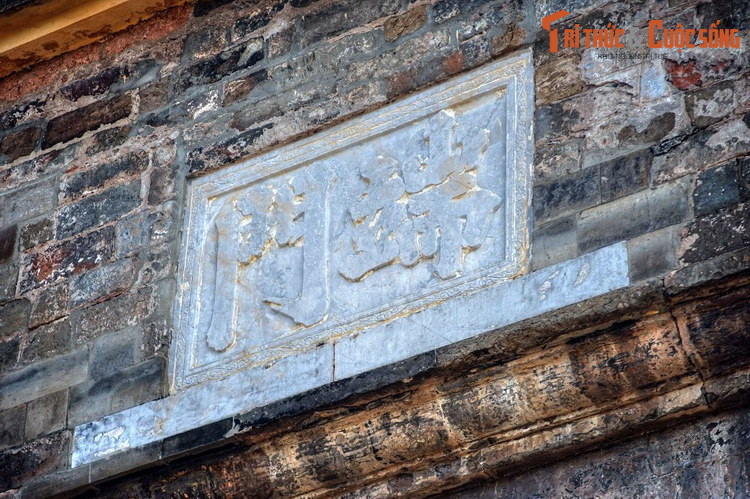
Despite the ups and downs of history, the centuries-old city gates of Thang Long still retain their solidity and majesty.
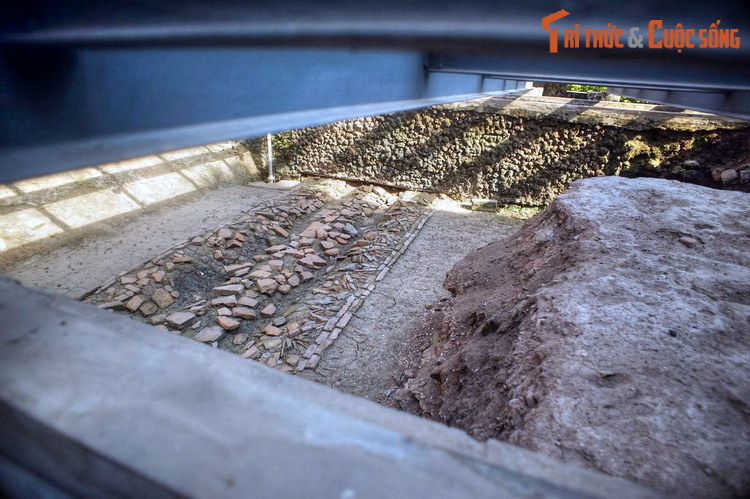
Behind the Đoan Môn gate, in 1999, archaeologists excavated an 85.2 m² pit to search for traces of the ancient Imperial Road. Today, this pit is left open to the public for visitors to explore.
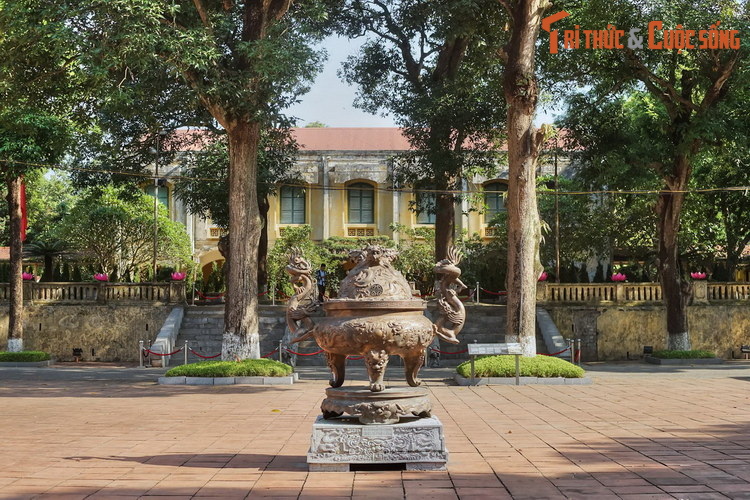
3. Located in the heart of Thang Long Imperial Citadel, Kinh Thien Palace was the most important palace in the ancient capital of Thang Long. It was where the most solemn ceremonies of the court were held, foreign envoys were received, and important national affairs were discussed.
You may also like

"Reviving" the Thang Long Imperial Citadel historical site.After becoming a World Cultural Heritage site, Thang Long Imperial Citadel had to both preserve its precious relics and artifacts in the best possible condition and effectively research, interpret, recreate, restore, and promote their value. Scientific research results are becoming the foundation for "reviving" the heritage through cultural industries. 
Truc Lam Tay Thien Monastery: Reviving a Vietnamese Buddhist RootThe construction of Truc Lam Tay Thien Zen Monastery is not just about building an architectural structure, but about reviving an ancient Buddhist landmark, continuing the lifeblood of the Truc Lam Zen sect from the Tran Dynasty, and creating a space for spiritual practice and tourism that is deeply rooted in Vietnamese identity. 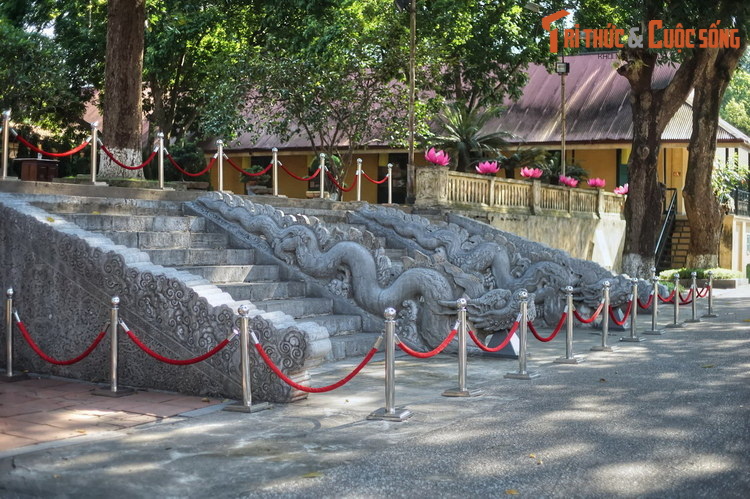
The Kính Thiên Palace was built in 1428 during the reign of King Lê Thái Tổ. At the beginning of the Nguyễn dynasty, King Gia Long used this place as a royal palace for his travels to the North. During the French colonial period, the French demolished the Kính Thiên palace and built an artillery command headquarters.

Today, the only remaining traces of the ancient Kính Thiên royal palace are the steps and the foundation of the main hall. In front of the hall are 10 stone steps with railings shaped like dragons, dividing the hall's foundation into three sections. Behind the hall are 7 smaller steps, flanked by two stone dragons of a similar style.

According to researchers, the pair of stone dragons at Kính Thiên Palace were erected in 1467. This is an architectural heritage of exceptional value, representative of the sculptural art of the Early Lê Dynasty.
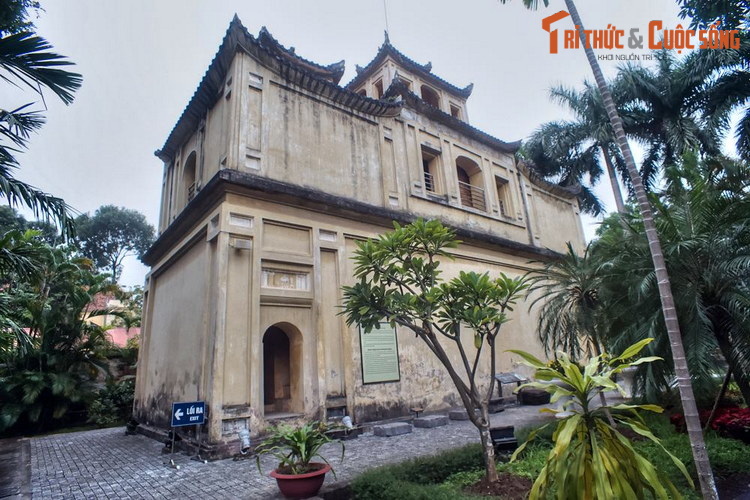
4. Located behind the Kính Thiên Palace, the Hậu Lâu (Rear Pavilion) is a unique structure within the Thăng Long Imperial Citadel.
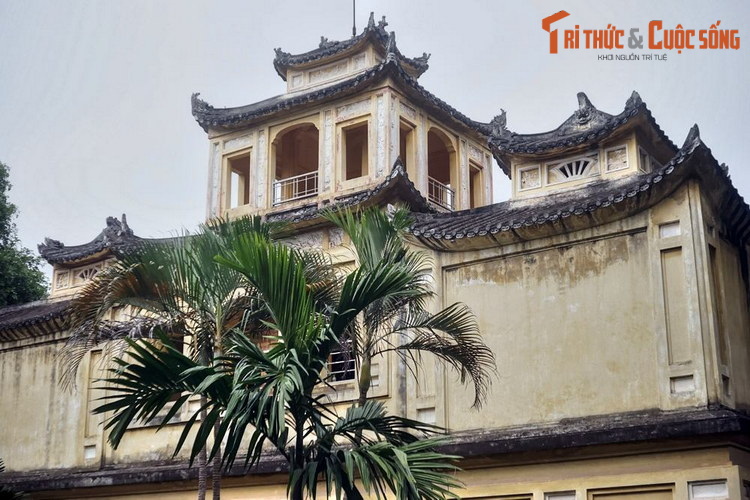
This building was constructed north of the royal palace with the purpose of maintaining peace and tranquility (according to feng shui), and is therefore also known as the Tranquil North Pavilion or the Rear Pavilion. Because it served as a resting place for the women in the royal escort accompanying King Nguyen on his journey to the North Citadel, it is also known as the Princess Pavilion.
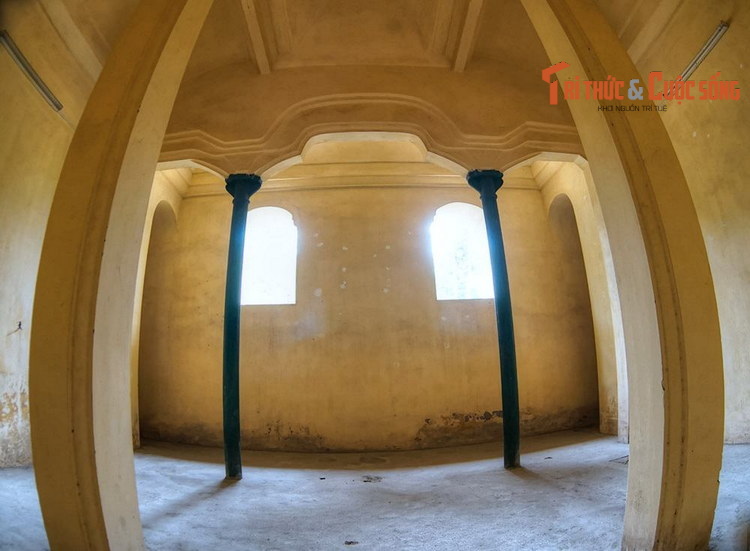
During the French bombing of Hanoi, the Hậu Lâu building was in ruins, but it was later rebuilt by the French to serve as a barracks for their army.
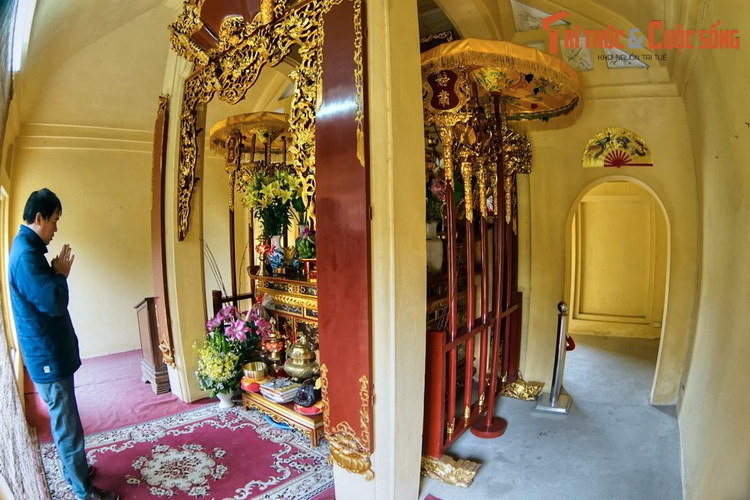
Therefore, the current architecture of Hau Lau is a blend of Vietnamese palace architecture and 18th-century French architecture.
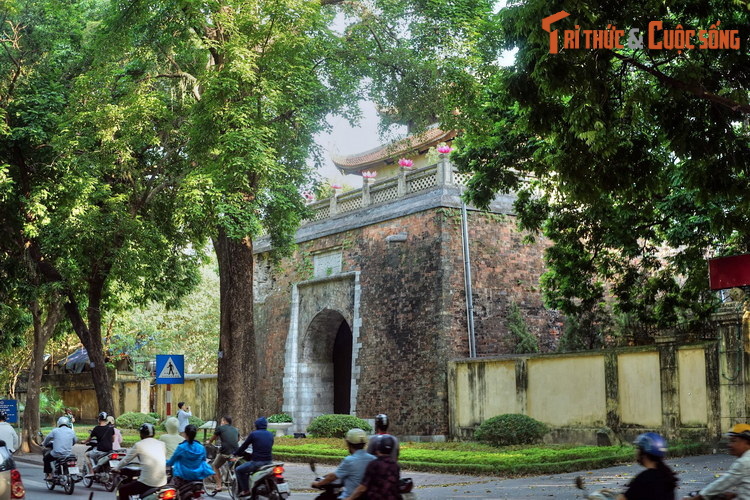
5. Located on Phan Dinh Phung Street, the North Gate, or Northern Gate, was built in 1805 on the foundation of the Northern Gate of Thang Long Imperial Citadel during the Le Dynasty.
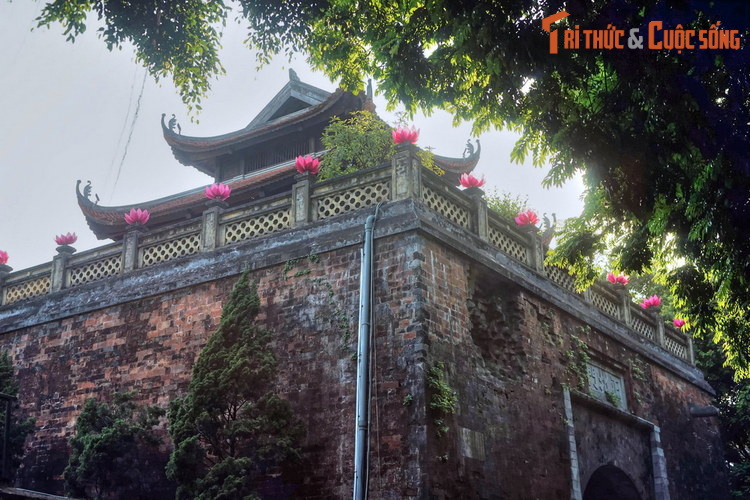
Similar to Đoan Môn, Bắc Môn was built in the style of a watchtower – the tower part is on top and the wall part is below. The wall part was built very solidly with stone and brick, with a stone base. The gate, connecting the front to the back, was built in the style of an arched gateway.
You may also like
Connecting the pieces of the heritage urban puzzleCreating infrastructure breakthroughs and promoting cultural identity are top priorities for all levels and sectors of the city when carrying out urban planning in localities that possess the World Cultural Heritage site of Hoi An Ancient Town. 
Admire the treasures of Thang Long Imperial Palace.Making its debut, the exhibition "Treasures of Thang Long Imperial Palace" aims to introduce to the public the most representative and unique artifacts unearthed at Thang Long Imperial Citadel from 2002 to the present. 
The upper part of the building has been partially reconstructed using a wooden frame in the style of an eight-roofed pagoda, covered with traditional tiles, and has doors opening in four directions. This is a place of worship for Nguyen Tri Phuong and Hoang Dieu, two historical figures who sacrificed their lives to defend Hanoi against the French colonial invasion.

According to researchers, although the North Gate was built by the Nguyen dynasty, at the foot of this gate lie layers upon layers of ramparts from previous dynasties, affirming the continuity of Thang Long Imperial Citadel's thousand-year history.
Source: https://baothaibinh.com.vn/tin-tuc/54/138371/nhung-cong-trinh-nao-cua-hoang-thanh-thang-long-con-lai-den-nay



![[Photo] Prime Minister Le Minh Hung presides over the thematic session on promoting science and technology development and innovation.](https://vphoto.vietnam.vn/thumb/1200x675/vietnam/resource/IMAGE/2026/06/23/1782207872934_ndo_br_dsc-1724-jpg.webp)