

Nutritional components of corn silk
Corn silk, a part often discarded during corn processing, is considered a rare and valuable medicinal herb, even comparable to ginseng in terms of nutritional value. Known as "ngọc mễ tu," corn silk is frequently used in traditional medicine to treat liver and gallbladder-related diseases.
According to Dr. Bui Thi Yen Nhi, a specialist at the University Medical Center of Ho Chi Minh City - Branch 3, corn silk contains vitamin A, vitamin K, vitamin B1, B2, B6 (pyridoxine), vitamin C, vitamin PP, flavonoids, pantothenic acid, inositol, saponins, steroids such as sytosterol and signmasterol, bitter substances, fatty oils, traces of essential oils, and many other trace elements.
It can be said that corn silk is a natural blend of many vitamins and micronutrients essential for the body, providing better antioxidant protection than any other supplement.
According to Doctor Yen Nhi, corn silk has diuretic and heat-clearing effects, and is commonly used as a medicine to promote bile flow, treat jaundice, edema, reduce swelling, eliminate dampness toxins, and as a diuretic to clear urinary tract infections, clear blood heat, and lower blood pressure.
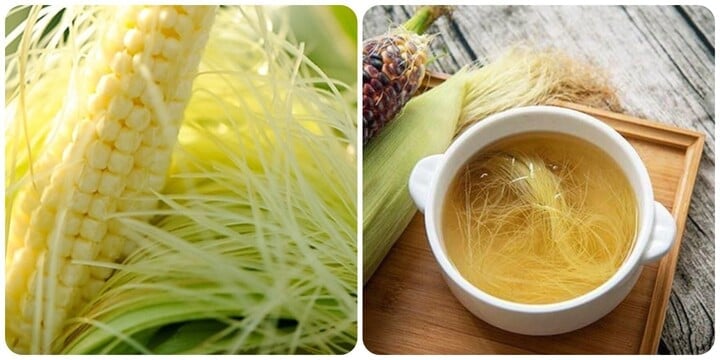
Although corn silk tea is good for health, it's not suitable for everyone.
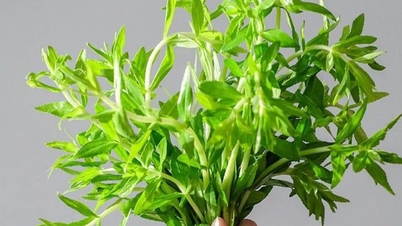
In folk medicine, corn silk water is often used as an effective method to cool the body and balance liver function. To enhance its effectiveness, corn silk water is often combined with other herbs such as plantain, chrysanthemum, cogon grass root, and sugarcane, to create a refreshing, cooling, and health-beneficial drink.
According to pediatricians, corn silk tea contains substances such as saponins and flavonoids, which help dilate blood vessels, reduce extracellular fluid, and increase sodium excretion. Drinking corn silk tea can lower blood pressure, stabilize blood sugar, and support the treatment of high blood lipids.
People who should not drink corn silk tea
While corn silk tea is good for health, it's not suitable for everyone. Doctor Yen Nhi advises the following groups of people to limit their consumption of corn silk tea:
- People with hypoglycemia: Drinking corn silk tea can cause low blood pressure, leading to dizziness, fatigue, and other unpleasant gastrointestinal symptoms, and may even worsen low blood pressure.
For patients experiencing hypoglycemia, drinking corn silk tea may worsen hypoglycemic symptoms such as palpitations, tremors, and sweating.
- People with pollen allergies: Corn silk contains a certain amount of pollen that can cause discomfort for those with pollen allergies.
- People taking medication: Patients taking anticoagulants should not use corn silk tea.
Pediatrician Yen also advises that everyone's physical condition and health status are different, so before using corn silk tea, it is best to consult a specialist doctor for advice to ensure safety and effectiveness. Furthermore, if you are taking other medications to treat illnesses that may interact with corn silk tea, consulting a specialist doctor is even more necessary.
Source: https://vtcnews.vn/nhung-nguoi-khong-nen-uong-nuoc-rau-ngo-ar912517.html



![[Photo] Ba Lang An Lighthouse - the "eye of the sea" amidst the "rock museum" of Quang Ngai province.](https://vphoto.vietnam.vn/thumb/1200x675/vietnam/resource/IMAGE/2026/05/29/1780038698840_anh-man-hinh-2026-05-29-luc-14-10-42.png)

![[Image] Pleasant weather helps students enter the 10th grade entrance exam with confidence.](https://vphoto.vietnam.vn/thumb/1200x675/vietnam/resource/IMAGE/2026/05/29/1780034401612_ngay-1-thi-lop-10-minh-duy-8-5009-jpg.webp)















































































Comment (0)