

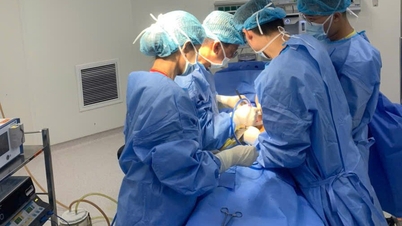
Gallstones are one of the most common gallbladder diseases and are on the rise. The main causes are related to cholesterol metabolism disorders and infections.
Diet plays a crucial role for patients with gallstones (gallbladder stones) as it directly affects the formation and development of gallstones. Patients need a suitable diet to manage their symptoms.
People with gallstones should avoid foods high in fat and cholesterol such as red meat, animal fat, skin, offal, chicken eggs, fried foods, fast food, whole milk, cheese, and sausages to maintain good health and limit the growth of gallstones.
The importance of diet for patients with gallstones.
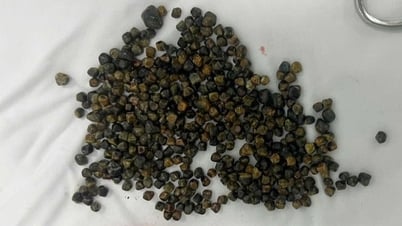
Gallstones are crystal-like deposits that develop in the gallbladder. The gallbladder is a small, pear-shaped organ that stores bile, a digestive fluid produced by the liver. The gallbladder's main function is to store bile, which helps the body break down fats.
Most cases of gallstones are asymptomatic. However, the longer the stones remain in the gallbladder, the greater the likelihood of them becoming a problem. This is when the gallstones move and become lodged in a bile duct, causing abdominal pain, possibly accompanied by nausea, indigestion, or fever.
Gallstones can also obstruct the common bile duct, which carries bile into the small intestine, and the hepatic ducts, which carry bile out of the liver. Obstructions in the bile ducts cause inflammation and infection. Obstruction of the common bile duct, which merges with the pancreatic duct in the small intestine, can easily lead to pancreatitis.
Since the gallbladder's main function is to store bile, which helps the body break down fatty foods, when we eat, the gallbladder releases its stored bile into the cystic duct. From there, the fluid passes through the common bile duct and into the small intestine to mix with food.
Research shows that the main components of bile are cholesterol and bile acids. Normally, the concentration of bile acids is high enough to break down the cholesterol in the mixture and keep it in liquid form. However, if a person has a high-fat diet, this balance can be upset, causing the liver to produce more cholesterol than the bile acids can handle.
This results in some of the excess cholesterol beginning to solidify into crystals, also known as gallstones. About 80% of gallstones are called cholesterol stones and are formed this way. The remaining 20% consist of calcium mixed with the bile pigment bilirubin, known as pigment stones. Sickle cell anemia and other blood disorders where red blood cells are destroyed can often lead to pigment gallstones.
Because diet has a significant impact on gallbladder health, patients with gallstones, in addition to following their doctor's treatment instructions, need to adopt a scientific diet: eating a balanced diet, increasing fiber-rich foods, consuming moderate amounts of fat, and keeping cholesterol low to reduce the risk of gallstone formation and development, thereby contributing to improved treatment effectiveness and symptom relief.
Therefore, the diet of gallstone patients needs careful selection and limitation of certain foods. The general principle is to avoid foods and drinks high in animal fat, cholesterol, and stimulants; instead, they should prioritize fresh fruits and vegetables rich in vitamins (especially vitamin A) and foods containing many unsaturated fatty acids.
Here are 8 types of vegetables that are good for people with gallstones.
1. Winter melon
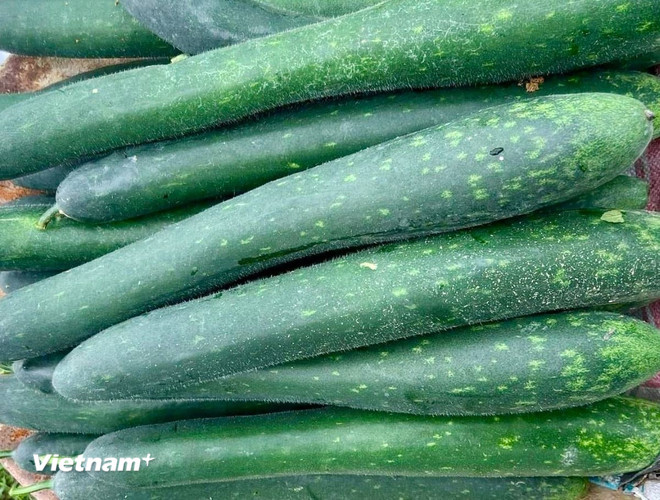
Winter melon has a sweet taste and a cooling nature. It helps to clear heat, eliminate phlegm, promote urination, reduce toxins, and aid in weight loss, making it very suitable for people with cholecystitis and gallstones; it can be prepared in various dishes or juiced.
Winter melon peel also has the effect of clearing heat, promoting diuresis, stimulating bile production, and reducing swelling; fresh peel can be brewed into a tea and drunk throughout the day.
2. Carrots
Carrots are sweet and neutral in nature, and have the effect of strengthening the spleen and aiding digestion, benefiting the intestines, nourishing the liver and improving eyesight, clearing heat and detoxifying, and relieving coughs. This vegetable is very rich in carotenoids, which are converted into vitamin A by the liver in the body, helping to reduce the formation of gallstones.
3. Radishes
Radishes have a sweet and spicy taste, a cooling nature, and are effective in clearing heat, generating fluids, cooling the blood, stopping bleeding, dissolving phlegm, relieving cough, promoting urination, and detoxifying... making them an ideal food for people with gallstones and urinary tract stones. The best way to consume radishes is to wash them fresh and juice them.
4. Young tubers of the water chestnut plant
With its sweet taste and cooling properties, the young tubers of the water chestnut plant have diuretic effects, quench thirst, relieve discomfort, clear heat and detoxify, and promote lactation. Containing many proteins, vitamins, and minerals, it is an ideal food for people with high blood pressure, gallstones, and postpartum women with low milk production; it can be consumed fresh, brewed into a tea several times a day.
5. Water chestnut
Water chestnut has a sweet taste and a slightly cooling nature. It is used to clear heat, generate fluids, cool the blood, detoxify, and dissolve phlegm; it can be eaten raw, juiced, or washed, chopped, and brewed into a tea.
6. Corn silk
Corn silk has a sweet taste and neutral properties; it is effective in clearing heat, promoting diuresis, stimulating bile flow, and lowering blood sugar. It is very suitable for people with high blood pressure, nephritis, urinary tract infections, urinary stones, cholecystitis, gallstones, jaundice, and diabetes. Consume 40-60g daily, brewed as a tea substitute.
7. Celery
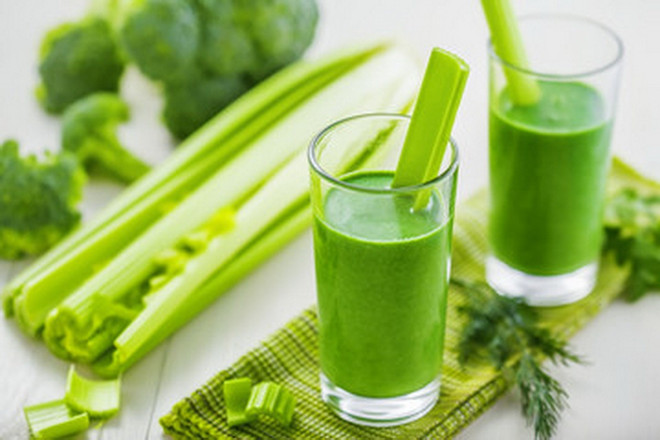
With its sweet and bitter taste and cooling properties, celery helps to clear heat, calm the liver, promote bile flow, promote diuresis, strengthen the stomach, lower blood pressure, and reduce blood lipids. It is an ideal food for people with high blood pressure, dyslipidemia, atherosclerosis, urinary tract infections, cholangitis, and gallstones; it can be stir-fried in dishes, eaten raw, or washed and juiced.
8. Houttuynia cordata (fish mint)
Houttuynia cordata has a pungent taste and a cooling nature; it is effective in clearing heat and detoxifying, promoting diuresis and reducing swelling, making it very suitable for people with inflammatory conditions, cholecystitis, and gallstones. It can be eaten raw or brewed into a tea substitute daily, in amounts of 160-200g.
Source: https://www.vietnamplus.vn/8-loai-rau-cu-quen-thuoc-huu-ich-cho-nguoi-benh-soi-mat-post1070006.vnp






























![[Video] The craft of making Dong Ho folk paintings has been inscribed by UNESCO on the List of Crafts in Need of Urgent Safeguarding.](https://vphoto.vietnam.vn/thumb/402x226/vietnam/resource/IMAGE/2025/12/10/1765350246533_tranh-dong-ho-734-jpg.webp)

























































Comment (0)