

Gallstones are a common ailment among those suffering from the intense pain they cause. The disease is caused by many factors, including diet.
Gallstones form due to the accumulation of excessive cholesterol, causing an imbalance with other components. The stones grow very quickly and directly affect the function of the digestive system.
Dangerous complications of gallstones
Cholecystitis: Gallstones move continuously within the gallbladder; the larger the stones, the greater the inflammation. Patients often experience high fever that is difficult to bring down at home.
Cholangitis: Gallstones form in the bile ducts due to stones falling from the gallbladder and obstructing the flow of bile into the duodenum. Over time, the bile ducts will also become inflamed as large stones dilate them.
Bile duct obstruction: This is a very common complication of gallstones. When large stones fill the gallbladder, bile cannot flow out, causing a blockage. This is very dangerous, and jaundice often develops as a result.
Gallbladder cancer: The lesions inside the gallbladder become increasingly numerous, and the chances of healing decrease. The gallbladder's function declines, and it no longer performs its role.
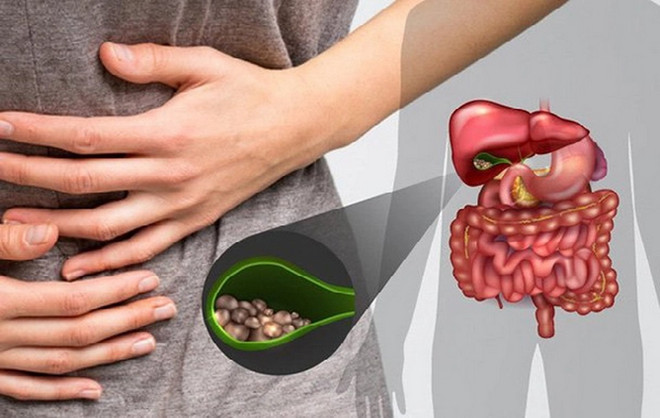
Cirrhosis and liver cancer: Liver function gradually declines as gallstones grow larger. If the liver is unable to eliminate toxins, it becomes very dangerous, and there is a high chance you may develop liver cancer.
Why should people with gallstones avoid fatty foods?
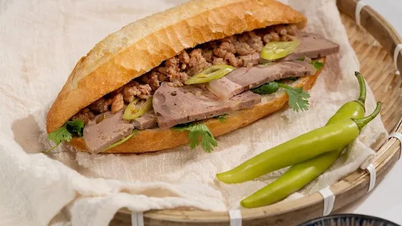
Fatty foods contain a lot of bad cholesterol, which is harmful to the liver and gallbladder. The bile produced by the liver and gallbladder is insufficient to eliminate this fat. Over time, this increases the likelihood of gallstone formation.
Nowadays, young people love to eat fast food and processed foods. But they don't realize that these foods contain a lot of unhealthy fats. Fried and stir-fried foods are no exception, so you need to limit your consumption and eat a balanced diet!
In addition, you should also limit your alcohol consumption because it can affect the function of your liver and gallbladder. Drinking alcoholic beverages increases pressure on the liver, gallbladder, and kidneys, thus significantly increasing the risk of kidney stones, gallstones, and cirrhosis.
In people with gallstones, due to chronic irritation from the stones in the gallbladder over time, along with poor bile flow, the gallbladder wall thickens, and its contractile function weakens. If the patient consumes foods high in protein and fat, the intestines will secrete more substances that cause gallbladder contraction, forcing the already diseased gallbladder to work overtime, leading to clinical symptoms such as pain, vomiting, and aversion to fatty foods.
In some cases, gallstones, propelled by the contractions of the gallbladder, move towards a narrowed bile duct, obstructing the passage of bile, causing bile stasis, increased pressure inside the bile duct, leading to biliary colic and cholangitis. Analysis shows that people with gallstones should limit their intake of foods high in fat and protein.
However, limiting fatty foods doesn't mean avoiding them completely. By changing the cooking methods such as stewing, making soup, boiling, or steaming, they can still be consumed. Patients with gallstones should also eat a small amount of chicken eggs, as eggs don't cause biliary colic and provide the necessary stimulation for the gallbladder, promoting timely bile secretion, preventing bile stagnation, and avoiding the formation of gallstones.
Ways to prevent gallstones
Everyone should proactively prevent gallstones and protect their personal health from the risks of dangerous complications, specifically:
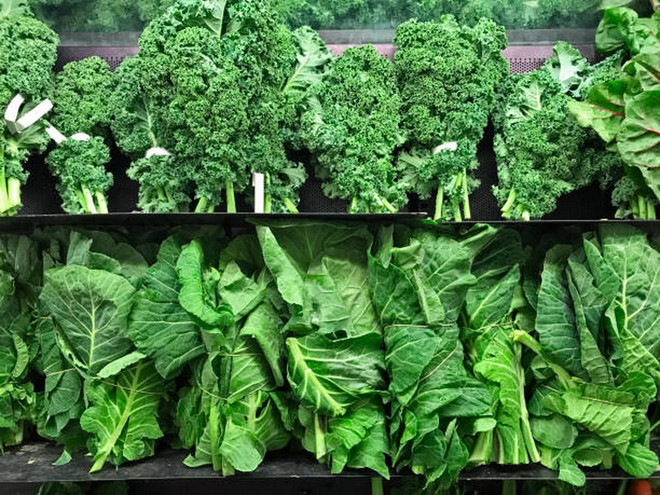
- Eat a healthy diet, including plenty of fresh fruits, vegetables, whole grains, and healthy fats from olive oil and fish.
- Limit your intake of starchy foods, sugary foods, and unhealthy fats.
- Regularly exercising for at least 30 minutes a day, 5 days a week, can help prevent conditions that may increase the risk of developing gallstones.
- Proactively undergo regular health checkups for effective gallstone screening.
- You should not starve yourself or use quick weight loss methods.
Avoiding foods high in saturated fats can help reduce the risk of gallstone formation, such as hard cheeses, butter, cookies, and pastries.
- Proactive regular health check-ups help screen for diseases and detect gallstones early (if present) for timely treatment, preventing dangerous complications.
Source: https://www.vietnamplus.vn/vi-sao-nguoi-bi-benh-soi-mat-khong-nen-an-thuc-pham-nhieu-dau-mo-post1070023.vnp





















































































Comment (0)