

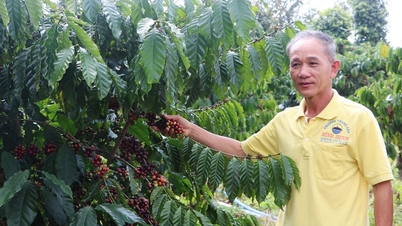
Arabica coffee plants were introduced to Dien Bien in the 1970s and gradually developed steadily in the Dien Bien and Muong Ang coffee plantations. After decades of cultivation, Muong Ang coffee has become a representative product of the locality, and has been displayed and served at the 15th National Assembly sessions, contributing to promoting the image of the Muong Ang region to the whole country.
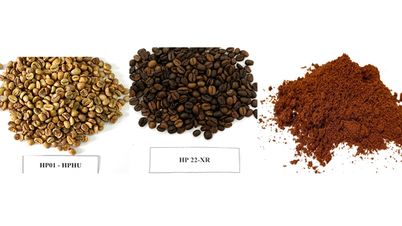
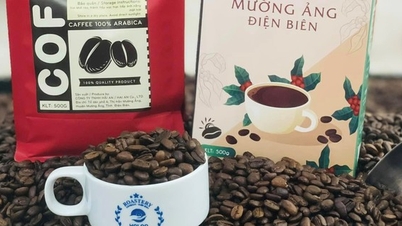
Muong Ang coffee is protected under three product forms: green coffee beans, roasted coffee beans, and ground coffee. In green coffee bean form, the product has a grayish-green color, slightly green endosperm, and a particle size of four millimeters or more. Caffeine content is 1.21% or higher, crude protein content ranges from 10.10% to 14.96%, and sugar content from 4.09% to 7.99%. Roasted coffee beans and ground coffee have a delicate aroma of flowers and fruits blended with honey, caffeine content is 1.01% or higher, and crude protein content ranges from 10.16% to 12.96%.
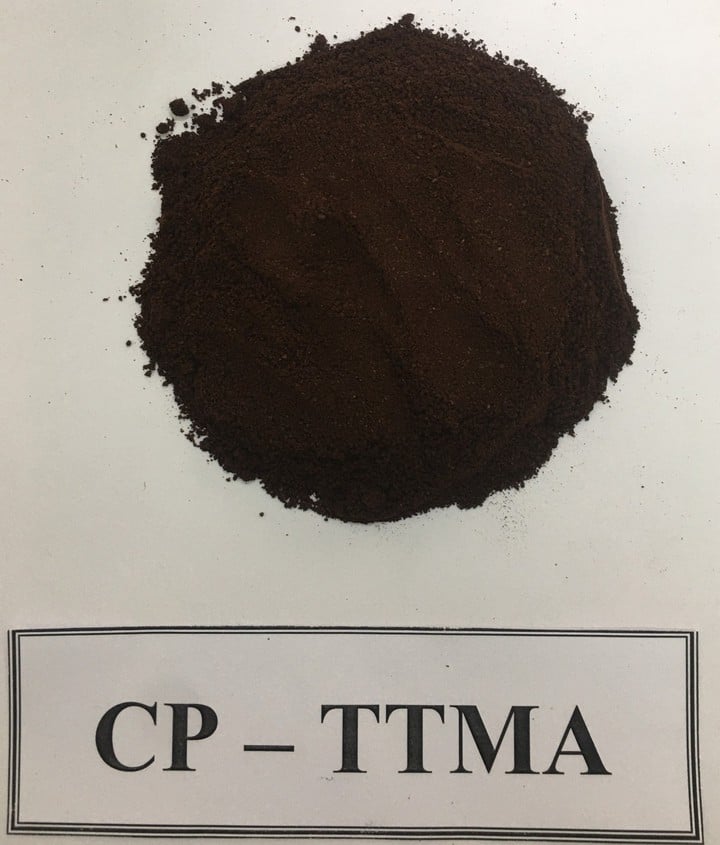
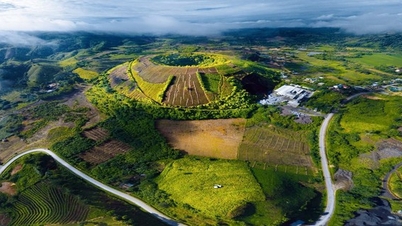
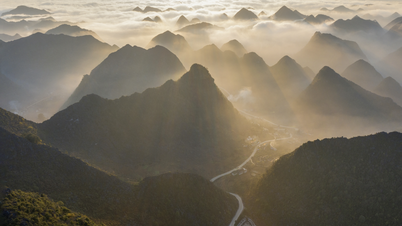
The unique characteristics and quality of Muong Ang coffee are formed from a combination of natural conditions, soil, climate, and the farming techniques of the local people. The Muong Ang coffee region is located in the eastern part of Dien Bien province, at an altitude of about 600 meters above sea level. This altitude is lower than some famous Arabica regions such as Son La or Di Linh, leading to differences in color and bean size. Muong Ang coffee beans tend to be darker in color, have a higher caffeine content, and a lower sugar content compared to coffee grown at higher altitudes.
Soil factors also contribute to the distinctive quality of the product. Coffee-growing soil in Muong Ang has a medium proportion of fine sand and a suitable amount of readily available potassium, while also being rich in trace elements such as copper and zinc. This condition helps the coffee beans achieve an ideal crude protein content. In addition, harvesting techniques are strictly controlled: coffee cherries are only picked when the ripeness rate reaches 95% or higher and impurities do not exceed 0.5%, thereby ensuring the uniformity of the raw materials.
The processing and roasting are carried out with strict control over time and temperature to preserve the product's distinctive flavor.
Another important factor contributing to the quality of Muong Ang coffee is the large diurnal temperature range during the period of dry matter formation and accumulation in the fruit. From May to September each year, the temperature range in Muong Ang fluctuates from 8.5°C to 11.5°C. This temperature difference promotes the accumulation of sugars, organic acids, and aroma precursors in the coffee beans. When combined with appropriate roasting techniques, these precursors transform to create the delicate floral and fruity aroma and honey flavor, the characteristic hallmark of Muong Ang coffee.
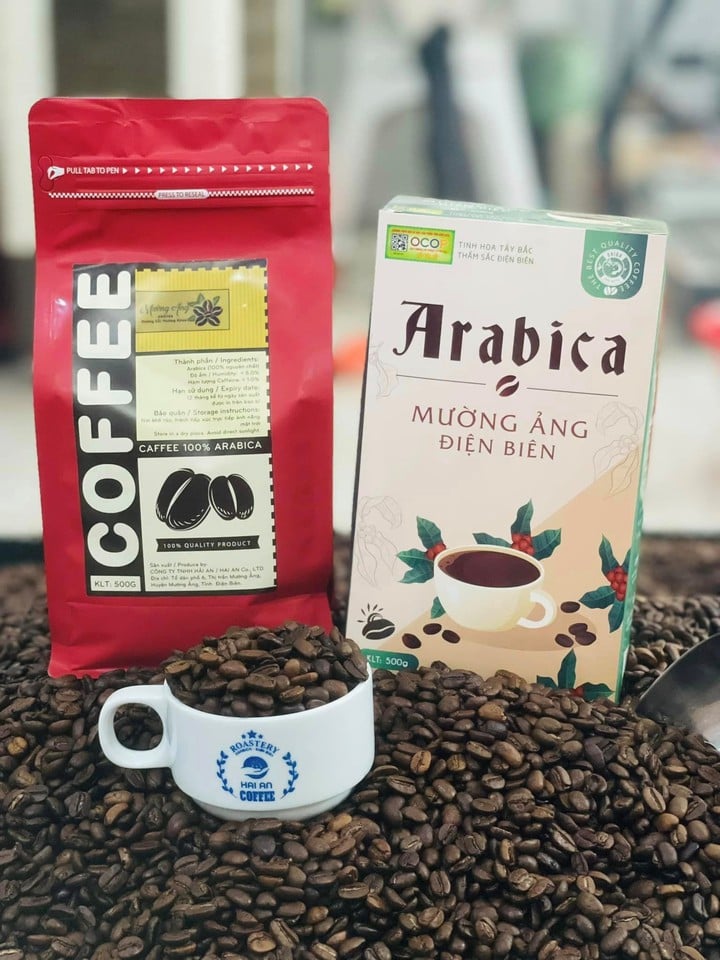
To ensure quality and traceability, product packaging is carried out locally. This helps maintain product consistency before it reaches the market.
Natural advantages, traditional farming methods, and improved processing techniques have created a reputation for Muong Ang coffee, one of the important coffee-growing regions of Northwest Vietnam. The geographical indication protection area includes the communes of Ang Cang, Ang Nua, Ang To, Bung Lao, Muong Dang, Ngoi Cay, Nam Lich, Xuan Lao, Muong Lan, and the town of Muong Ang in Muong Ang district, Dien Bien province (corresponding to the new administrative units from July 1, 2025). Obtaining geographical indication certification is a crucial step in enhancing the product's position in domestic and international markets, while also creating momentum for sustainable agricultural economic development in the locality.
Source: https://mst.gov.vn/bao-ho-chi-dan-dia-ly-muong-ang-cho-san-pham-ca-phe-197251210194437304.htm

















![[Video] The craft of making Dong Ho folk paintings has been inscribed by UNESCO on the List of Crafts in Need of Urgent Safeguarding.](https://vphoto.vietnam.vn/thumb/402x226/vietnam/resource/IMAGE/2025/12/10/1765350246533_tranh-dong-ho-734-jpg.webp)

















































Comment (0)