THE VOICE OF CULTURE, HISTORY, AND THE SOUL OF THE PEOPLE
From the simple, rustic melodies of traditional Southern Vietnamese folk music echoing through the riverine landscape, cải lương (Vietnamese reformed opera) has emerged and grown as a unique spiritual gift of the people of Southern Vietnam.
Professor Tran Van Khe, in his article "Cai Luong, the Traditional Stage Art of Southern Vietnam," argues that "Cai Luong is about making things better," as reflected in the script content, performance art, orchestra, and musical pieces.
Since then, cải lương has been known as a comprehensive art form combining music , drama, and dance; it not only tells stories steeped in human emotions but also gives voice to the culture, history, and soul of the people.
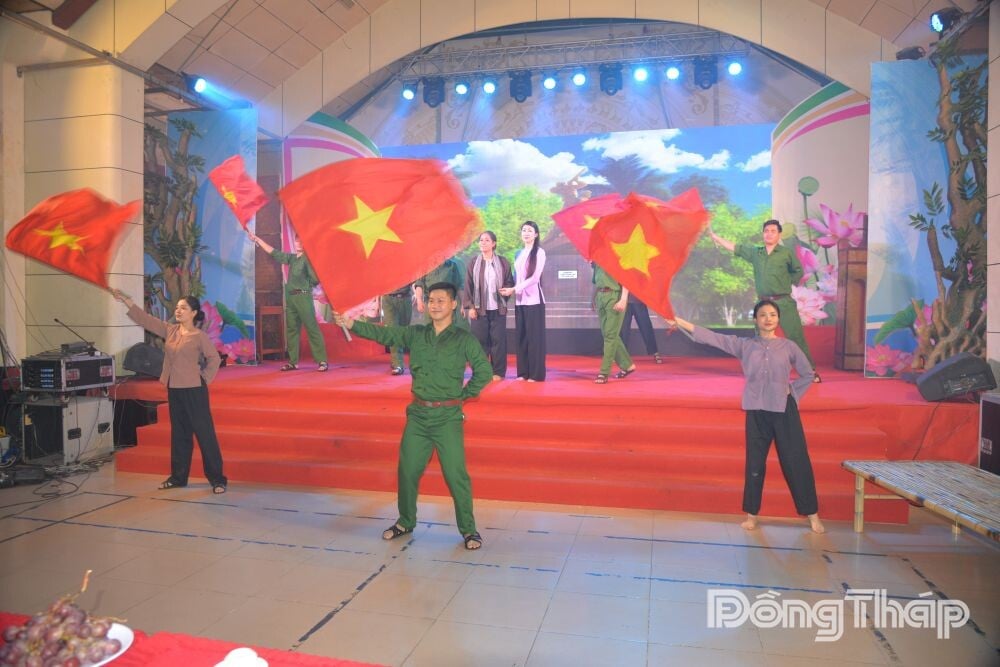
Recently, the Department of Culture, Sports and Tourism of Dong Thap province has organized a regular free performance program "Night of Gratitude" at the Thầy Năm Tú Theater, showcasing excerpts and classic Cai Luong plays such as: The Life of Co Luu, To Anh Nguyet, Lan and Diep; and Cai Luong plays associated with historical events such as: The Ap Bac Field; The Legend of Rach Gam… to serve appreciative audiences. This is not only an activity to preserve the artistic value of Cai Luong (Vietnamese traditional opera), but also to create opportunities for the public, especially the younger generation, to access and experience Cai Luong directly, contributing to reviving the appeal and spreading the influence of this traditional art form. |
Each performance, each character stepping onto the stage, is a piece of life, reflecting the aspirations, emotions, character, patriotism, and fighting spirit against foreign invaders of the people of Southern Vietnam in particular and Vietnamese people in general.
It is this very depth that has helped cải lương transcend the boundaries of a mere form of entertainment, becoming a vibrant cultural heritage that endures in the hearts of every individual.
In My Tho, formerly Tien Giang province, a region considered the "cradle" of Cai Luong (Vietnamese traditional opera), the art form is associated with renowned artists such as the late First-Rank Cai Luong Singer Nam Phi (Le Thi Phi), the late People's Artist Tran Huu Trang, the late People's Artist Phung Ha (Truong Phung Hao), and many others.
A notable landmark is the Thầy Năm Tú (Châu Văn Tú) Theater – Vietnam's first professional cải lương (Vietnamese traditional opera) theater, established in 1918. Mr. Năm Tú built the Thầy Năm Tú Theater in Mỹ Tho market, which was also the country's first cải lương theater, equipped with modern facilities for its time.
The theater is designed in a modern stage style, with three seating categories: 1, 2, and 3; along with special rooms for VIP guests.
Notably, on the evening of March 15, 1918, at this very theater, audiences in Southern Vietnam saw for the first time the first cải lương (Vietnamese traditional opera) play, titled Kim Vân Kiều (some sources write it as Lục Vân Tiên), with a script written by Mr. Trương Duy Toản.
This is a Cai Luong play that marks an important starting point for the birth of Vietnamese Cai Luong art.
Besides building theaters and forming troupes, Teacher Nam Tu also imported components to assemble and popularize Pathé phono record players. To distinguish them from French record players, he printed a dog logo on the machine and a red rooster on the records.
Depending on the market segment, he released different musical genres. As a result, many ordinary people memorized the melodies and lyrics, from short songs like "Tu Dai Oan," "Luu Thuy Truong," and "Xang Xe" to traditional songs with 8 or 16-beat rhythms, contributing to the spread and preservation of Cai Luong (Vietnamese traditional opera) in community life.
PRESERVING THE SOUL OF HERITAGE
In Vietnamese cultural and artistic life, Cai Luong holds a special place as a unique theatrical form, vividly portraying the identity of Southern Vietnam and contributing to enriching the national artistic heritage.
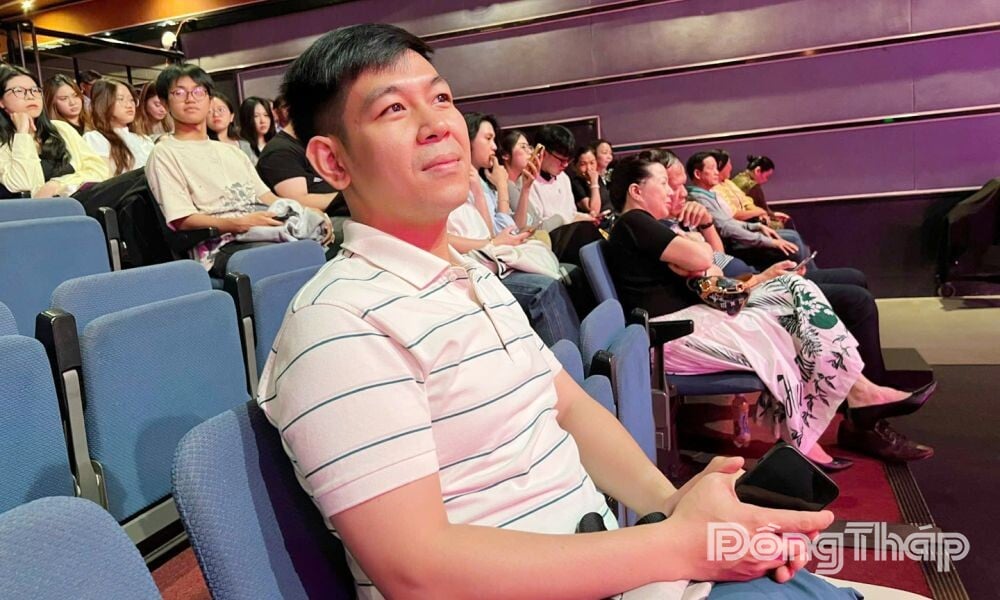
In the face of the changes of the times, preserving and promoting the value of Cai Luong (Vietnamese traditional opera) has become an urgent requirement for this traditional art form to continue to spread in the spiritual life of the Vietnamese people.
Dr. Vo Van Son, a lecturer in Tourism and Cultural Studies at Tien Giang University, emphasized: "Preserving Cai Luong (Vietnamese traditional opera) first and foremost requires safeguarding the core values of this art form."
At the same time, it is necessary to train and develop human resources, including artists, actors, and playwrights; innovate the content and form of performances to suit modern tastes; and promote the application of digital technology to reach a wider audience.
Supporting local clubs and art troupes in maintaining their performance spaces will create opportunities for artisans to pass on their skills to the younger generation, helping Cai Luong (Vietnamese traditional opera) continue to develop sustainably. In addition, cultural managers need to play a guiding, connecting, and facilitating role in fostering the development of Cai Luong heritage.”
Mr. Pham The Hien, residing in Cao Lanh ward, shared: “Since childhood, I have been fascinated by Cai Luong (Vietnamese traditional opera) through television and radio, and this love has stayed with me until today. Given the influence of foreign cultures, for Cai Luong to continue spreading, especially among young people, the content of Cai Luong plays needs to be modernized, harmoniously combining classical and modern elements; and at the same time, suitable to the audience's tastes.”
Ms. Tran Thi Lan, residing in My Tho ward, shared: "For me, Cai Luong (Vietnamese traditional opera) is not just an art form for entertainment, but also a memory and an emotion closely associated with Southern Vietnamese culture."
"For this art form to appeal to young people, there needs to be innovation in the performance style, combining modern elements while preserving traditional essence, so that audiences can naturally connect with and appreciate it."



"To make cải lương (Vietnamese traditional opera) more accessible and appealing to young people, a new approach is essential. Classic excerpts can be shortened, enhanced visually, and combined with modern sound and lighting technology to suit the aesthetics of younger audiences."
At the same time, developing content on digital platforms such as short videos, behind-the-scenes podcasts, talk shows with artists, and platforms for covering traditional Vietnamese folk songs in new styles will help this art form spread more widely.
"Direct experiential activities such as interacting with artisans and performances in open spaces contribute to making Cai Luong (Vietnamese traditional opera) a vibrant part of contemporary cultural life, instead of just a memory of the past," added Dr. Vo Van Son.
LE NGUYEN
Source: https://baodongthap.vn/-lam-moi-cai-luong-de-giu-hon-di-san-a233905.html




![[Photo] Strengthening character and expertise: Intense training for artillery soldiers.](https://vphoto.vietnam.vn/thumb/1200x675/vietnam/resource/IMAGE/2026/06/30/1782815602541_lu-368-1875-4571-jpg.webp)