

At the event, we had a brief exchange with Associate Professor Phan Thi Thu Huong (Chairperson of the Board of Directors of Hanoi Medical University - Chairperson of the Judging Panel of the Competition) about the professional significance and humanitarian message that the award conveys.
Reporter: Professor Phan Thi Thu Huong , how do you assess the goals and significance of this year's HIV/AIDS prevention competition in the context of Vietnam's efforts to reduce stigma and work towards ending the AIDS epidemic by 2030?
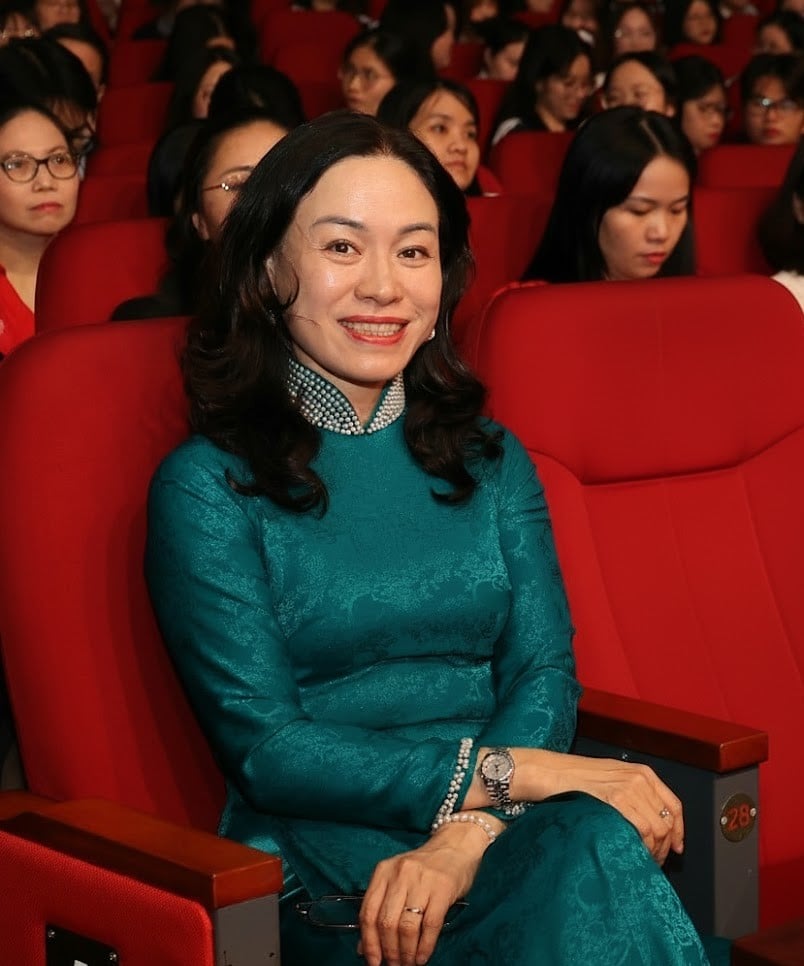
Assoc. Prof. Dr. Phan Thi Thu Huong - Chairperson of the Board of Directors of Hanoi Medical University - Chairperson of the Judging Panel of the Competition.
Associate Professor Phan Thi Thu Huong: The National Journalism Award on HIV/AIDS Prevention and Control, held this year, is of particular importance in the context of Vietnam's 35-year response to HIV. Since 1990, when the first HIV infection was discovered in Ho Chi Minh City, Vietnam has been striving to reduce stigma and discrimination related to HIV and aiming to end the AIDS epidemic by 2030.
The award affirms the crucial role of journalism in conveying accurate and humane information and creating positive perspectives on people living with HIV, thereby contributing to the elimination of prejudice against HIV/AIDS, the biggest barrier to HIV/AIDS prevention and control today.
At the same time, the competition encourages high-quality journalistic works, through the pens of journalists, to help the program accurately reflect the reality, spread effective HIV infection prevention models, share humane stories about HIV/AIDS, and promote community support for vulnerable groups and those affected by HIV/AIDS.
The journalism award not only honors the silent efforts of media professionals working on HIV/AIDS, but also serves as a social advocacy activity, conveying messages and contributing to mobilizing the strength of the entire population, bringing Vietnam closer to the goal of ending the AIDS epidemic by 2030.
PV: During the judging process, what were the outstanding strengths of the entries, and what messages do you think need to be continued in HIV prevention communication?
Assoc. Prof. Dr. Phan Thi Thu Huong: During the judging process, I noticed that the outstanding strength of this year's entries was the serious investment in content and presentation. Many works approached the issue of HIV/AIDS from a humane, modern perspective and based on evidence. Particularly noteworthy were the true stories of people living with HIV striving to overcome stigma, adhere to treatment, and integrate into the community. Many articles also demonstrated creativity in their communication, combining scientific data with engaging storytelling, making the information more understandable and relatable to the public, especially young people.
In my opinion, in the coming period, the media needs to continue strongly disseminating important messages such as: "Get tested for HIV early to protect yourself and your family" , "Early ARV treatment helps you stay healthy and reduces HIV transmission" , "PrEP – An effective and safe HIV prevention method" , and "No stigma or discrimination against people with HIV/AIDS" .
These are the core messages that help reduce stigma, encourage access to services, and contribute to the goal of ending AIDS by 2030.
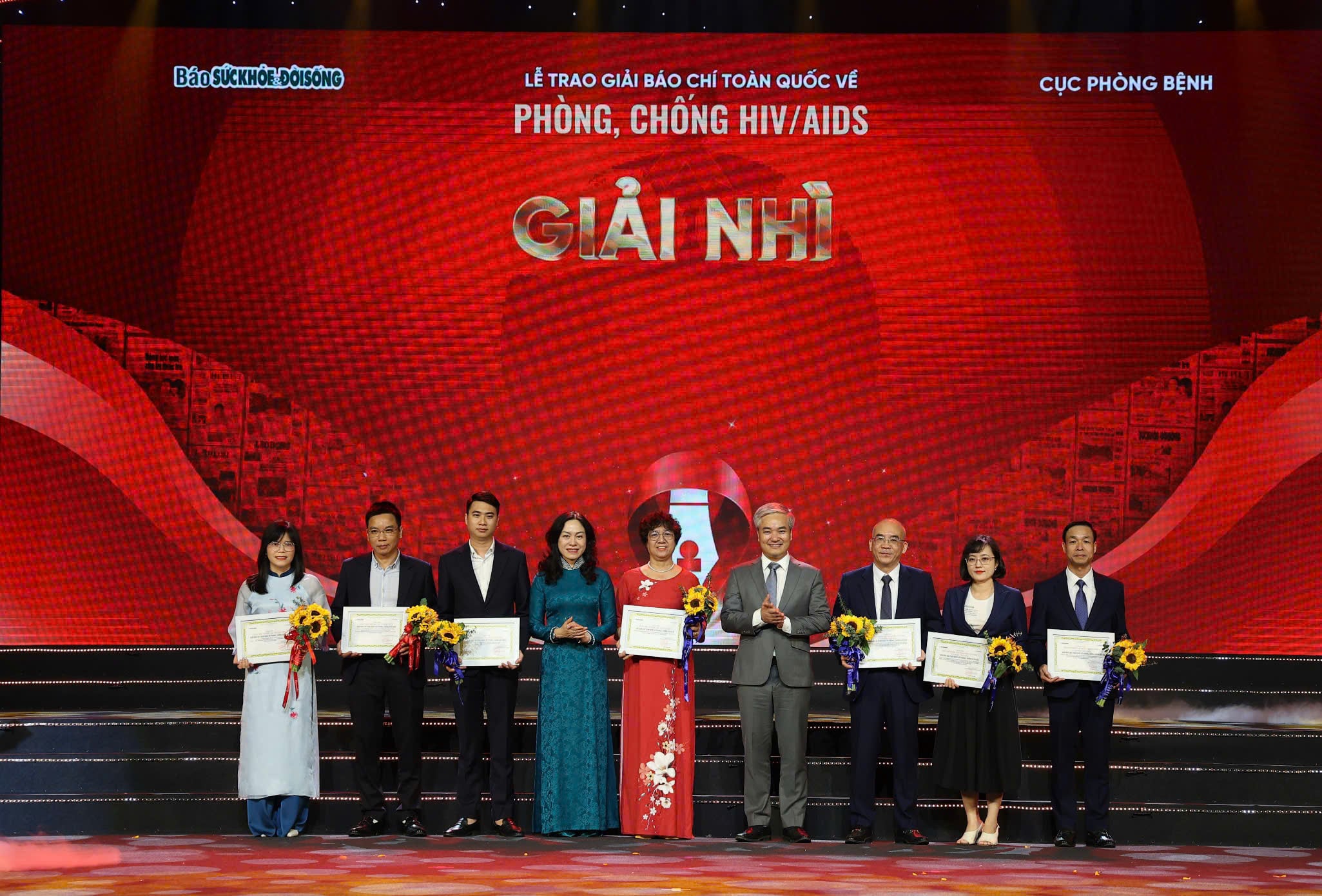
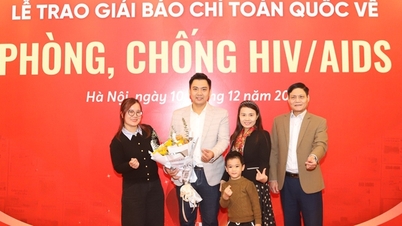
Journalist Tran Tuan Linh - Editor-in-Chief of Health and Life Newspaper, Head of the Organizing Committee; Assoc. Prof. Dr. Phan Thi Thu Huong, Chair of the Board of Directors of Hanoi Medical University - Chair of the Judging Panel, presented the awards to the authors and works that won second prize. (Photo: Tran Minh)
PV: From a professional perspective, what recommendations would you make to improve community access to HIV testing, PrEP, ARV treatment, and other HIV prevention services, especially for young people and high-risk groups?
Associate Professor Phan Thi Thu Huong: I want to emphasize that many people know that HIV is not a scary disease. People infected with HIV can live, work, and do things like other normal people; they can share food, talk, etc., without transmitting HIV.
From a professional perspective, I believe that to improve community access to HIV testing, PrEP, ARV treatment, and prevention services, especially for youth and high-risk groups, the following recommendations should be focused on:
First and foremost , it is necessary to promote friendly, easily understandable, and appropriate communication for each risk group, especially on platforms frequently used by young people. Helping them understand that HIV testing is normal, PrEP is an effective preventive measure, and ARV treatment helps them live healthy lives without transmitting the virus to others, will contribute to removing psychological barriers to accessing services.
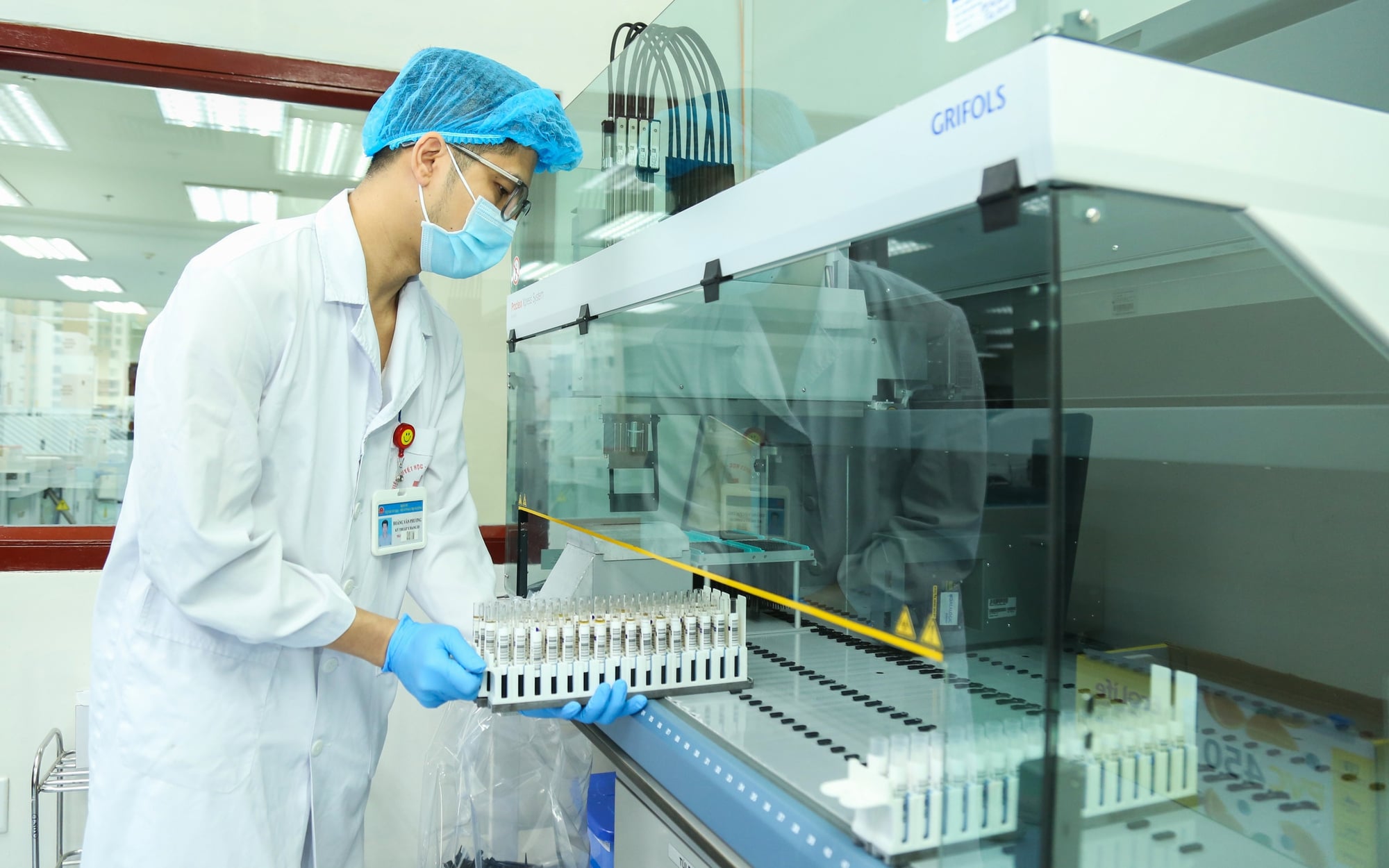
Secondly, expand flexible and inclusive HIV/AIDS prevention and control service models, such as mobile testing, HIV self-testing, community-friendly clinics, or PrEP delivery points outside of traditional healthcare facilities. These models help young people and high-risk groups feel safe, discreet, and respected when seeking services.
Third , the role of community-based organizations (CBOs) needs to be strengthened, as they are the ones who best understand the needs, barriers, and psychology of high-risk groups. Support from CBOs, from counseling to referrals to services, will make the testing-treatment-prevention journey easier and more sustainable.
Fourth , strengthen inter-sectoral coordination in HIV/AIDS prevention and control activities: health, education, youth organizations, and other socio-political organizations so that HIV/AIDS prevention and control solutions are implemented more comprehensively and synchronously.
Finally , it is crucial to reduce self-stigma and stigma in families, schools, workplaces, and society, as these are major barriers that prevent many people from getting tested, hiding their HIV status, or using PrEP and ARVs. Building an open, non-judgmental environment will empower young people and high-risk groups to proactively manage their health.
Interviewer: Thank you very much, Associate Professor Phan Thi Thu Huong!
See more popular videos:
Source: https://suckhoedoisong.vn/giai-bao-chi-toan-quoc-ve-phong-chong-hiv-aids-ton-vinh-nhung-dong-gop-tham-lang-tiep-suc-cho-muc-tieu-cham-dut-dich-vao-nam-2030-169251210123630681.htm

























![[Video] The craft of making Dong Ho folk paintings has been inscribed by UNESCO on the List of Crafts in Need of Urgent Safeguarding.](https://vphoto.vietnam.vn/thumb/402x226/vietnam/resource/IMAGE/2025/12/10/1765350246533_tranh-dong-ho-734-jpg.webp)
























































Comment (0)