

1. Reasons for hair loss in cancer patients
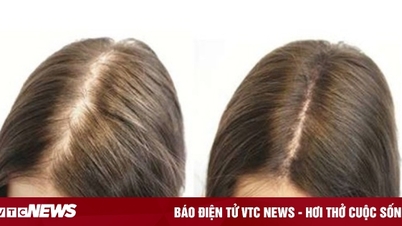
The primary cause of hair loss is chemotherapy, which damages hair follicles. Chemotherapy-induced hair loss is most noticeable on the scalp, particularly in areas with low hair density such as the crown and forehead. Hair loss can be diffuse or localized in patches.
- 1. Reasons for hair loss in cancer patients
- 2. What to do when experiencing hair loss?
- - During the period of hair loss
- - Hair care when hair grows back
- - Nutrition that supports hair growth
The degree of hair loss varies depending on the type of medication and the individual patient's condition; some experience minimal hair loss, while others experience significant hair loss. In addition to hair loss, the hair strands also become weak and brittle. Eyebrows, eyelashes, armpit, leg, and pubic hair may also fall out, but they usually regrow faster than scalp hair. The duration of hair loss depends on the type of systemic medication, dosage, and treatment regimen.
Radiation therapy to the head can also cause hair loss. In some cases, depending on the radiation dose, the hair may not grow back as before.
Most hair loss treatments begin after about 2–3 weeks and gradually increase over 1–2 months. Hair follicles gradually become active again a few weeks after treatment stops, and noticeable hair growth can occur after about 3–6 months. Therefore, when experiencing hair loss, patients should remain calm, avoid panic, and share their concerns with their doctor or healthcare provider.
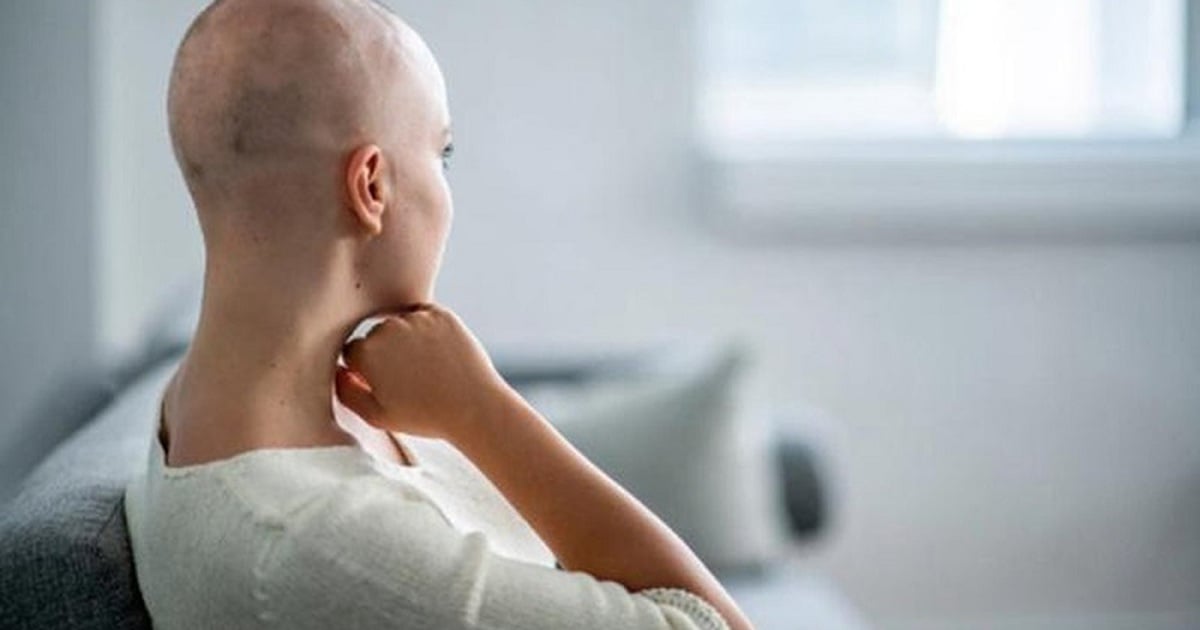
Hair loss remains a significant psychological burden for cancer patients, reducing optimism and increasing anxiety during treatment.
2. What to do when experiencing hair loss?
In addition to taking medication and following the doctor's prescribed diet and lifestyle, patients should pay attention to hair care as follows:
- During the period of hair loss
If your hair becomes very thin or falls out completely, you need to protect your scalp from the sun, heat, and cold. Use broad-spectrum sunscreen when going outside and wear a hat.
When the weather is cold, wear a hat or scarf to keep your scalp warm. Your scalp may be itchy and sensitive, so brush and wash your hair gently.
Avoid braided or tightly tied hairstyles as they can damage hair follicles and reduce regrowth. Do not use a hot hairdryer. Let your hair air dry or use the cool air setting.
High temperatures damage the hair shaft, causing dehydration and making hair more prone to falling out. Wear a head covering while sleeping to keep hair from shifting and reduce friction. Avoid using shampoos with harsh detergents as they can strip away the natural oils that protect the hair and scalp.
- Hair care when hair grows back
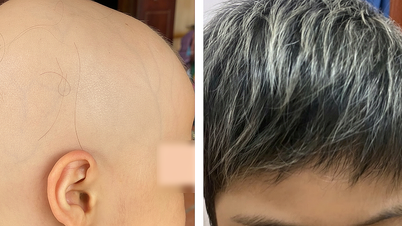
After treatment, the regrowth of hair is a positive sign that the body is recovering. However, the new hair is very thin, soft, brittle, and may differ from before in color or curl. Proper care is essential.
In the initial stages, the scalp is still sensitive, so use a gentle shampoo that is sulfate-free, paraben-free, or contains no strong fragrances.
When washing your hair, gently massage with your fingertips to increase circulation without damaging the hair follicles. Do not wash your hair more than twice a week.
Avoid brushing vigorously or using a hot hairdryer. If drying is necessary, use the cool air setting or allow the hair to air dry. Regrown hair is prone to breakage, so patients should choose a short, simple hairstyle and avoid complicated styling.
Absolutely do not use hair growth products that have not been recommended by a doctor, as they may irritate the scalp. New hair may be curlier, straighter, thicker, or thinner than before, but this change is only temporary and will stabilize over time.
Note: Do not dye, perm, or straighten your hair for at least 6 months after treatment. Use a soft towel to dry your hair, avoiding harsh friction. Apply a conditioner for weak hair that is alcohol-free or contains strong fragrances. Protect your hair from UV rays by wearing a wide-brimmed hat or scarf when going outside.
- Nutrition that supports hair growth
A balanced diet is crucial to support hair growth, specifically: Prioritize foods rich in protein (fish, meat, eggs), B vitamins, omega-3s, and minerals such as iron and zinc. Eat plenty of fruits and vegetables, drink enough water, and get enough sleep for optimal body recovery.
If hair regrowth is slow, sparse, or the scalp shows signs of abnormality, patients should schedule a follow-up appointment for assessment and support from a doctor. Consistent care will help hair grow back healthy over time.
Source: https://suckhoedoisong.vn/cham-care-when-hair-grows-back-in-cancer-patients-169251209161328522.htm














































































Comment (0)