

From small, scattered fields to large, concentrated sugarcane plantations.
In many localities within the sugarcane growing region, the mindset of fragmented, small-scale sugarcane production is gradually changing. Instead of cultivating on small, scattered plots, many households have boldly leased land from others to expand production scale, forming concentrated sugarcane growing areas that facilitate mechanization.
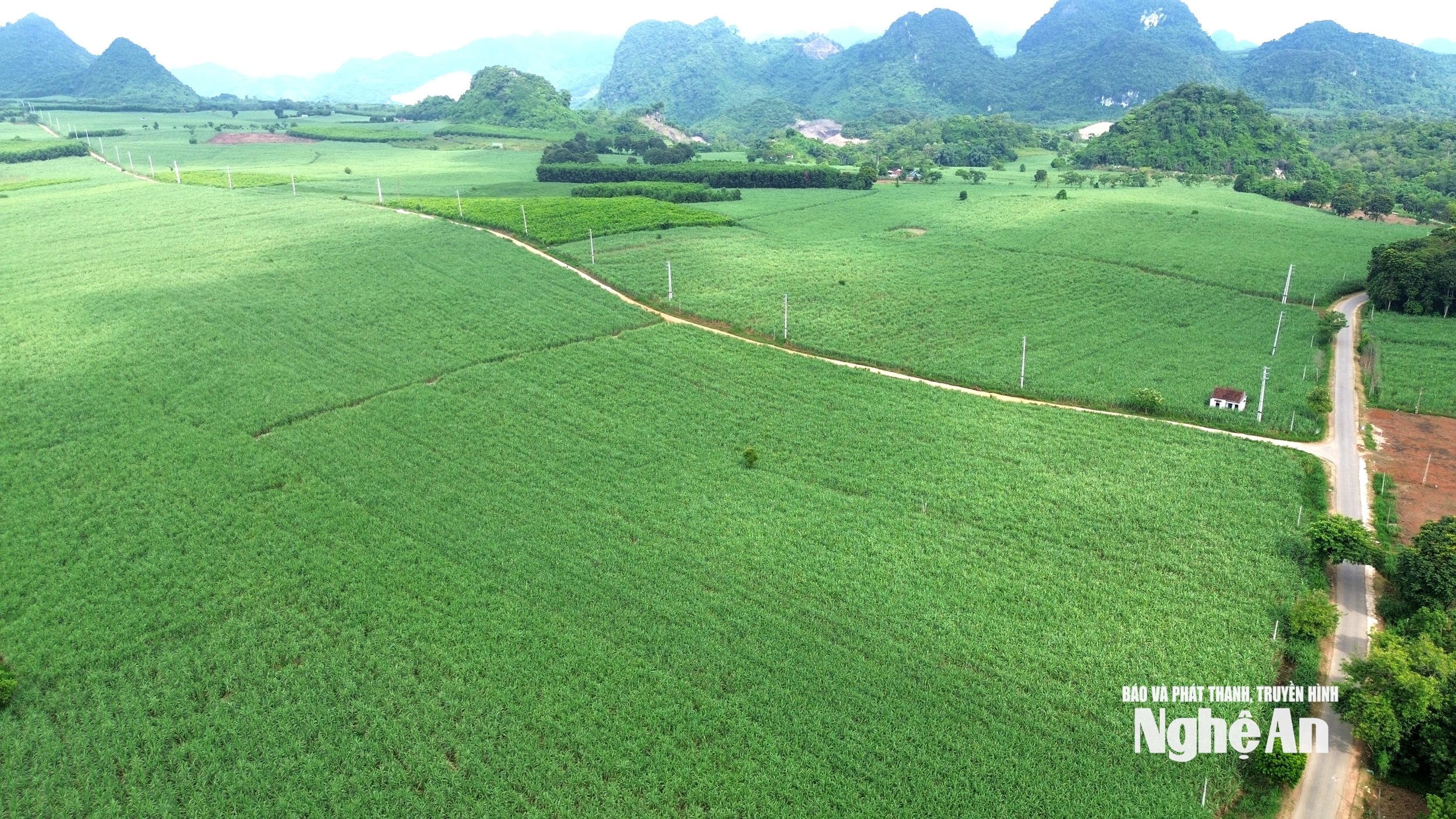
The family of Mr. Nguyen Huu Long in Hamlet 10, Nghia Dong Commune, is one of the pioneering households to apply this model. For many years, his family has leased land from local households to create a concentrated sugarcane farming area of up to 5 hectares.
According to Mr. Long, previously, when land plots were small and fragmented, production relied heavily on manual labor, resulting in high costs, lengthy care times, and unstable efficiency. When land plots are consolidated in the same area, introducing machinery into production becomes much easier.
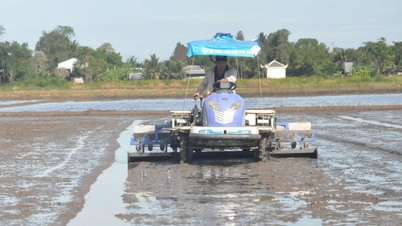
From land preparation and planting to cultivation and harvesting, everything is done by machinery, significantly reducing labor costs, shortening production time, and dramatically increasing farming efficiency. For many years, his family's sugarcane yield has reached approximately 100 tons/ha, much higher than previous small-scale production, providing a stable and sustainable income.
Not only Mr. Long's family, but many other households in the sugarcane growing area are also gradually shifting towards large-scale production. Mr. Hoang Van Chung from Van Long hamlet, Giai Xuan commune, said that sugarcane is still suitable for the local soil and climate conditions and has a fairly stable market thanks to businesses that guarantee product purchase.
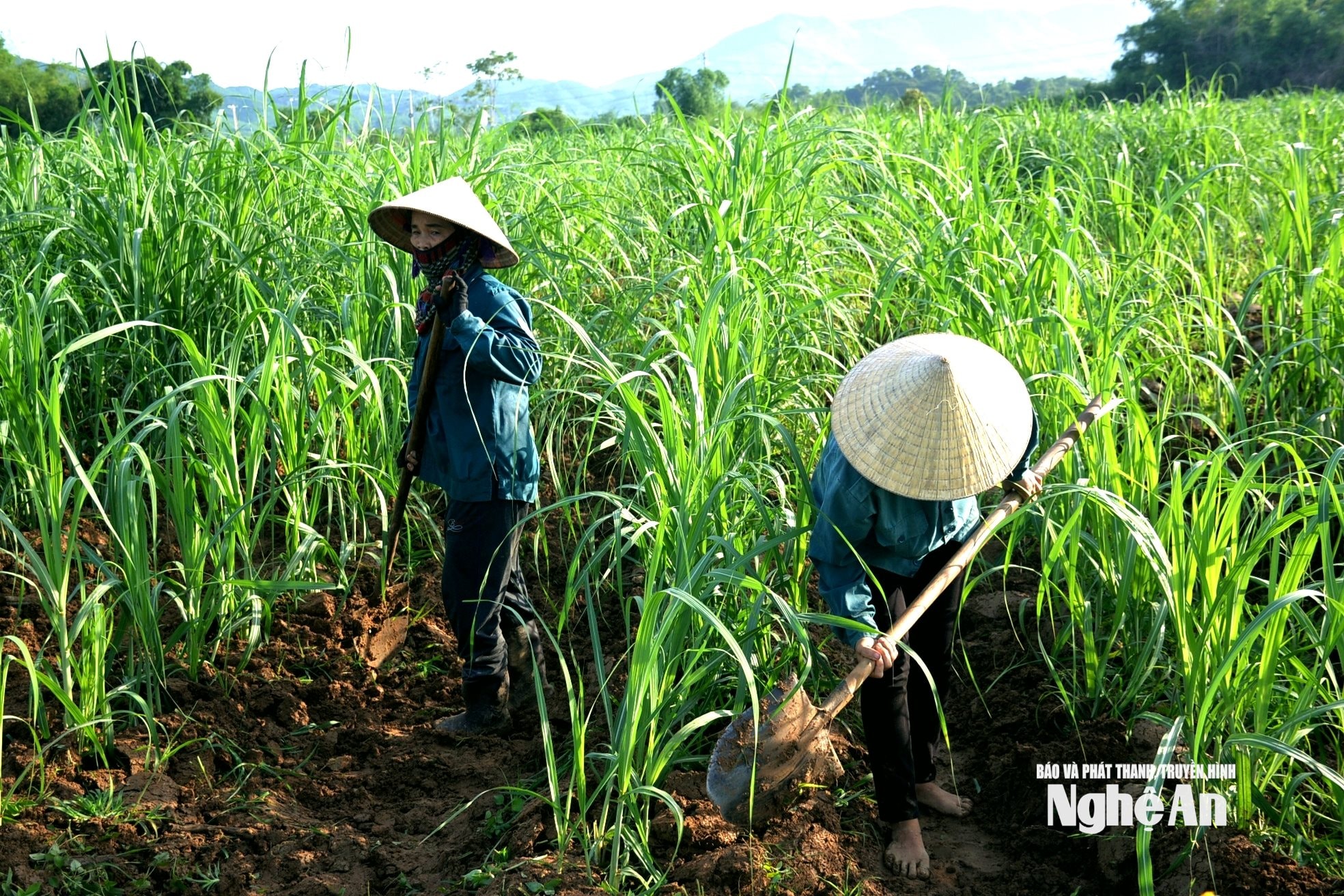
Currently, Mr. Chung's family cultivates nearly 2 hectares of sugarcane. In recent years, the family has invested in mechanization in land preparation and harvesting, thus reducing labor costs, especially during peak seasons.
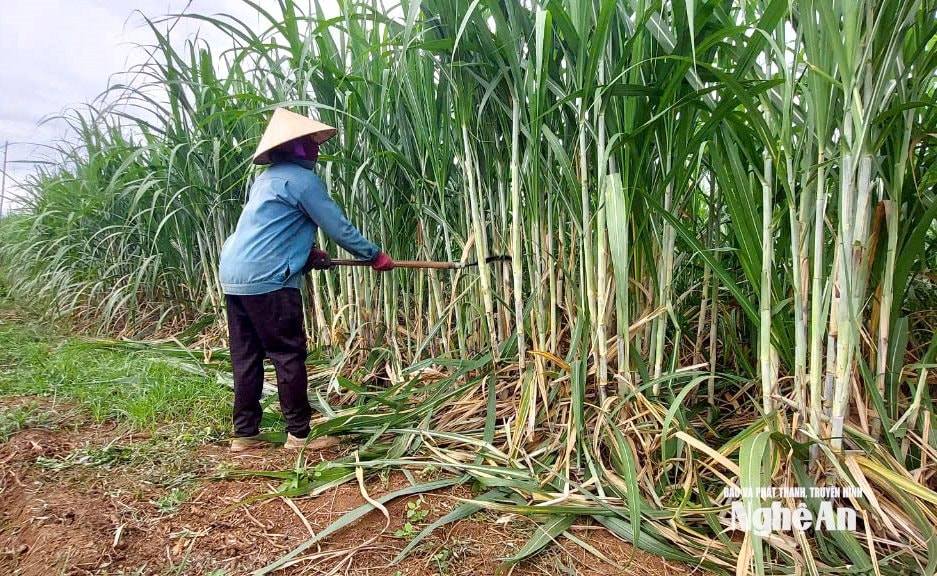
"If properly cared for and pests and diseases are proactively controlled, sugarcane can still yield a stable harvest. Currently, the average yield is 80-100 tons/ha, and after deducting expenses, there is still a considerable profit," Mr. Chung shared.
Mr. Nguyen Ba Quy, Chairman of the Board of Directors and Deputy Director of Song Con Sugar Company, believes that for sugarcane farming to truly bring long-term efficiency and benefits, the key factor is a change in production mindset.
In the context of increasingly scarce rural labor and rising labor costs, land consolidation is an inevitable trend. Households with sufficient capital, labor, or technical expertise will organize large-scale production; while those lacking these resources can lease their land. This leads to the formation of concentrated sugarcane fields, facilitating the introduction of machinery into production.
According to company leaders, many households in the raw material area have leased land ranging from 5 to 7 hectares to invest in intensive farming. When the area is large enough, people have the resources to invest in machinery, use better seeds, apply balanced fertilizers, and manage pests and diseases more effectively.
As a result, yields in many areas have reached around 100 tons/ha, significantly higher than traditional farming methods. Some raw material areas in Nghia Dong, Giai Xuan, Tan Ky communes, etc., are gradually forming concentrated sugarcane fields, facilitating synchronized mechanization in production.
Mechanization helps reduce labor pressure.
Specific models and practical results show that land consolidation combined with mechanization and linkages with businesses is becoming a suitable direction for the Song Con sugarcane growing region. When sugarcane growers are assured of market access and businesses have control over their raw material sources, the sugarcane value chain operates more stably and sustainably.
According to many households, in the past, sugarcane cultivation and harvesting relied mainly on manual labor, often leading to labor shortages during the planting season, especially during harvest time. Rising labor costs have negatively impacted production efficiency.
As the cultivated area expands, introducing machinery into the fields becomes easier. Tillage machines, furrowing machines, and harvesting machines significantly reduce manual labor, shorten production time, and mitigate harvesting delays caused by labor shortages.
Not only the people, but also businesses are focusing on investing to improve the efficiency of the raw material area. Immediately after the crushing season ended at the end of April, Song Con Sugar Company implemented a plan to maintain and repair the entire production line in preparation for the new season.
Alongside maintenance work, the company continues to invest in and upgrade processing technology towards modernization, in order to improve product quality and stabilize output for the raw material area. According to company leaders, in the sugar cane industry value chain, the processing plant plays a crucial role in linking and creating motivation for people to confidently invest and expand production scale.
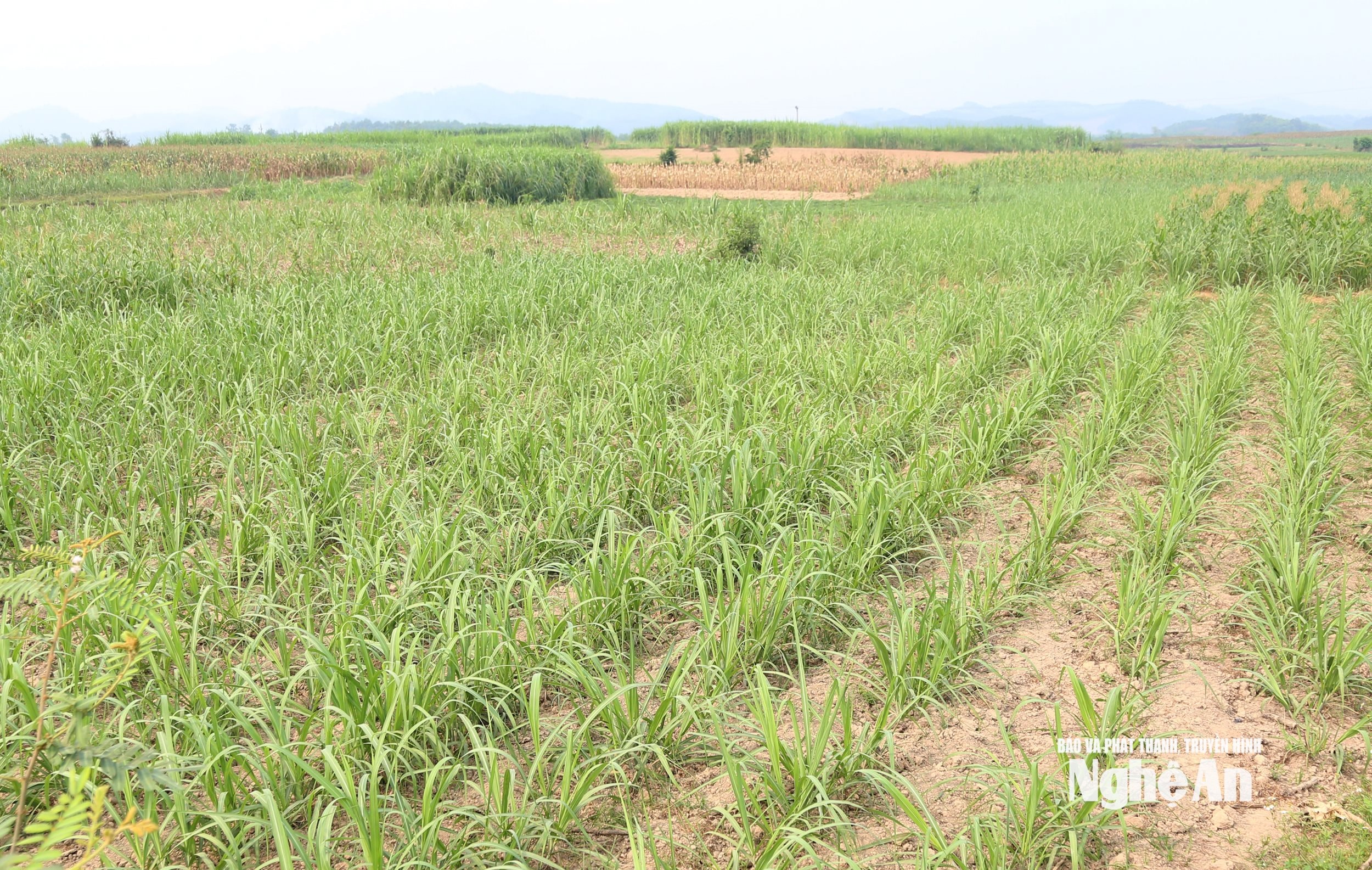
Currently, the company's sugarcane is entering the final tillering stage and beginning to grow internodes, a crucial period for crop yield. However, the recent heavy rainfall has created favorable conditions for sugarcane borers to develop and cause damage to approximately 200 hectares of sugarcane.
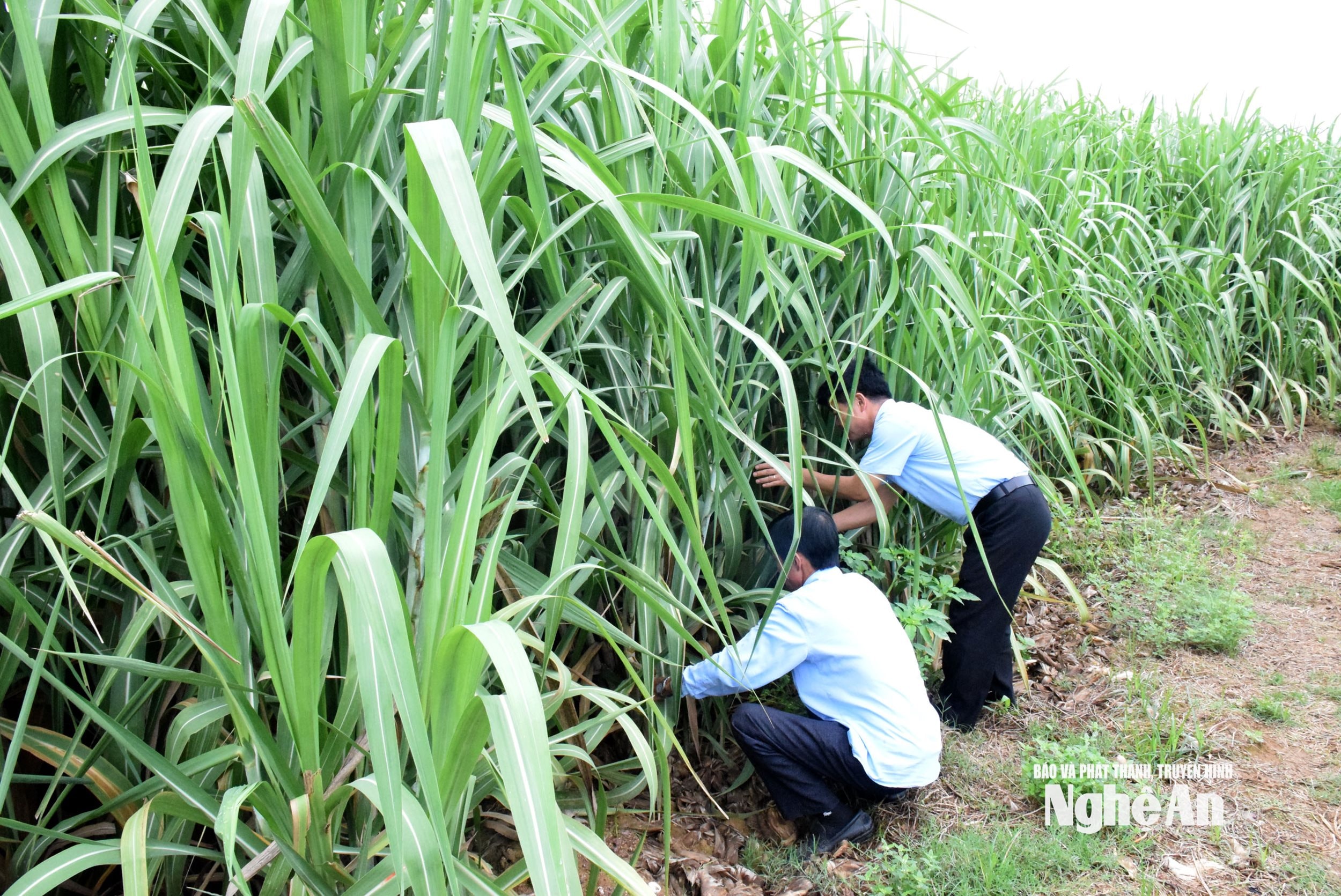
Mr. Nguyen Sy Hai, an agricultural officer of the company, said that to minimize damage, the company advises farmers to proactively inspect their sugarcane fields, detecting early signs of disease and pests. When sugarcane borers are detected, farmers should spray pesticides according to the instructions of technical staff, combined with weeding, field sanitation, and regular monitoring to limit the spread of pests and diseases.
Some of the pesticides recommended by the company include Voliam Targo 063SC, CARAL 95SP, and Vertako 40WG. According to the recommendations, farmers should spray the correct dosage, focusing on areas with high pest density; and combine this with weeding, field sanitation, and regular monitoring to limit the spread of pests and diseases.
In the context of agricultural production increasingly demanding scale and efficiency, land consolidation, mechanization, and linkages with businesses are opening up new directions for the Song Con sugarcane growing region. This approach not only helps reduce costs and increase productivity, but also creates conditions for sugarcane farmers to stabilize production, increase income, and continue their commitment to sugarcane cultivation in the years to come.
Source: https://baonghean.vn/nong-dan-nghe-an-gom-ruong-trong-mia-quy-mo-lon-10338540.html
























![[Photo] Reception to welcome General Secretary and President To Lam and his wife on their State visit to the Philippines](https://vphoto.vietnam.vn/thumb/1200x675/vietnam/resource/IMAGE/2026/06/01/1780295488620_vna-potal-chieu-dai-chao-mung-tong-bi-thu-chu-tich-nuoc-to-lam-va-phu-nhan-tham-cap-nha-nuoc-toi-philippines-8798060-7855-jpg.webp)
























































Comment (0)