

According to Dan Viet's investigation, most cars and motorcycles manufactured from around 2010 onwards are relatively safe to use E10 gasoline. This was the period when the automotive industry began to widely popularize electronic fuel injection (FI) systems, while also improving gasket materials, fuel lines, and fuel pumps to increase their ability to withstand ethanol in biofuels.
Information from several car manufacturers in Vietnam indicates that most modern cars do not require major upgrades or technical modifications to use E10 gasoline. However, compatibility varies depending on the brand, model year, and development standards for different markets.
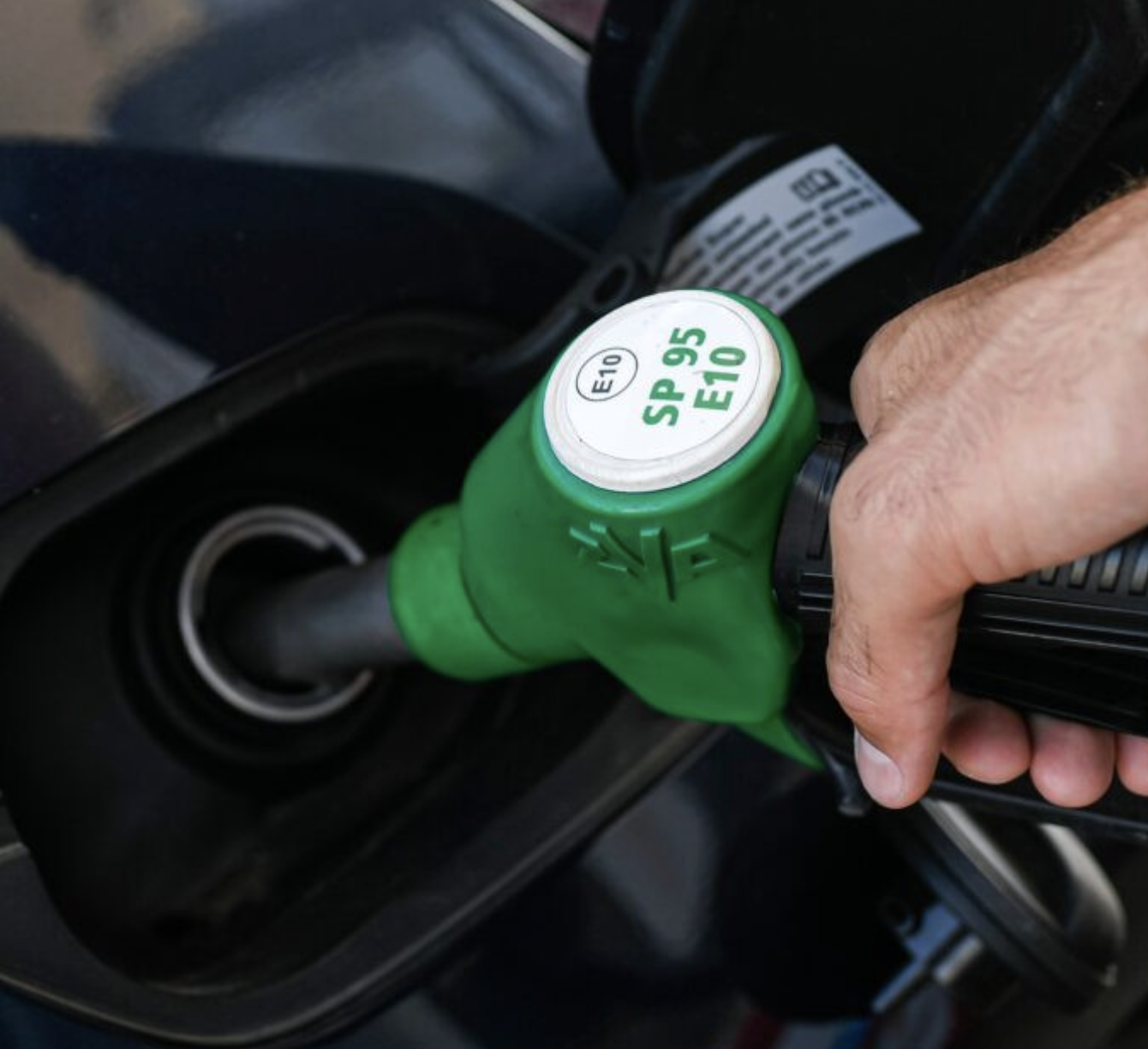
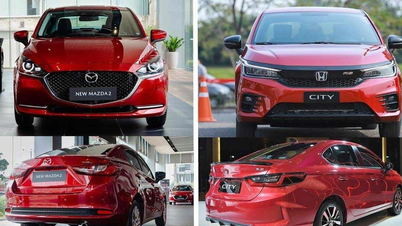
Japanese and Korean car brands such as Toyota, Honda, Hyundai, Kia, and Subaru are considered to be quite compatible with E10, especially models manufactured within the last 15 years or so.
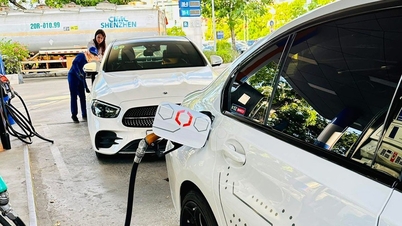
Toyota and Honda have previously confirmed that many models distributed in Vietnam can operate normally with E10 fuel if the fuel meets quality standards. However, the manufacturers still advise users to check the owner's manual or the symbols on the fuel cap to determine the appropriate ethanol level.
In European car brands like Mercedes-Benz, BMW, Volkswagen, and Volvo, support for E10 has been available for many years, as Europe was one of the first markets to promote biofuels. Some models even support higher ethanol-containing gasoline types such as E15 or E20.
Similarly, American brands like Ford and Jeep are also among those that are well-compatible with E10 because the US market has widely used this type of fuel for over 20 years.

Not only cars, but motorcycle manufacturers such as Honda, Yamaha Motor, Piaggio, and Suzuki also stated that the models currently on the market are compatible with E10 gasoline, except for some very old models that use carburetor technology.
According to Associate Professor Pham Huu Tuyen, Director of the Center for Research on Power Sources and Autonomous Vehicles ( Hanoi University of Science and Technology), technically, E10 gasoline does not negatively impact the operation of vehicles.
Mr. Tuyen stated that when using E10 gasoline, engine power and fuel consumption are essentially equivalent to conventional gasoline. In some cases, fuel consumption may even be improved due to a more optimized combustion process.
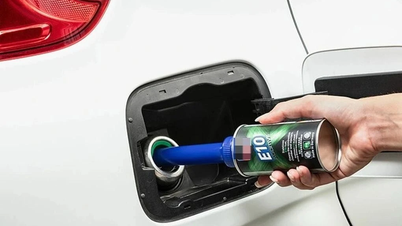
However, Mr. Tuyen noted that older vehicles using carburetors or those that are rarely driven require more caution. Owners should check the fuel system regularly, replace the fuel filter early, and avoid leaving E10 gasoline in the tank for too long, because ethanol can absorb moisture from the air, reducing fuel quality if not stored properly.
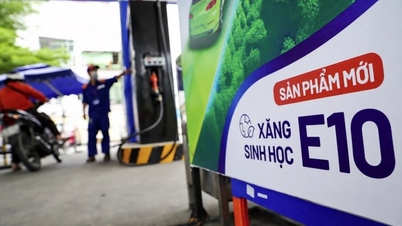
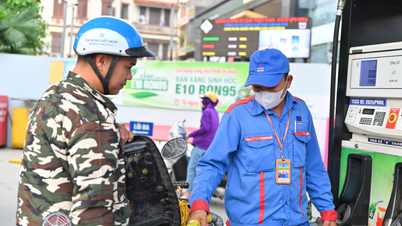
From June 1st, 2026, according to the roadmap of the Ministry of Industry and Trade, E10 gasoline will be widely deployed nationwide to gradually replace traditional mineral gasoline, aiming to reduce emissions and protect the environment.
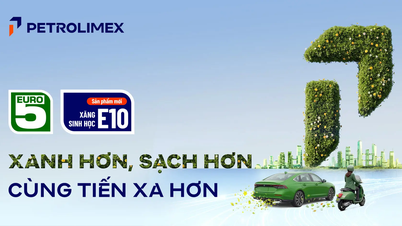
E10 bioethanol fuel is a blend of 10% bioethanol and 90% traditional mineral gasoline (RON 95). This type of fuel is considered to help reduce harmful emissions and has become popular in many countries around the world .
Source: https://danviet.vn/o-to-xe-may-doi-nao-co-the-dung-xang-e10-an-toan-d1429651.html



![[Photo] General Secretary and President To Lam presides over the meeting to approve the draft report on the results of the second inspection by the Politburo of the Standing Committee of the Hanoi City Party Committee.](https://vphoto.vietnam.vn/thumb/1200x675/vietnam/resource/IMAGE/2026/05/26/1779789811432_a2-bnd-4430-9620-jpg.webp)

















































































Comment (0)