

 |
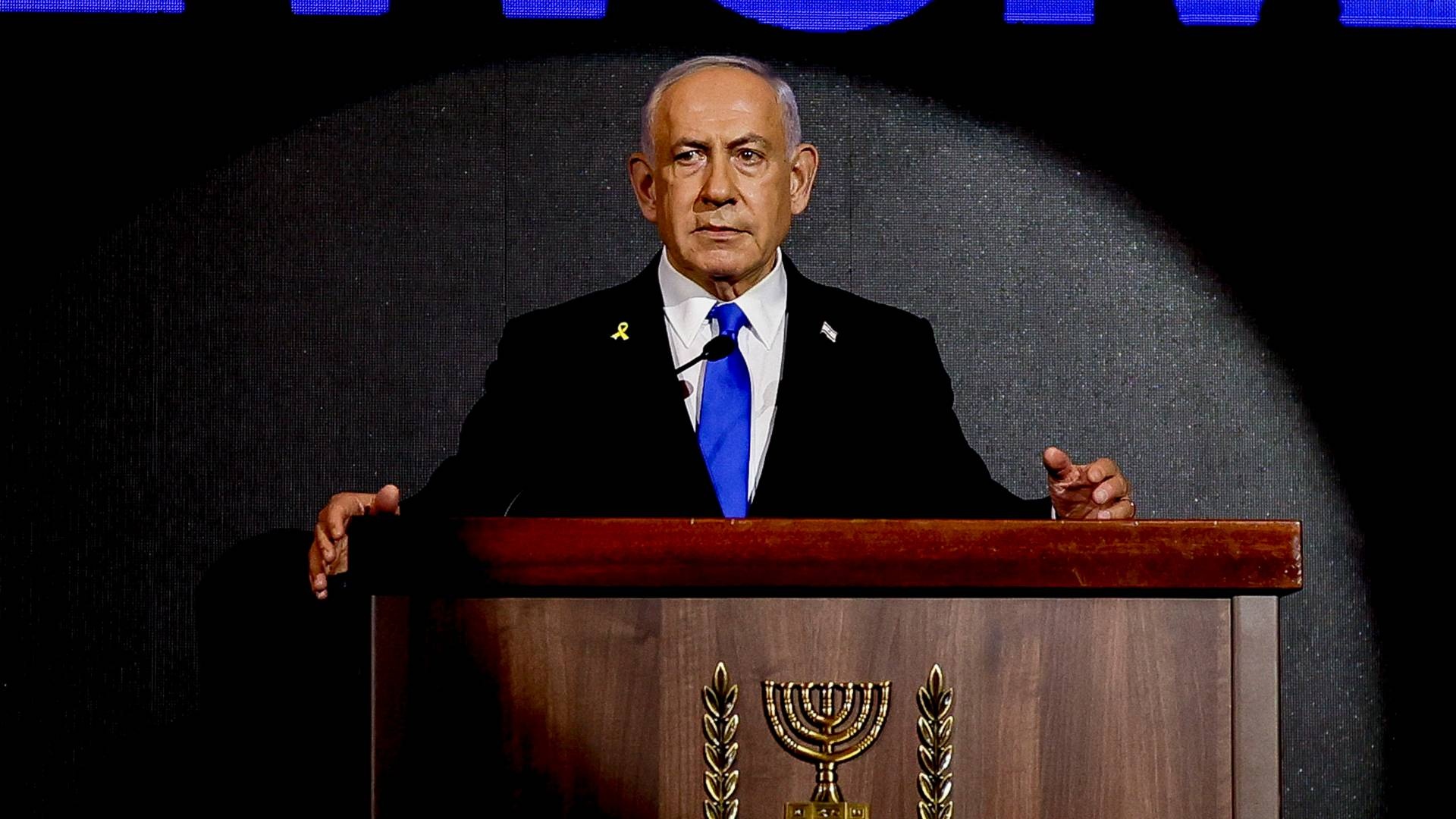
When Israeli and American fighter jets launched simultaneous airstrikes on Iran on February 28, US President Donald Trump and Israeli Prime Minister Benjamin Netanyahu praised what they called "historic decisions." Speaking to the Israeli public, Netanyahu asserted that the alliance between the two countries had never been stronger.
But just three months later, the joint military campaign, once seen as a testament to US-Israel unity, is shifting into a Washington-led diplomatic process, in which Netanyahu's role appears to be increasingly diminished.
Although he has not publicly criticized Trump, Israeli sources say that behind the scenes, Prime Minister Netanyahu has acknowledged that Tel Aviv has very little chance of influencing the outcome of the US-Iran negotiations aimed at ending the conflict.
According to sources, the Israeli leader is concerned that the agreement being formed will not address Israel's core concerns, including Iran's enriched uranium stockpile, its ballistic missile program, and its network of proxy forces in the region, while simultaneously easing economic pressure on Tehran.
"The real concern is that Trump might accept a bad interim deal," an Israeli official told CNN . "If that deal guarantees the removal of uranium from Iran, then there's no problem. But if it's just written commitments, Tehran could easily deceive Washington and ultimately keep the uranium."
Feeling abandoned by the US.
According to sources, Netanyahu has been strongly advocating for Israel to attack Iranian oil facilities in order to accelerate the weakening of the Tehran regime.
"If the blockade of Iranian ports is lifted, especially under an unfavorable agreement, it would be extremely dangerous and significantly strengthen the Iranian regime," an Israeli official stated. "Instead of pushing them to the point where they can't afford to pay their military and security forces, we are pumping money into their recovery."
Another source was even more blunt: "So this is what it feels like when Trump abandons us."
Another major point of contention concerns Lebanon. Iran reportedly wants to include a ceasefire in Lebanon in the agreement. Meanwhile, Washington has repeatedly restrained Israeli military activity, while Hezbollah has increased drone attacks targeting Israeli soldiers and communities near the northern border.
In recent days, Netanyahu has directed the military to expand its operation in Lebanon, asserting that Israel has the full right to act there and will continue to respond to any threats.
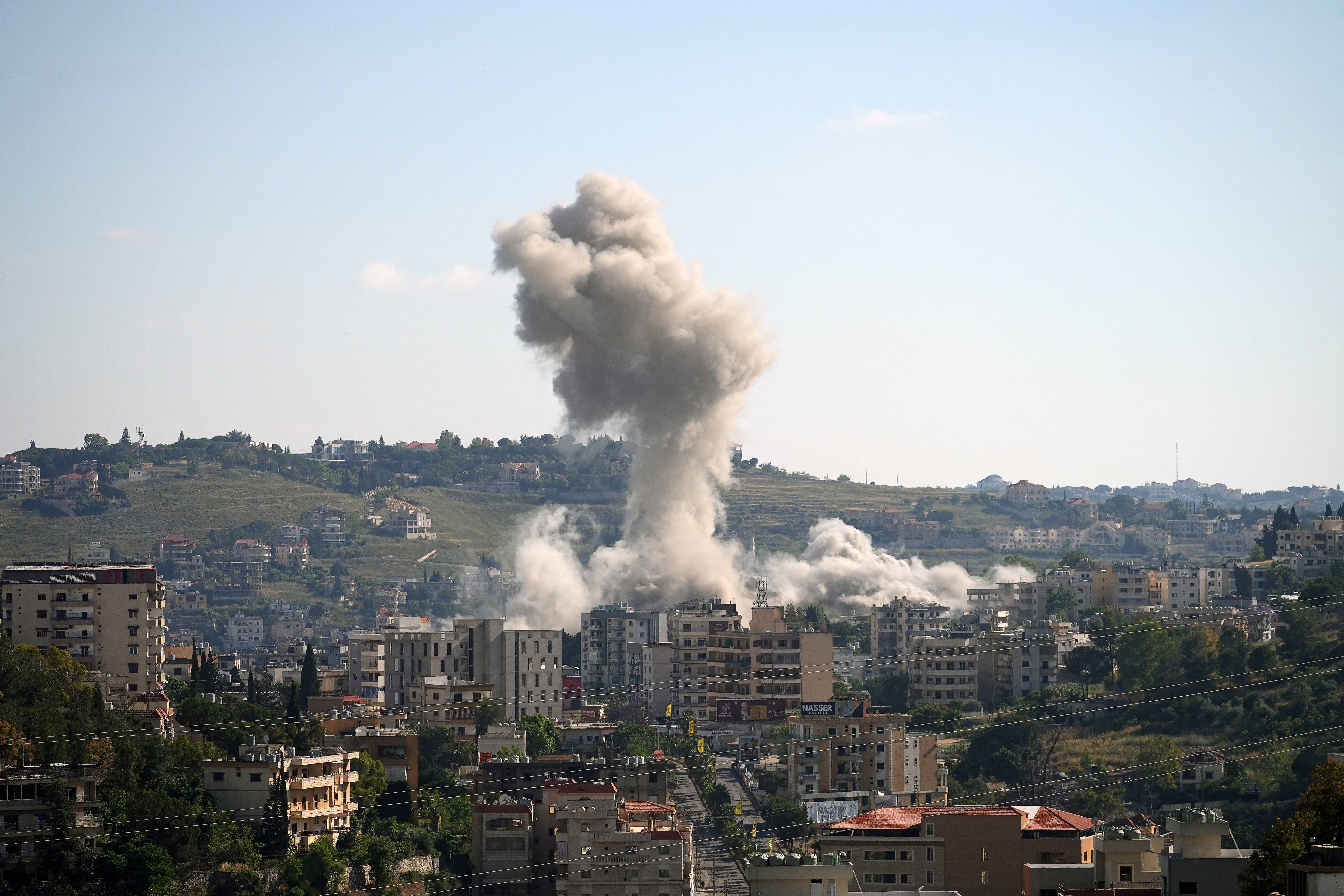 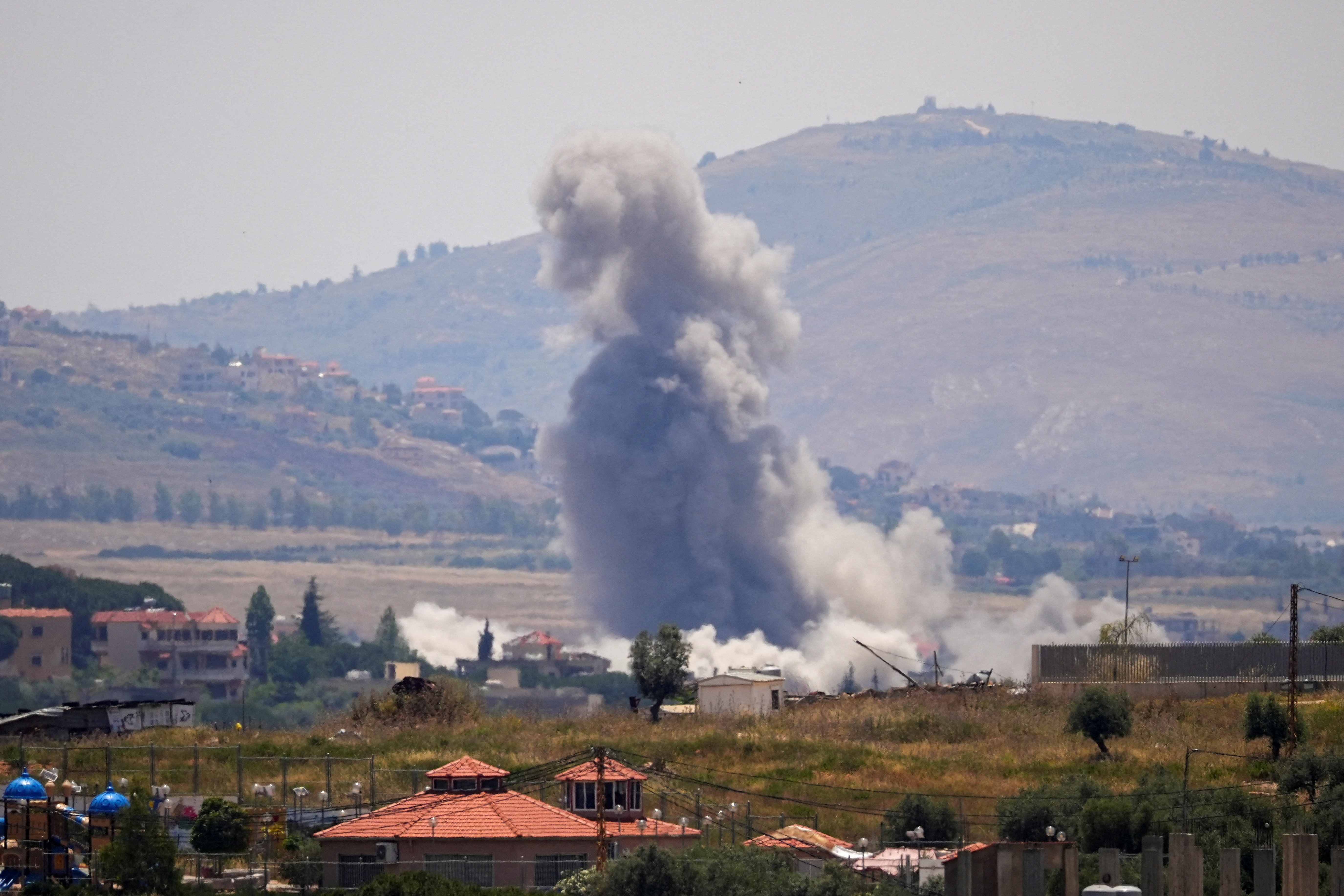 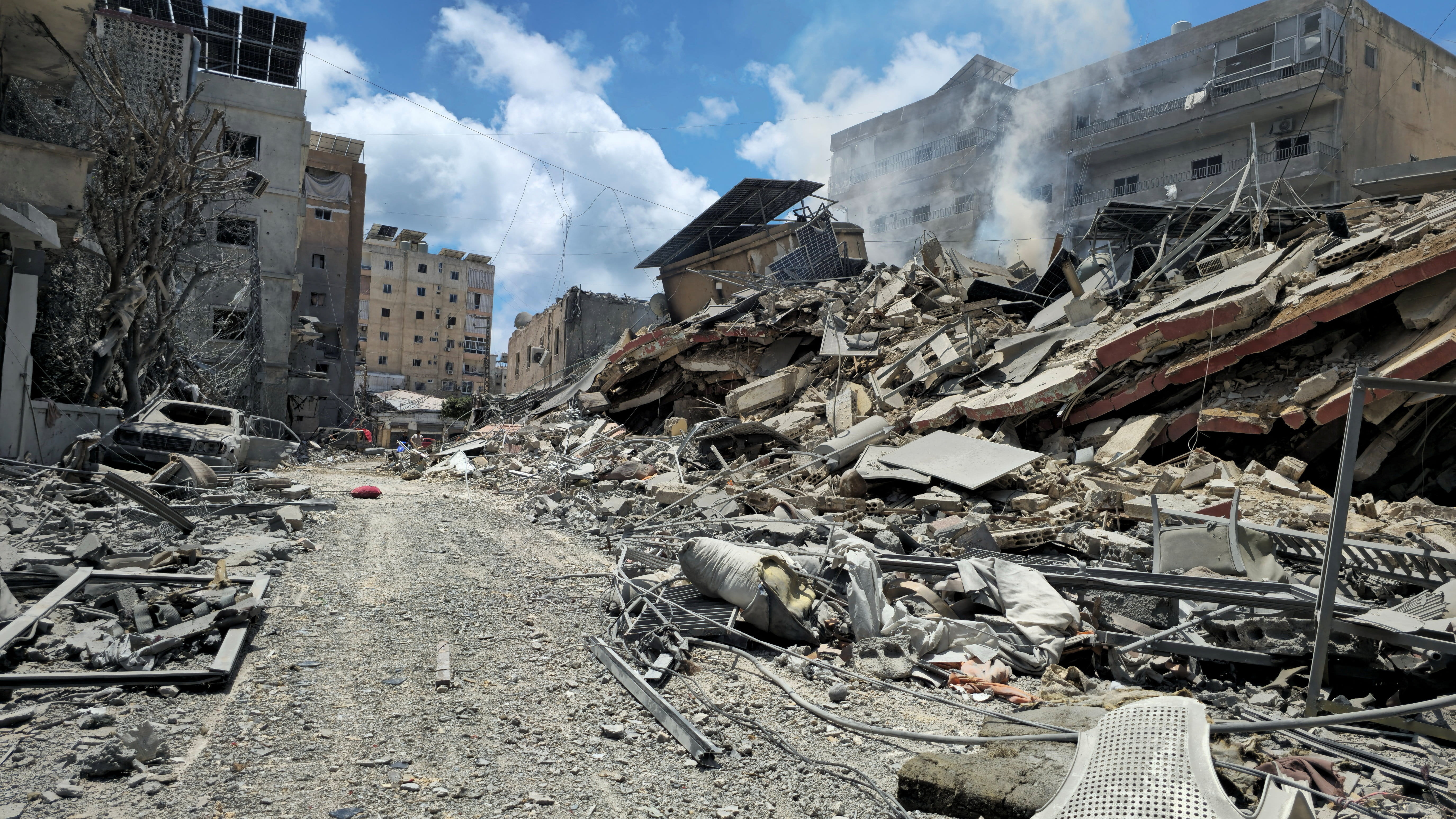 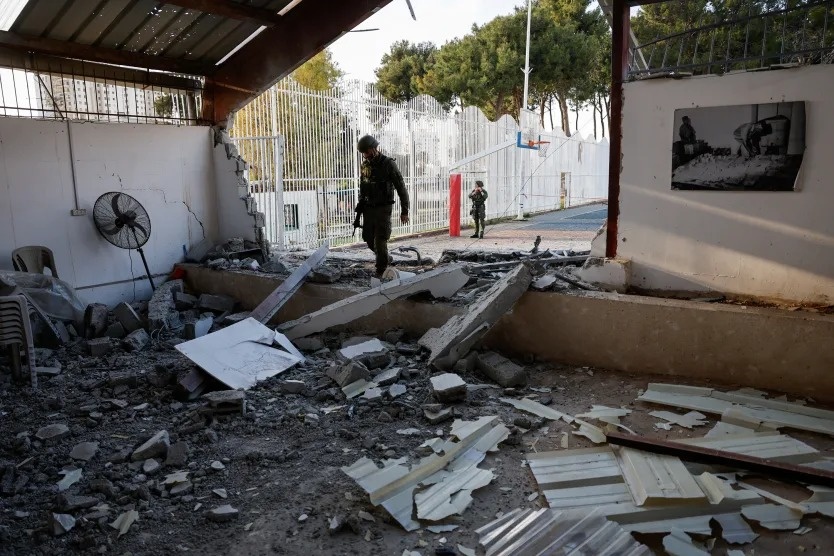 |
The Lebanon issue is one of the "bottlenecks" between Israel and Washington in the agreement with Iran. Photo: Reuters. |
However, the restrictions imposed by the US are putting increasing pressure on the Israeli leader, not only from the opposition but also from his own allies in the ruling coalition. Two far-right politicians, Italian National Security Minister Ben Gvir and Finance Minister Bezalel Smotrich, have both called for a stronger military response.
Ben Gvir even urged Prime Minister Netanyahu to confront President Trump directly and "make it clear that the State of Israel cannot accept this."
Blaming the US negotiating team.
Despite his dissatisfaction with the developing agreement, Netanyahu's reaction this time was relatively restrained, a stark contrast to the fierce campaign he waged against the 2015 Iran nuclear deal under former President Barack Obama.
At the time, Netanyahu delivered a controversial speech to the U.S. Congress, calling the deal a "historic mistake." However, that option is almost impossible to repeat under Trump.
For years, the Israeli Prime Minister has invested considerable political capital in his relationship with Trump. Openly confronting the American leader now could be politically costly, especially with the election approaching.
Instead, according to sources, Netanyahu is blaming the American negotiators, including Jared Kushner and Steve Witkoff, for persuading Trump to pursue a solution to end the conflict. Media outlets close to the Israeli Prime Minister have also consistently criticized this negotiating team, while avoiding putting Netanyahu directly in the crossfire.
"Kurdish, Witkoff, and Vance have chosen economic interests over vital issues," commentator Yaakov Bardugo, considered very close to Prime Minister Netanyahu, said on Channel 14. "Whatever agreements they reach, it is we who have to live here."
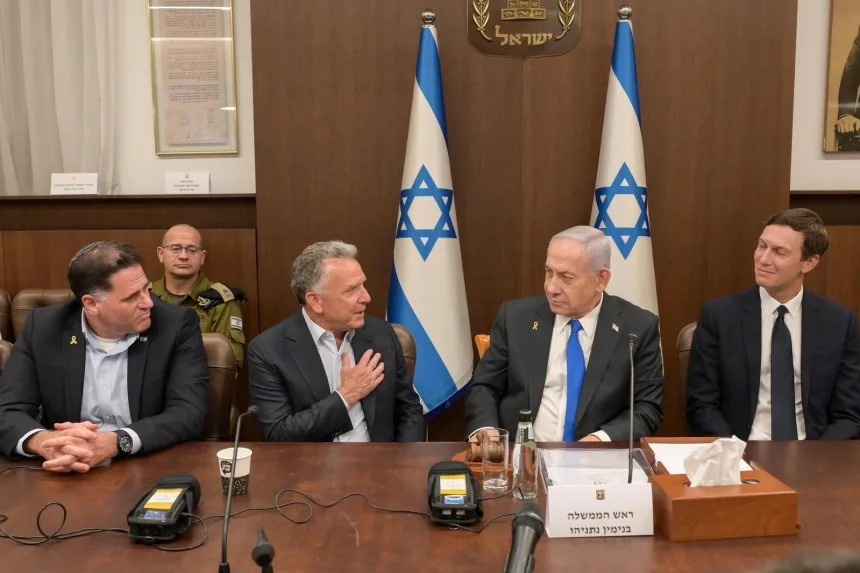 |
US envoys Steve Witkoff and Jared Kushner attended an Israeli cabinet meeting with Prime Minister Benjamin Netanyahu and other Israeli officials regarding a ceasefire agreement in Gaza. Photo: Israeli Government Press Office. |
However, a source familiar with the US-Israel exchanges suggests that the gap between the two sides stems from Tel Aviv's misjudgment.
"Israel is so focused on regime change in Iran that it fails to realize the war could also lead to a shift in political calculations in Washington," the source said.
According to this source, Trump found the argument that Israel was dragging the US into a large-scale war in the Middle East to be politically damaging, so he decided to reaffirm control.
"Trump realizes the 'Bibi leading America by the nose' image is harming him, so he has to prove that the White House is the ultimate decision-maker," the source said, using Netanyahu's popular nickname.
Trump himself seemed to allude to this when he stated last week: "Bibi is a good man. He will do what I ask."
This is not the first time Trump has abruptly ended a war that Netanyahu wanted to continue. In Gaza, Iran, and Lebanon, it was Washington that signaled a halt, despite the wishes of Israel's longest-serving prime minister to prolong the campaign.
"Netamento doesn't know when to stop."
"Netamento never knew when to stop and cut costs," one former associate remarked. Those who have worked closely with the Israeli Prime Minister say this is a consistent characteristic of his leadership style.
Critics argue that Netanyahu has failed to translate battlefield military successes into long-term strategic advantages. The outcome of the war could also undermine Netanyahu's campaign message.
The campaign against Iran was seen as a cornerstone of his efforts to reshape his political legacy following the Hamas attack on October 7, 2023, and as the foundation for his vision of a new Middle East.
A recent survey found that 45% of Israelis believe the situation regarding Iran is now worse than before October 7th, while only 31% believe it has improved. Nearly half of those surveyed believe Israel has little chance of winning or has already lost a confrontation with Iran, while only 41% remain optimistic about the prospect of victory.
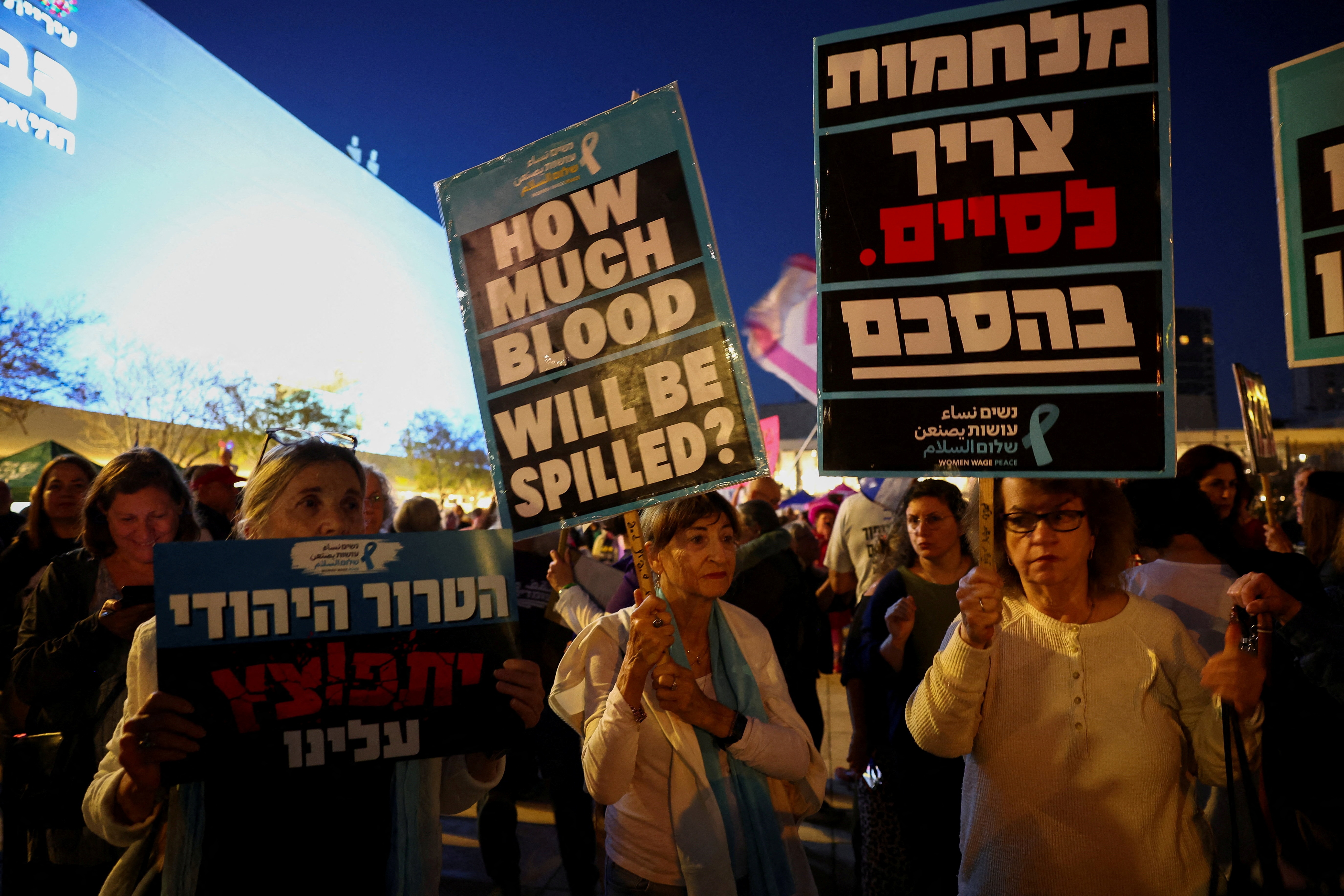 |
Israeli citizens participate in a protest against Prime Minister Benjamin Netanyahu and his government in Tel Aviv on April 25. Photo: Reuters. |
Israeli sources suggest that Trump's efforts to encourage Saudi Arabia and other Gulf states to normalize relations with Israel, as well as expand the Abraham Accords, were a form of political compensation for Netanyahu.
One source suggests that Trump may continue to support his ally Israel ahead of the election through high-level visits, supportive statements, or defense agreements to demonstrate the close ties between the two leaders.
However, the impact of the issue could extend far beyond the upcoming election cycle and touch upon the very core narrative of Netanyahu's political career.
For more than three decades, he has cultivated an image as a resolute leader confronting Iran's nuclear ambitions through persistent pressure, military strength, and close coordination with Washington.
"It's difficult to overstate how much Netanyahu views this moment as a serious personal and political defeat," said senior research fellow Danny Citrinowicz.
According to Citrinowicz, the Israeli Prime Minister has built his political identity around the image of "Mr. Iran"—a leader who consistently asserts that only strength can stop Tehran.
But now, after numerous military victories but a lack of tangible strategic achievements, Netanyahu may have to accept a deal that not only legitimizes the regime he seeks to weaken, but also exposes the collapse of his decades-long doctrine on confronting Iran.
Source: https://znews.vn/ong-netanyahu-ngay-cang-ra-ria-post1655892.html

























![[Photo] Reception to welcome General Secretary and President To Lam and his wife on their State visit to the Philippines](https://vphoto.vietnam.vn/thumb/1200x675/vietnam/resource/IMAGE/2026/06/01/1780295488620_vna-potal-chieu-dai-chao-mung-tong-bi-thu-chu-tich-nuoc-to-lam-va-phu-nhan-tham-cap-nha-nuoc-toi-philippines-8798060-7855-jpg.webp)







































































Comment (0)