

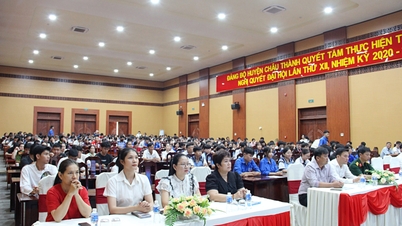
With the task of advising on the training and professional development of officials, civil servants, and public employees throughout the province, the Department of Internal Affairs has consistently followed and effectively implemented the Binh Thuan Provincial People's Committee's plan for training and professional development of officials, civil servants, and public employees over the years. As a result, it has completed all annual training and professional development programs for officials, civil servants, and public employees, contributing to an increase in both the quantity and quality of trained officials, civil servants, and public employees.
The good and the not-so-good
It can be affirmed that the training and professional development of cadres, civil servants, and public employees in recent years has been implemented according to the plan of the Provincial People's Committee. Cadres, civil servants, and public employees in agencies, units, and localities are increasingly aware of the position and importance of training and professional development in the new era. This has enhanced the learning, training, and striving spirit of cadres, Party members, civil servants, and public employees throughout the province. Coordination between agencies, units, and localities in the training and professional development of cadres and civil servants is quite close and synchronized; the use and management of training funds, as well as the settlement of expenses, are carried out effectively according to current regulations. The training and professional development of cadres, civil servants, and public employees has seen positive changes in terms of program content and training methods. Emphasis has been placed on training according to job positions, skills development, and professional training. The teaching staff and lecturers invited to participate in the training are mostly experienced management officials from provincial departments and agencies, as well as reputable lecturers from training institutions in the province, so the content delivered is closely aligned with the local situation. As a result, the number and quality of trained and educated officials and civil servants have increased rapidly, gradually forming a standardized workforce of officials and civil servants with professional qualifications from the provincial to the grassroots level. This contributes to improving the effectiveness and efficiency of state management, meeting the requirements of the reform period. The strengthening of international cooperation in the field of training and professional development for officials and civil servants in recent years has created conditions and impetus for the development of domestic training and professional development. Training and research abroad, as well as domestic training with foreign lecturers, have been given attention and promoted. The specialized fields selected for training are those that are key to the province's socio -economic development.
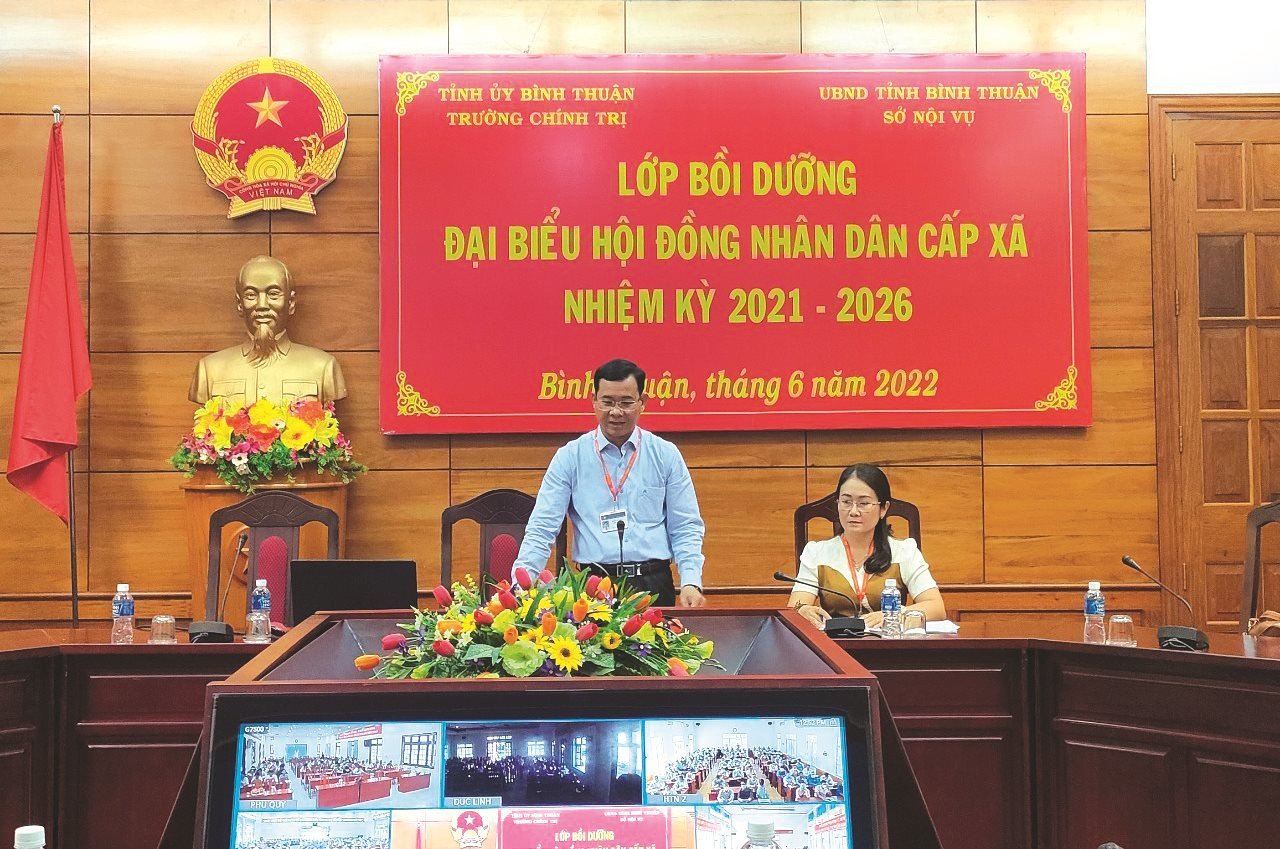
Despite the achievements, several limitations remain: Many officials and civil servants are juggling training while simultaneously fulfilling their professional duties, resulting in a lack of dedicated focus on professional development. While training policies for officials and civil servants have received attention, limited local budgets make it difficult to provide financial support for their participation. Some agencies, units, and localities are reactive in arranging work schedules and time to ensure full participation in training courses. Some training programs are heavily theoretical, broad, lacking interconnectedness and continuity, contain overlapping content, lack practicality, and fail to deeply develop the skills and professional expertise of officials and civil servants. Therefore, despite having received training and professional development, some officials and civil servants are still hesitant in performing their duties, and their leadership, management, and problem-solving abilities remain limited, failing to meet the requirements of the new era.
Innovation is needed.
To ensure that training and professional development programs for officials and civil servants meet the set requirements, the first issue is that these programs must be closely aligned with reality, focusing on practical issues arising from the performance of official duties and enhancing administrative skills. Through professional and administrative skills training, consistency in the operation of administrative agencies, especially in addressing the needs of citizens and businesses, must be ensured. Strict implementation of regulations on job positions and the structure of civil servant ranks is crucial to establishing appropriate job titles, standards, positions, and civil servant structures. This forms the basis for developing specific, feasible, and practical training plans, ensuring the fulfillment of training requirements for official positions and civil servant ranks as stipulated. The training content must ensure that officials are equipped with sufficient knowledge and professional skills to meet the requirements of official duties and standards. A suitable proportion should be allocated to practical skills in the structure of training and development programs for different target groups so that when faced with specific situations in their work, officials can handle them quickly, promptly, and effectively. For leadership and management personnel, emphasis should be placed on building specialized knowledge in leadership science , focusing on leadership skills and the art of leadership to equip them with the necessary knowledge and skills. Emphasis should be placed on linking theoretical research with practical experience, updating new policies and guidelines, and drawing on practical experience in resolving specific situations that frequently occur at the grassroots level to enhance the capacity and qualifications of officials. Officials should be allowed to choose training and development programs that are appropriate and practical to their work needs, thereby fostering motivation and a positive, serious attitude towards learning.
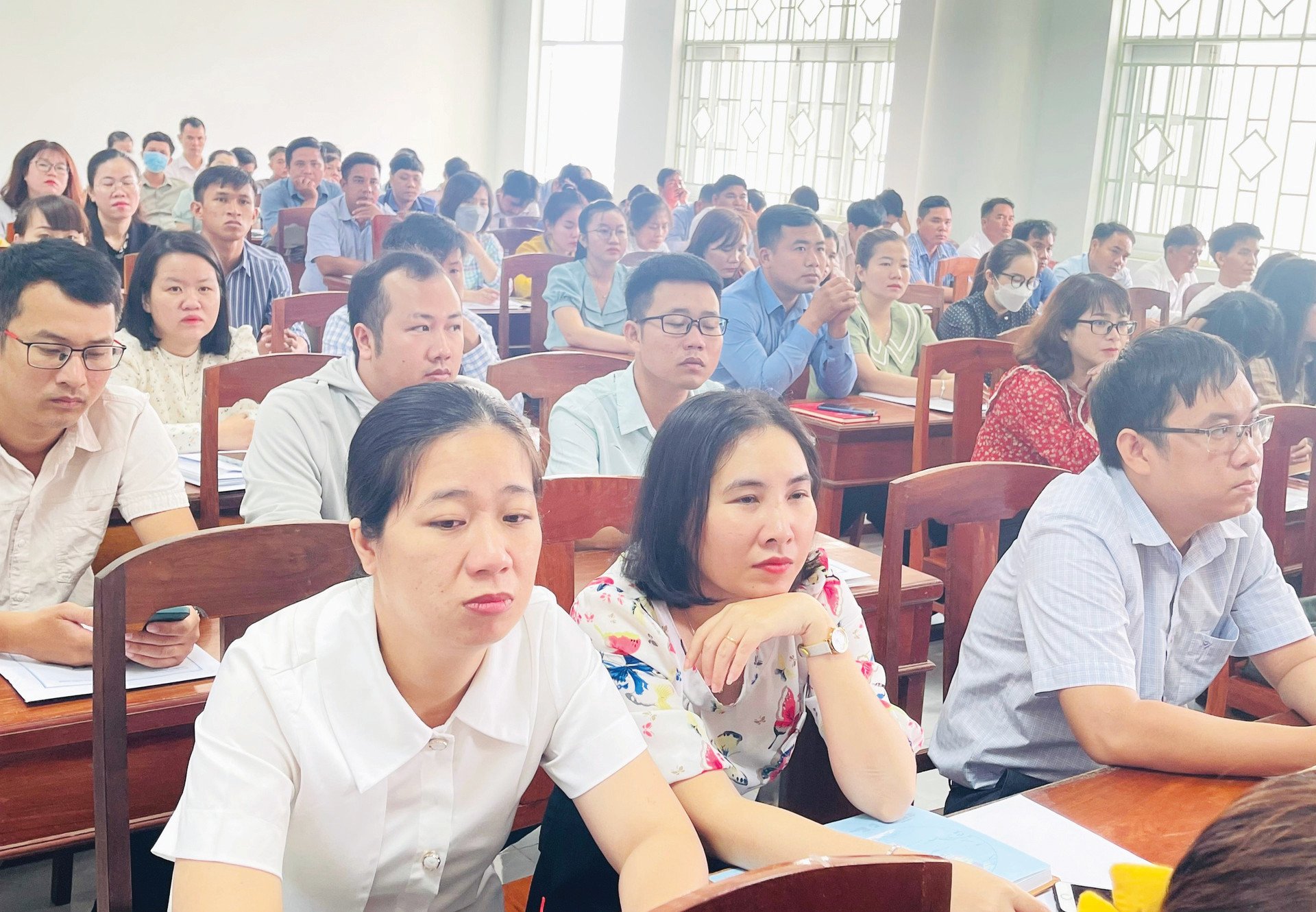
In reality, the majority of current officials and civil servants have already met certain standards, gained practical experience, and possess the ability to self-learn, conduct research, and analyze and evaluate issues. Therefore, the content of learning and research should be oriented, posing problems and situations, and providing guidance, suggestions, and dialogue to cultivate problem-solving and situation-handling skills. To ensure effective and high-quality learning, after each lesson or thematic unit, trainees should be given appropriate time for research, field surveys, and practical experience-sharing exercises. Thus, training methods must be reformed to enhance leadership and management capabilities, linked to the corresponding positions and responsibilities of officials. Depending on the specifics of each subject, appropriate methods can be selected, applying advanced teaching methods combined with the use of modern teaching tools and resources. Simultaneously, research should be conducted to propose additional training and professional development programs, improving curricula and training materials for grassroots officials to better align with the functions and tasks of each target group. These programs and curricula must be suitable for different training durations and educational systems, avoiding duplication of knowledge that leads to boredom and wasted time. Furthermore, training types should be diversified to suit the characteristics and features of different regions, ethnic groups, and backgrounds, thereby moving towards competency-based training and professional development, contributing to the development of work skills and enhancing the effectiveness of officials and civil servants in the future.
Source
![[Photo] Standing Committee member of the Party Central Committee Tran Cam Tu working with the Central Inspection Committee](https://vphoto.vietnam.vn/thumb/1200x675/vietnam/resource/IMAGE/2026/05/28/1779969579668_ndo_br_bnd-2495-jpg.webp)












































































Comment (0)