

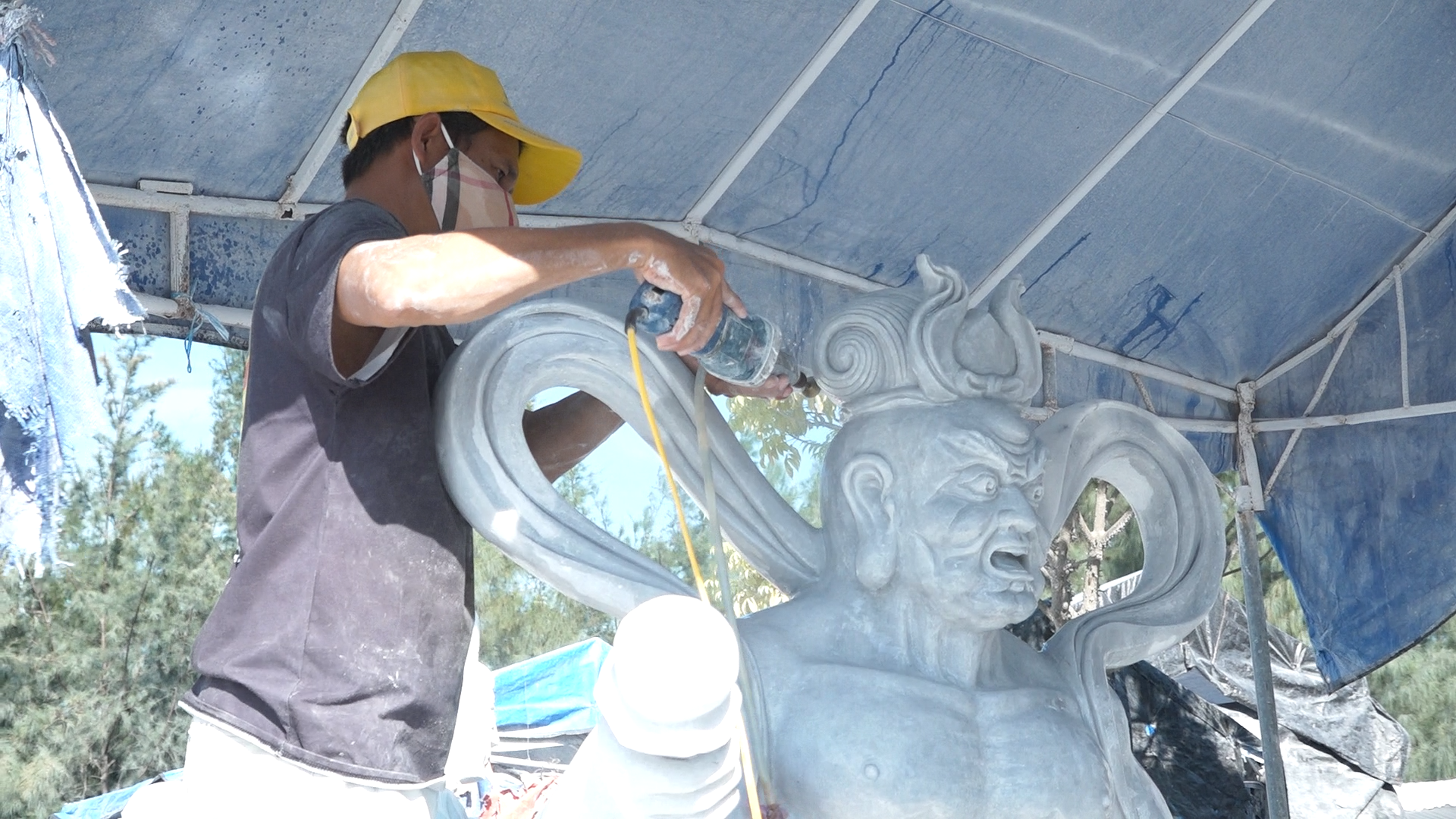
Da Nang city currently has more than 100 traditional crafts and craft villages, including 39 officially recognized craft villages. In particular, many traditional handicrafts and villages have existed for hundreds of years, renowned for their diverse products...
The good reputation of the traditional craft village spreads far and wide.
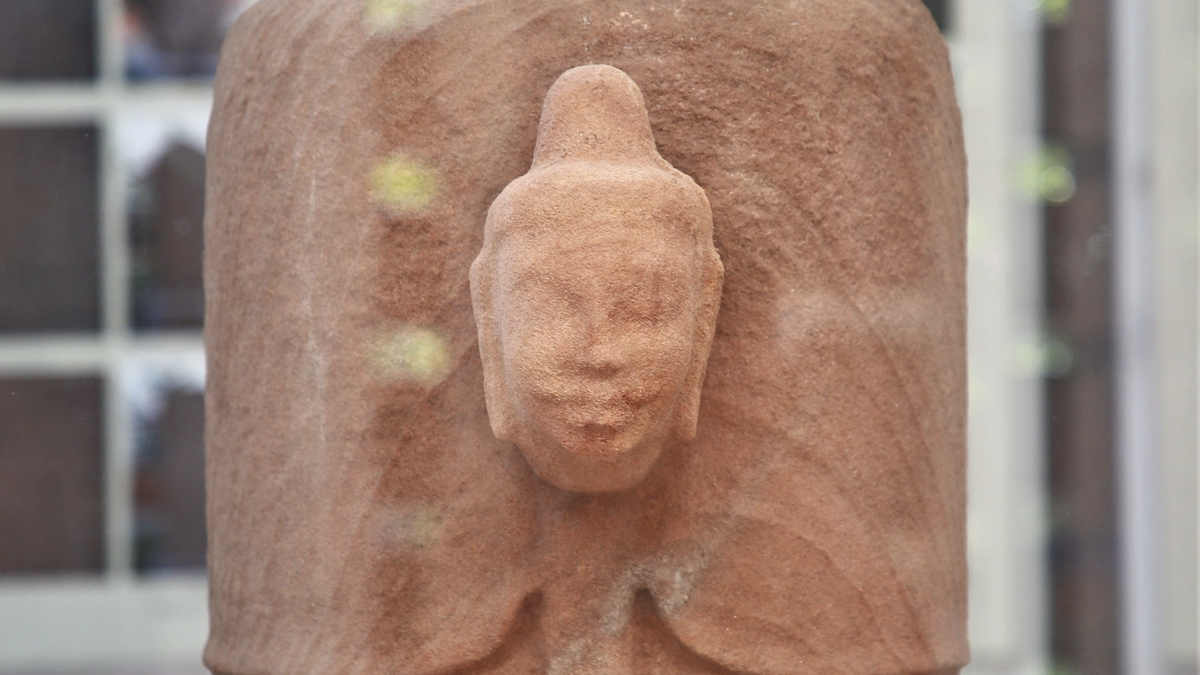
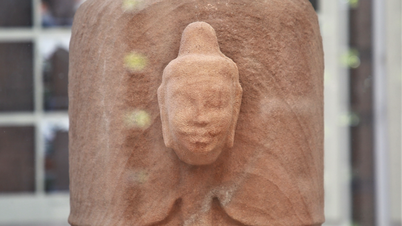
The stone carving craft in Non Nuoc Stone Carving Village (Ngu Hanh Son Ward) has a tradition of over 400 years and was recognized as a National Intangible Cultural Heritage in 2014. Currently, the village has 385 production facilities with approximately 1,250 workers. The total value of goods produced in the village averages about 372 billion VND annually.
Developing traditional crafts and craft villages is not only about economic benefits, but also about preserving and promoting the soul and essence of Vietnamese culture in each product, allowing international friends to appreciate the unique identity of Vietnam.
In the coming period, the Ministry of Agriculture and Environment will review and advise on amending and improving inadequate institutions and legal documents, and strengthen guidance and supervision of localities to concretize development policies.
Simultaneously, we will build a creative center, promote innovation in designs and styles, and integrate traditional craft products with trade, tourism , and international markets.In addition, we need to promote data digitization, develop green, organic, and circular raw material areas, support artisans, encourage the transmission of skills, and link the preservation of traditional crafts and villages with socio-economic development.”
(Vo Van Hung, Deputy Minister of Agriculture and Environment)
To preserve the essence of the craft, develop the craft village, contribute to socio-economic development, and ensure environmental protection, the People's Committee of the city has planned the Non Nuoc Stone Sculpture Village, covering an area of over 35 hectares, and relocated scattered sculpture workshops to operate there. Specifically, the city has allocated 7.46 hectares (divided into 574 plots) for the production of stone handicrafts in phase 1, and 6.68 hectares for the raw material storage area. The remaining land is for a green buffer zone, a wastewater treatment plant, transportation infrastructure, and other land-related projects.
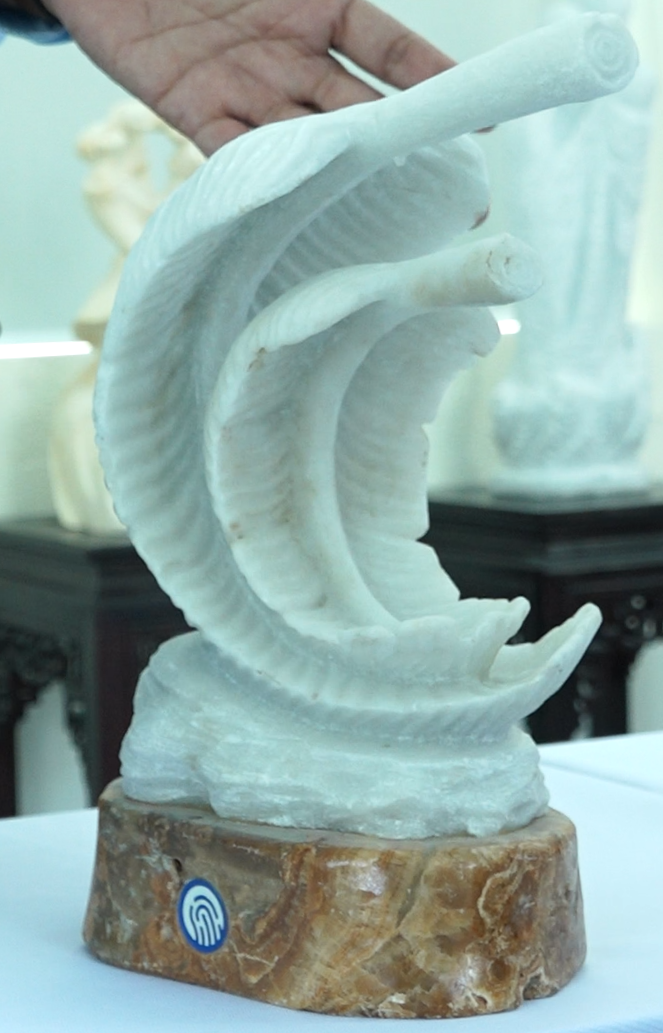
Faced with the problem of product design copying and the difficulty for consumers to distinguish products from Non Nuoc Stone Carving Village from those elsewhere, especially high-value products, the villagers are being supported in affixing blockchain technology labels to their products.
Artisan Mai Thanh Thien shared: “Labeling products with blockchain technology not only ensures the authenticity and credibility of the products, but also spreads their image and information further. Villagers will create even more beautiful products to be labeled with blockchain technology so that the reputation of Non Nuoc stone carving can reach even further.”
According to Luu Van Tam Anh, Deputy Director of the Public Service Center of Ngu Hanh Son Ward, the ward is implementing a project to restore and develop traditional craft villages, which includes linking it with tourism development. Soon, the ward will build a traditional craft village house, which will both display products and honor artisans who have made significant contributions to the preservation and promotion of Non Nuoc stone carving. It will also create a space for tourists to visit and experience stone carving and crafting.
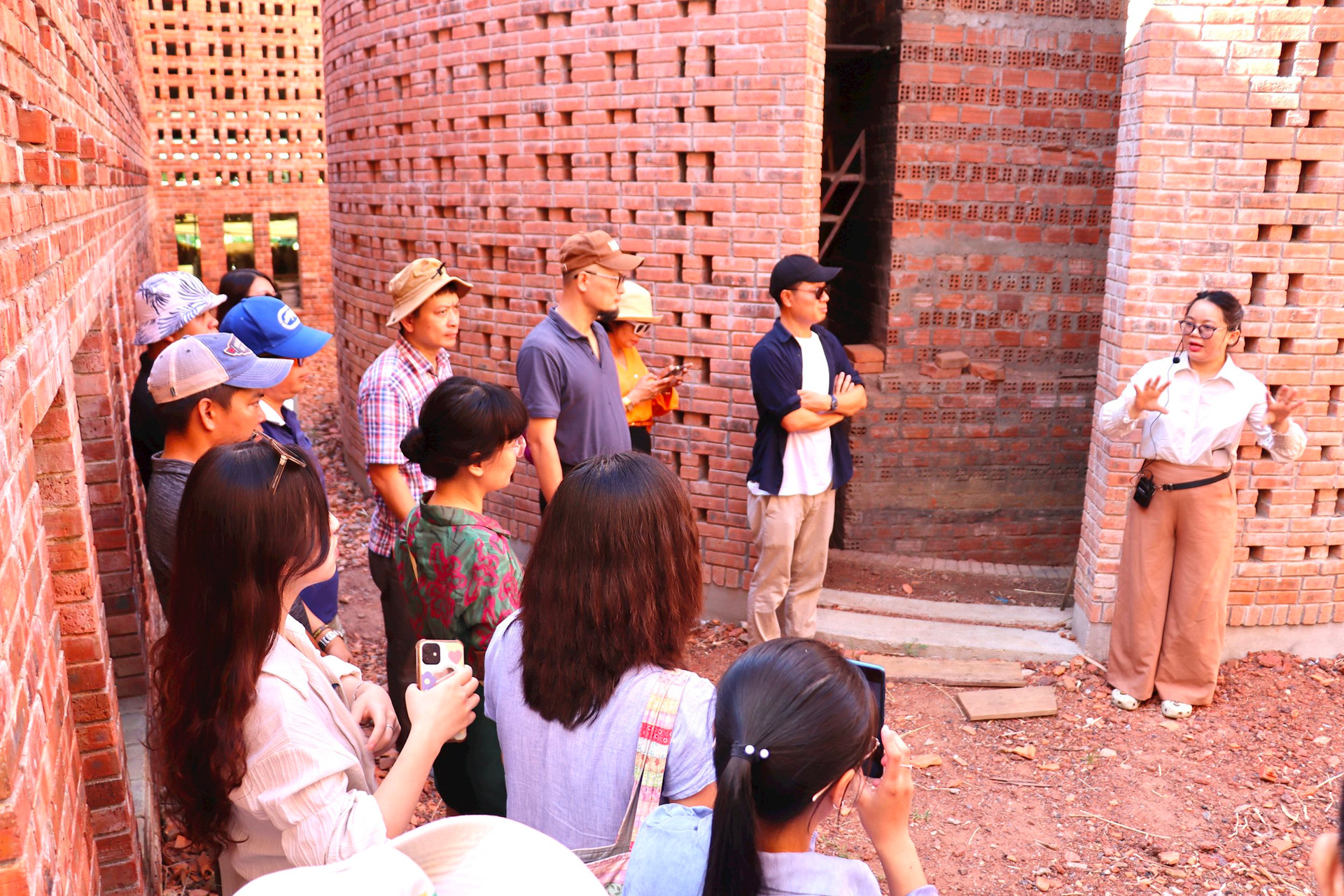
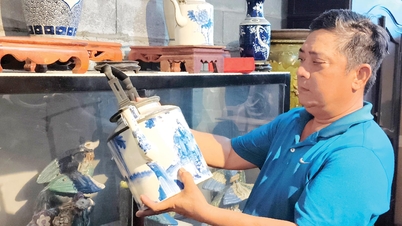
Given the current difficulties faced by traditional craft villages, transforming them into tourist destinations is a way to both introduce and promote products, advertise the craft and the village, and generate additional income for the people. In June 2025, Dong Khuong village (Dien Ban ward) will be recognized as a tourist destination to attract visitors to experience the various stages of pottery and woodworking production; to appreciate the culture and history of the land and people; and to boost the consumption of traditional craft products.
According to Nguyen Van Tiep, a wood craftsman from Dong Khuong village, the biggest issue is not just the market, but also the people. There needs to be skilled and dedicated artisans and traditional craftspeople to preserve, promote, and spread the essence of the craft, thereby attracting tourists and developing tourism in the craft village.
Preserving traditional crafts and promoting their essence.
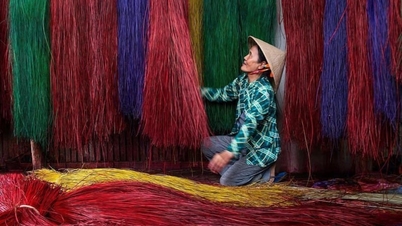
According to the Department of Agriculture and Environment, the city has 39 recognized craft villages and traditional craft villages with diverse industries, such as: processing and preserving agricultural, forestry and aquatic products; producing handicrafts; processing raw materials for rural industries; producing rattan and bamboo weaving, basket weaving, silk weaving, etc.
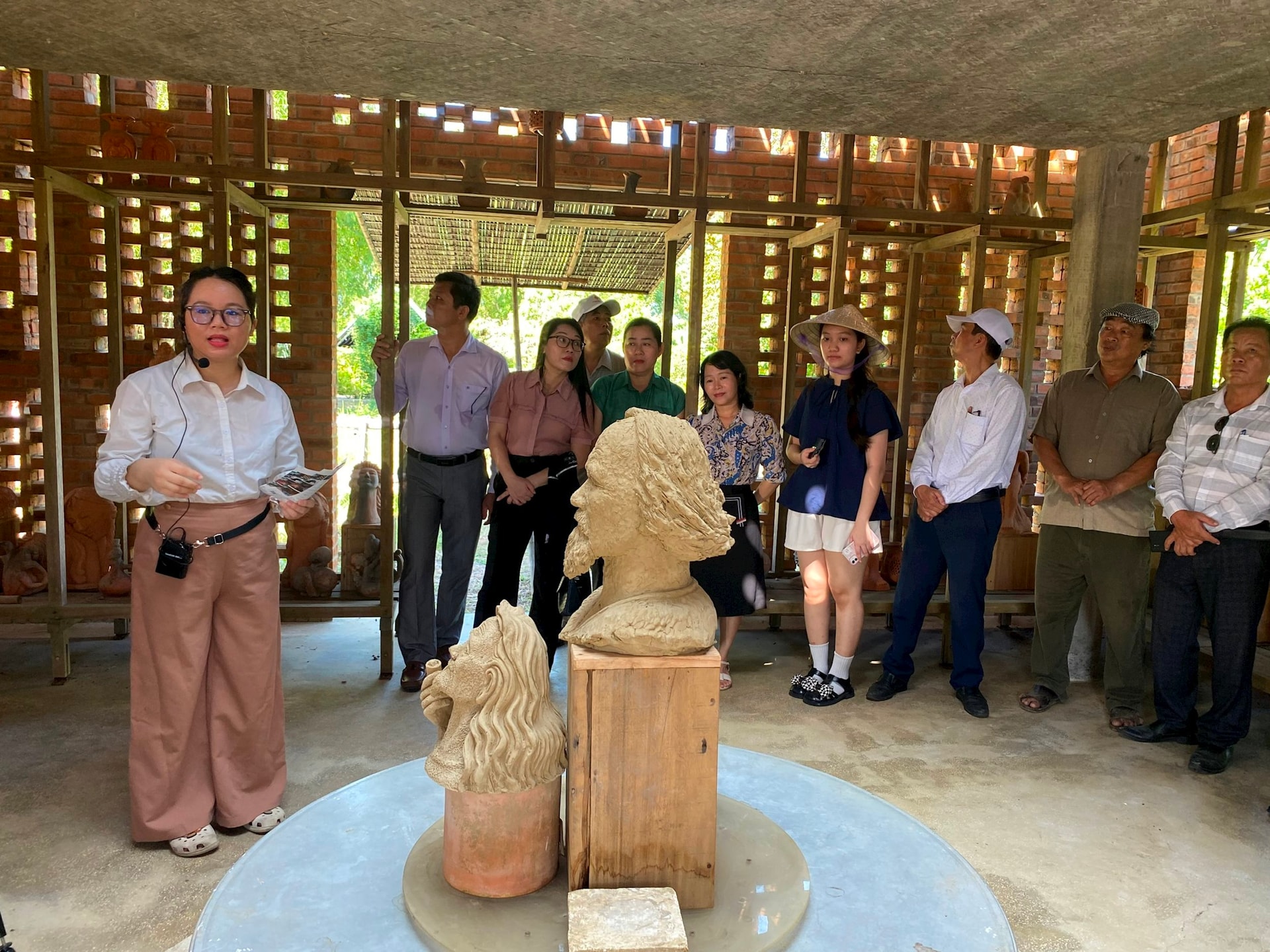
Over the years, traditional craft villages have made significant contributions to the socio-economic development of the city, such as attracting social resources, creating a rich and diverse range of products to meet the needs of society and for export; providing employment; and contributing to the restructuring of the city's economy. Some craft villages have truly thrived and developed within the market economy, thereby contributing to the preservation of village spaces, traditional cultural beauty, and possessing great potential for tourism development.
Along with the achievements, the People's Committee of Da Nang City has also frankly acknowledged that traditional crafts, craft villages, and traditional craft villages are facing many challenges on their journey to preserve and promote their value. It is easy to see that most craft villages in Da Nang City have small-scale, scattered, and fragmented production. Furthermore, outdated equipment and technology lead to low labor productivity; the quality and design of products are monotonous, resulting in low competitiveness and failure to meet the increasingly demanding tastes of consumers.
.jpg)
The skills of workers have not been adequately trained and nurtured; the income of craftspeople in craft villages is not attractive enough to retain workers, especially highly skilled workers and artisans. Meanwhile, production infrastructure in craft villages has not been invested in comprehensively; some craft villages and establishments have not paid sufficient attention to the relationship between production and environmental protection.
Finding markets for handicraft products has long been a challenging issue, as the consumer market remains limited, product branding and promotion have not received adequate investment, and the tourism potential associated with handicraft villages has not been fully exploited. This is not to mention the difficulties regarding land availability and access to credit policies.
Traditional craft villages and traditional crafts are not only the livelihoods of the people but also the distinctive "cultural brand" of the city, attracting domestic and international tourists. In the context of deep international integration, the city needs to identify opportunities early and accurately assess the challenges to the development of traditional craft villages and traditional crafts. From there, it needs to develop comprehensive policies to address existing limitations; and propose content, tasks, and solutions to support the flourishing of traditional crafts and craft villages, contributing to improving people's lives and developing a modern, sustainable rural economy.
Source: https://baodanang.vn/phat-huy-tinh-hoa-phat-trien-lang-nghe-truyen-thong-3305101.html
![[Photo] General Secretary and President To Lam presides over a meeting with the Central Organizing Committee.](https://vphoto.vietnam.vn/thumb/1200x675/vietnam/resource/IMAGE/2026/06/03/1780482764658_a1-bnd-4741-3342-jpg.webp)


![[Photo] First session of the 14th Congress of the Vietnam Trade Union](https://vphoto.vietnam.vn/thumb/1200x675/vietnam/resource/IMAGE/2026/06/03/1780465947883_ndo_br_img-3852-jpg.webp)
![[Photo] Secretary of the National Assembly Party Committee, Chairman of the National Assembly presides over the meeting of the Standing Committee and Executive Committee of the National Assembly Party Committee.](https://vphoto.vietnam.vn/thumb/1200x675/vietnam/resource/IMAGE/2026/06/03/1780480353201_ndo_br_bnd-2585-jpg.webp)
















































![[Video] Sunset at Lap An Lagoon – Where the sun sets over the fishing nets](https://vphoto.vietnam.vn/thumb/1200x675/vietnam/resource/IMAGE/2026/05/31/1780192137701_beach-landscape-sea-water-nature-grass-745871-pxhere-com.jpeg)





























Comment (0)