

However, the immense workload, limited staff, lack of highly specialized personnel, and large volume of administrative tasks are preventing this department from fully utilizing its strategic advisory role.
High pressure from the grassroots.
In Bao Yen commune, despite being a central area with a large population, a heavy workload, and a wide administrative area, the number of staff in the Economic Department is comparable to many other communes. Meanwhile, the increasing demands of the job mean that staff often have to work overtime.
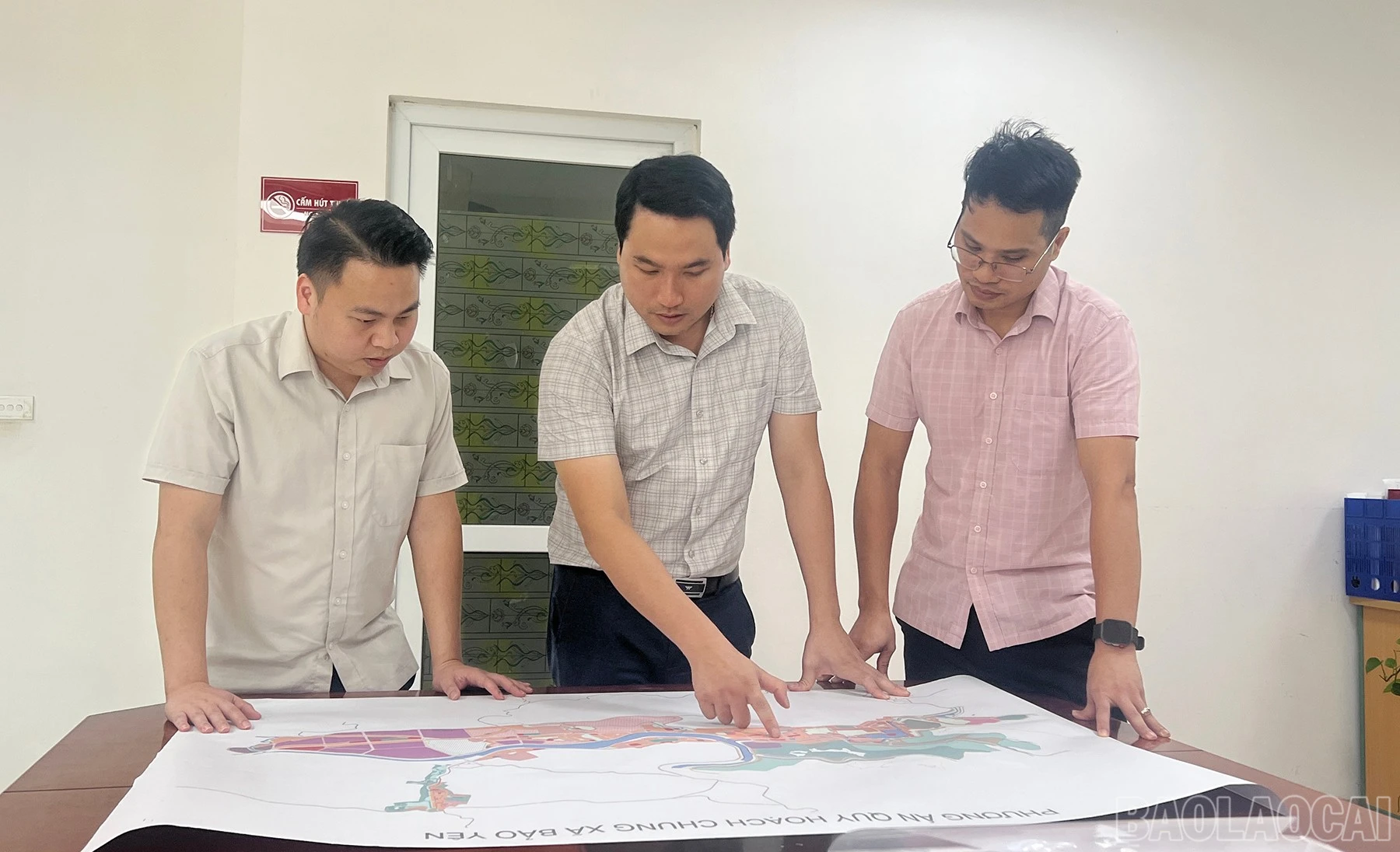
Each official has to handle multiple different areas, from construction, transportation, and agriculture to compiling socio-economic data. In particular, the frequent and tight reporting requirements from departments and agencies mean that most of the officials' time is spent processing files, documents, and updating data.
According to Mr. Le Manh Hung, an officer in the Economic Department of Bao Yen commune: Surveying the current situation, inspecting construction projects, or researching local economic development issues mainly have to be done outside of working hours or on weekends.
The workload pressure is immense, not only in Bao Yen but also in Ban Lau commune, especially in the areas of investment project management and state management of construction. Currently, the locality is receiving additional staff from the Muong Khuong Regional Investment and Construction Project Management Board and an official from the province to provide professional support.
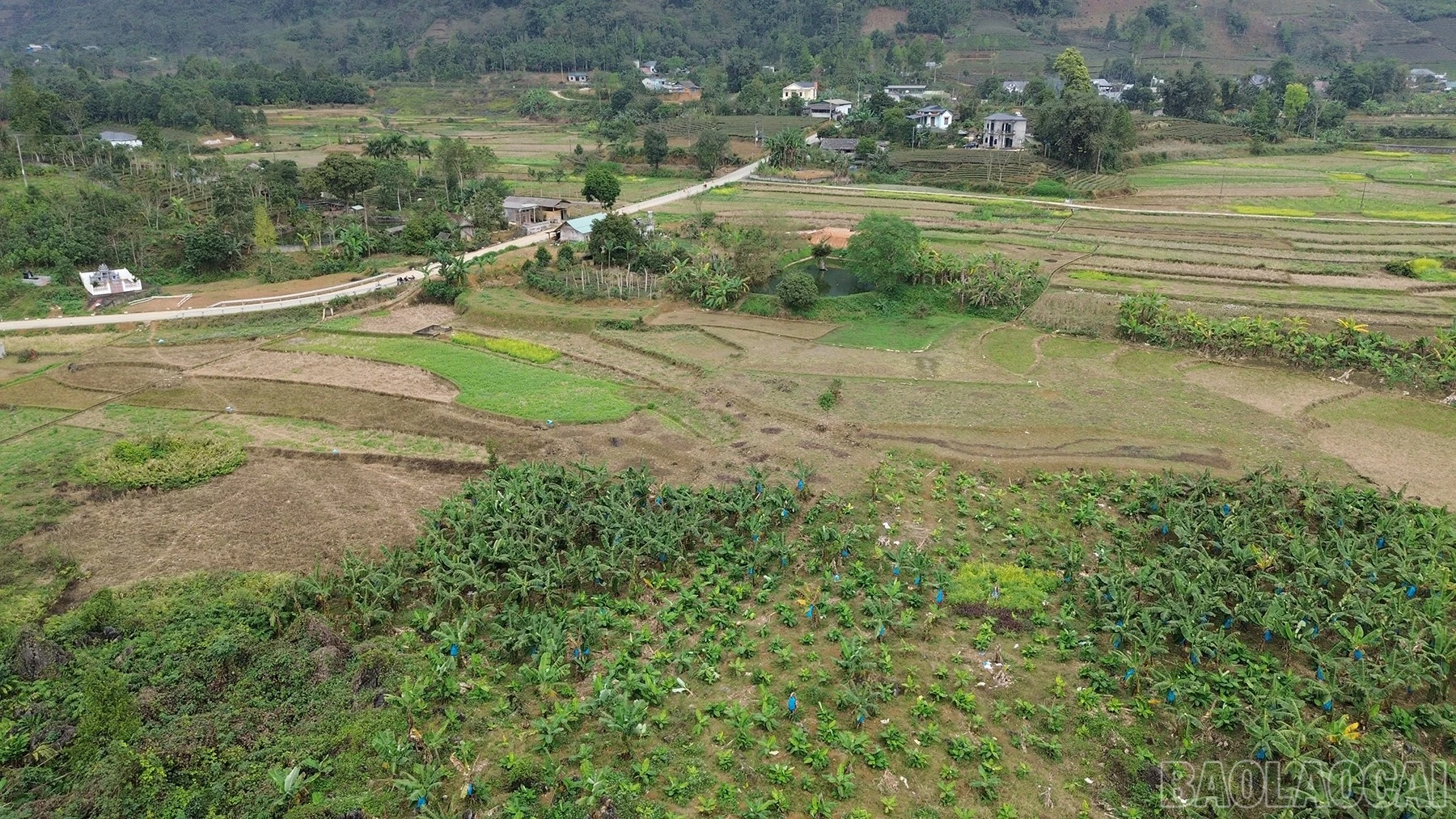
Mr. Hoang Anh Tuan, Head of the Economic Department of Ban Lau Commune, said: "Many key projects are being implemented in the area, such as the border multi-level boarding school and large-scale inter-commune and regional connecting roads. Therefore, land clearance work generates a huge amount of work, requiring officials to frequently go to the site, coordinate propaganda and mobilization of people, and handle many arising situations. Meanwhile, the professional staff is still small, and many have not received in-depth training in construction, public investment, or project management, so the pressure is even heavier."
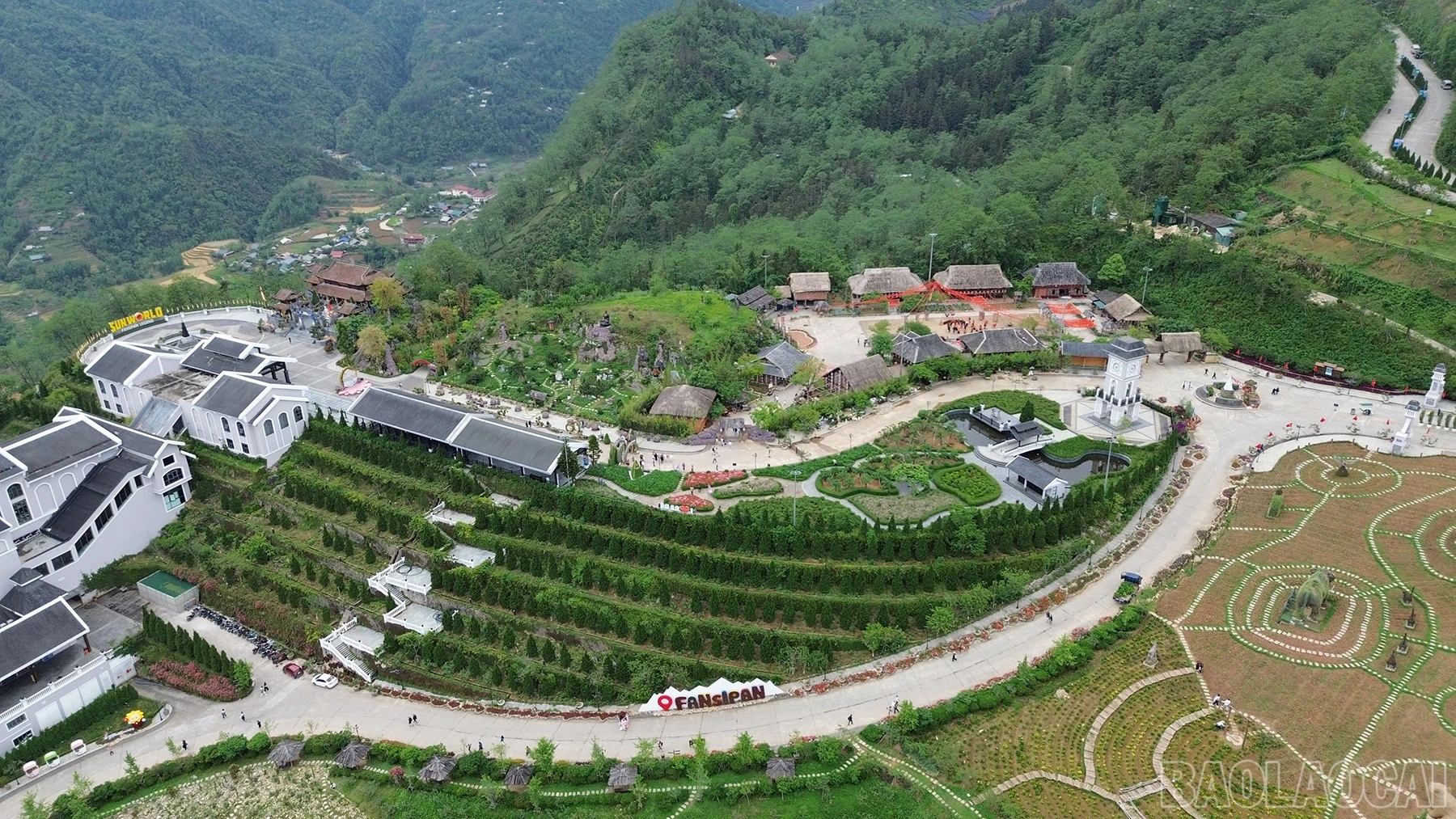
In Sa Pa ward, the planning requirements following the administrative reorganization, linked to the development orientation of the Sa Pa National Tourist Area, also place a significant task on the staff of the Department of Economy, Infrastructure and Urban Development.
This area is experiencing rapid urbanization and strong tourism development, involving many complex fields such as land, construction, landscape and architectural management, urban order, and tourism service development. However, the current staff must simultaneously advise on planning and handle many other regular tasks such as land management, technical infrastructure, and addressing urban order violations.
Some previously experienced staff members have been reassigned to other communes within the former Sa Pa town area due to personnel needs, leading to increasing workload pressure in the department.
Enhancing the capacity of the staff.
In the two-tiered local government model, the commune-level Economic Department plays a comprehensive advisory role for the Party Committee and the government in guiding socio-economic development. However, in reality, most of the time of current officials is still focused on administrative and routine tasks.
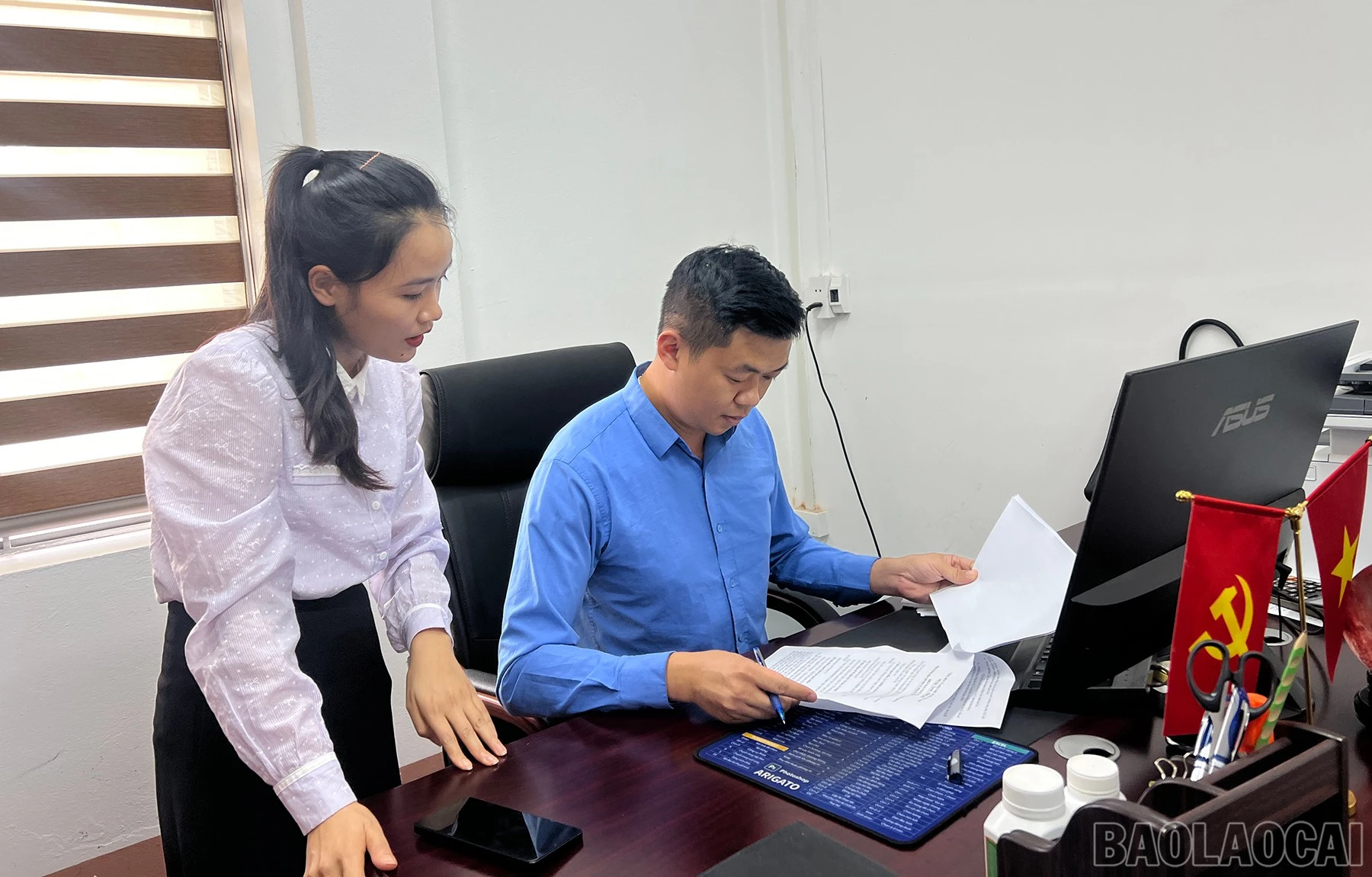
From compiling reports and updating data to completing procedural documents and resolving arising tasks from specialized departments and agencies, all require continuous processing within a short timeframe. This significantly reduces the time available for practical research, field surveys, and advising on long-term development strategies.
Mr. Duong Manh Thang, Head of the Economic Department of Bao Yen Commune, said: "Many areas require in-depth expertise and are directly related to people's lives. While the district level is gradually streamlining its organizational structure, many tasks are being transferred to the commune level, increasing the pressure on the staff of the Economic Department."
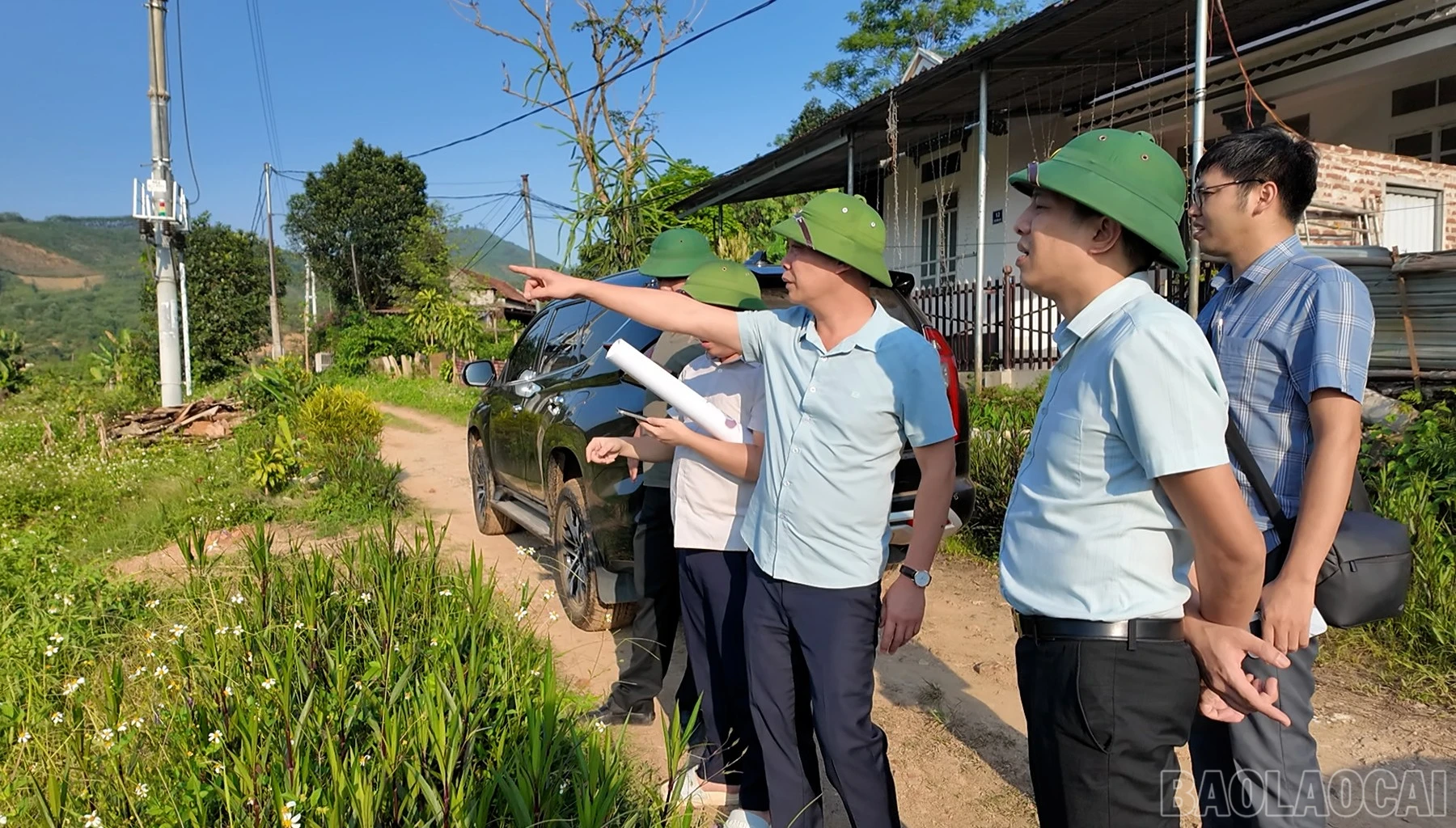
This reality is directly affecting the quality of strategic advice, especially in important areas such as spatial development planning, investment attraction, infrastructure development, and exploiting local potential and advantages.
Another major challenge is the shortage of highly specialized personnel in the fields of construction, finance, planning, agriculture, and public investment management. In many localities, officials in the Economic Department have to handle multiple areas simultaneously, while the professional requirements are increasingly high.
In order for the commune-level Economic Department to truly fulfill its advisory role in the current period, many opinions suggest that a comprehensive solution is needed, ranging from organizational structure and policy mechanisms to improving the quality of the staff.
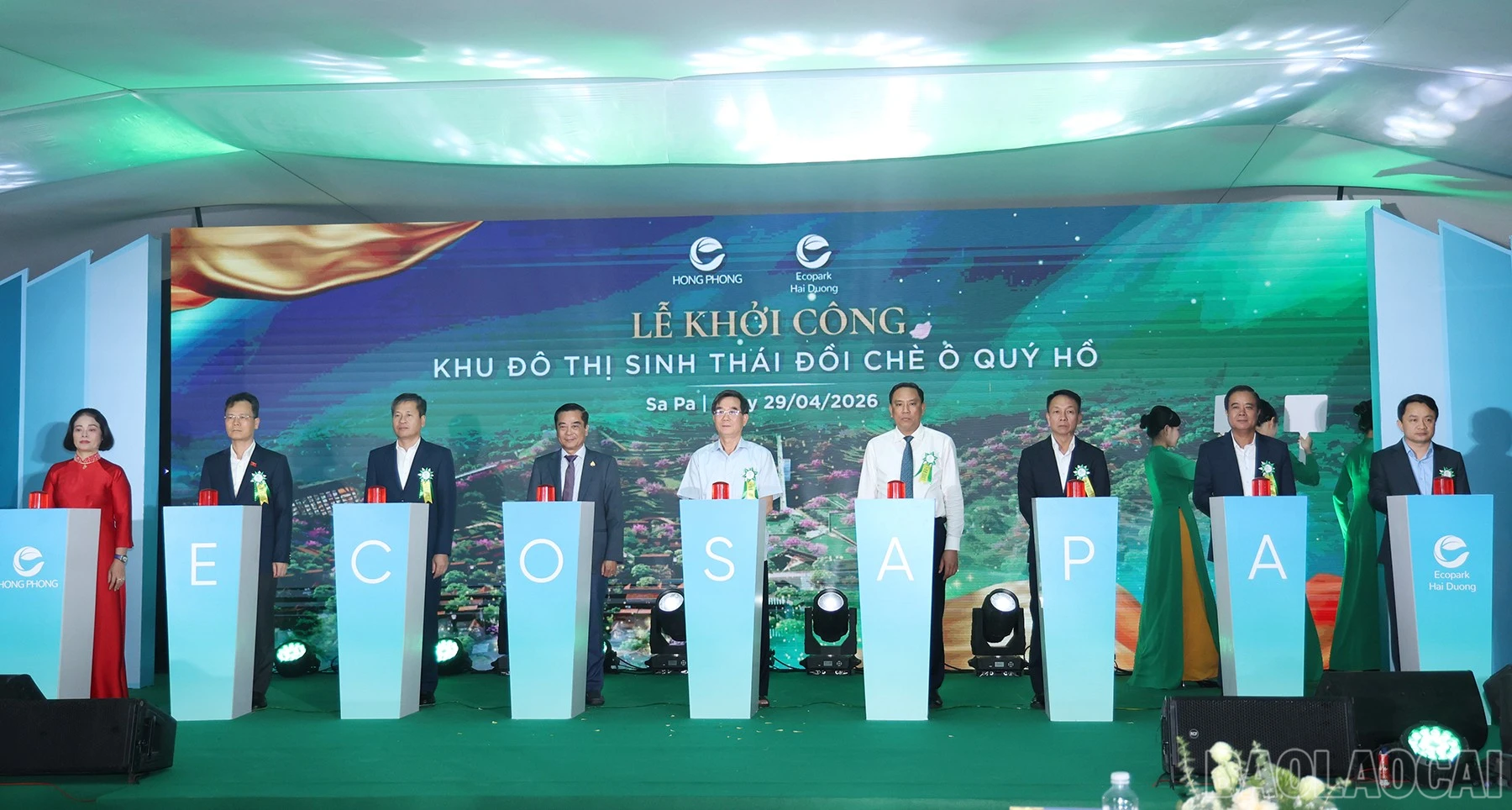
Mr. To Ngoc Lien, Chairman of the People's Committee of Sa Pa Ward, said: In the coming time, the ward will focus on comprehensively evaluating the activities of the Department of Economy, Infrastructure and Urban Development; strengthening guidance on areas where advisory services are still limited, ensuring that the department truly becomes the leading advisory agency in the fields of planning, construction and urban development.
Experience shows that when the staff of the Economic Department have the opportunity to work closely with the grassroots, conduct practical research, and focus on strategic planning, the effectiveness of managing and directing socio-economic development at the local level will be enhanced. As the two-tiered local government model is gradually being perfected, improving the capacity and role of the commune-level Economic Department is not only an immediate requirement but also a crucial solution for building a truly dynamic, effective, and practical grassroots government.
Source: https://baolaocai.vn/phat-huy-vai-tro-tham-muu-cua-phong-kinh-te-cap-xa-post899379.html




![[Image] Nearly 125,000 Hanoi students completed the Literature exam for the 10th grade entrance exam.](https://vphoto.vietnam.vn/thumb/1200x675/vietnam/resource/IMAGE/2026/05/30/1780117233041_ndo_br_thiet-ke-chua-co-ten-2-png.webp)










![[Photo] Admire the coral "masterpiece" amidst the million-year-old heritage of Dak Lak province.](https://vphoto.vietnam.vn/thumb/1200x675/vietnam/resource/IMAGE/2026/05/30/1780107638639_y25-jpg.webp)


































































Comment (0)