


Community-based tourism linked to traditional craft villages.
"First, Cua Khe fish sauce; second, An Phu tea," this folk song recalls the famous fish sauce products of Cua Khe village (Thang An commune, Da Nang city), which have been popular for hundreds of years.
Currently, the village has about 60 households participating in preserving the traditional craft. Cua Khe village also boasts a beautiful coastline, approximately 5km long, with abundant seafood resources. The people here still maintain coastal cultural traditions such as the ancestral commemoration of the fish sauce making craft, the fishing festival, and the traditional boat dance performances.
Combining these values, the locality has developed a community-based tourism development model linked to the preservation and promotion of cultural values in the traditional fish sauce making village of Cua Khe.
The Cua Khe Fish Sauce Village Community Tourism Cooperative has combined the cultural characteristics of the traditional craft village with experiential tourism activities, creating unique tourism products, ensuring sustainable development, and providing stable livelihoods for the people.
According to Mr. Hoang Van Tuu, Vice Chairman of the People's Committee of Thang An commune, the development of community tourism associated with the preservation and promotion of cultural values in the traditional fish sauce making village of Cua Khe has yielded many positive results.

The craft village preserves the traditional fish sauce making process, introducing visitors to the history, techniques, and significance of the craft in the cultural life of the people. The fishing village culture is showcased through various activities such as riding in basket boats, casting nets, and singing traditional folk songs. Local authorities and residents have joined hands to create a captivating story about the Cua Khe craft village, helping visitors to further appreciate this region.
“We have introduced local specialties to help tourists enjoy the distinctive flavors of the region. Recreational activities on the beach such as swimming, boating, fishing, and traditional games provide enjoyment for visitors. Homestay services create a close-knit living space, allowing tourists to connect with nature and local culture,” Mr. Tuu said.
For sustainable development
According to the Da Nang City Rural Development Department, many traditional craft villages in the city have truly established themselves and developed within the market economy.
However, generally speaking, the city's craft villages have small-scale, scattered, and fragmented production. Equipment and technology are outdated, labor productivity is low, and the quality and design of products do not meet the increasingly demanding tastes of consumers. The skills of workers have not been adequately trained. The environment in these craft villages has not received sufficient attention. Land and capital for production are urgent needs of these villages. The consumer market is still limited, and the branding and promotion of craft villages and products have not received adequate investment…
These are significant obstacles to sustainable development and contributing to the socio-economic development of the city.
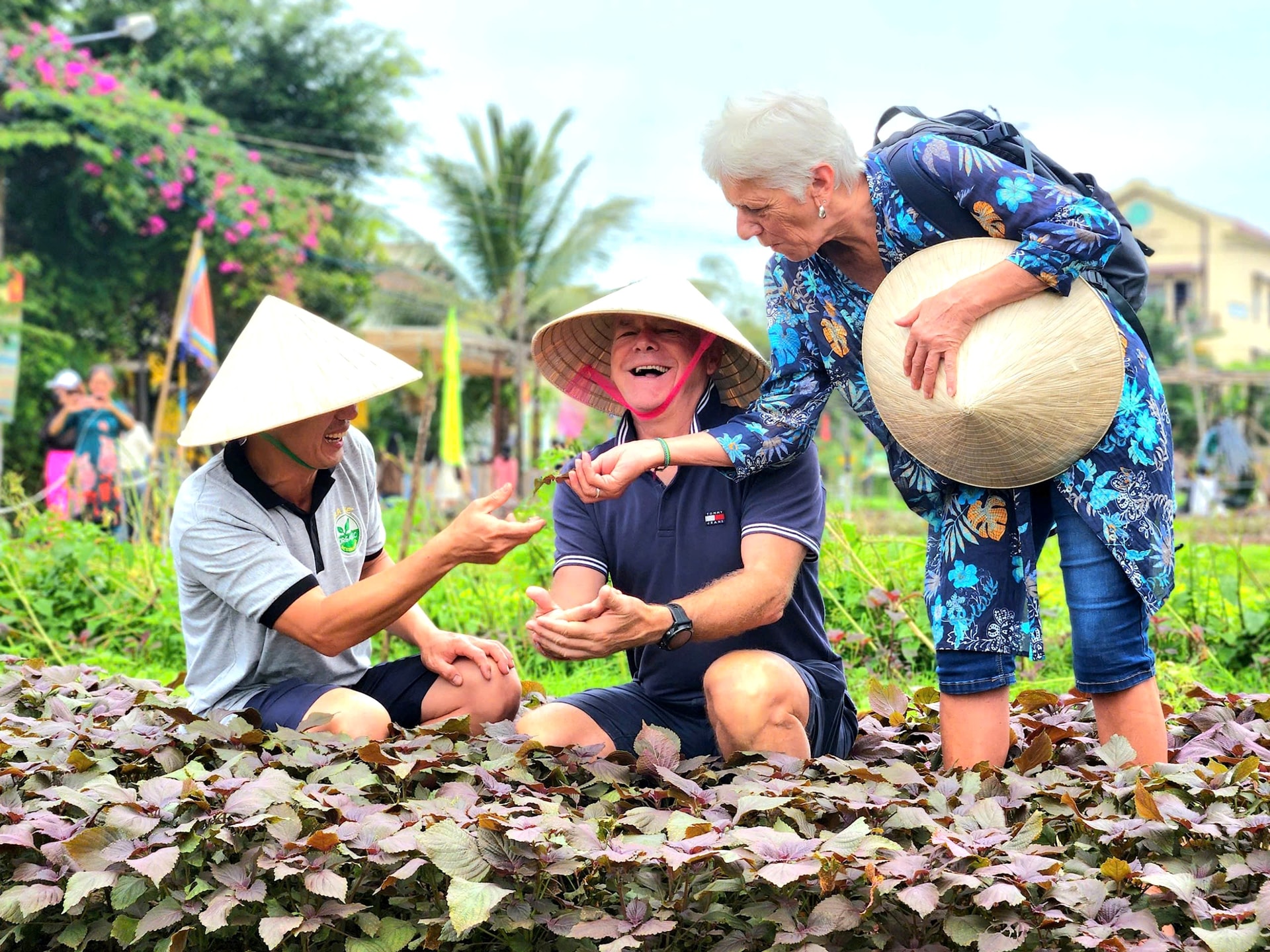
According to Mr. Nguyen Xuan Vu, Deputy Director of the Department of Agriculture and Environment of the city, to create a boost for the development of craft villages in the future, it is necessary to combine community tourism with the preservation and promotion of traditional craft villages; this is an important direction.
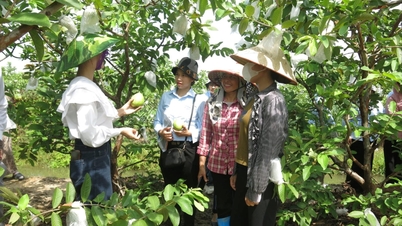
In fact, many successful community-based tourism models have been implemented in the city, yielding significant results in the development of traditional craft villages. At Tra Que vegetable village (Hoi An Tay ward), tourism companies have organized tours where visitors can experience planting vegetables alongside farmers, simultaneously developing tourism and promoting the Tra Que brand of clean vegetables, bringing considerable income to farmers. The Non Nuoc stone carving village (Ngu Hanh Son ward) attracts a large number of tourists who come to visit, experience, and purchase souvenirs…
Preserving and developing traditional craft villages not only safeguards cultural identity but also creates jobs, increases income for people, and promotes socio-economic development.
According to the City's Rural Development Department, a crucial solution is to have a comprehensive master plan for craft villages, harmonizing with the environment and other planning schemes.
The development of traditional craft villages must be linked to environmental protection, ensuring that production activities do not cause pollution and that the landscape remains stable to attract tourists.
Training programs are essential to pass on skills and production expertise to the younger generation, ensuring continuity for the development of traditional craft villages.
This also includes implementing trade promotion activities, promoting handicraft products, building brands, and seeking export markets.
According to statistics from the City's Rural Development Sub-Department, the province has 39 craft villages; among them, the Non Nuoc stone carving craft village, established over 400 years ago, was recognized by the City People's Committee in 2014. Currently, the village has 1 People's Artisan, 3 Outstanding Artisans, and 4 artisans recognized by the city. The craft village has approximately 384 stone carving production facilities with more than 1,250 workers participating in production and business, with an average total value of goods of 372 billion VND per year.
Source: https://baodanang.vn/phat-trien-ben-vung-cho-lang-nghe-3297152.html





































































































Comment (0)