

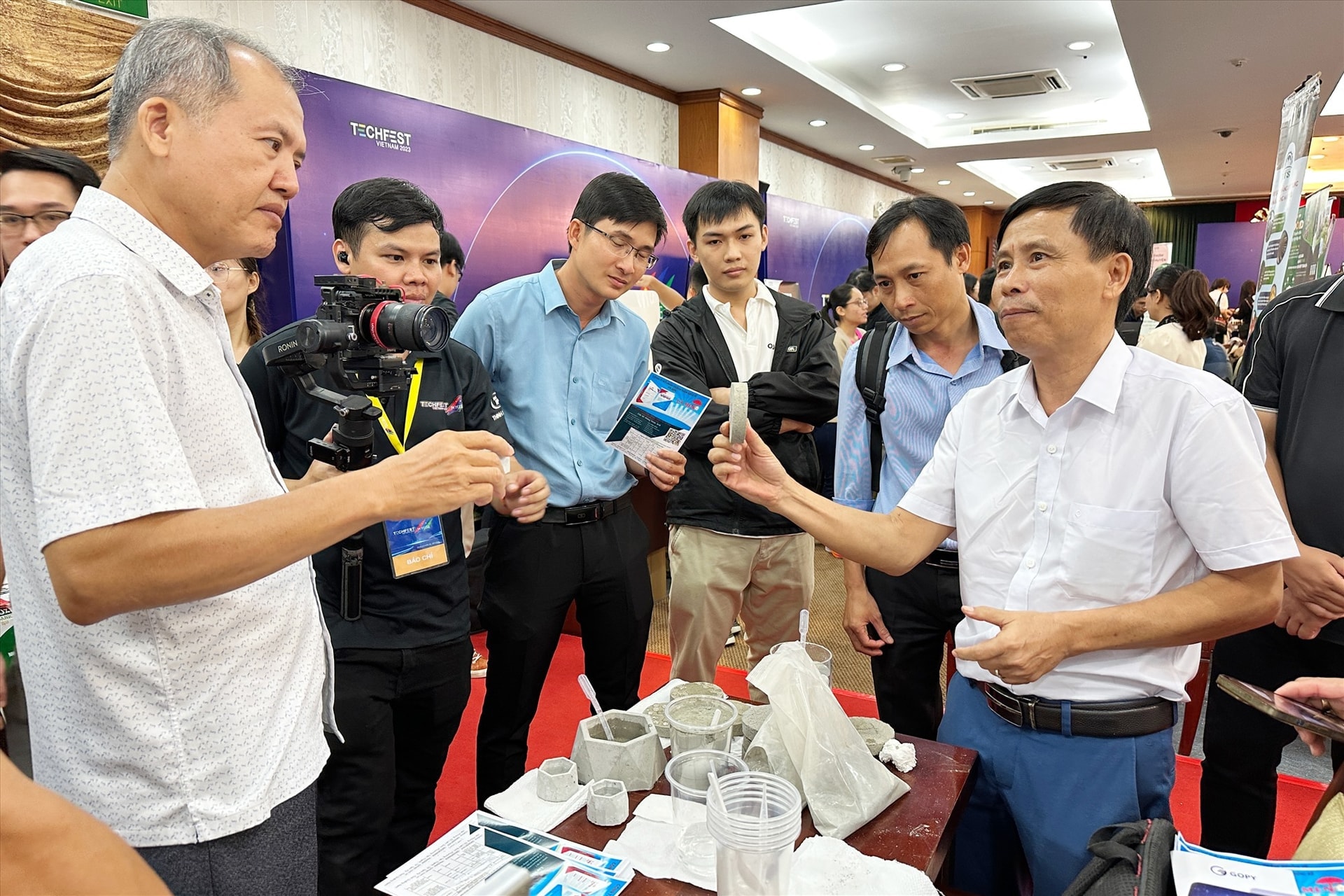
From agriculture , industry and trade, science and technology to practical support programs at the ward and commune levels, everything is implemented in a chain, creating an ecosystem so that local products can stand firm on their real value in the market.
Elevating local products
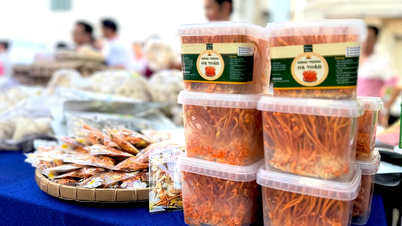
Da Nang currently has over 450 OCOP (One Commune One Product) products that have been evaluated and classified by mid-2025, the majority of which are 3-4 star products and some are 5-star products. This product system spans many sectors such as processed foods, beverages, medicinal herbs, handicrafts, and traditional village products, clearly reflecting the diversity of local resources and production capabilities of the localities.
To enable local products to reach a wider market, Da Nang has built a supporting ecosystem along the value chain, with clear roles assigned to departments, agencies, and local authorities. In this ecosystem, the One Commune One Product (OCOP) program continues to be considered a crucial foundation for improving the quality and capacity of producers, especially households, cooperatives, and small businesses that originated from traditional production scales.
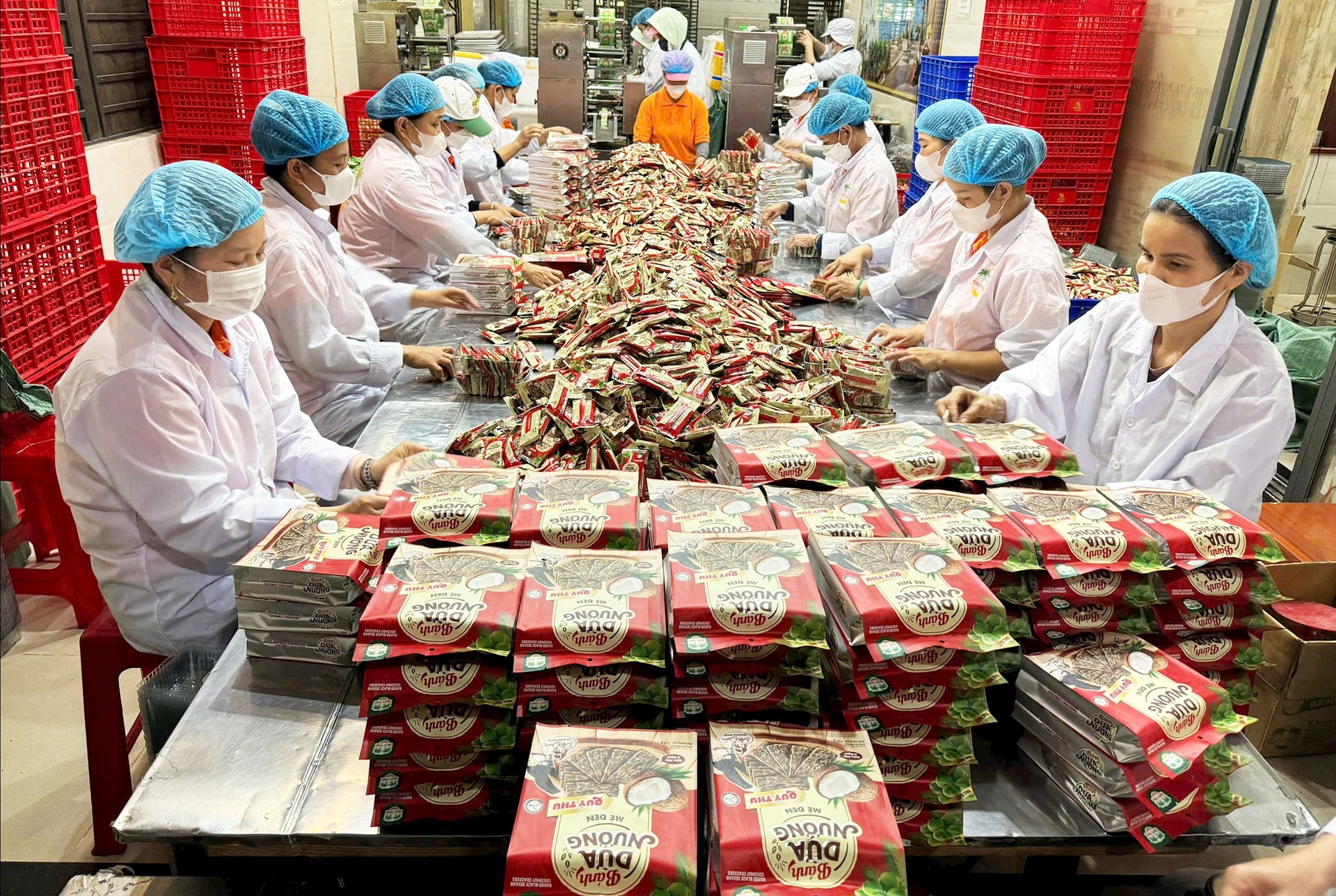
Ms. Vu Thi Bich Hau, Deputy Director of the Department of Agriculture and Environment, said: “OCOP helps products come into a standardized framework, from raw material areas, production processes, packaging, and labeling to supply capacity. Through this, many small production facilities have changed their mindset, started planning more systematically, and linked production with the market and standards.”
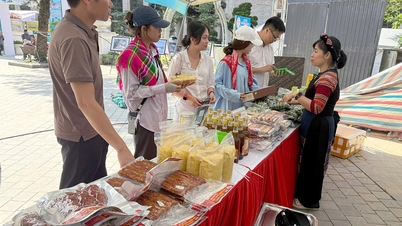
Alongside the standardization of production, trade promotion for OCOP products has also been intensified, with the active participation of the City's Department of Industry and Trade. Instead of just showcasing products at trade fairs, many supply-demand connection programs have been organized, linking products with modern distribution systems, retail chains, e-commerce platforms, and tourism activities. Some OCOP products are gradually accessing supermarkets, specialty stores, and tourist outlets, thereby expanding their market and enhancing brand value.
According to Mr. Dinh Van Phuc, Deputy Director of the Center for Industrial Promotion and Trade Promotion, Department of Industry and Trade, developing typical rural industrial products is also an important factor in the "Made in Da Nang" ecosystem. "When rural products are brought into supermarkets or e-commerce platforms through quality, packaging, and labeling certifications, their competitiveness will be enhanced, contributing to the sustainability of the ecosystem," Mr. Phuc said.
Sustainable ecosystems
Along with agriculture and industry, science and technology are playing a key role in improving the quality and competitiveness of local products on the journey to forming a "Made in Da Nang" ecosystem.
The Department of Science and Technology focuses on fundamental elements such as intellectual property registration, trademark development, geographical indications, barcodes, and electronic traceability. These are considered essential legal frameworks for local products to enter the market in a systematic, transparent, and sustainable manner.
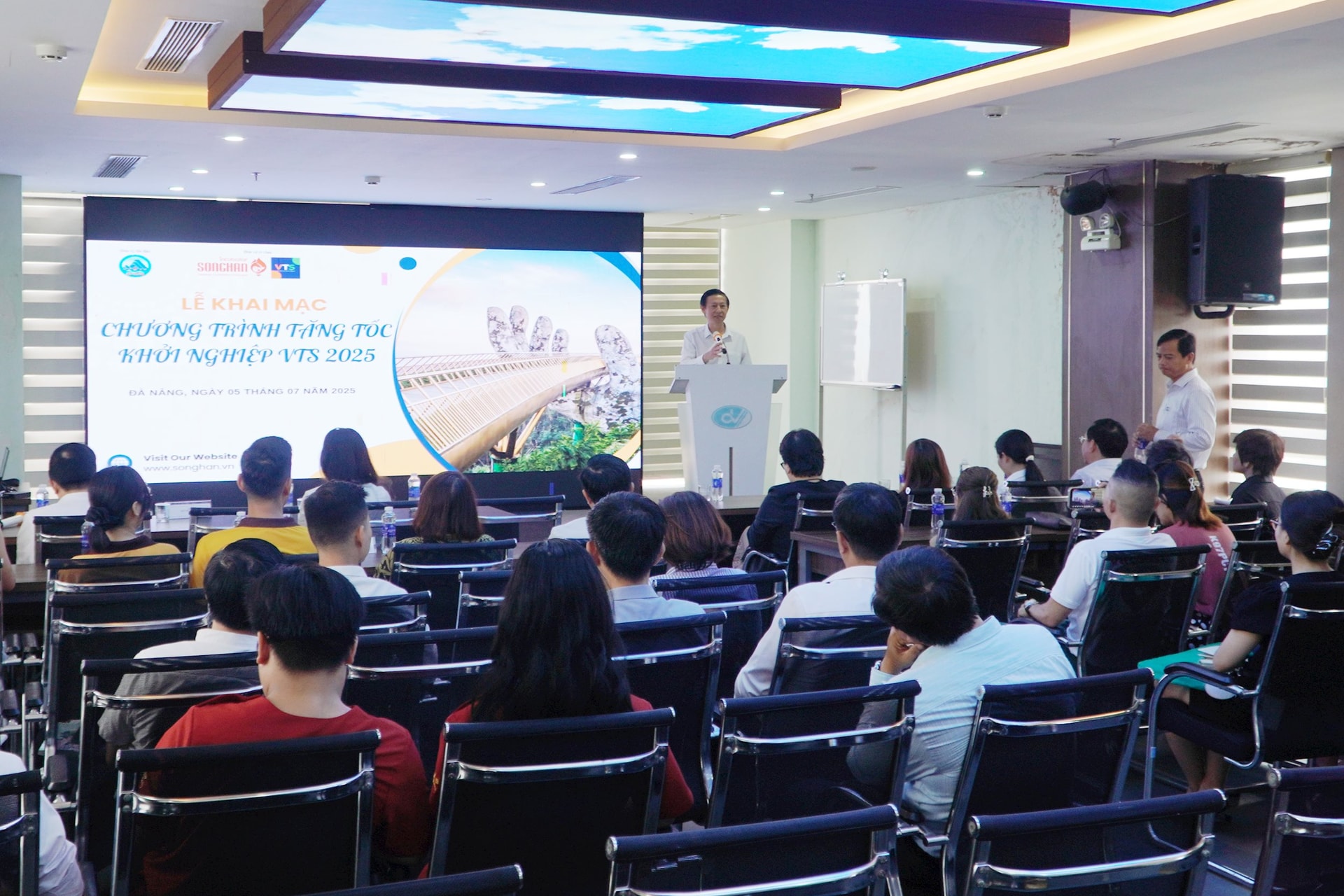
According to representatives from the Department of Science and Technology, innovation in the field of local products does not necessarily have to be high technology. For many entities, it means innovating production organization methods, quality management methods, and market access approaches. By mastering standards, products not only easily access modern distribution systems but also have a better ability to adapt to market fluctuations.
With the synchronized coordination of agriculture, industry and trade, and science and technology, the "Made in Da Nang" ecosystem is gradually taking shape in a substantive direction. The city is not chasing after the quantity of labeled products, but rather focusing on improving the internal capacity of each entity, considering standards and quality as the "passport" for local products to reach further markets.
Simultaneously, the formation of an innovation ecosystem linked to business incubators and innovation startup support centers has opened up new support spaces for producers. Through training programs, consulting, expert networking, and support in refining business models, many local establishments are gradually adopting modern management thinking, instead of relying solely on traditional experience.
At the grassroots level, the role of merged commune and ward governments is becoming increasingly evident. Many localities are directly involved in supporting people in building OCOP (One Commune One Product) dossiers, guiding traceability, organizing training on production standards, and monitoring raw material areas. When grassroots governments are deeply involved in the value chain, support programs are no longer just campaigns but are closely linked to the actual needs of producers.
In the long term, the "Made in Da Nang" ecosystem is defined not only by bringing products into supermarkets or e-commerce platforms, but also by building a regional brand based on consistent quality, transparent traceability, and the genuine capabilities of each entity. This is a quiet path, not chasing quantity, but gradually building sustainable value so that "Made in Da Nang" becomes a guarantee of quality, reputation, and sustainability in the market.
Source: https://baodanang.vn/phat-trien-he-sinh-thai-ho-tro-san-pham-3315863.html



















































































Comment (0)