Childbirth as a custom, a ritual
The folk song goes: “Married at thirteen/By eighteen, I already had five children/Outside, I still looked young/At home, I was terrified of having five children with my husband.” This old folk song speaks of Vietnamese women marrying very young, “from the age of 13,” and beginning a continuous cycle of childbirth “by the age of 18, I already had five children.” Childbirth was a strenuous task, carrying the pregnancy and giving birth alone, “a woman giving birth alone,” yet she had to shoulder many important responsibilities for her family and lineage.
Besides the hardships of pregnancy and childbirth, women are also bound by numerous customs during pregnancy: from psychological factors and taboos to rituals and the preservation of the lineage, making the nine months and ten days of pregnancy a grueling and challenging time for a woman.
Folklorists such as Phan Kế Bính and Nhất Thanh have conducted in-depth research on childbirth. It's not as simple as it is in modern life, but rather a lengthy ritual that women must obey as a duty.
According to Mr. Phan Kế Bính, in the past, women who were pregnant all wanted a son; few wanted a daughter. When a son was born, everyone rejoiced, from the family and relatives to the neighbors. According to Mr. Nhất Thanh, "when a daughter gets married, as well as her husband's family, after the wedding, they wait for good news, that is, for the beginning of pregnancy (also called being pregnant). Everyone considered having children to be very important, so when they met relatives and friends, they would often ask, 'Have you received any good news yet?'"
This custom still persists in modern times, so couples who have been married for one or two years without conceiving start to worry, and they spend a lot of money on medical checkups and treatments.
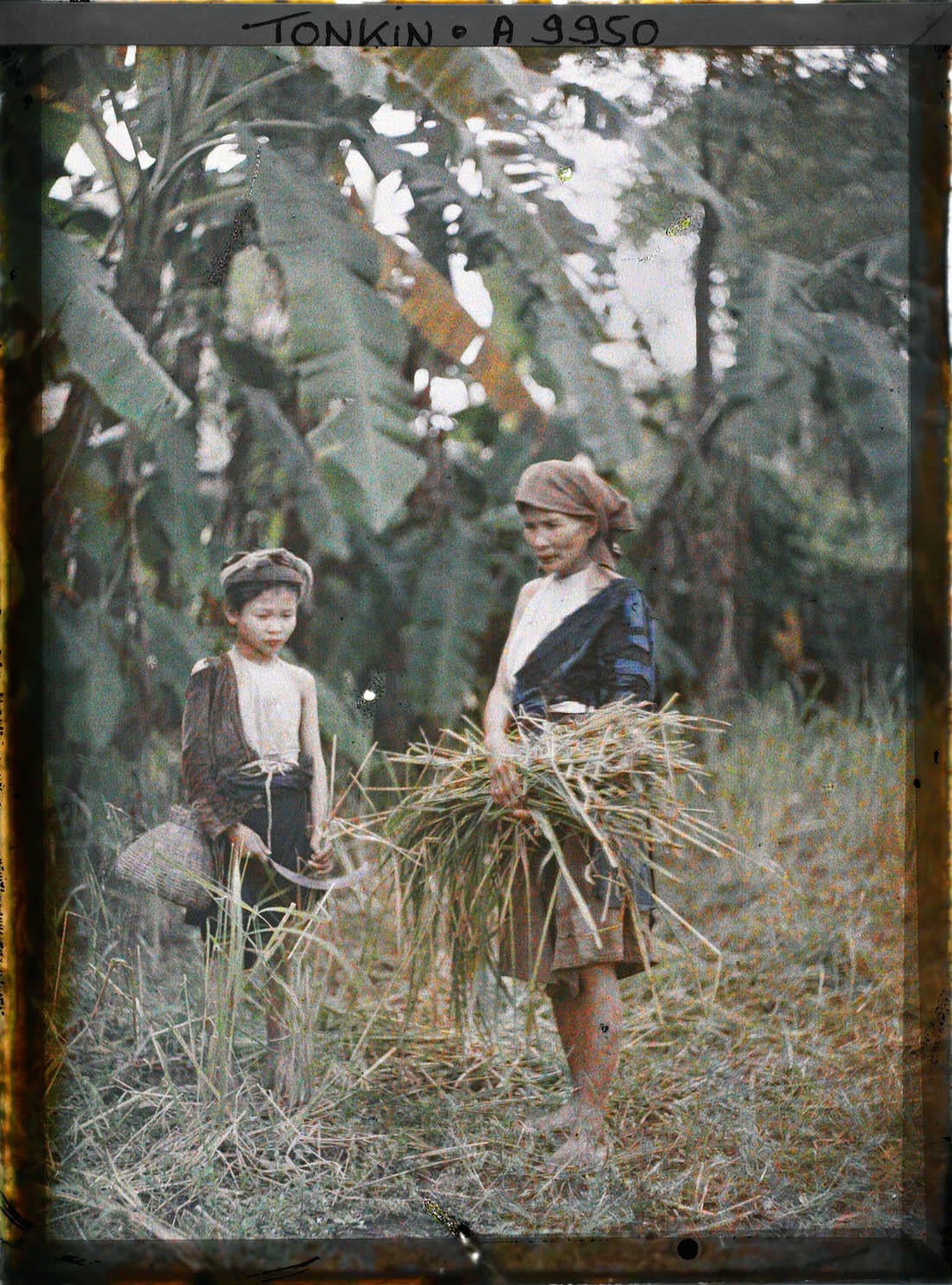
The dietary restrictions for pregnant women were also very complex and elaborate, lacking any scientific basis, relying only on oral tradition and folk experience, and not all of them were reasonable or life-threatening. But women at that time were only considered "tools for childbirth," so how could they have a voice? And many deeply ingrained customs persist to this day.
According to researcher Nhat Thanh, pregnant women should and should avoid the following: being active and exercising, not eating and talking nonsense, avoiding excessively rich foods, wearing a belly binder to prevent the fetus from becoming too large and causing difficult childbirth, avoiding fruits that produce twins to avoid twin births, avoiding crab to avoid giving birth horizontally, avoiding shellfish to prevent the baby from having excessive mucus, and not getting angry or engaging in wicked acts…
Folk customs also advise that pregnant women should eat plenty of chicken eggs, ripe papaya, drink coconut water, and maintain a calm and peaceful state of mind to avoid affecting their children. During pregnancy, they should not go for prenatal checkups, but instead invite a doctor to examine their pulse and prescribe medicine; they should not undress for the doctor's examination. The person assisting with the delivery must be an experienced woman from the village. After giving birth, they should not eat meat but only white salt and fish sauce…
A woman who has just given birth is not allowed to go outside, nor is she allowed to hold her eyes over hot coals sprinkled with salt. This practice is believed to ward off evil spirits lurking at the door, which could enter the woman through her eyes. Hence the saying, "It takes three months and ten days for a woman to finish fasting after giving birth."

According to Lê Quý Đôn's book Vân Đài Loại Ngữ: "In our country, it is customary to hold a feast to worship the midwife three days after a child is born. On the child's one-month, one-hundred-day, and one-year birthday (also called the first birthday), a feast is held to worship the ancestors, a celebratory feast is prepared, relatives and acquaintances give clothes and toys, and often compose poems and couplets to celebrate…"
The weight of childbirth
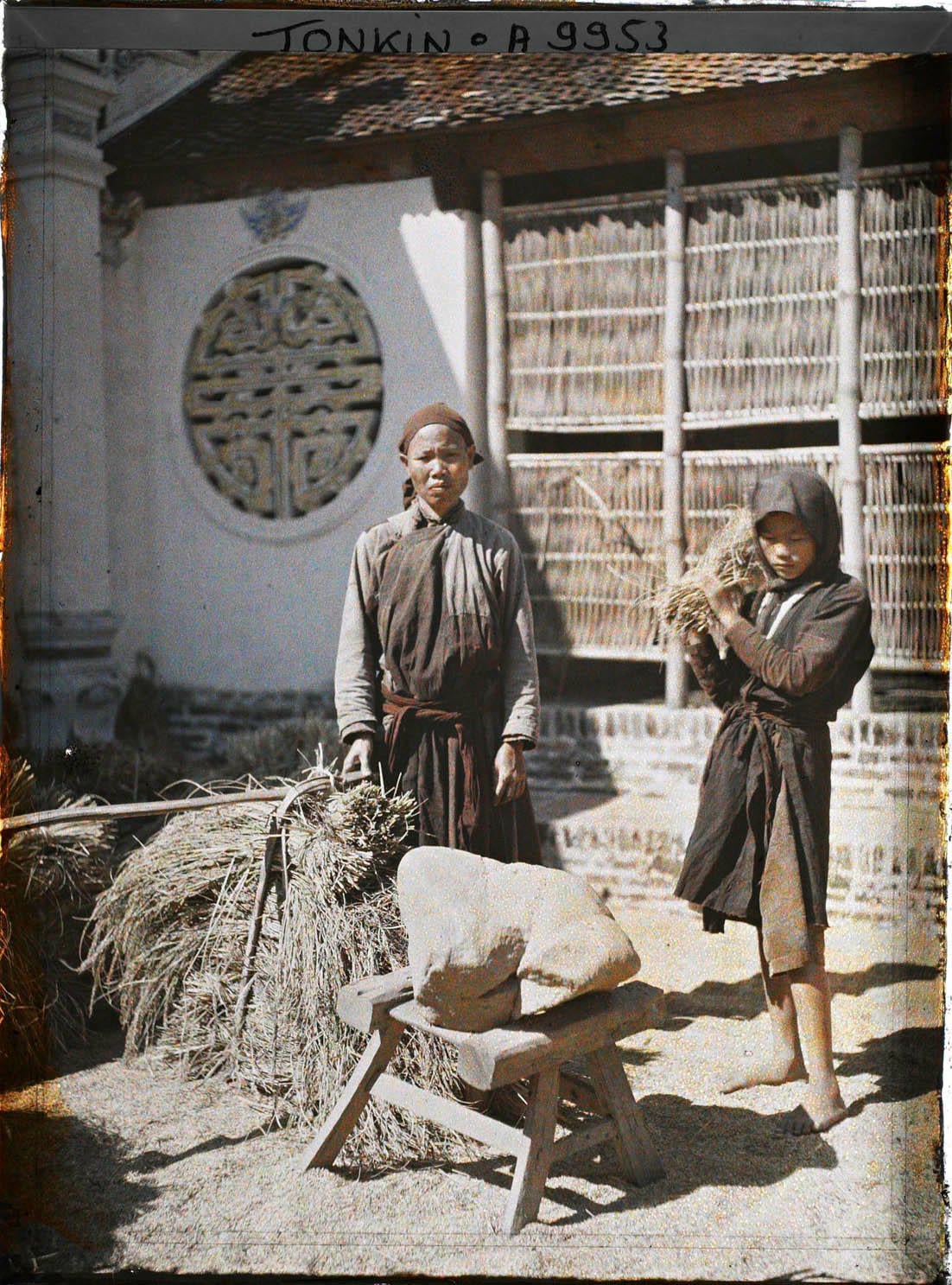
“It is certain that Vietnamese women give birth to as many children as they can. They marry young, usually before 20, and continue to have children until menopause. However, their fertility is limited by various causes of infertility. The simple, unpretentious nature and health of these women are admirable; pregnant women do strenuous work, and perhaps that is why they give birth easily. However, many peasant women have to work too soon after giving birth, so their bodies are not unaffected; we have seen some who were able to sit up within hours of giving birth…” (according to author Pierre Gourou, in the book “The Peasants of the Tonkin Delta – Geographical and Human Studies”).
Following the same idea, in the book "Essays on the People of Tonkin" by researcher Gustave Dumoutier ( Hanoi Publishing House), it is stated that the Annamese people forced pregnant wives to do hard labor. A proverb says: "While pregnant with her first child, the mother must work at the neighbor's house." This means that if there is a shortage of work at home, the mother must find work elsewhere.
“She had to carry heavy loads, unload goods from boats, move earth to build mounds and dikes, and dig ponds for house construction. In all the labor camps, one could see a significant number of pregnant women; some women carried loads from morning till evening that could cause a man to collapse. This was to facilitate the birth of their first child and to ensure the baby was born healthy… To prevent the child from growing too large, she had to avoid eating at night and drink a little water before each meal” (according to the book “Essays on the People of Tonkin”).
Furthermore, many deeply ingrained superstitious customs surround pregnant women and childbirth. They must wear numerous amulets. During pregnancy, expectant mothers must be careful to avoid seeing the corpses of men or animals, and to avoid hearing mournful or emotionally distressing stories. Instead, they must seek out pleasant stories, a loving and thoughtful husband, and decorate their rooms with cheerful, colorful pictures of cute, chubby, playful babies. The husband is forbidden from reburying any family members and from attending the wedding.
The child must be born in the place where conception occurred. This is because the ancients believed that if a child was born in a house different from where conception occurred, the women, daughters, and daughters-in-law of the household would lose all hope of having children throughout that year.
French researcher Pierre Gourou also emphasized that child mortality was significant. Some families had 10 to 12 children but only 3 survived. He argued that children often died from tetanus, tuberculosis, and malnutrition, and that the number of boys born was always higher than the number of girls, even though in reality, the number of girls always exceeded the number of boys. This was a belief among farmers that registering the birth of a son was beneficial, while registering the birth of a daughter was of no benefit to them.
A statistic compiled by Pierre Gourou in Giap Nhi village (Thanh Liet - Thanh Tri - former Ha Dong district) indicates that in 1924, out of 122 births, 47 died… By 1934, out of 90 births, 58 died. Over that 10-year period, a total of 1,214 births and 813 deaths occurred. On average, for every 110 births, 74 deaths occurred.
According to French researcher Gustave Dumoutier, to prevent premature deaths of children, families who repeatedly lose children after multiple births are believed to be afflicted by the malevolent spirit of their firstborn. This spirit reincarnates the second child, causing them to die again, and so on, with the sole purpose of causing the mother suffering and ultimately leading to her death. To prevent this malevolent spirit from ever returning to reincarnate, people mark the face or back of the deceased child with ink or red ink before burial.
Researcher Nguyen Van Huyen, in his book "Life of the Vietnamese People" (Vietnam Writers Association Publishing House), describes the hardships faced by women during childbirth and the reason why they have many children to compensate for the high number of deaths: "In the brief statistical record of the sacrifices endured by rural Vietnamese women, we cannot forget their painful and frequent childbirths. It is frightening to see that despite such hardship, women still accept having so many children. It is not uncommon to see couples who earn only 50 dong a year yet still have two or three children."
When you enter a village, you're followed by flocks of small children, all more or less ragged, until you leave the village. It's a pleasing sight to conservative minds: people have many children to ensure the family's stability and to compensate for the high number of child deaths. But behind this scene of bustling village streets filled with life lies the immense suffering of the women…”
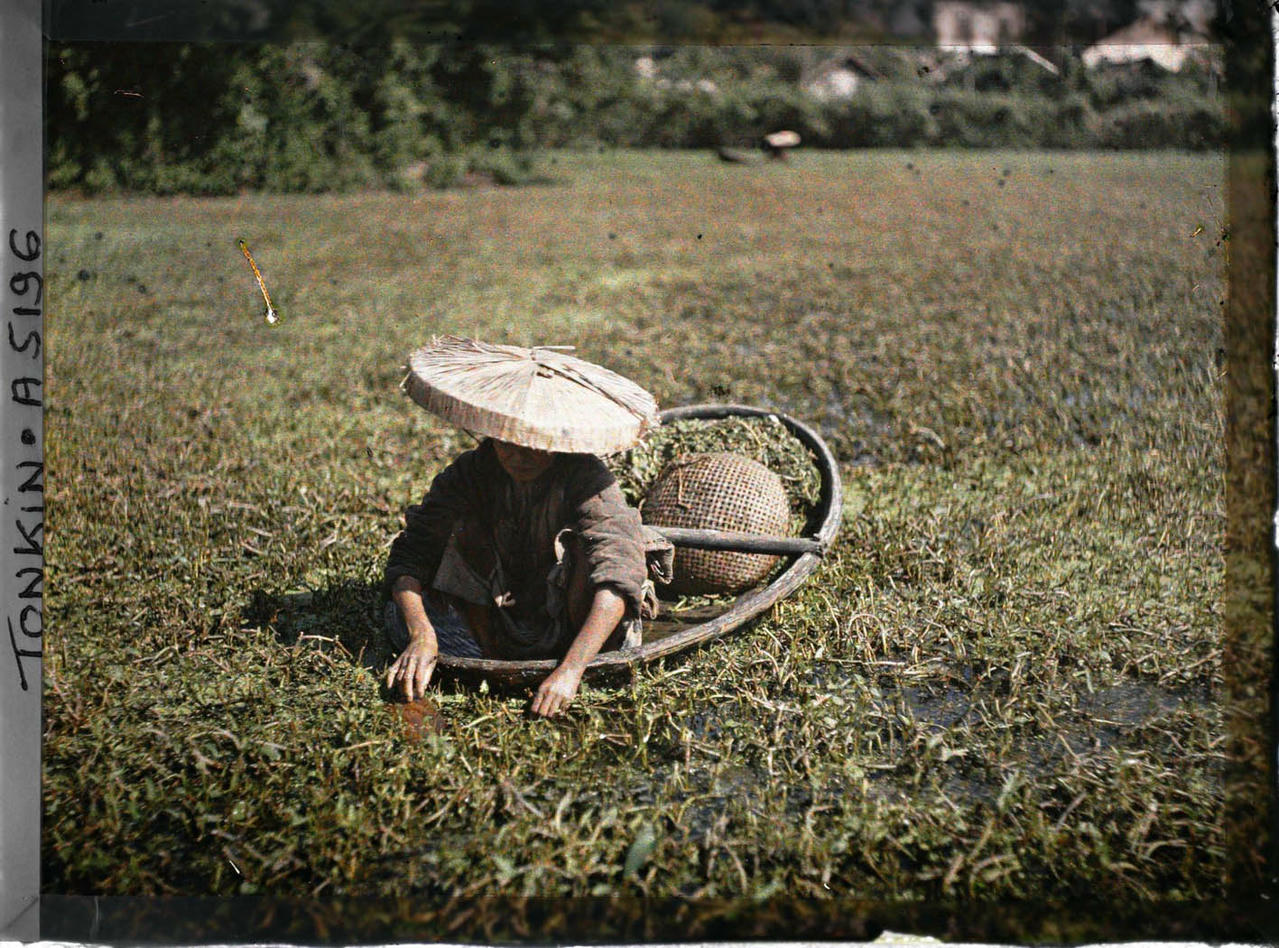
Mr. Nguyen Van Huyen also expressed that women, just a few days after giving birth, have to get up and go back to work, busy as if nothing happened. Because of this, many women die from tuberculosis, a disease known as postpartum tuberculosis (contracted after childbirth).
Criticizing the cumbersome and unscientific customs that plagued women during pregnancy and childbirth, Phan Kế Bính wrote in "Vietnamese Customs": "...in the past, we did not understand hygiene, and during childbirth, we would lie on hot coals or drink urine, which caused illness. No wonder many of our women suffered from postpartum depression and became frail. When raising children, they would believe in such nonsense; no philosopher could possibly explain all these superstitions..."
Source: https://baophapluat.vn/phu-nu-ngay-xua-and-chuyen-sinh-no.html


![[Video] Sunset at Lap An Lagoon – Where the sun sets over the fishing nets](https://vphoto.vietnam.vn/thumb/1200x675/vietnam/resource/IMAGE/2026/05/31/1780192137701_beach-landscape-sea-water-nature-grass-745871-pxhere-com.jpeg)














![[Video] Sunset at Lap An Lagoon – Where the sun sets over the fishing nets](https://vphoto.vietnam.vn/thumb/800x450/vietnam/resource/IMAGE/2026/05/31/1780192137701_beach-landscape-sea-water-nature-grass-745871-pxhere-com.jpeg)




































![[Video] Sunset at Lap An Lagoon – Where the sun sets over the fishing nets](https://vphoto.vietnam.vn/thumb/402x226/vietnam/resource/IMAGE/2026/05/31/1780192137701_beach-landscape-sea-water-nature-grass-745871-pxhere-com.jpeg)
























Comment (0)