


Da Nang is shaping a strategy for developing its cultural industry in conjunction with tourism; therefore, incorporating folk art forms into public spaces, festivals, and tourism services is seen as one of the ways to revitalize heritage.
Stage takes to the streets
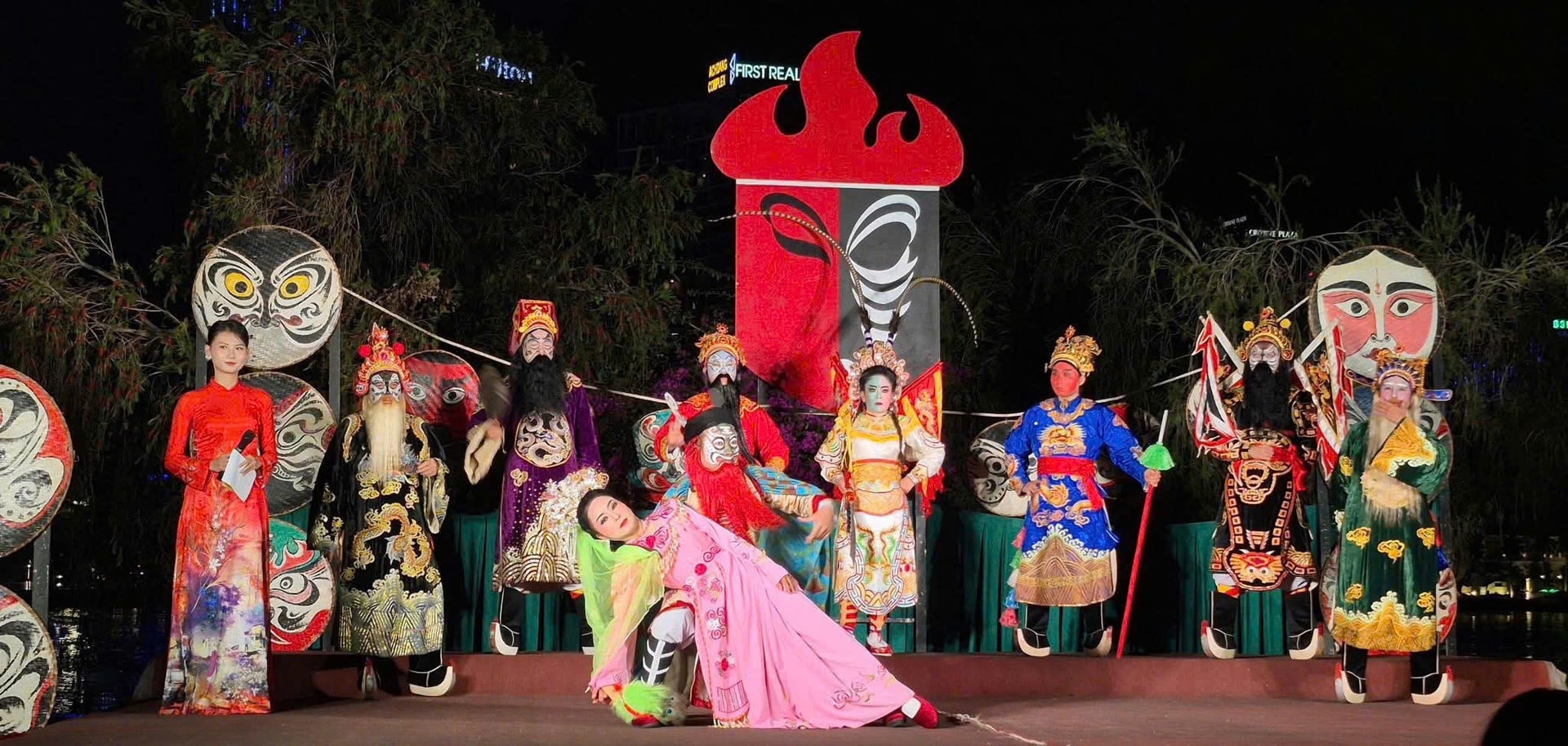
Every Sunday evening on the east bank of the Han River, tourists are captivated by the rhythmic movements of traditional Vietnamese opera performances. The outdoor stage is equipped with a modern sound and lighting system, seating for the audience, and an area displaying opera masks and showcasing classical mask painting.
Traditional Vietnamese opera (Tuong) is a highly stylized art form, with a long duration and requiring a certain level of prior knowledge from the audience. However, the artists of the Traditional Arts Theatre have proactively shortened excerpts, enhanced visual appeal, and incorporated modern stage lighting to suit the viewing pace of tourists.
Some classic excerpts such as "The Old Man Carrying His Wife to the Festival," "Ho Nguyet Co Transforms into a Fox," or whip and sword dances are performed as "mini-shows" lasting 15-20 minutes in open spaces. This is a necessary adaptation for heritage to enter the entertainment market without losing its artistic essence.
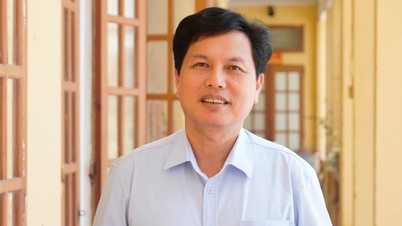
Ms. Nguyen Thi Huong, Director of the Da Nang Traditional Arts Theatre, said that bringing traditional opera to the streets is part of the cultural and festival axis on both banks of the Han River, linking culture with tourism and creating an additional cultural destination for locals and tourists who love traditional art to enjoy. On average, there are about 24 performances annually, each attracting 500-700 viewers.
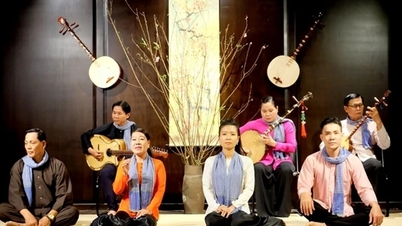
Meanwhile, Bài Chòi, a UNESCO-recognized intangible cultural heritage of humanity, is being exploited by Da Nang as a "cultural code" of Central Vietnam. The witty and folk-rich verses allow visitors to experience local life in a much more intimate way than typical performances.
Ms. Nguyen Thi Huong added that the opera troupe of the Da Nang Traditional Arts Theatre has been very active in promoting, preserving, and developing this folk game through composing new lyrics, setting to music folk melodies from Zone V, and demonstrating flexibility and creativity in its performances.
Along with folk singing classes offered in schools and localities, the nightly Bài Chòi performances in Hoi An and other destinations in the city center have left their mark on Da Nang's vibrant nightlife and artistic scene.
Unique cultural product
In many Asian countries, traditional art forms are being revitalized with performance technology, short durations, fast rhythms, and high interactivity. Audiences can still experience the original cultural spirit, but through a modern, accessible format.
For example, Japan has transformed Noh and Kabuki theater into high-end cultural experiences; South Korea incorporates traditional musical instruments and dances into shows for international visitors; and China invests heavily in large-scale live performance shows.
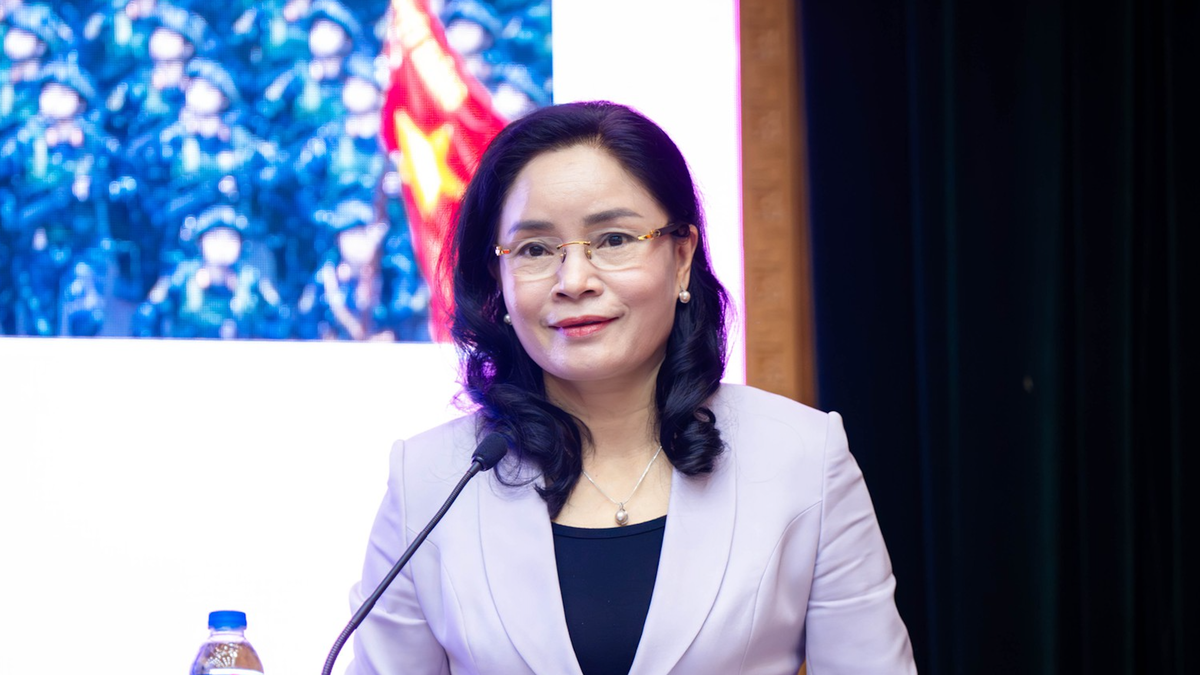
Dr. Le Thi Minh Ly, a member of the National Council for Cultural Heritage, believes that Vietnam has a great advantage in possessing a diverse treasure trove of folk art spanning across different regions.
According to her, nowadays, people not only use and exploit the value of cultural heritage in creating literary and artistic works and performing arts, but also exploit it to serve business activities, services, tourism, and the development of the cultural industry.
The Ministry of Culture, Sports and Tourism's orientation on developing cultural tourism, linked with building local brands, continuously emphasizes the need to create commercially viable products, enhance the visitor experience, and extend their length of stay.
More importantly, traditional art needs to be "packaged" as a complete tourism product. Stage performances can be combined with cuisine, mask-making workshops, and experiences with traditional musical instruments. This will make tourists aware of the value of spending on an entire cultural experience ecosystem.
Many tourism experts believe that the future of the cultural industry lies not in building more large theaters, but in the ability to create storytelling products that reflect local identity. This is precisely what international tourists are looking for after the boom in mass tourism.
Travel agencies in Da Nang all agree that the city's efforts to bring traditional art closer to tourists are strategic and timely steps. However, these activities are mainly for demonstration and introduction purposes (teasers), and are not yet complete, in-depth tourism products that generate sustainable revenue.
In the past, many art programs operated independently, lacking connection with travel businesses. This made it difficult for performances to attract a stable stream of tourists. In the context of increasingly fierce competition among destinations, beautiful nature or modern infrastructure alone are not enough to retain tourists. What creates lasting differentiation is cultural depth, and performing arts are one of the vital elements in building a region's identity.
Source: https://baodanang.vn/ron-rang-nghe-thuat-truyen-thong-3335856.html

























































Comment (0)