

Memories are like the acrid smoke of the forest, suffocating my lungs. The observation post high in the trees watches the gray smoke of the winter afternoon. Coordinate X is hidden in the endless, deep blue. When the memories flood back, I weep for my comrades who left their bodies in the smoke-filled, bomb-strewn border forest.
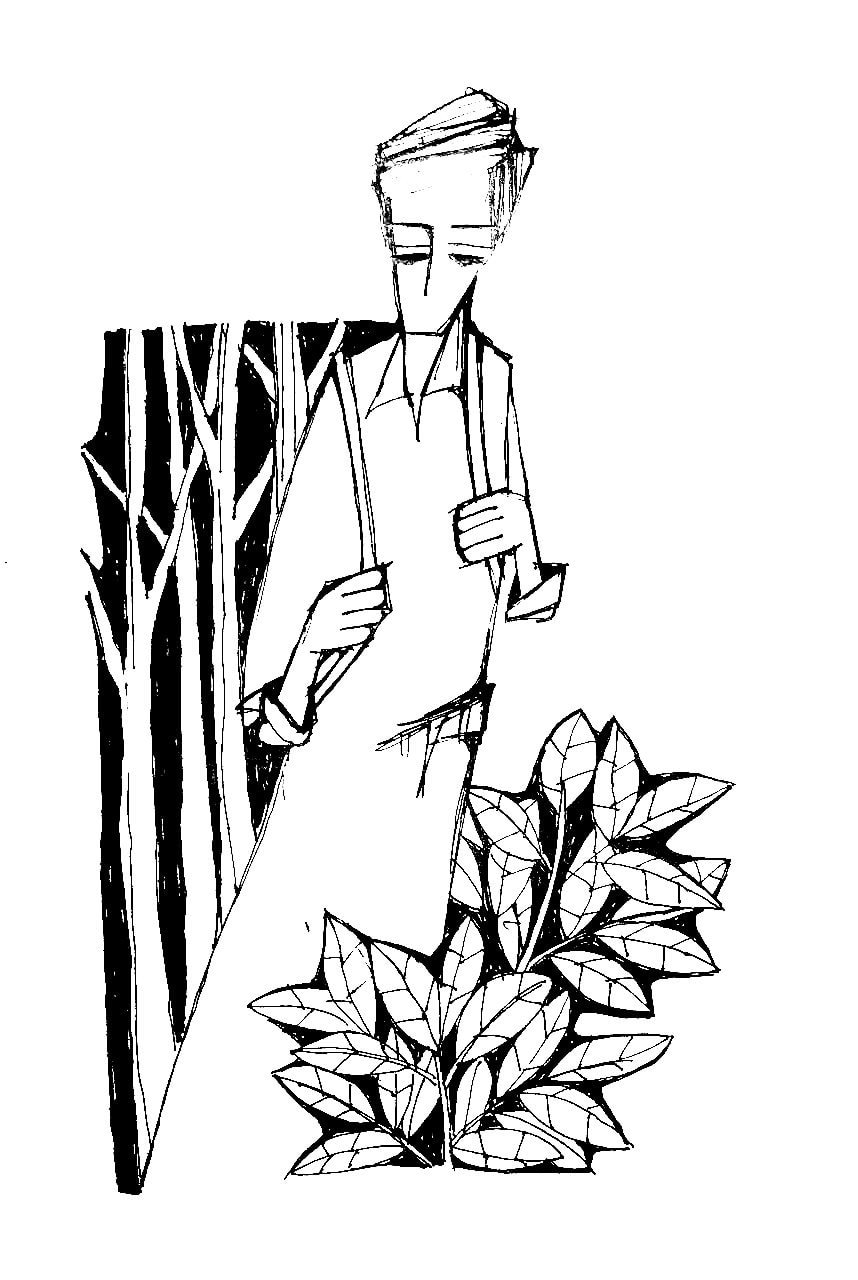
I served in the army on the southwestern border, in an infantry regiment pursuing the enemy, constantly moving our unit to encampments deep in the forests and mountains. Wartime memories remain vivid in my mind, even as time has veiled them in mist. The green uniforms stretched across the border region. Sparse dipterocarpus forests dotted the rocky hillsides; dense old-growth forests, with large and small trees and overgrown vines, remained hidden from sunlight year-round; streams were muddy and pungent after torrential floods; and jagged, gray rock formations clung to the treacherous mountain terrain.
The convoy rumbled towards the border. I felt a warmth in the hearts of the soldiers knowing that our troops were present on every path of the war. Their hair was damp with dust from the long journey. The calls of fellow countrymen were so loving. They waved goodbye to each other with affection. The scent of cigarettes filled their mouths as they smiled heartily.
In the war to defend the Fatherland, for the sole just cause of eliminating the Pol Pot genocidal regime, the image of the Vietnamese volunteer soldier is etched in glorious monuments. However, thousands of soldiers sacrificed their lives, including seasoned commanders. The enemy was once a treacherous and insidious friend. The enemy was a betraying comrade. This painful lesson must be recorded in the tragic and glorious pages of history.
The green hammock swayed between two forest trees. At night, gazing at the starlight filtering through the leaves, I hummed the song: “When I think about human life, I often remember the forest. When I think about the forest, I often remember many people, young like a cluster of roses, innocent like a thousand flames, in the evening when the wind comes…” (1). On the march, my comrades listened to me sing, easing the hardships of the harsh battlefield.
Through all four seasons—spring, summer, autumn, and winter—the soldiers were intimately connected to the forest. The hardships of military life in the jungle are unforgettable. Food shortages and malnutrition left the soldiers pale and emaciated. Improving their diet and increasing food production were essential.
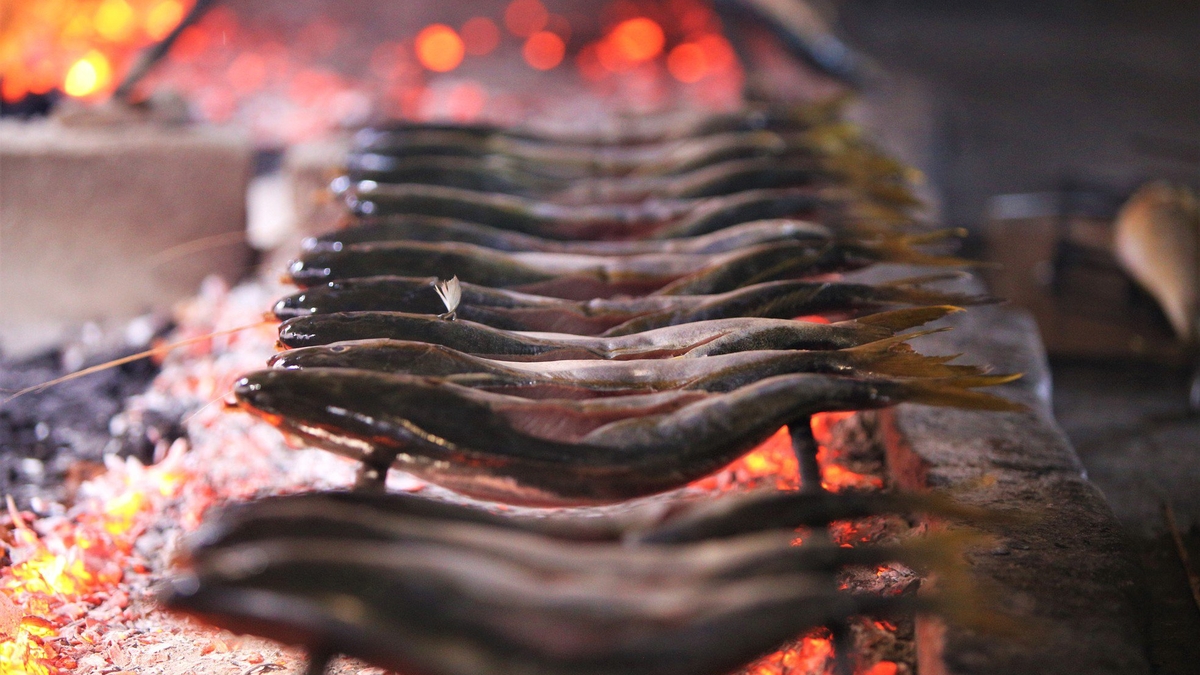
In moments of peace after a battle, I suddenly saw the white blossoms of the dipterocarpus tree in full bloom in spring, so that the soldiers' meals would include a sour soup made with dipterocarpus blossoms and stream fish, a uniquely fragrant and refreshing dish that I would remember forever. In summer, the rains came, the bamboo groves along the stream were full of water, and young bamboo shoots sprouted rapidly, boiled and stewed with stream fish, or stir-fried with pork fat. In autumn, I carried my rifle and ventured into the dense, ancient forest to find the southern ginseng vine, gathering a backpack full of ginseng leaves, washing them clean, crushing them, and filtering out the pulp. The ginseng juice, when mixed with sugar, was delicious and refreshing. In winter, the dipterocarpus forest rustled with falling leaves. The sky was crimson, scorching the forest floor and emitting smoke. Sweat and salt stained my battle uniform, leaving it mottled and scarred like a topographical map. I carried my rifle and strode through the scorched, barren forest, where only the bauhinia trees with their sour leaves remained, used for making soup.
A soldier on patrol at a border outpost was suddenly moved by the breathtaking mountain scenery. I stopped by the hillside, silently admiring the vibrant life of nature. Pink spring shoots, green spring shoots, tender spring buds. Buds intertwined, branches overflowing, stretching across the rolling hills and forests. The clear morning dew sparkled in the radiant sunlight. The tranquil dawn scene was enchanting and beautiful. I dreamt of a spiritual journey back to my mountainous homeland, where Spring, my sister on the home front, awaited my return.
After the sweeping operation, late at night, my comrades and I carried guns to improve the unit's supply of fresh food, and we used flashlights to hunt wild animals. We had to avoid shooting two bright red spots about a hand's length apart; those were the eyes of tigers and leopards. Two bright green spots clustered together were the eyes of deer and muntjacs. I remember Lieutenant Ngoc was a skilled marksman. He shot deer and muntjacs, splitting their heads open and piercing their hearts, causing them to fall on the spot. The whole company came to receive their share of wild meat. I remember Corporal Tri, who cooked the Hoang Cam(2) kitchen, keeping the forest warm at night. The fragrant, hot meat porridge nourished the soldiers. I also remember Lieutenant Huong, generous and selfless, "I am for everyone," exchanging his new denim jacket and hammock for the villagers to get young hens to cook porridge for the whole platoon to improve their health. The camaraderie was as close as brothers.
Hill 547 rose majestically amidst the rolling hills and forests. The jagged, gray cliffs seemed to pierce the hearts of the soldiers. The strategic road snaked like a serpent through the dense, dense forest. Transport vehicles moved like iron beetles, appearing and disappearing behind sharp bends, crawling up and down the slopes of the dry streambeds. Misty clouds obscured the distant horizon, and the sunset cast a fiery velvet curtain before gradually fading into the wild mountains and forests.
My comrade was very young, with a chubby, downy face. My comrade had never been in love. His original gender was healthy and beautiful like the statue of Hercules (3). Thu was as close as my lover. During three months of training at Phu Tai military school, I grew fond of him, sharing joys and sorrows. Thu and I were assigned to the same regiment, marching to the border. Before going on the campaign, two virgins hugged each other to sleep, praising each other's fragrant bodies. Thu died in the battle at Hill 547, he stepped on an enemy KP2 mine which exploded, tearing open the chest of the young man. Thu was twenty years old, the most beautiful age of a person's life. I had to close my dreams and ambitions. I swallowed my tears. Many times, alone at night in the guard post, I remember Thu, and tears flowed like rain. Thousands of young soldiers like him have fallen on the border forest.
The battle in which my comrades and I suffered a defeat was the Battle of Hill 547 during the 1983 dry season. In our division alone, hundreds of comrades perished while marching through the jungle due to thirst. Then, during the 1984 dry season, the Vietnamese volunteer army won the battle, wiping out the Pol Pot army's divisional command.
In front of the troops, the mighty 105mm cannons were raised high. The commanding general, his forehead furrowed with wrinkles like a chessboard, meticulously studied the battle map, called roll, and shouted orders, ready to launch the attack.
Backpack, steel gun on shoulder, marching, my comrades sang: “Everyone chooses the easy job. Who will take on the hardship? Everyone was once young. And thought about their life. It's not about luck or misfortune. It's not about accepting both good and bad. Isn't that right, brother? Isn't that right, sister?” (4) …I remember the resounding “charge” shout of platoon leader Thanh that made the enemy tremble and retreat. I also remember battalion commander Nghi crossing the trenches and advancing to the front of the assault. The acrid smell of gunpowder stimulated the nerves and urged the strong muscles. The thundering footsteps of the troops shook the mountains and forests.
Every inch of the mountainous borderland is steeped in the blood and bones of our comrades and our people. Our soldiers fought to protect the Fatherland, sacrificing their lives throughout the southwestern border region. Their bodies were buried in the forest soil. Their flesh decayed, their bones dissolved, and their blood watered the trees. Future generations must understand this history clearly so that they may remember it, act with kindness and humanity, and love their people.
The golden twilight stirred feelings of longing for my fallen comrades, and I went to the divisional cemetery to talk to those who had passed away. The incessant rain soaked the earth, and tender grass covered the green mounds. Their bodies returned to the earth, their souls hidden among the trees and grass. Rows of graves lined up neatly, the border forest spreading its branches to provide shade. My mind was lost in the twilight mist, tears welling up in my eyes from the sorrow, and I whispered a prayer: “My comrades! May your souls rest in peace in Mother Earth.”
After the war, I returned to my mountainous homeland. A few shrapnel fragments embedded in my flesh were nothing compared to what I had seen before. Xuan embraced me tightly, burying her beautiful face in my chest, hiding tears of joy at our reunion. Even in my sleep, I dreamt of the resounding battles, the deafening explosions, and the blood-soaked bodies. I led her up Chop Mau Hill to relive our memories. The crape myrtle tree on the hilltop stood tall, its branches reaching towards the sky like a solemn guardian protecting the green forest. The names of the lovers we once shared were carved into its trunk. Now, it became a lovely symbol of our love; touching it filled my heart with a strange joy. The larger, more rugged letters, a testament to the unwavering and faithful love between her and me, were now etched into the tree.
I gazed at the green forest on the hill, the trunks growing larger, the branches higher, the canopies spreading wider. Three years in the battlefield felt like attending a grand university. I ate military food, thought military thoughts, and studied military lessons. The training I received, standing among the ranks of the army, strengthened my legs and broadened my mind. I was like a neatly arranged tree in the forest. Returning from the war, I cherished life in the mountains even more.
I observed, touched, and counted the increasing number of trees on the hill. The small trees previously hidden beneath the soft grass now stretched their branches to shoulder height. Some large trees, cut down by loggers for timber, had their stumps sprouting new shoots of regeneration. Forests thrive most vigorously during the spring, when the weather is warmer. Having slept through the winter, the trees are full of life-giving sap, bursting forth with countless spring buds. Endless mountain trees stand tall, their broad canopies reaching towards the sky, their roots deeply embedded in the earth.
The cool, soft carpet of forest leaves makes me love you.
(1), (4): Lyrics of the song "One lifetime, one forest of trees" by musician Tran Long An; (2): Kitchen hidden in the ground, concealing fire and smoke, invented by author Hoang Cam; (3): God symbolizing strength in Greek mythology.
Source: https://baobinhthuan.com.vn/rung-rung-nho-rung-129720.html
















![[Photo] Prime Minister Pham Minh Chinh receives the Chinese Ambassador to Vietnam](https://vphoto.vietnam.vn/thumb/1200x675/vietnam/resource/IMAGE/2026/04/05/1775397481797_ndo_br_dsc-5512-jpg.webp)














































![[Infographic] Key indicators for the period 2026-2030 to achieve "double-digit" growth targets](https://vphoto.vietnam.vn/thumb/402x226/vietnam/resource/IMAGE/2026/04/06/1775450004801_fb4e219c8aa77c339a75ff13c44b2e595f8db215db15da7b4648b200deade68240d89ec5e4bd2e86c42f5ed9eeb-_ndo_br_chi-tieu-2-con-so-thumb-1.jpeg)











Comment (0)