

This information was sent by SanDisk to key customers in a letter on March 7th. The reason for the price increase is attributed to a shift in market dynamics, with forecasts of a recovery in demand for NAND flash memory coupled with increased export taxes. According to SanDisk, the company's ability to meet the surge in NAND flash memory demand is limited.
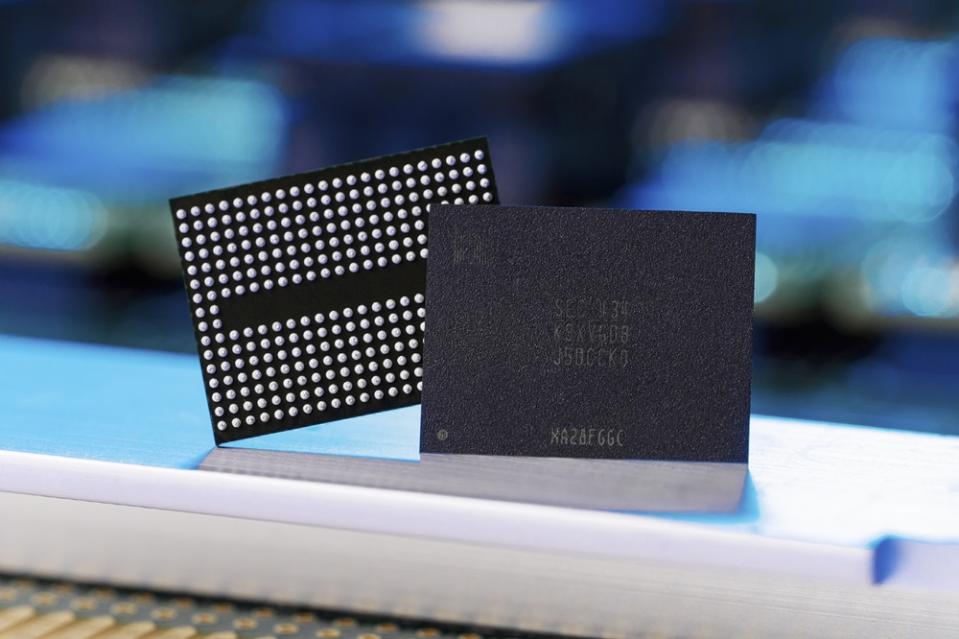
SanDisk's increase in NAND flash prices could impact SSD prices.
According to a report from analytics firm TrendForce, major suppliers such as Samsung and SK hynix have begun reducing NAND flash memory production since the beginning of the year. Forecasts indicate that the output of these two manufacturers will decrease by more than 10% in the first quarter of this year compared to the second half of last year. The production reduction is aimed at restoring the balance between supply and demand in the market, creating conditions for price recovery.
The price increase for NAND flash memory is inevitable.
Despite the current economic uncertainty, this move aligns with recent industry forecasts, leading TrendForce to predict that NAND flash memory prices are likely to stabilize and rebound in the near future after equilibrium is established in the second half of 2025.
Since spinning off from Western Digital in February, SanDisk's stock price has outperformed other semiconductor stocks. One of SanDisk's rivals, Kioxia from Japan, has also seen its stock price rise 17%.
With the recent developments from SanDisk, some semiconductor industry experts recommend that investors consider buying memory with a long-term perspective before the price cycle changes.
Source: https://thanhnien.vn/sandisk-tang-gia-bo-nho-flash-nand-185250310212103233.htm



![[Photo] Standing Committee member of the Party Central Committee Tran Cam Tu working with the Central Inspection Committee](https://vphoto.vietnam.vn/thumb/1200x675/vietnam/resource/IMAGE/2026/05/28/1779969579668_ndo_br_bnd-2495-jpg.webp)






































































































Comment (0)