

Recently, the weather situation in our country has been extremely complex, with prolonged periods of intense heat across a wide area.
Temperatures continue to remain at record highs and show no signs of cooling down in the coming days.
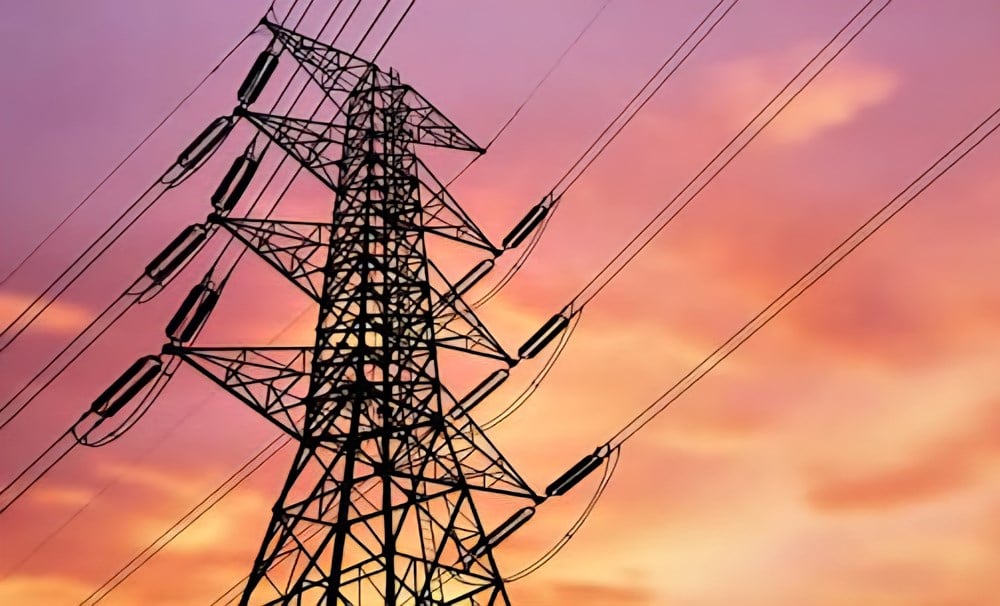
According to forecast models from domestic and international meteorological and hydrological agencies, 2026 is facing major climate anomalies, the most worrying of which is the "super El Niño" phenomenon, with about an 80% chance of officially establishing itself this coming July, seriously affecting storms, rainfall, droughts, monsoons, and global temperatures.
These extreme weather events not only directly impact people's lives and agricultural production but also put immense pressure on the operation of the national power grid.
Rising temperatures have led to a sharp increase in electricity demand, with system load continuously setting new records; at the same time, prolonged drought has severely reduced the amount of water flowing into hydropower reservoirs, directly affecting the power generation capacity of this major electricity source.
Besides weather pressures, the operation of the domestic power system is also affected by global geopolitical instability, especially the US-Iran conflict from the end of February 2026, which has pushed the world into an energy crisis and disrupted fuel supply chains, causing LNG prices for power generation to rise and imports to become more difficult.
Due to the impact of prolonged heatwaves starting in early April, from May 13-15, and especially during the period of May 23-27, electricity consumption across the entire system has surged.
According to statistics from the National Power System and Electricity Market Operation Company (NSMO), as of May 25th, the national electricity load reached a new record of 57,120 MW, an increase of 13.5% compared to the same period in 2025; electricity consumption reached 1.171 billion kWh, an increase of 11.8% compared to the same period last year.
In particular, the power system load in the North also reached a record high of 29,667 MW, an increase of 26.2%, and electricity consumption reached 603.0 million kWh, an increase of 20.2% compared to the same period in 2025.

As of May 25th, the cumulative load on the national power system reached 133.14 billion kWh, an increase of 8.3% compared to the same period in 2025 (of which the North reached 61.9 billion kWh, an increase of 11.1%; the Central region reached 12.75 billion kWh, an increase of 7.8%; and the South reached 58.0 billion kWh, an increase of 5.6%).
These load growth scenarios were actually calculated in the operational plan issued with Decision No. 3477/QD-BCT dated November 28, 2025, of the Ministry of Industry and Trade , with the baseline scenario showing an 8.5% increase, the operational scenario showing an 11.2% increase, and the control scenario showing a 14.2% growth.
During prolonged periods of widespread heat, peak load often shifts to the evening hours (8 PM - 11 PM), sometimes even exceeding daytime peaks, creating the greatest pressure on the system due to the lack of solar power support, while many small hydropower plants lack water for generation.
The system also faces the risk of reduced capacity of coal-fired power plants due to continuous high-level operation or environmental requirements.
Against this backdrop, the Ministry of Industry and Trade has been decisively directing the National Electricity Supply Management Board (NSMO) and other units to coordinate closely and implement all solutions to ensure electricity supply through specific measures.
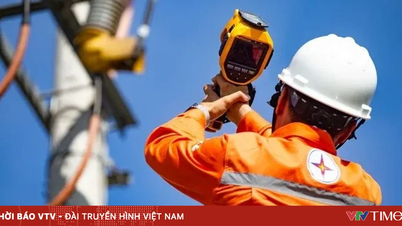
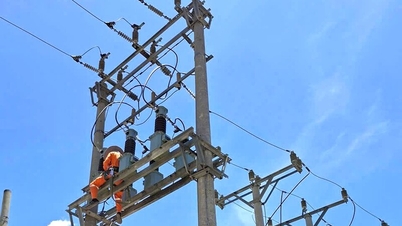
Accordingly, regarding the power grid, NSMO coordinates the repair and maintenance of the power grid to ensure the highest possible availability for the transmission and distribution system, with particular priority given to power supply projects for the North such as upgrading the capacity of the AT1 Hoa Binh transformer, putting into operation the AT1 T500 Pho Noi transformer and the AT7 T220 Ha Dong transformer.
Regarding hydropower, the plan involves flexible reservoir operation, proactively accumulating water at small hydropower plants to generate electricity during peak evening hours, and coordinating the shifting of generating hours at small hydropower plants in the North.

To date, approximately 100% of the required power plants (301 out of 301 plants with a capacity of 3,000MW) have completed the adjustment of their power generation schedules to the new timetable.
Regarding coal-fired power plants, maximize the use of available units to ensure redundancy, expedite the resolution of incidents, and proactively coordinate to reduce the output of units affected by high cooling water temperatures during off-peak hours to reserve maximum power output during peak hours.
Regarding gas turbines and oil-fired thermal power plants, we will coordinate closely with PV GAS to store gas and mobilize it according to gas supply capacity, flexibly switching between domestic gas, LNG, and DO oil to maximize output during peak hours and reduce system costs; accepting high mobilization of LNG and high-cost oil-fired units such as O Mon I Thermal Power Plant (using FO oil), and gas turbine units using DO oil such as Thu Duc and Can Tho Thermal Power Plants.
Regarding load regulation, in order to match the characteristics of summer load, NSMO has proposed applying peak, off-peak, and new normal time frames in June 2026 to proactively regulate electricity demand during peak hours from 5:30 PM to 10:30 PM.
Besides the efforts of the electricity sector, the cooperation of the community and electricity consumers plays a particularly important role in protecting the safety of the national power system.
In implementing Directive No. 10/CT-TTg dated March 30, 2026, of the Prime Minister on strengthening electricity saving and developing rooftop solar power, while ensuring the safe operation of the power system, NSMO recommends that the entire community raise awareness and use electricity economically and efficiently.
In particular, people and production facilities need to thoroughly implement electricity saving measures during extreme peak hours, including from 1 PM to 4 PM and from 8 PM to 11 PM on days of widespread intense heat in the North, contributing to reducing pressure and preventing potential incidents for the power system.
Source: https://baovanhoa.vn/kinh-te/sieu-el-nino-gay-ap-luc-len-he-thong-dien-231595.html



















































































Comment (0)