

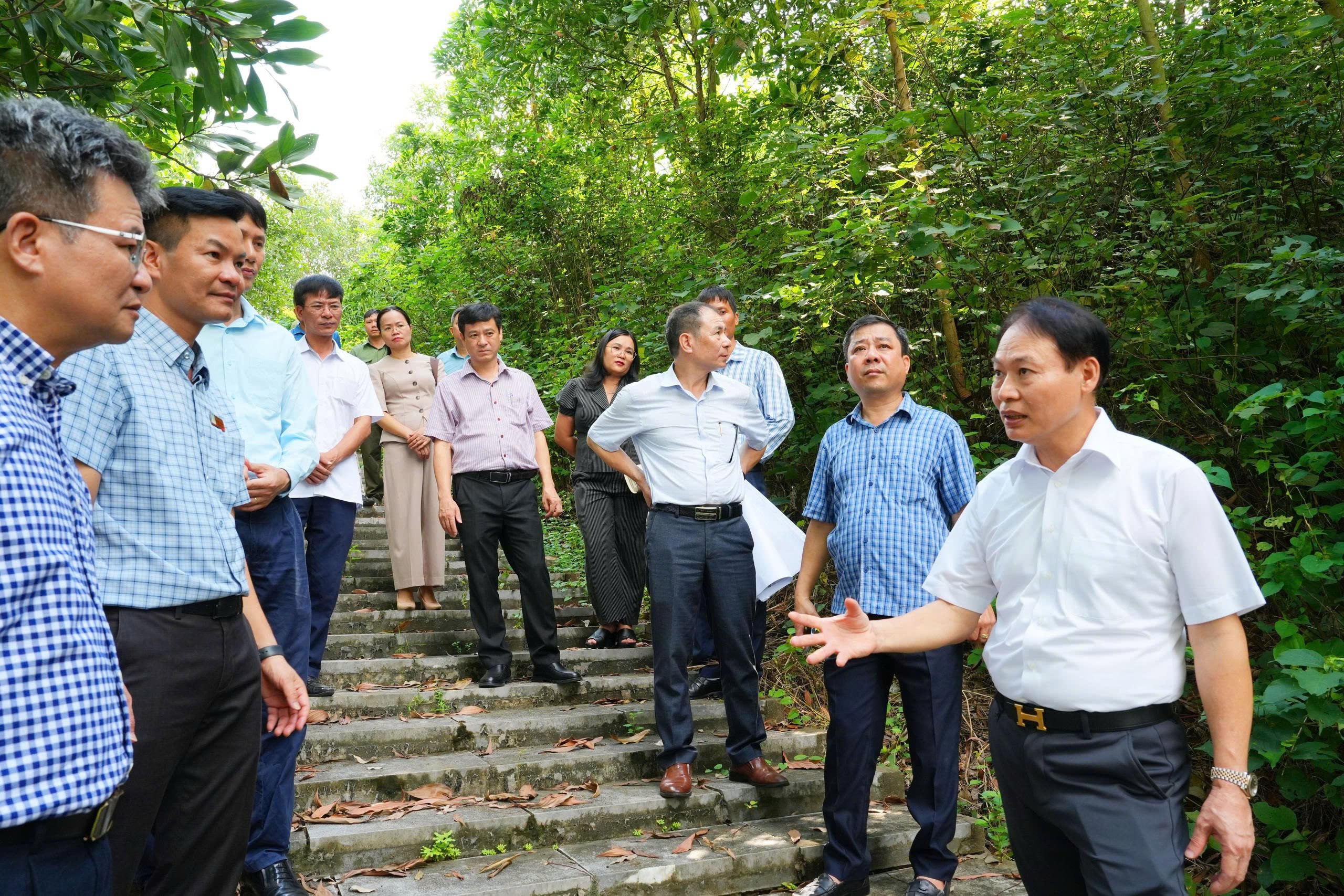
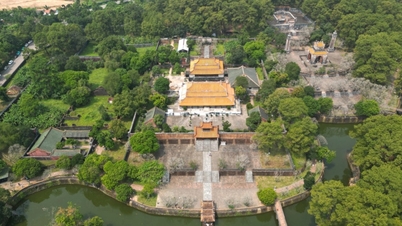
The ancient Dược Lĩnh Garden is one of the eight ancient sites of Chí Linh, Hải Dương. Restoring the Dược Lĩnh Garden will educate the younger generation about the role of the Vạn Kiếp base in the resistance against the Mongol invaders, about the historical and cultural values of this "land of outstanding people and sacred land," and will beautify the landscape of the Côn Sơn-Kiếp Bạc special national historical site complex.
During the resistance against the Mongol invaders, while stationed at Van Kiep (the area of the present-day Kiep Bac Temple), General Tran Quoc Tuan (Hung Dao Vuong) was always deeply concerned about how to ensure sufficient medicine to treat the sick and wounded soldiers. Legend says that one night while he was sleeping, General Tran Quoc Tuan saw an old man with a brown headscarf, wearing a long black robe, carrying a woven bag. The old man bowed three times and said, "I am the Medicine Spirit, knowing that Your Highness needs medicinal plants, so I have brought them as a gift." General Tran Quoc Tuan thanked him and accepted the bag of medicinal plants. Looking up, he realized the man was gone and that he had only dreamt.
The story of the medicinal plant kept Hung Dao Vuong awake all night. On his way back to the Shipyard, a few miles from Van Kiet, he saw saplings by the roadside that resembled the medicinal plant known as Duoc Linh. Hung Dao Vuong took the plant back and planted it on Duoc Son mountain. He then personally harvested the leaves, crushed them, and applied the medicine to the soldiers' wounds. Indeed, the wounds healed completely. Local people spread the word that no other medicine grown on Duoc Son mountain could compare to it.
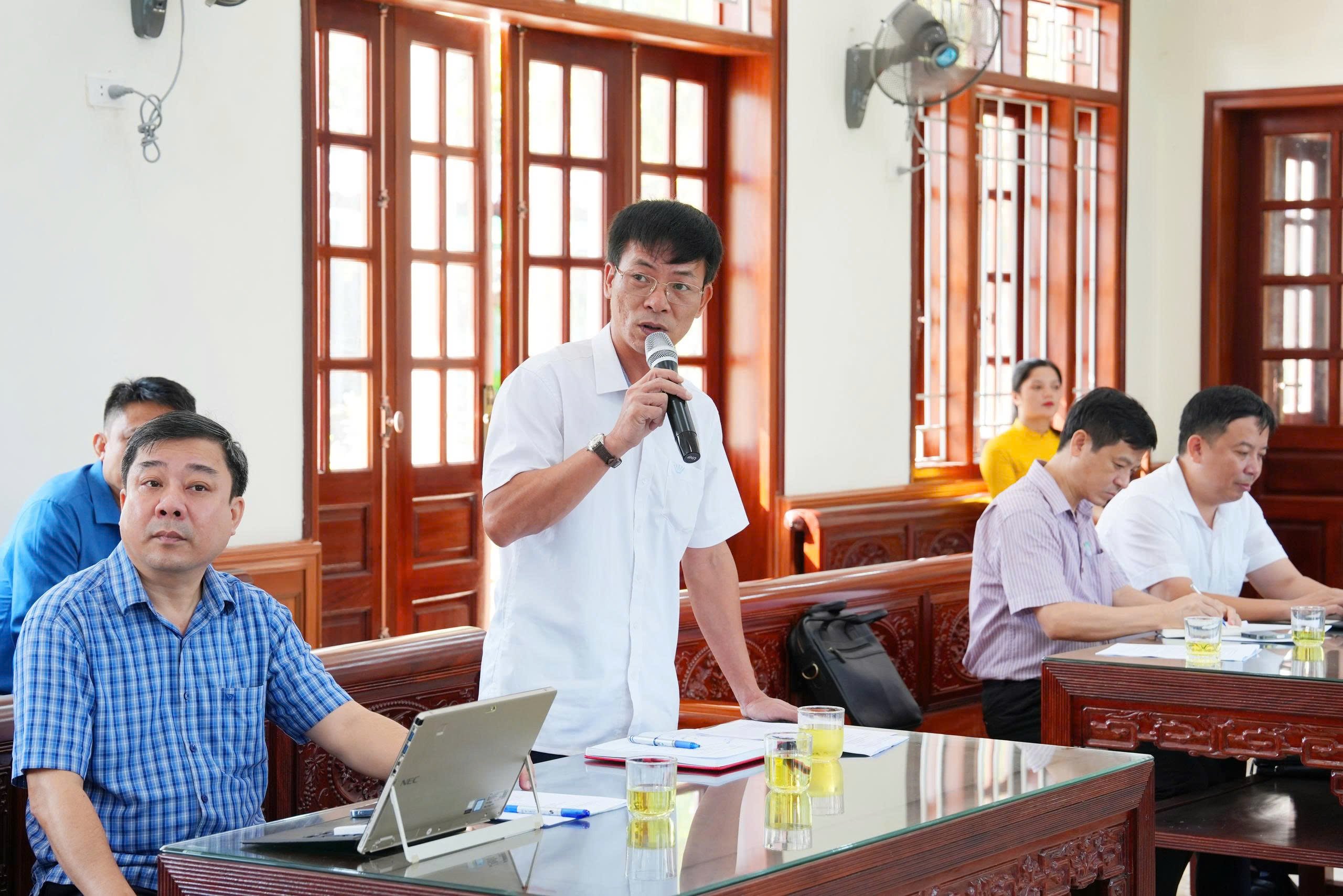
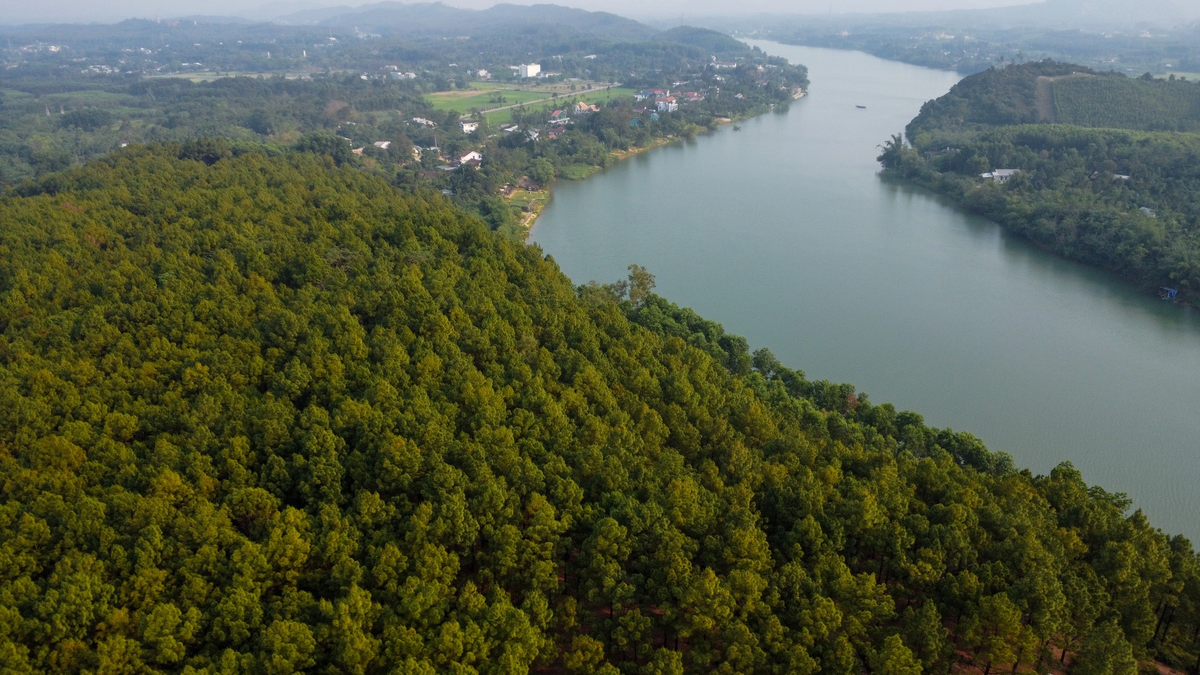
According to historian Dr. Le Duy Manh, Deputy Head of the Con Son-Kiep Bac Relic Management Board, the Duoc Son Medicinal Garden is located on Duoc Son Mountain, south of Kiep Bac Temple. Before the second resistance war against the Mongol invaders, with the philosophy of "Vietnamese people use Vietnamese medicine," Hung Dao King entrusted Pham Ngu Lao with planting a medicinal garden with many precious medicinal plants on Nam Tao Mountain to treat illnesses and wounds for soldiers, hence the name Duoc Son, meaning medicinal mountain. Historical records state: "From the 13th century, Tran Quoc Tuan and the Tran Dynasty's Imperial Medical Institute valued the use of domestic medicinal plants to treat illnesses for the people and wounds for soldiers. At Van Kiep, Tran Quoc Tuan established a fairly large area for planting medicinal plants (that mountain still bears the name Duoc Son today)." During the Le Dynasty, the medicinal garden was preserved, developed, and named Duoc Linh Ancient Garden.
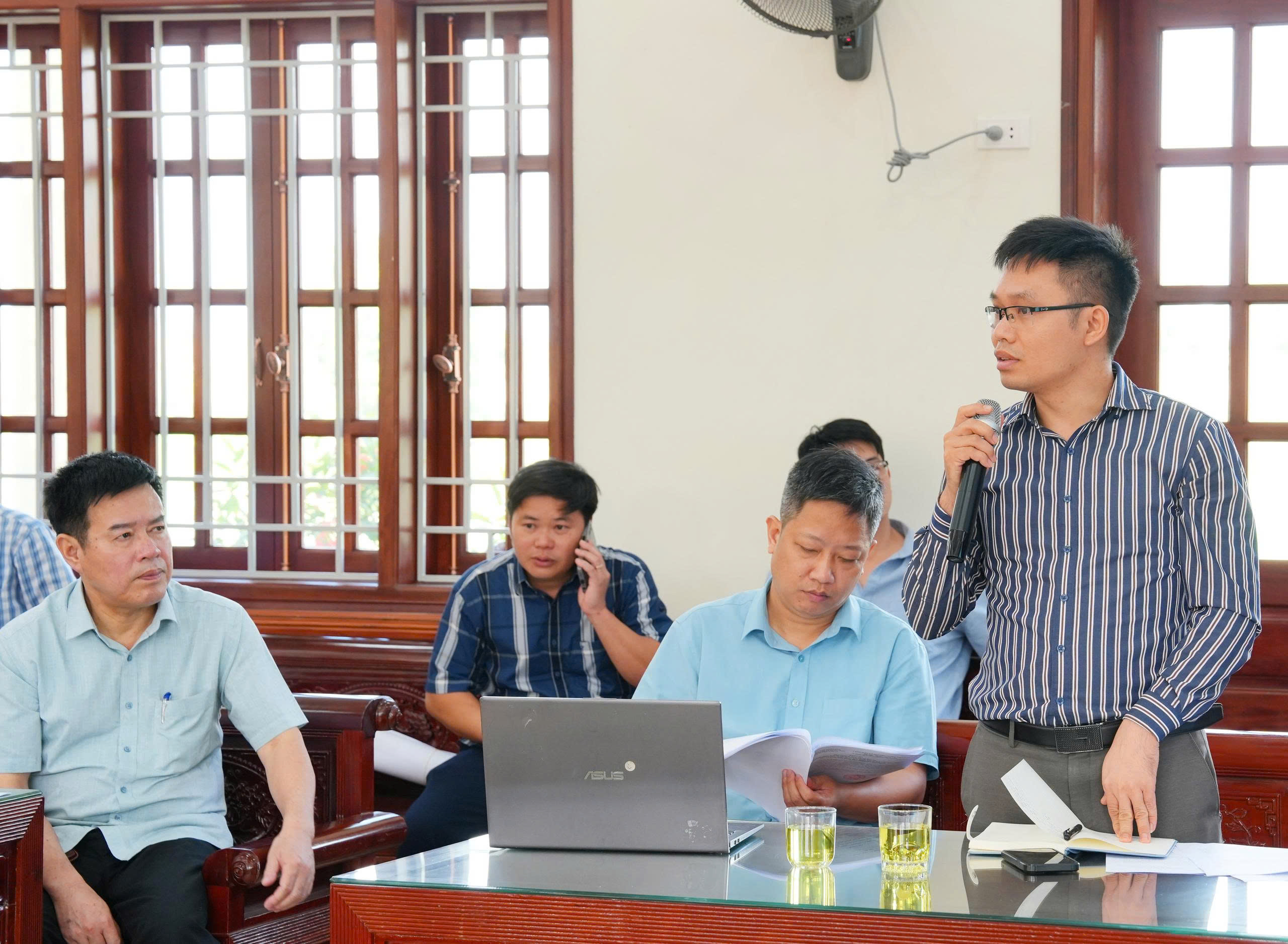
According to statistics from the Central Institute of Traditional Medicine in the 1970s, Duoc Son mountain had about 600 species of cultivated and wild plants known as "traditional Vietnamese medicinal plants." By 2010, there were over 300 medicinal plants remaining on Duoc Son mountain and some neighboring mountains. At that time, Duoc Son mountain alone had nearly 160 species, and today about 100 species still exist. The most abundant are plants such as: *Cynanchum auriculatum*, *Passiflora incarnata*, *Polygonum multiflorum*, *Centella asiatica*, *Centella asiatica*, *Centella asiatica*, *Centella asiatica*, *Centella asiatica*, *Centella asiatica*, etc., which have high medicinal value and can treat many diseases related to digestion, injuries, rheumatism, spinal degeneration, typhoid fever, cirrhosis, etc.
Surveys conducted by the health sector show that medicinal plants on Duoc Son mountain, such as purple basil, licorice, and Huang Zhi Nan, have high medicinal value and can treat diseases like rheumatism, cirrhosis, sore throat, tooth decay, kidney problems, spinal degeneration, postpartum complications, and typhoid fever. Local people and visitors alike still have the custom of coming to Duoc Son to ask for medicinal leaves to treat illnesses, and legends about the Duoc Son relic site still persist today.
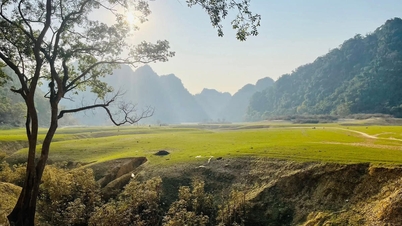
According to locals, the Duoc Son mountain area, spanning over 10 hectares, once boasted more than 200 species of medicinal plants. The art of herbal medicine in Kiet Bac originated here and has been passed down to the present day. Locals say that the herbs grown in Duoc Son are unparalleled. However, the "ancient medicinal garden" has faded over time, losing its pristine beauty and precious medicinal plants. Many of the old medicinal gardens have been replaced with orchards, and in some areas, people plant timber trees for economic purposes after being allocated land. Due to years of neglect and lack of restoration, the area has become overgrown, with the remaining medicinal plants growing among the weeds.

To preserve the precious medicinal herb garden, on June 18, 2010, the Prime Minister signed Decision No. 920/QD-TTg "Approving the overall planning of the Con Son-Kiep Bac historical site associated with tourism development in Chi Linh town, Hai Duong province," with a total investment of approximately 1,600 billion VND. The Duoc Son medicinal herb garden is located within a special protection zone, belonging to the group of restoration and rehabilitation projects, with a total area of 20,000 m2.
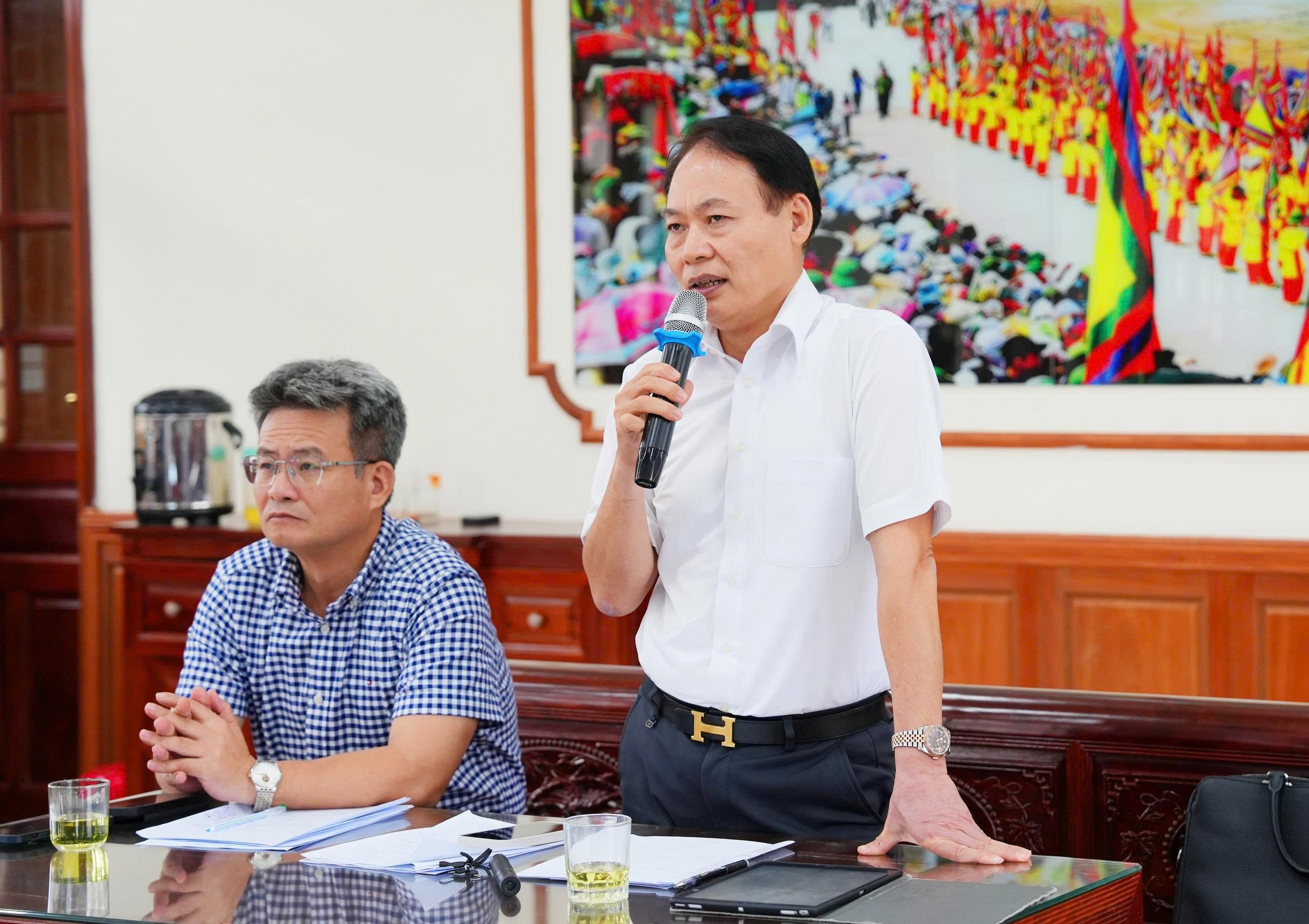
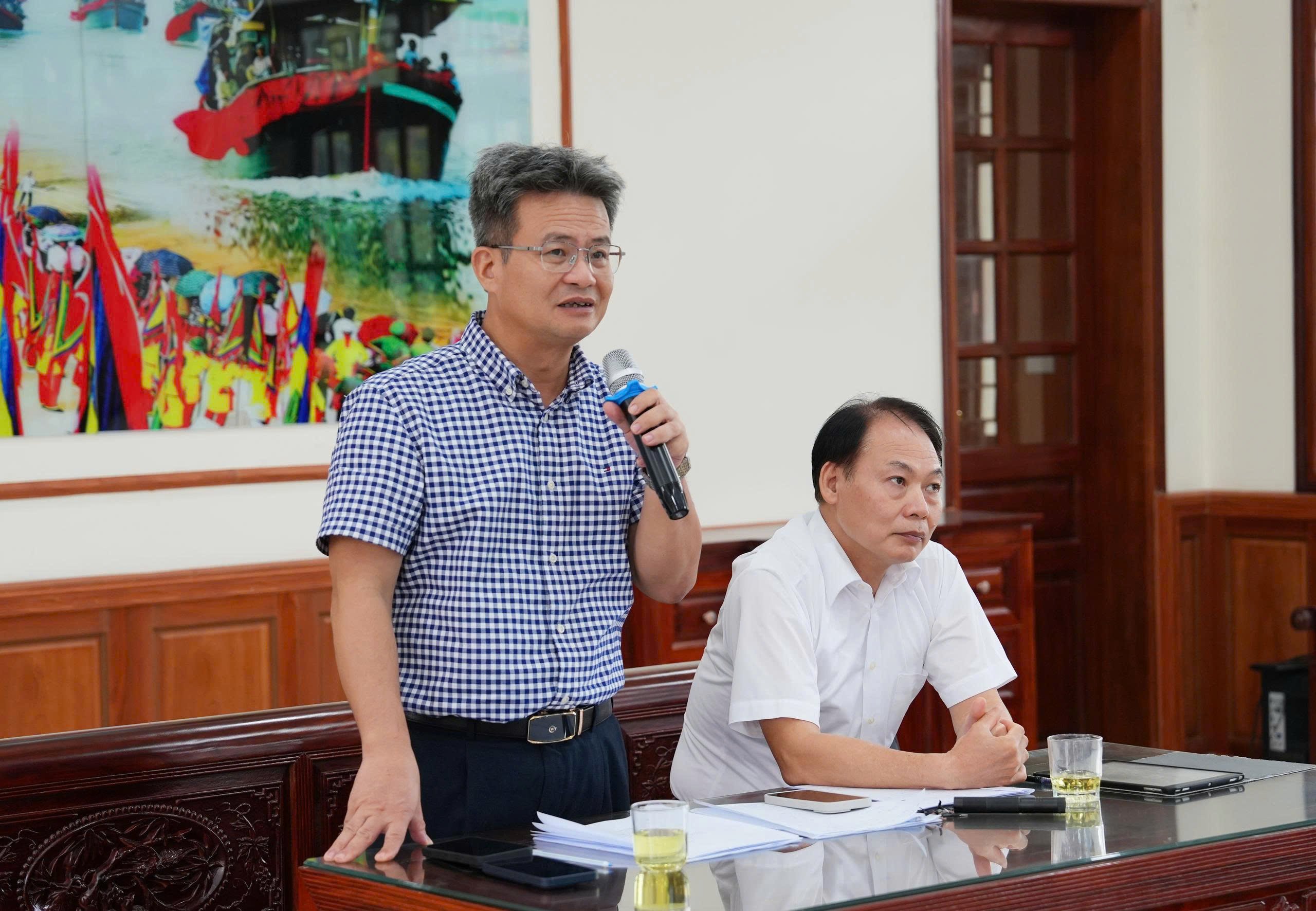
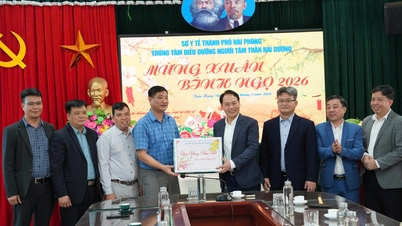
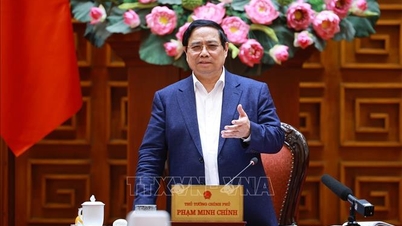
Director of the Department of Health, Le Minh Quang, delivered the concluding remarks at the working session with the Chi Linh Medical Center.
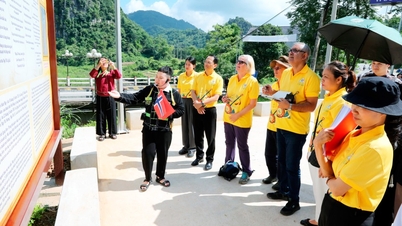
Hai Duong province has also developed a project to restore, preserve, and develop Duoc Son into a model medicinal garden, for breeding and processing medicinal herbs to serve in treatment, and at the same time, as a destination in the historical, cultural, and scenic area within the Con Son-Kiep Bac special national historical site complex. After conducting a field survey, Associate Professor Dr. Le Minh Quang, Director of the Department of Health, emphasized that Duoc Linh Ancient Garden is one of the eight ancient gardens of Chi Linh region. Restoring Duoc Linh Ancient Garden is necessary and requires the consensus of relevant departments and agencies, especially the local people. The Department of Health listened to the contributions of each member representing functional sectors and scientists regarding the advantages, difficulties, and plans for building the medicinal garden. Based on the feedback received, the health sector will compile and develop a detailed plan to advise and submit to the City People's Committee a proposal for restoring the Duoc Son medicinal herb garden, located within the Con Son-Kiep Bac National Special Historical Site, ensuring the preservation and promotion of the historical, cultural, and traditional medical values of the nation.
Duc Thanh
Source: https://soyte.haiphong.gov.vn/tin-hoat-dong/som-khoi-phuc-duoc-linh-co-vien-782382




































































Comment (0)