

According to information from several medical facilities, the number of patients hospitalized due to upper respiratory tract infections has increased significantly recently.
According to information from several medical facilities, the number of patients hospitalized due to upper respiratory tract infections has increased significantly recently.
The prolonged rainy season in Ho Chi Minh City increases the incidence of upper respiratory illnesses such as sore throat, sinusitis, tonsillitis, and the common cold.
Constant weather changes, high humidity, and the strong spread of bacteria and viruses in the air are the main causes of this situation.
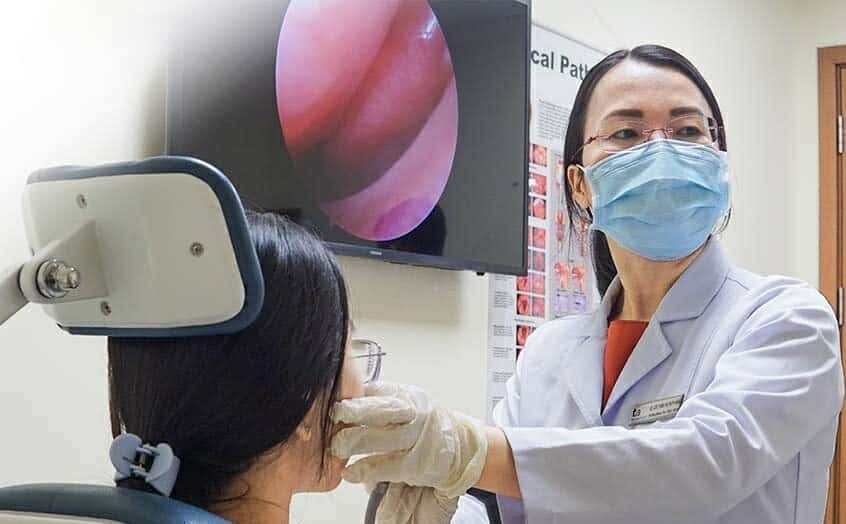 |
| According to information from several medical facilities, the number of patients hospitalized due to upper respiratory tract infections has increased significantly recently. |
Doctors explain that the respiratory tract is where many pathogens easily enter through breathing. Sudden temperature changes from hot to cold and from sunny to rainy within a single day require the body time to adapt.
During this process, the immune system can be weakened, making the body more susceptible to bacterial and viral infections. A humid environment, in turn, provides favorable conditions for bacteria and viruses to thrive.
Therefore, during the transitional period between seasons, especially the rainy season, respiratory infections such as colds, sore throats, rhinitis, sinusitis, etc., tend to flare up and increase.
Upper respiratory tract infections are inflammatory conditions affecting parts of the upper respiratory tract, including the nose, pharynx, throat, sinuses, and larynx – parts that function to inhale air from outside the body, warm, humidify, and filter it before it enters the lungs.
Furthermore, living and working spaces that are not well-ventilated during rainy and humid weather increase the risk of infection. Especially in enclosed spaces like offices and schools, diseases easily spread from person to person through the respiratory tract.
Pathogens are easily spread through respiratory droplets when an infected person coughs, sneezes, or talks closely; or if you touch surfaces contaminated with bacteria or viruses and then touch your eyes, nose, or mouth, you can easily become infected.
According to Dr. Truong Tan Phat, Head of the Ear, Nose, and Throat Unit at Tam Anh Multi-Specialty Clinic in District 7, the immune systems of children and the elderly are generally weaker and less able to fight off bacterial and viral attacks during the rainy season, making them more susceptible to illness.
In addition, people with a history of chronic respiratory diseases, such as sinusitis or bronchitis, are more sensitive to environmental factors, and are especially susceptible to illness during the humid rainy season.
Ms. TTD (45 years old, District 7) came to Tam Anh Multi-Specialty Clinic in District 7 with symptoms of fever, headache, fatigue, toothache, runny nose, cough, and nasal congestion.
After examination, taking a medical history, and performing an ear, nose, and throat endoscopy, Dr. Phat diagnosed Mrs. D. with chronic sinusitis and prescribed medication. Mrs. D.'s nasal passages had accumulated a lot of cloudy pus, so the pus was drained from the sinuses to clear them.
Dr. Phat explained that cold air, high humidity, and the proliferation of bacteria and viruses affect the nasal mucosa, causing damage, inflammation, and swelling, leading to blockage of the nasal sinus passages.
Cold rain triggers allergic sinusitis, making the condition worse. Additionally, changes in air pressure and pollen after rain can also affect sinus pain.
When sinusitis recurs or worsens during the rainy season, patients should see a doctor for timely examination and treatment; avoid using old prescriptions or prescriptions intended for others, as this may worsen the condition and make it more difficult to treat later.
To effectively treat sinusitis, patients need to be persistent and strictly follow their doctor's instructions regarding medication regimen. They should not misuse or stop medication on their own as soon as symptoms subside, as this can worsen the condition.
The rainy season brings with it many health risks, especially upper respiratory infections.
However, knowing the causes and taking the right preventive measures will help minimize the risk of getting sick. "You should keep your body warm, especially your neck, chest, and legs, in cold, rainy weather; avoid getting your body wet from rainwater, and quickly change into dry clothes if they get wet," Dr. Phat advised.
To prevent upper respiratory infections during the rainy season, doctors recommend that people wear masks when going outside, clean their noses and throats with saline solution daily, supplement vitamin C from foods such as oranges, lemons, and grapefruits, and eat a balanced diet to keep their bodies healthier.
Ensure you get enough sleep and exercise regularly to boost your immune system. Keep your home well-ventilated and prevent mold by opening windows and using a dehumidifier if needed.
Regularly cleaning your home and personal belongings helps limit the growth of bacteria and mold. Getting a flu vaccine helps reduce the risk of illness, especially for the elderly and young children.
Respiratory tract infections can begin with mild symptoms, but if left untreated, they can progress to dangerous complications.
Therefore, if you experience symptoms such as sneezing, runny nose, nasal congestion, dry cough or cough with phlegm, sore throat, hoarseness, fatigue, headache, mild fever or prolonged fever above 38.5°C, etc., you should go to a medical facility for timely examination and treatment.
Source: https://baodautu.vn/tang-cao-benh-nhan-mac-viem-duong-ho-hap-tren-d228753.html
![[Photo] Prime Minister Pham Minh Chinh attends the Conference on the Implementation of Tasks for 2026 of the Industry and Trade Sector](/_next/image?url=https%3A%2F%2Fvphoto.vietnam.vn%2Fthumb%2F1200x675%2Fvietnam%2Fresource%2FIMAGE%2F2025%2F12%2F19%2F1766159500458_ndo_br_shared31-jpg.webp&w=3840&q=75)




































































































Comment (0)