

Fostering a proactive spirit
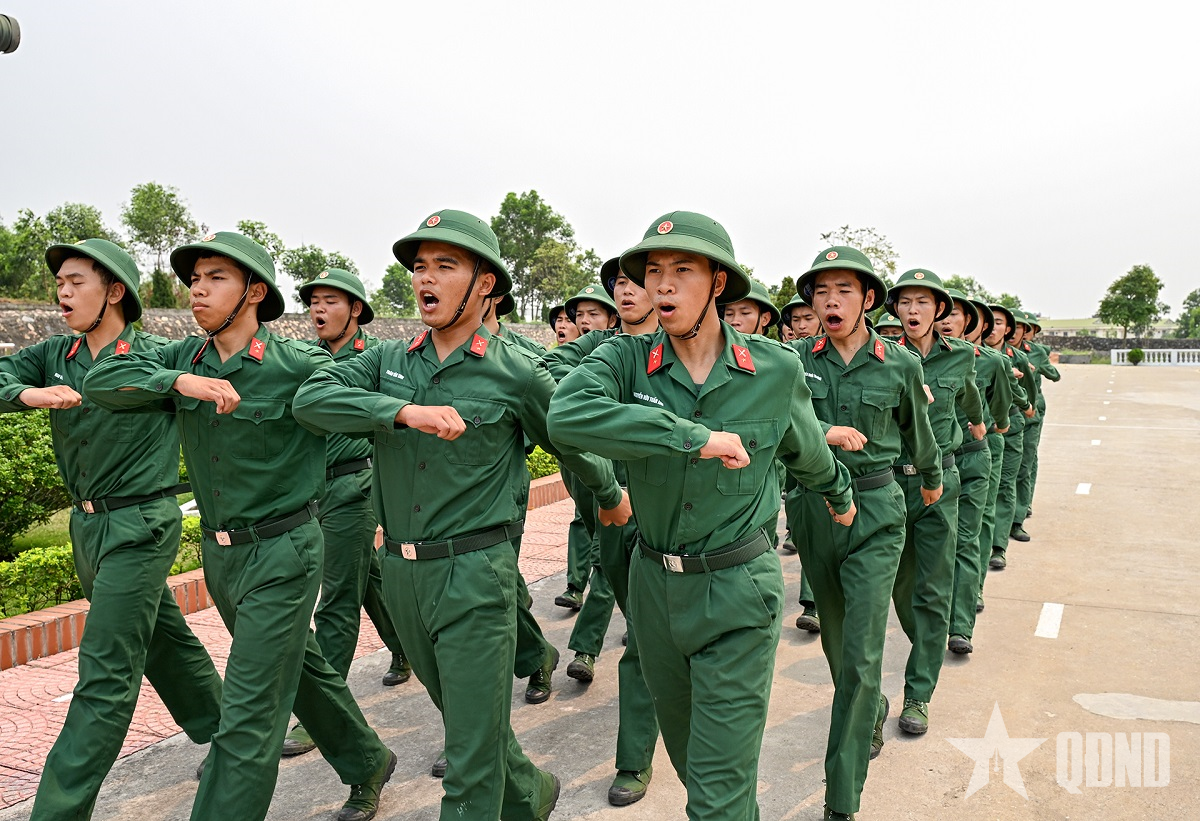
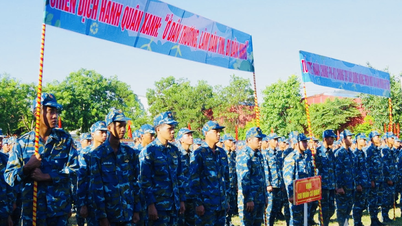
On the drill training ground of the 3rd Battalion, rows of soldiers marched decisively to the commands of their officers. Sweat soaked their shirts, but the soldiers remained focused, correcting every hand movement, step, and glance. Compared to their first days of enlistment, when they were still somewhat hesitant, the faces of many soldiers today were more resolute and mature after weeks of training in the military environment.
First Lieutenant Vu Minh Hieu, Platoon Leader of Platoon 6, Company 10, was directly correcting the soldiers' movements while gently reminding each one to maintain formation. He said that training new recruits is not just about imparting techniques and movements, but more importantly, helping them develop military discipline, organizational awareness, and a sense of collective responsibility. “Nowadays, many soldiers have a good level of education and learn quickly, but when they enter the Army, everything starts from the most basic things. Officers must be very patient, thorough, both serious and approachable, so that the soldiers gradually get into the routine,” First Lieutenant Vu Minh Hieu shared.
 |
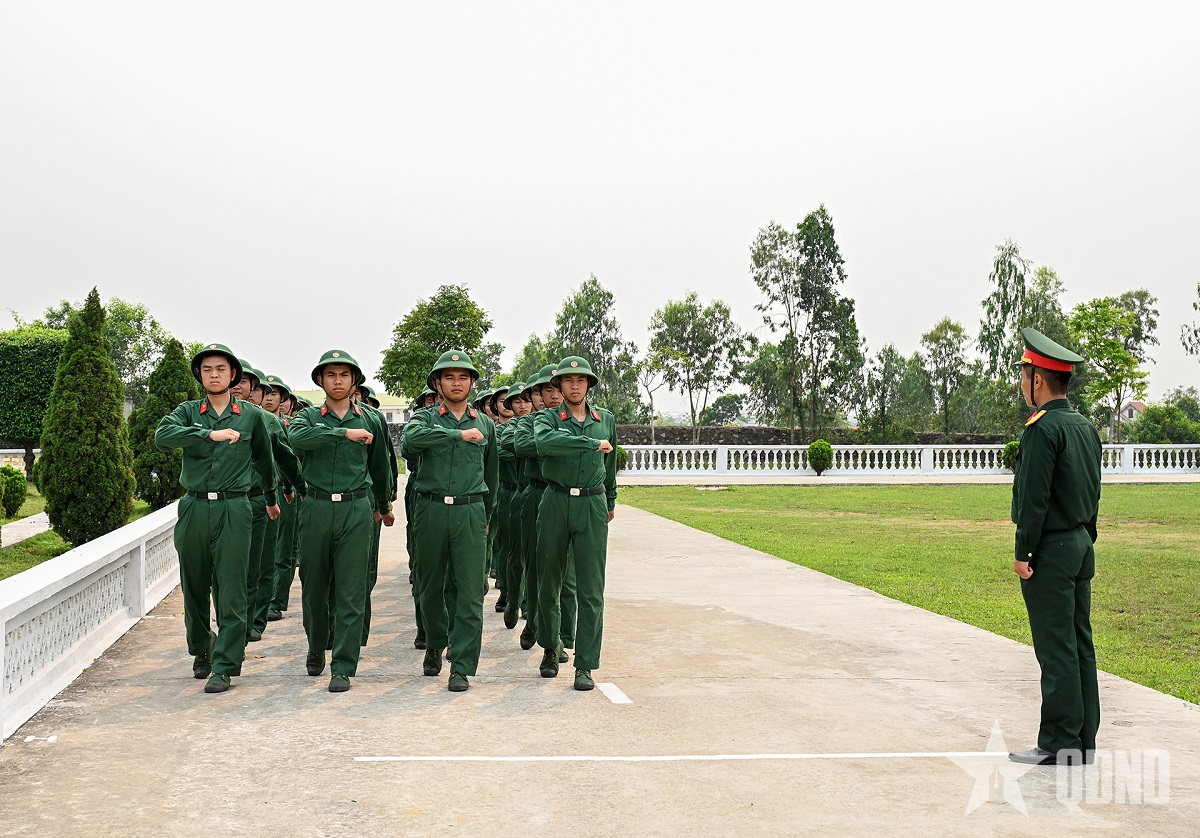 |
| New recruits of Brigade 490 practice drill and formation. |
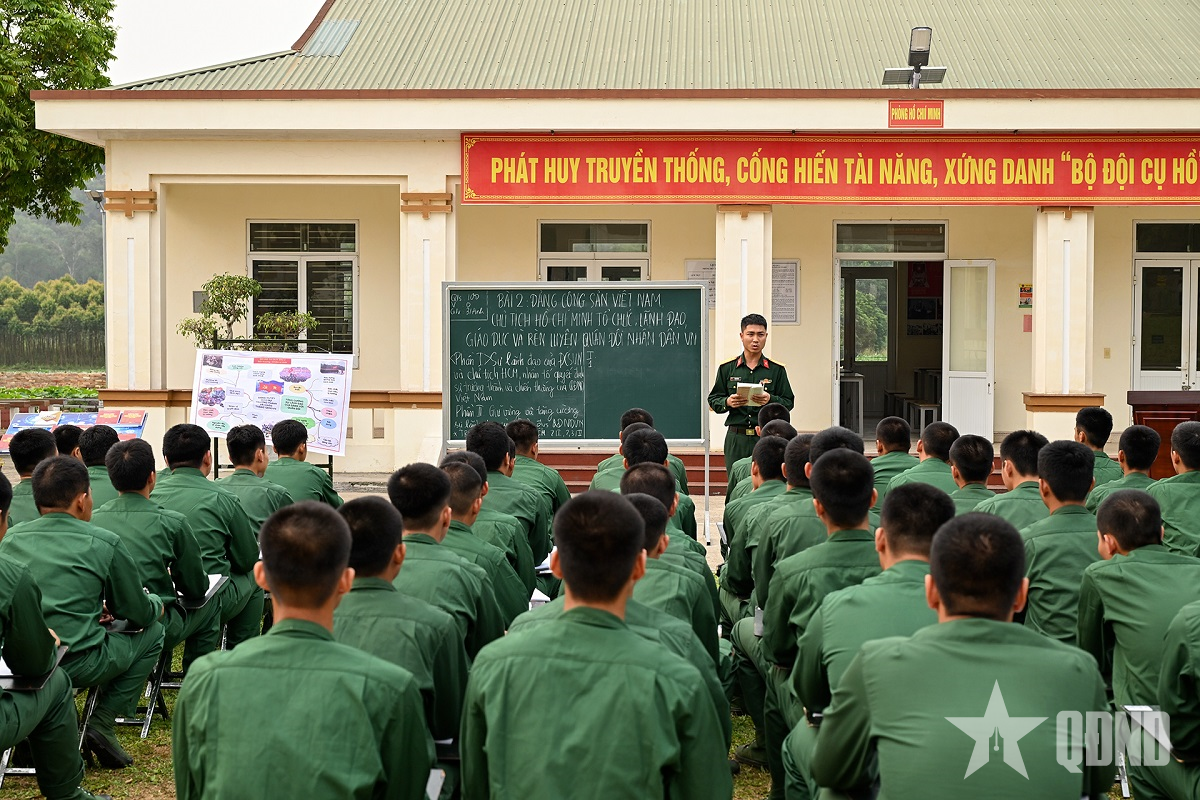
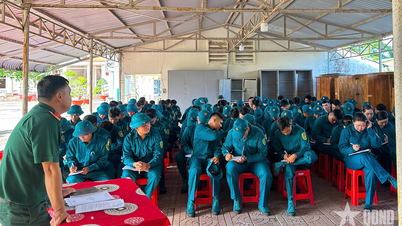
Not only on the training ground, but the political education atmosphere in Company 10 was also vibrant. During the lesson on the traditions of the Vietnam People's Army, the instructors continuously posed thought-provoking questions to encourage soldiers to discuss and relate the information to practical situations. Many hands were raised in support. Among them, Private Nguyen Quoc Anh, a soldier from Squad 13, Platoon 4, impressed with his clear and confident presentation.
Before enlisting, Nguyen Quoc Anh won a top prize in the Quang Ninh province's history competition for gifted students, and later graduated from the Academy of Policy and Development. This foundation of knowledge helped the young soldier quickly absorb political education content, especially lessons about national traditions and the responsibilities of youth in building and defending the Fatherland.
However, behind that confidence were the initial days of bewilderment as he transitioned from university life into the military with its strict discipline. From forms of address and greetings to internal affairs, training, and agricultural production, everything had to be learned from scratch. "Initially, I missed home and sometimes felt awkward with seemingly simple tasks that I rarely did before. With guidance and encouragement from officers and comrades, I gradually got used to the rhythm of unit life. Each day, I improved one drill movement and did one task better, and I felt myself growing," Nguyen Quoc Anh confided.
 |
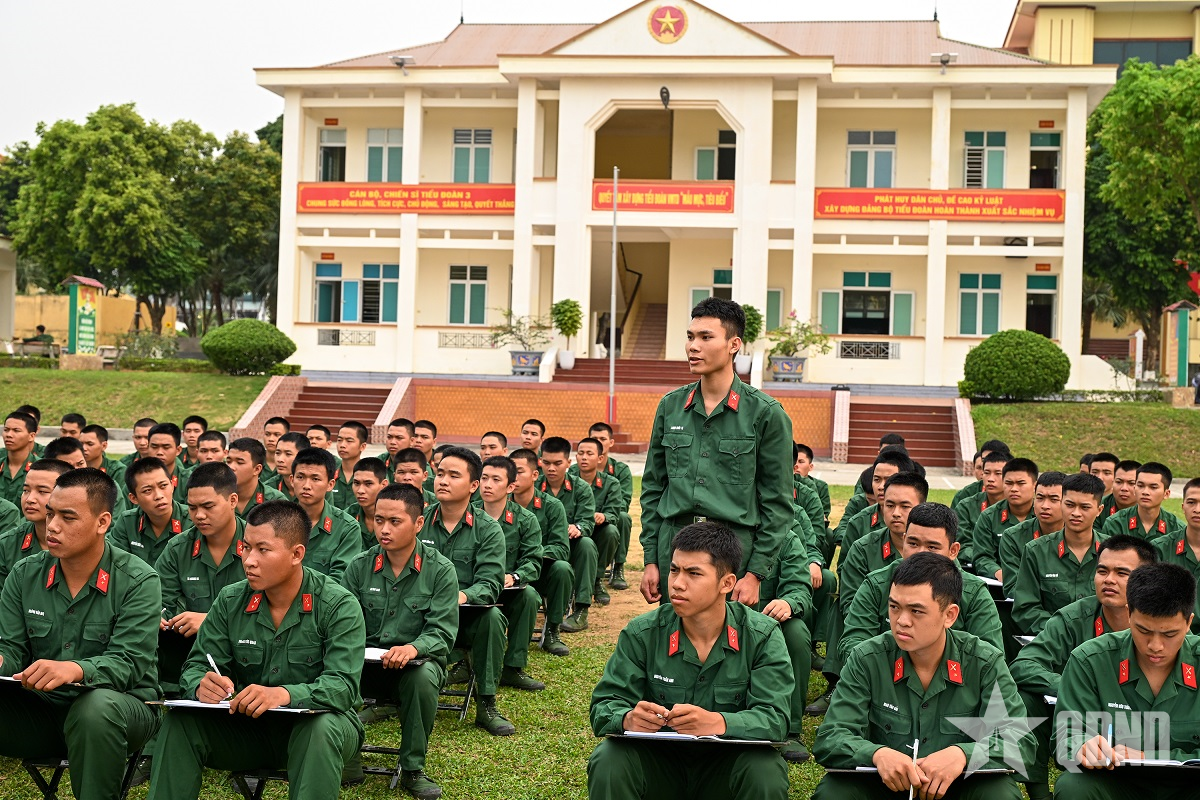 |
| A lively political lesson at Company 10, Battalion 3, Brigade 490. |
In Brigade 490, Nguyen Quoc Anh's story is not unique. This year, the percentage of new recruits graduating from universities, colleges, and vocational schools exceeds 23%. This is both an advantage in training and political education, and also places a demand on the officer corps to be able to identify, guide, and properly develop the abilities of each individual.
Based on that experience, many lessons at Battalion 3 were organized with a focus on increasing interaction and encouraging soldiers to participate in building the lesson. Soldiers with a good knowledge base were assigned to support their comrades in reviewing and consolidating the learning content. As a result, the classes became more lively, soldiers confidently expressed their thoughts, and their thinking skills and sense of collective responsibility increased.
The spirit of proactiveness is fostered not only in studies but also in all daily activities. From organizing and maintaining hygiene, increasing production, to upholding discipline, officers explain to soldiers why they must strictly adhere to military regulations and rules. Once they understand the meaning of each task, soldiers no longer have a perfunctory attitude but gradually develop a sense of self-discipline.
In the afternoon at the company's agricultural area, many young soldiers enthusiastically tended to their vegetable beds, removing pests and watering the plants. Stories about their hometowns and families, interspersed with laughter, gradually erased the initial distance between the soldiers. It was in these seemingly simple activities that camaraderie and fellowship were nurtured day by day.
Understand the circumstances and grasp the mindset of the soldiers.
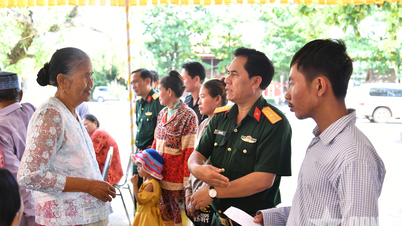
According to Lieutenant Tran Tuan Anh, Political Officer of Company 10, managing new recruits today requires officers to thoroughly understand their circumstances and grasp their thoughts and feelings. Because the soldiers come from many different localities, their family conditions, personalities, and understandings vary. Some integrate quickly, but others have unstable psychology, still miss home, and are afraid of hardship. If officers are not attentive, it will be difficult to provide timely encouragement and support. “For example, in the case of Private Nguyen Quoc Anh, the unit determined that early attention was needed because of his difficult family circumstances and his father's poor health. Besides creating conditions for the soldier to develop his learning abilities, company and platoon officers regularly inquire about his well-being and understand his thoughts to help him stabilize his mindset and focus on training,” Lieutenant Tran Tuan Anh said.
Through our observations, we found that the ideological management of new recruits in Brigade 490 is not limited to briefings or discipline checks, but is carried out through many close-knit methods. From three-person group activities, squad and platoon meetings, to newspaper readings, news viewing, cultural and sports activities... all become opportunities for officers to understand the soldiers' thoughts and feelings.
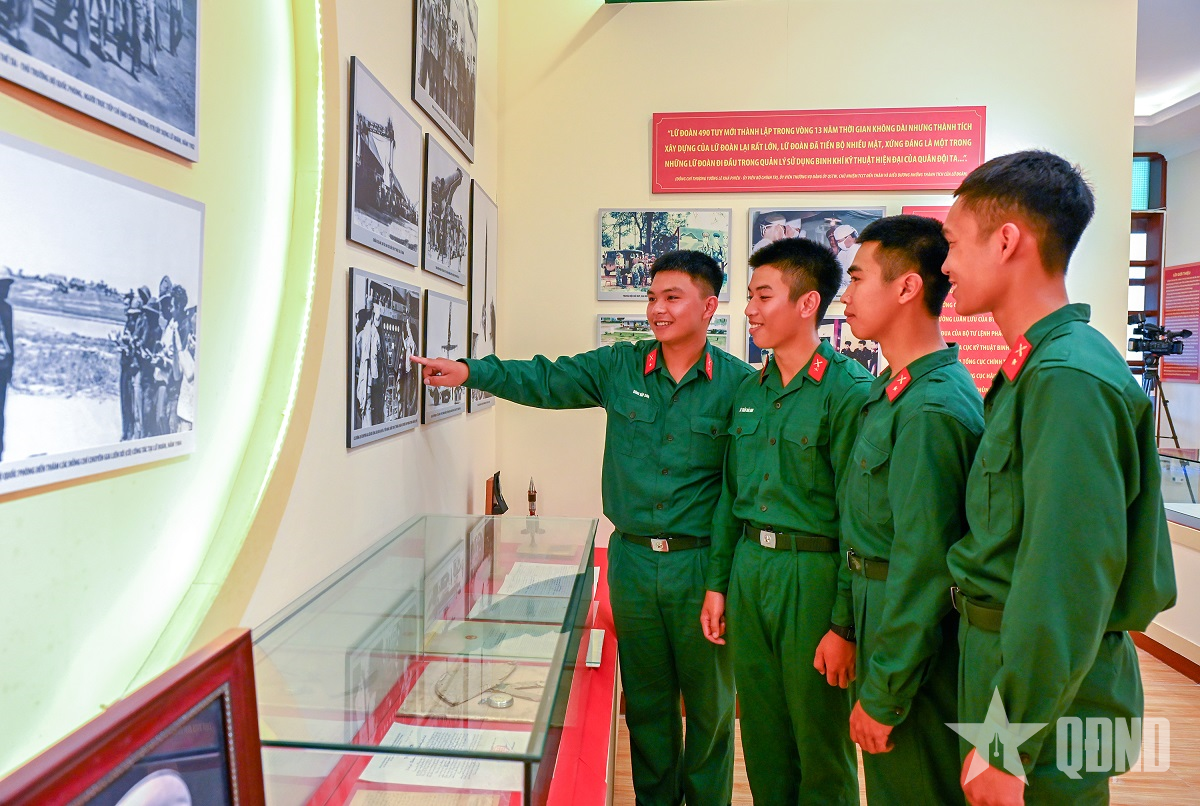 |
New recruits of Brigade 490 visit the unit's historical exhibition room. |
There, concerns about family, difficulties adapting to a new environment, and even the pressures of training were shared promptly. Some soldiers were away from home for months at a time, some were still awkward in group activities, but thanks to the close relationship with the officers and their comrades, each person gradually gained confidence and integrated.
Lieutenant Colonel Vu Quang Huy, Deputy Political Commissar of Brigade 490, assessed that after the initial training period, the unit's new recruits have shown significant improvements. From being somewhat unfamiliar with the routines, the soldiers have now become accustomed to the regular discipline, strictly adhere to etiquette and conduct, and actively participate in learning, training, and unit activities.
What is noticeable about the young soldiers here is not only their maturity in drill movements and daily routines, but also a change in their awareness, sense of responsibility, and collective consciousness. These young men, who came with diverse backgrounds and educational levels, are gradually integrating into the united and disciplined environment of the Army.
Late in the afternoon, as the whistle signaled the end of training, rows of soldiers on the training ground of Brigade 490 returned to their units in neat formations. Sweat still clung to the tanned faces of the young soldiers, but their eyes shone with greater confidence and maturity. The close supervision of the officers and the close camaraderie of the military environment are gradually building the foundation for these new recruits to mature steadily, continuing and developing the noble qualities of the Ho Chi Minh Army.
Source: https://www.qdnd.vn/quoc-phong-an-ninh/xay-dung-quan-doi/tao-da-tu-nhung-ngay-dau-quan-ngu-1038710


































































Comment (0)