

Institutional improvement with high intensity
According to the Ministry of Science and Technology , in April 2026, the Ministry advised the Government to issue 4 Decrees, submitted 6 Decisions to the Prime Minister for issuance, and issued 13 Circulars within its authority. This is a large volume of work, demonstrating a high level of determination in perfecting the legal framework to serve development.
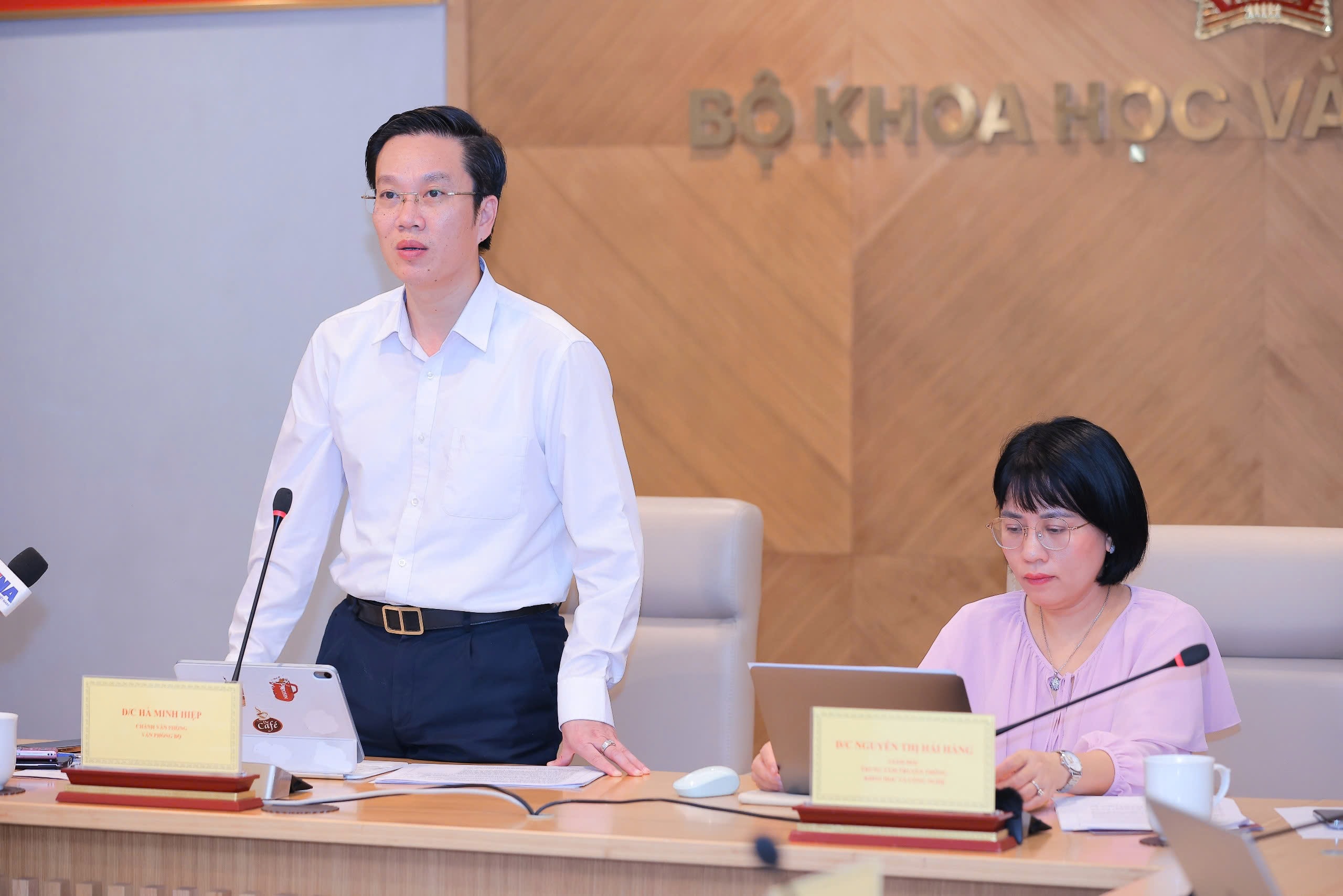
The documents focus on many areas with significant impact, such as technological innovation, technology transfer, intellectual property, digital transformation of small and medium-sized enterprises, nuclear energy, technical standards and regulations, telecommunications subscriber management, development of the science and technology market, and expansion of the Halal market.
Strengthening institutional building continues to facilitate businesses' access to new technologies, expand investment in innovation, and promote the commercialization of research results. Simultaneously, it helps management agencies improve operational efficiency, simplify procedures, and promptly address new issues arising from the practical development of digital technology. This is also a crucial foundation for implementing the major goals of Resolution No. 57-NQ/TW on breakthroughs in national science, technology, innovation, and digital transformation.
Science and technology continue to develop positively.
Furthermore, the science and technology sector continues to record many positive signs in both basic research, applied research, and the transfer of results into practice. The national science and technology information system recorded 168,507 downloads of full-text articles from international scientific databases. This indicator reflects the increasing demand for accessing scientific knowledge within the research community, universities, and businesses.
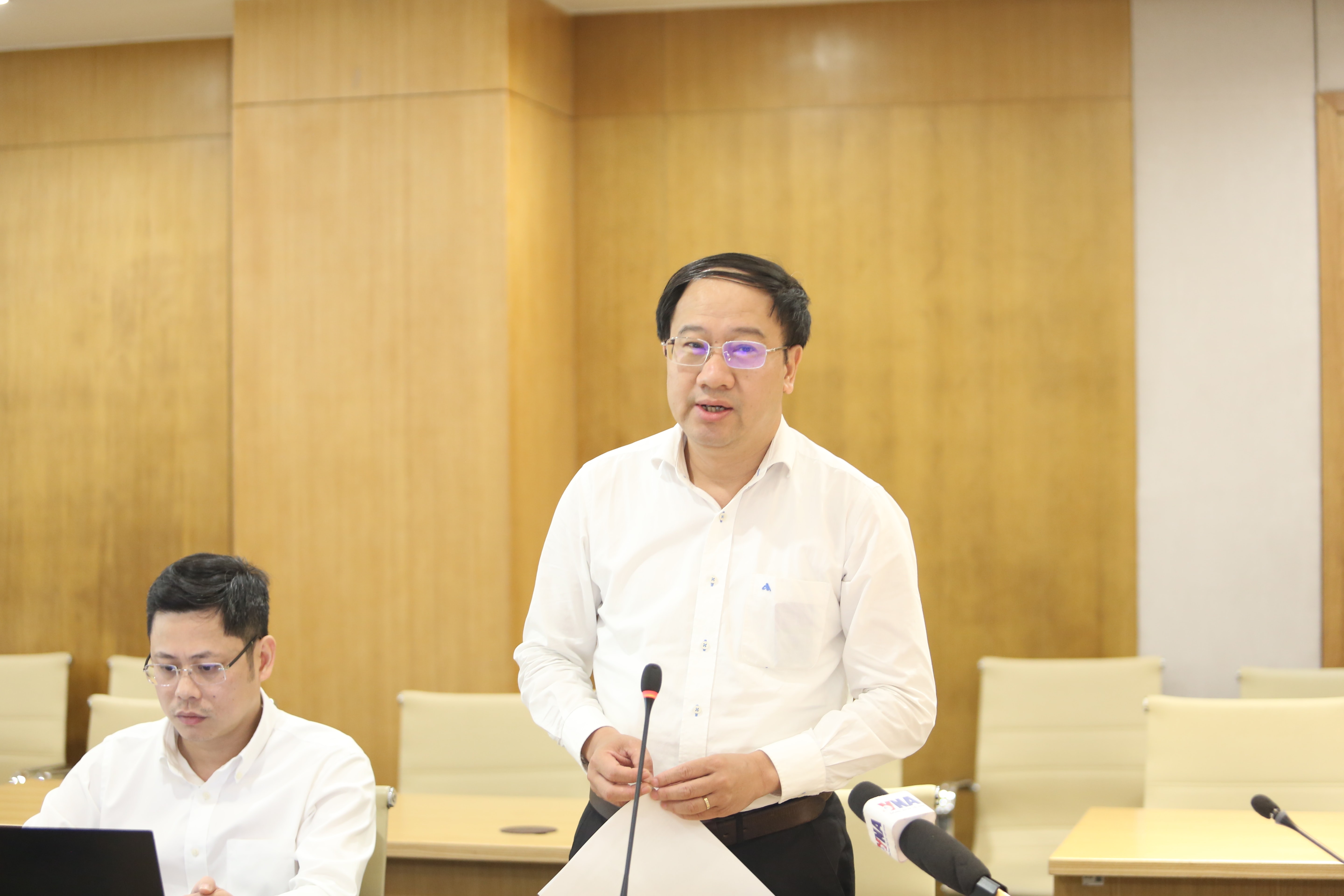
During the month, Vietnam published 2,761 international papers, focusing on strong fields such as engineering, computer science, mathematics, medicine, environment, and agriculture. These are fields closely linked to the requirements of socio -economic development, improving productivity, the quality of growth, and national competitiveness.
Currently, there are 589 science and technology projects underway, of which 190 have been applied in practice. The Ministry has issued 101 certificates of registration for the results of science and technology projects, 59 certificates of registration for science and technology organizations, and 10 ISSN codes. The total funding allocated and disbursed for these projects exceeds 100 billion VND.
Notably, the Ministry of Science and Technology is developing a list of strategic technologies and a list of strategic technology products linked to major national, sectoral, and local challenges; and is also finalizing the plan for the efficient exploitation and use of national space. This will serve as a basis for concentrating resources on areas with the potential for breakthroughs such as AI, semiconductors, biotechnology, new materials, new energy, and space technology.
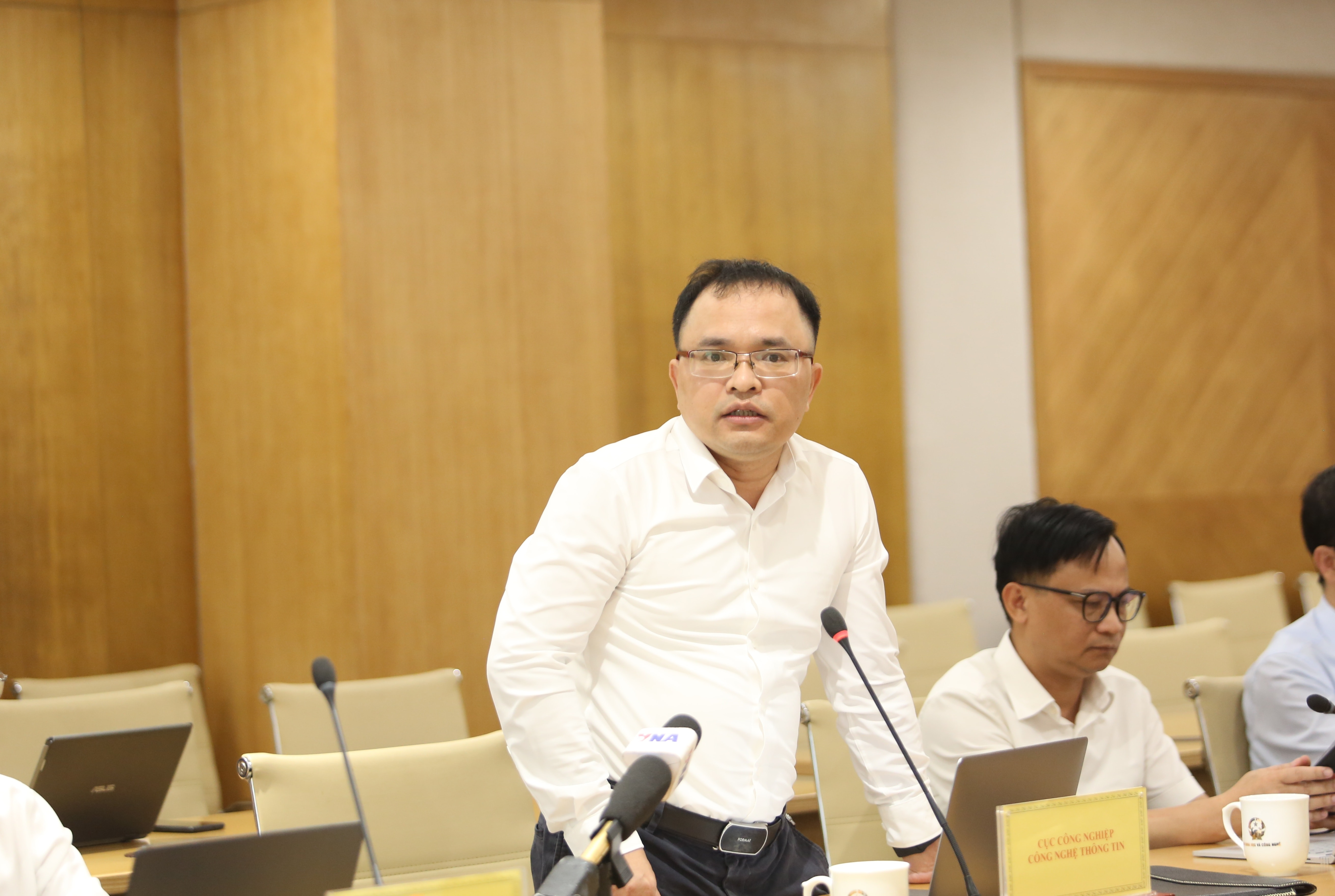
The Ministry is also drafting a plan to restructure national science and technology programs for the period 2026-2030, aiming to significantly reform financial management mechanisms, increase autonomy for leading organizations, create more favorable conditions for intellectuals and scientists, and link research with market demands and development practices.
Expanding international cooperation enhances Vietnam's standing.
April 2026 witnessed many outstanding international cooperation activities of the Ministry of Science and Technology, demonstrating Vietnam's increasingly proactive role in connecting global knowledge, adopting new technologies, and participating more deeply in international innovation networks.
On April 15th, Vietnam, in collaboration with other organizations, extended the UNESCO Category II accreditation and sponsorship of the International Centre for Mathematics and Physics for another eight years. This is a significant milestone that further affirms Vietnam's academic prestige, research capabilities, and position in the international scientific community.
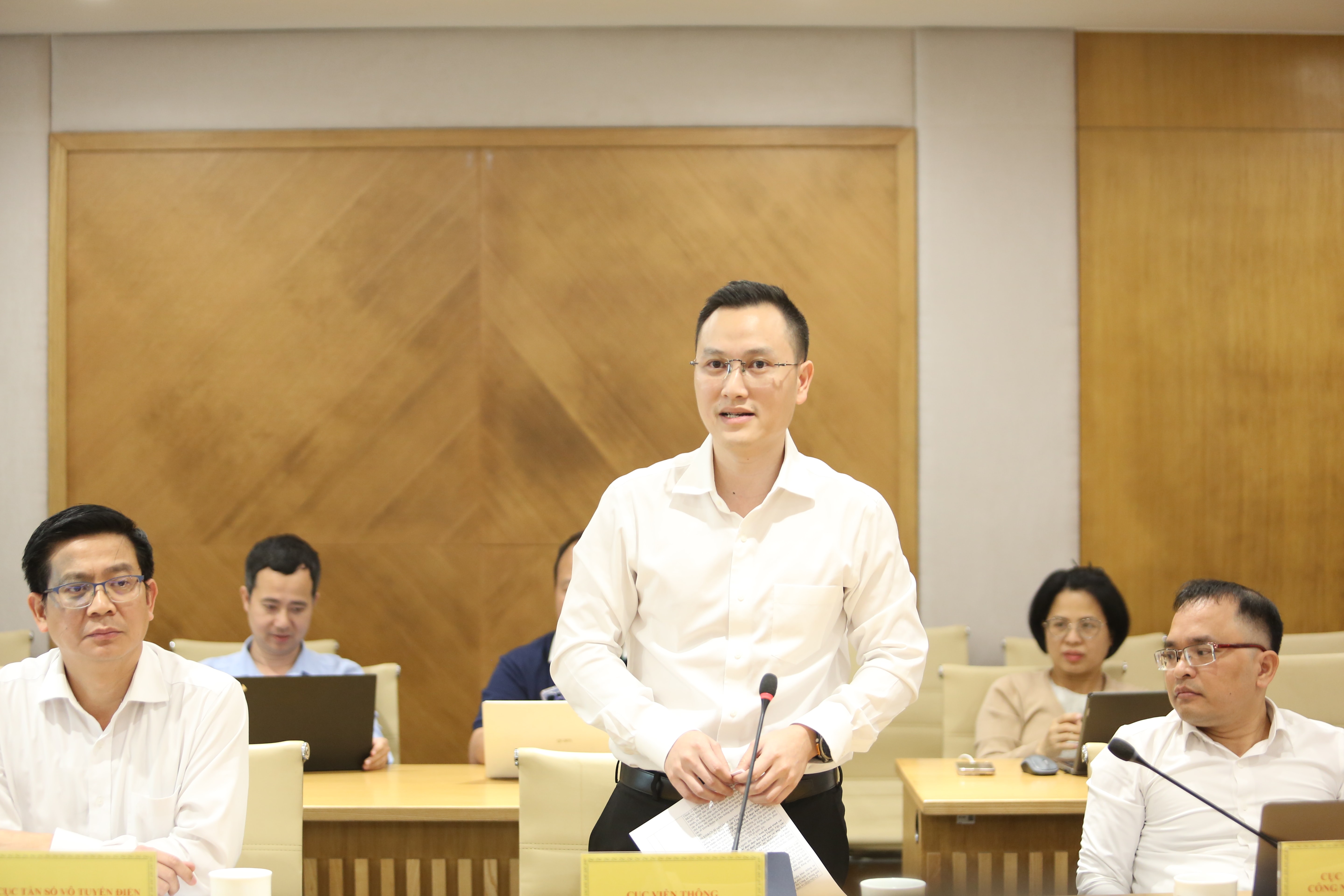
Through the Vietnam-Korea Institute of Science and Technology (VKIST), the Ministry continues to promote cooperation with Korea in applied research, technology transfer, and the development of high-quality human resources. The Ministry also expands cooperation with India in the fields of semiconductors, artificial intelligence, and digital transformation; and with Cuba in biotechnology, pharmaceuticals, and human resource training.
During the State visit to China, the Vietnamese Ministry of Science and Technology worked with the Chinese Ministry of Science and Technology, exchanging views on strategic technologies, joint research, collaborative laboratories, and priority areas such as AI, new materials, energy, and smart cities.
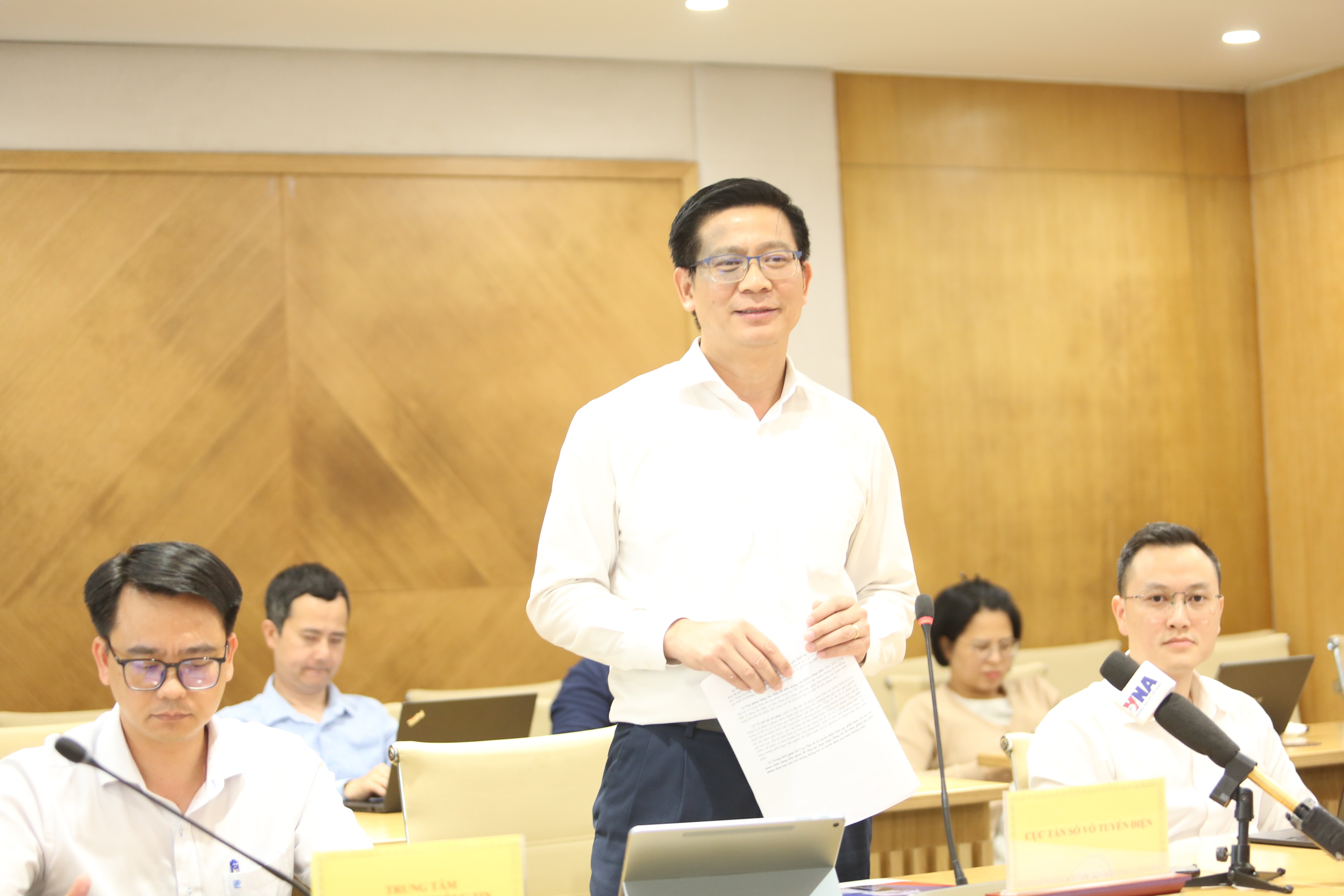
From April 1-4, the Ministry, in collaboration with the FWO, organized joint sessions to expand research cooperation, prioritizing applied biomedical and basic research. The Vietnamese delegation also attended the WIPO General Assembly, further promoting intellectual property cooperation and supporting businesses in the digital environment.
Innovation and digital transformation are spreading rapidly.
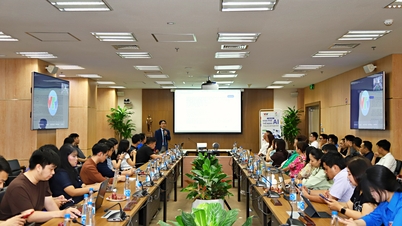
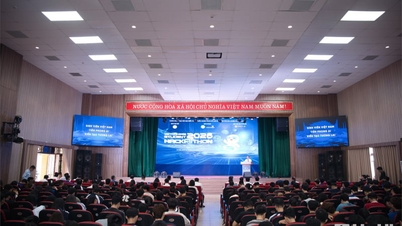
As of April 2026, the country will have 30 organizations granted High-Tech Enterprise Certificates; 13 organizations granted High-Tech Application Activity Certificates; and 1 organization granted a valid High-Tech Incubator Certificate. Currently, there are 20 science and technology exchange platforms being invested in, operated, and developed nationwide. On April 21st, the Ministry of Science and Technology organized a ceremony in Hanoi to commemorate World Innovation Day 2026, with approximately 300 delegates in attendance, contributing to spreading the spirit of innovation among businesses, research institutes, universities, and society as a whole.
In April 2026, the rate of online applications across the entire process reached 46.1%; of which the ministerial level achieved 67.85%, and the provincial level achieved 18.87%. The total number of transactions through the National Data Integration and Sharing Platform (NDXP) reached 4.369 billion; from the beginning of the year to April 18th alone, there were 356.9 million transactions, averaging approximately 3.6 million transactions per day. Nationwide, 29.498 million digital signature certificates were issued, equivalent to 42.63% of the adult population. This is an important platform for promoting digital transactions, e-commerce, and online public services.
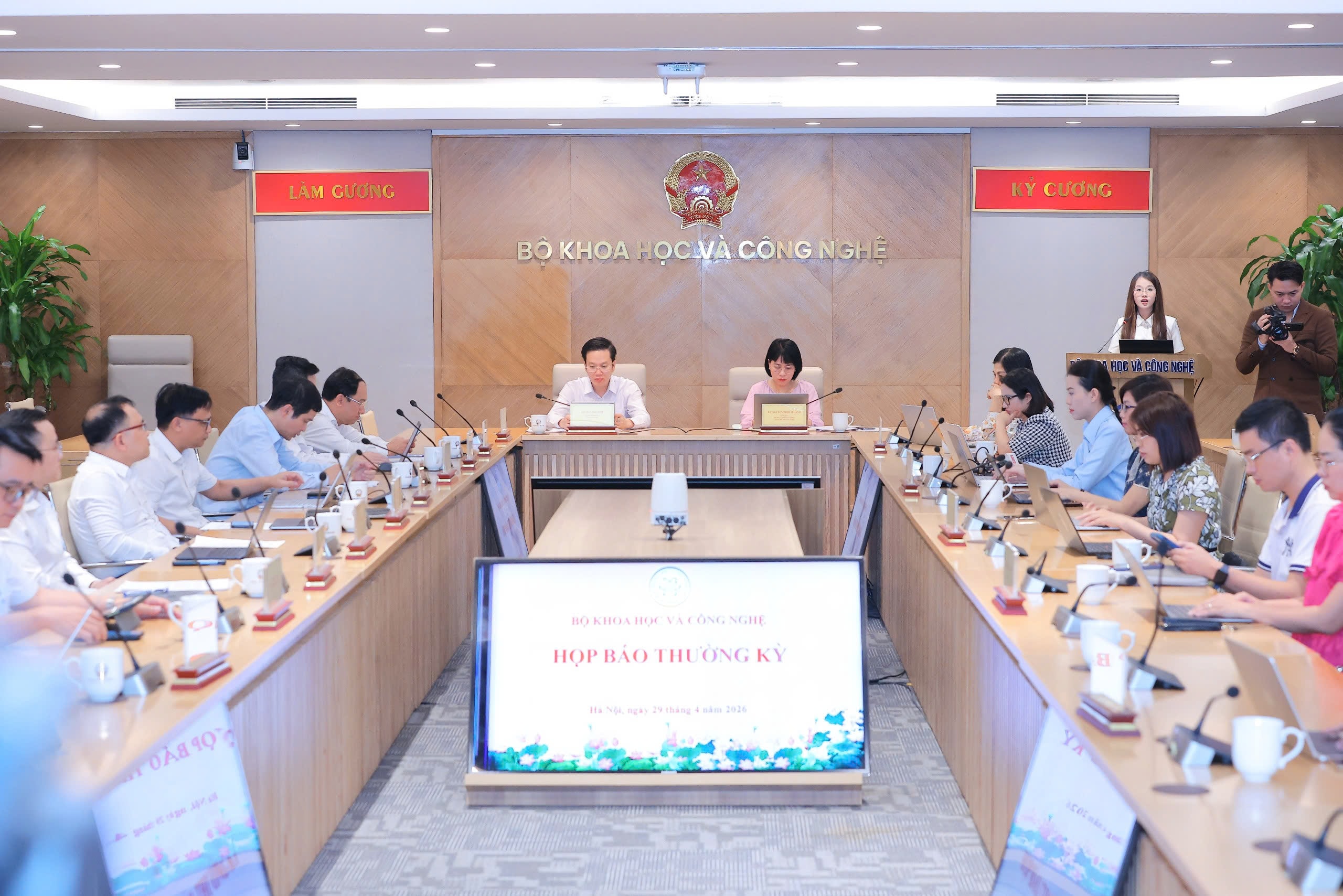
The Ministry of Science and Technology is finalizing the draft Decree detailing the implementation of the Law on Artificial Intelligence to be submitted to the Government; submitting to the Prime Minister the list of datasets serving the development of AI in essential fields; and updating the National Strategy on research, development and application of AI until 2030.
Digital infrastructure, the digital technology industry, and specialized management fields continue to thrive.
Vietnam currently has 110.5 million mobile broadband internet subscribers. The percentage of households using fiber optic cable reached 85.8%; the IPv6 usage rate reached 65%; the total number of national ".vn" domain names reached 690,436, an increase of 5.3% compared to the same period. The Ministry of Science and Technology has completed the development of the 5G network deployment plan by 2030; continues to address areas with weak signal coverage, and strengthens the management of unregistered and fraudulent SIM cards.
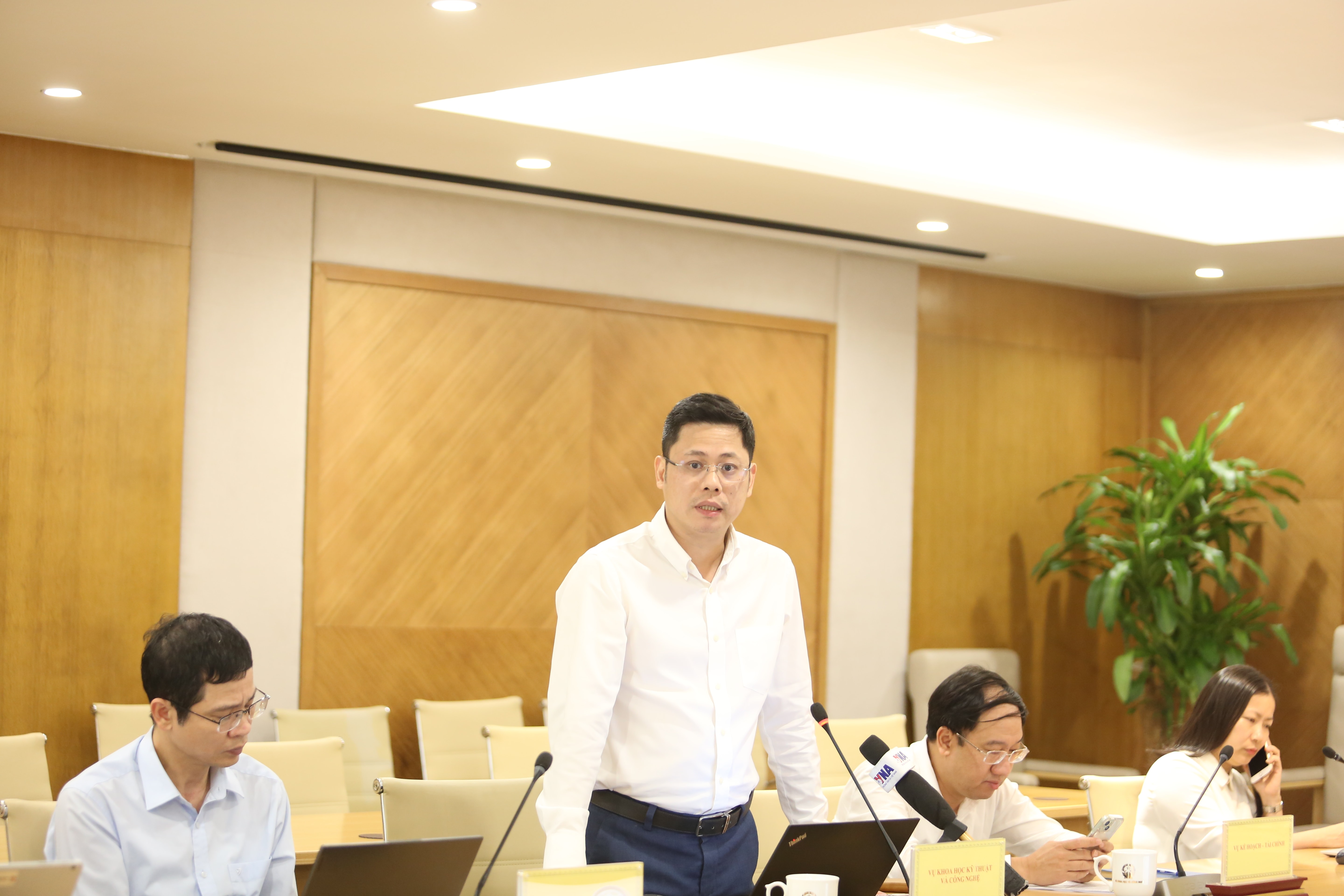
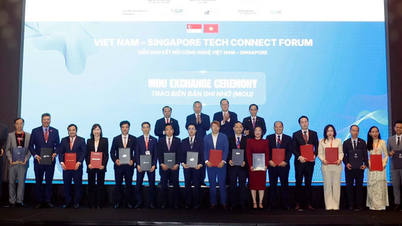
In the digital technology industry sector, revenue in April 2026 is estimated at VND 622,402 billion, a 38% increase compared to the same period last year. Exports of digital technology products reached US$20,296 million, a 39.6% increase; after-tax profit reached VND 44,491 billion; and contributions to the state budget amounted to VND 8,228 billion. Currently, there are approximately 80,052 active digital technology businesses nationwide. The Ministry has signed a Memorandum of Understanding with KFabless to support the development of Vietnam's semiconductor ecosystem.
In April 2026, postal revenue reached VND 7,900 billion; the volume of postal items reached 480 million. In the field of intellectual property, April saw the receipt of 13,802 industrial property applications, the processing of 20,009 applications, and the granting of 6,356 protection certificates. In the field of standards, measurement, and quality, 39 draft national standards were reviewed; 51 national measurement standards were maintained, and 222 professional assessments were conducted.
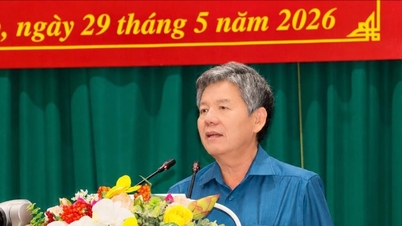
Speaking at the press conference, a representative from the Ministry of Science and Technology stated that in May 2026, the Ministry will continue to focus on implementing key tasks to concretize Resolution No. 57-NQ/TW, especially building a specific mechanism for strategic technologies, a mechanism for the State to order and purchase first-generation products, a controlled testing mechanism (sandbox), and finalizing important draft laws.
Source: https://daibieunhandan.vn/tap-trung-xay-dung-co-che-dac-thu-cho-cong-nghe-chien-luoc-10415344.html
![[Photo] Ba Lang An Lighthouse - the "eye of the sea" amidst the "rock museum" of Quang Ngai province.](https://vphoto.vietnam.vn/thumb/1200x675/vietnam/resource/IMAGE/2026/05/29/1780038698840_anh-man-hinh-2026-05-29-luc-14-10-42.png)



![[Image] Pleasant weather helps students enter the 10th grade entrance exam with confidence.](https://vphoto.vietnam.vn/thumb/1200x675/vietnam/resource/IMAGE/2026/05/29/1780034401612_ngay-1-thi-lop-10-minh-duy-8-5009-jpg.webp)











































































Comment (0)