

Low flood safety capability
According to reporters' observations, in the districts of Dien Chau, Quynh Luu, and Hoang Mai town, many flood control dikes, after years of operation, are now deteriorating and pose a potential safety risk when the rainy season arrives.
Following the shrimp ponds, we arrived at the Mai Giang river dike passing through Quynh Thanh commune (Quynh Luu district). Currently, many sections of the dike have deformed cross-sections, eroded slopes, and worn-out crests.
Mr. Tran Minh, a shrimp farmer in Quynh Thanh commune, shared: "Every rainy season, the people of Quynh Thanh commune feel uneasy and worried when floodwaters inundate houses and shrimp ponds, causing significant damage. The biggest wish of the people is for the authorities to invest in upgrading the dike system to make it more robust."

Mr. Ho Xuan Xuyen, Chairman of the People's Committee of Quynh Thanh commune, said: The Mai Giang river dike runs through the commune for a length of 3.2 km. This dike system plays a very important role in protecting 75 hectares of shrimp farms in Quynh Thanh commune and thousands of households in neighboring communes such as Quynh Thach, Quynh Doi, and Quynh Hau. However, currently, most of it has deteriorated, and there are 3 locations where landslides have occurred. At times, large floods have overflowed the Mai Giang river dike, causing flooding on National Highway 1A in the section passing through Quynh Thach commune.
Similarly, the dike along the Thai River passing through the communes of Quynh Dien, Quynh Hung, Quynh Hong, etc., is also severely degraded; some sections in Quynh Dien commune lack flood control dikes. Just one heavy, prolonged rainstorm is enough to cause the Thai River to rise and flood the fields and houses of the local people.
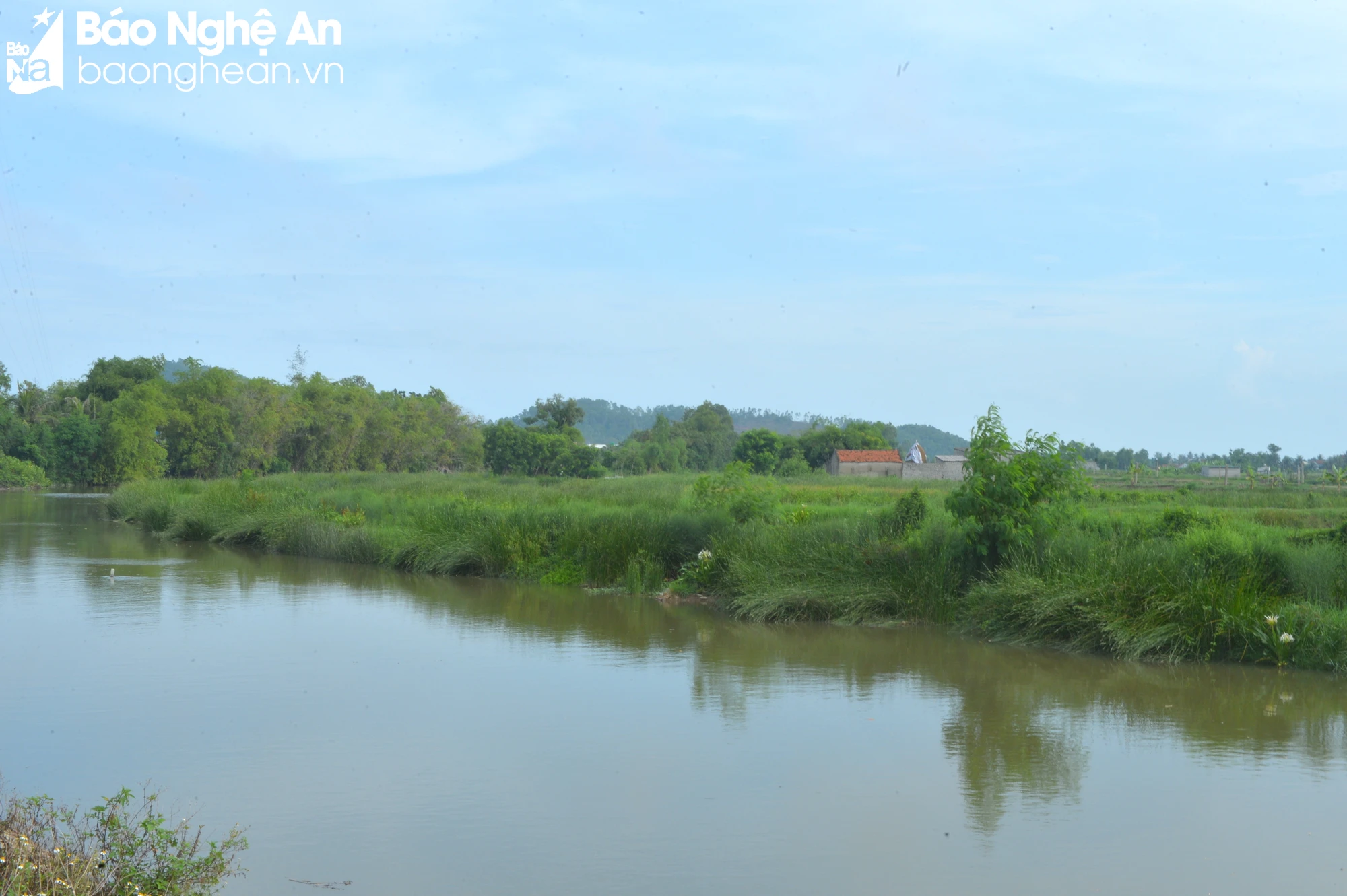
According to a report from the People's Committee of Quynh Luu District: The river dike system in the district is over 50 km long, including the Thai River dike, the Mo River dike, the Ben Hai drainage canal dike, and the Hau River dike. Currently, these river dikes are mainly constructed of earth without reinforcement, only able to withstand high tides and storms of level 6 and 7, with river water levels reaching up to 2.5m.
In order to gradually strengthen the dike system, from 2020 to the present, integrating various funding sources, Quynh Luu district has upgraded 5 km of the Thai River dike in the two communes of Quynh Hung and Quynh Hong. From 2021 to the present, Quynh Luu district has been upgrading 5 km of the Mai Giang River dike passing through the communes of Quynh Luong and Quynh Bang. Accordingly, the dike is being reinforced with stone embankments, retaining walls, and concrete roads along the dike body, and the work has now reached over 80%.
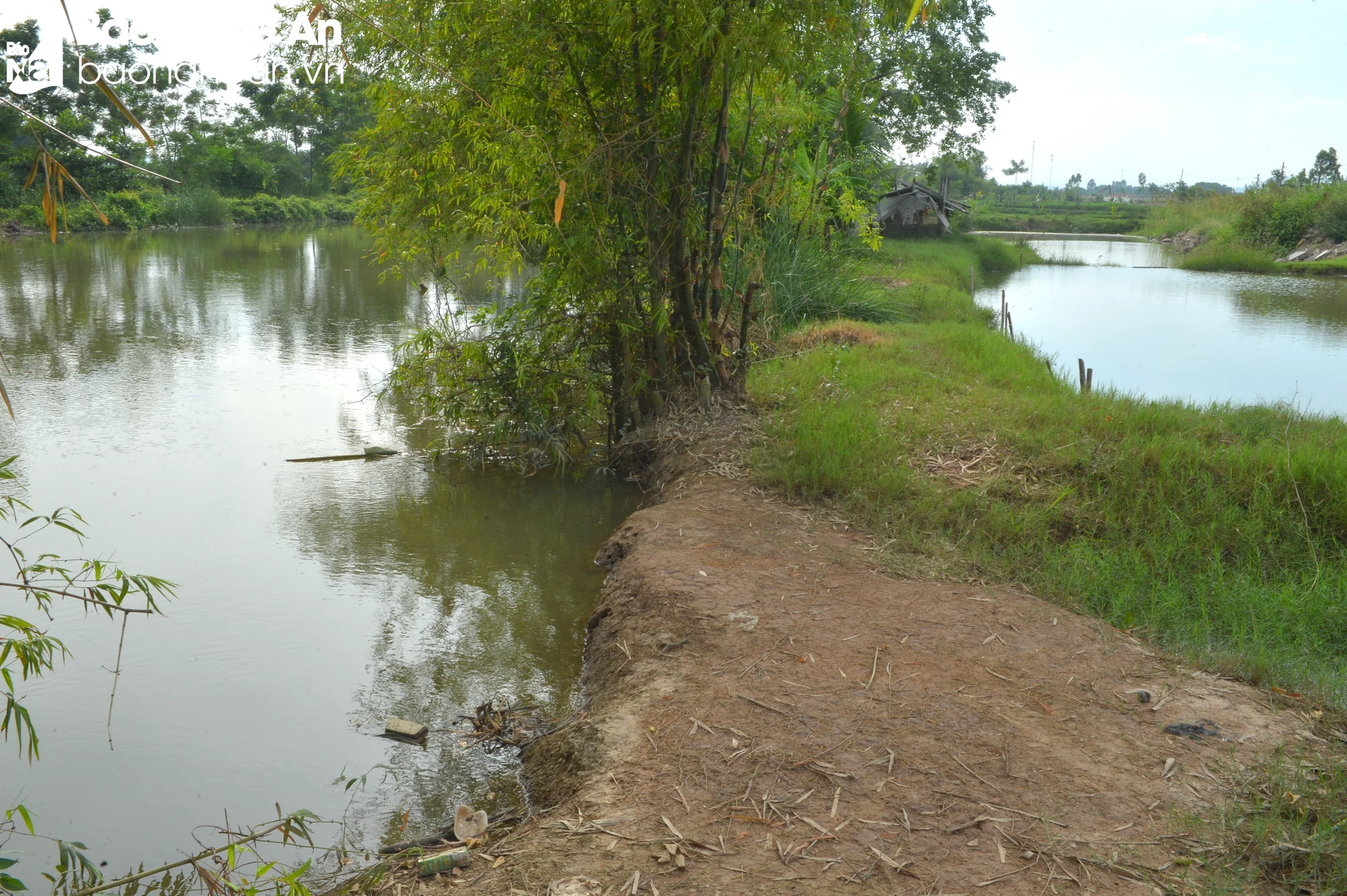
With its coastal dike system, Quynh Luu district has over 20 km of dikes, of which more than 5 km have been upgraded. Currently, over 15 km of dikes are in disrepair and need to be repaired.
Similarly, Dien Chau district currently has over 45 km of river dykes, concentrated in the communes of Dien Hoa, Dien Quang, Dien Binh, and Dien Thai, most of which have not been upgraded or repaired. In addition, the district has over 15 km of sea dykes, but only 7 km have been upgraded, with the rest remaining damaged.
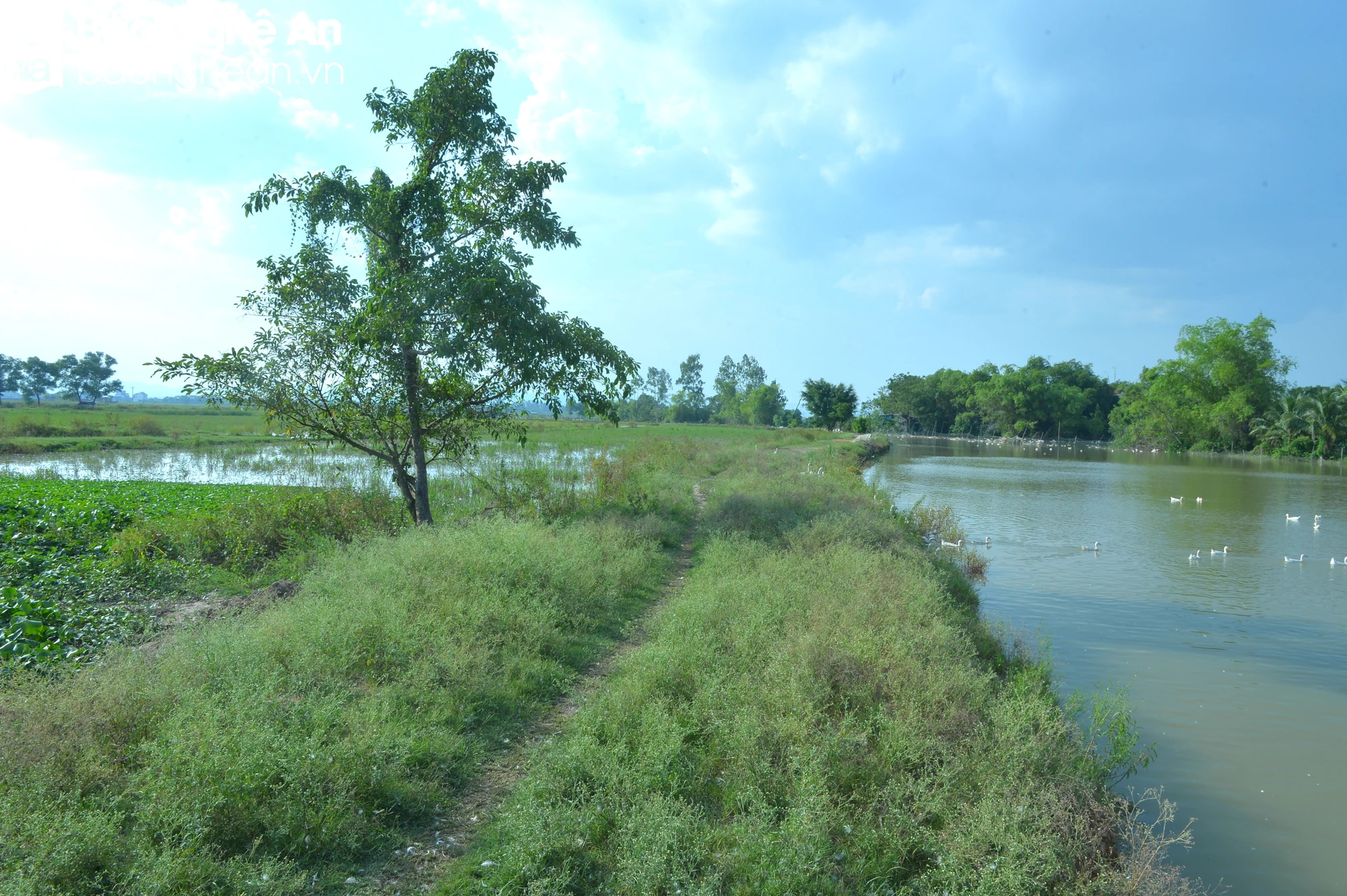
Responding during the rainy season and floods.
According to a report by the Department of Irrigation, Nghe An province has a river mouth dike system with a total length of 129.19 km. These dikes are responsible for flood control in the estuaries of the Mai Giang, Hoang Mai, Thai, and Bung rivers. In addition, Nghe An also has 41.783 km of coastal dikes stretching from Quynh Lap commune, Quynh Luu district to Cua Hoi (Nghi Hai ward, Cua Lo town).
In recent years, many critical dike sections in Nghe An province have been invested in and repaired, basically meeting the requirements for flood control. However, the investment has not been synchronized and comprehensive, so there are still more than 100 km of river dikes and more than 10 km of sea dikes that do not meet flood protection standards according to the design elevation; in particular, many sections have weak dike foundations, causing landslides during heavy rains and floods, and the dike bodies contain many hidden hazards such as termite nests and rat burrows...
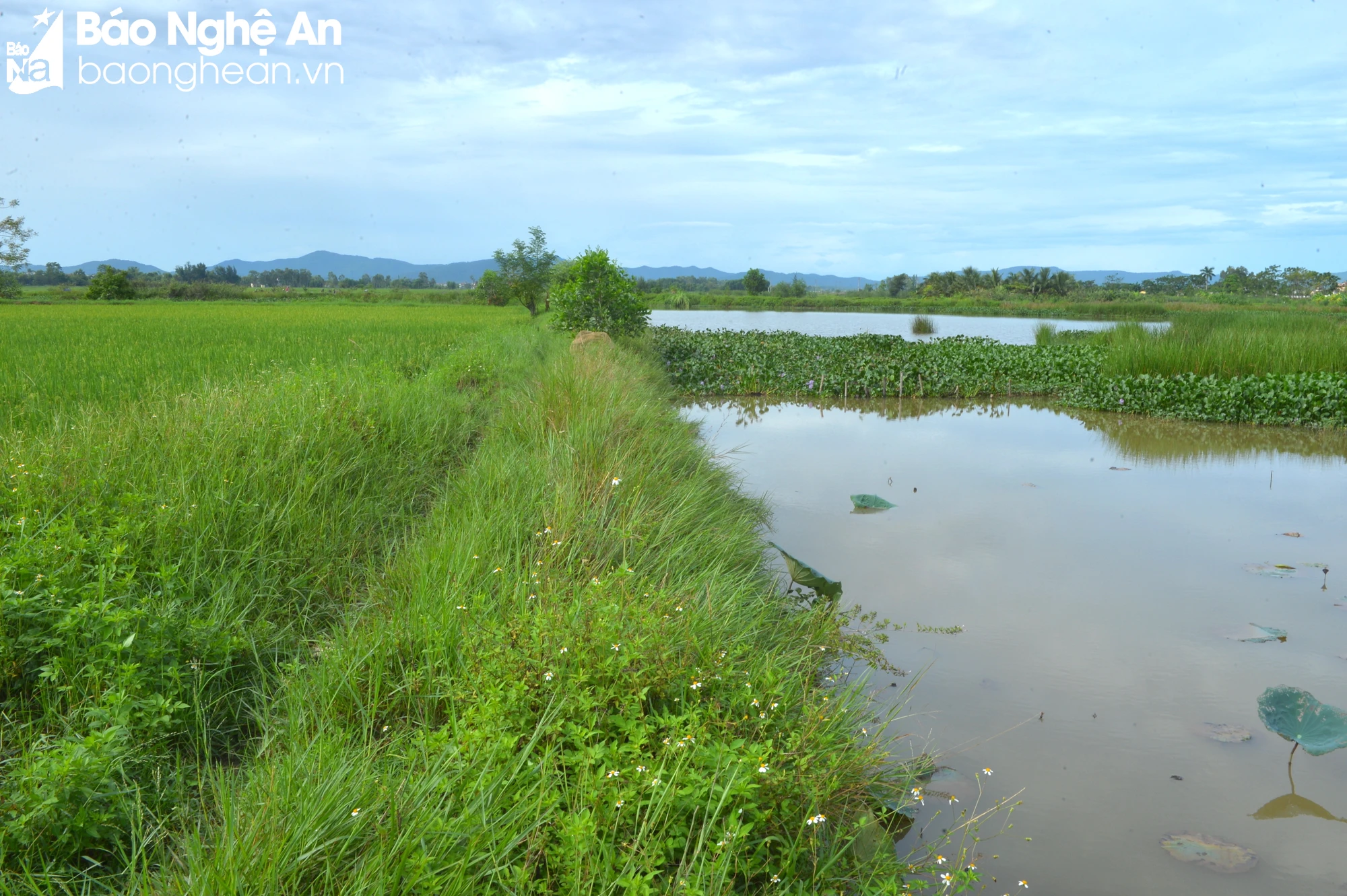
To ensure safety during the rainy season and floods, the Irrigation Sub-Department recommends that localities review and identify damaged areas to coordinate timely response plans during forecasts of heavy rainfall; and develop plans for safe relocation of residents . Prepare a "four-on-the-spot" plan with materials, personnel, and equipment to handle incidents when necessary. Specifically, prepare and stockpile stones, bamboo stakes, and sandbags to be ready to respond in case the dike breaks.
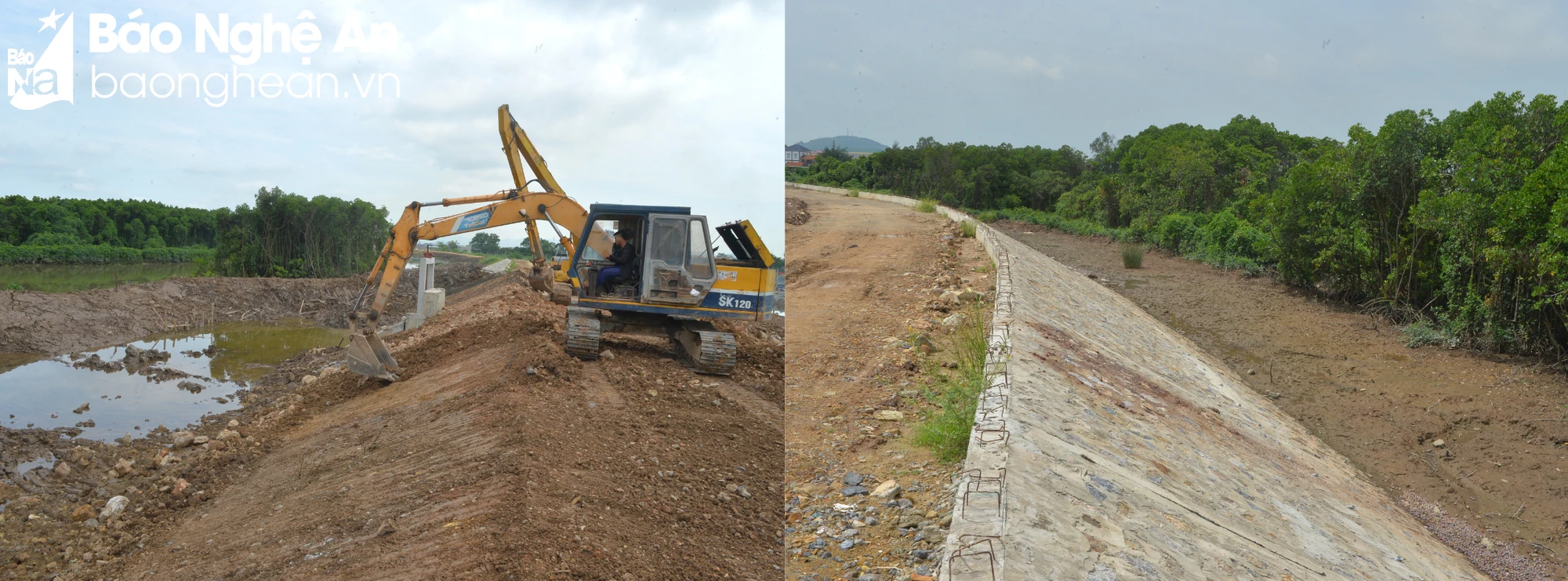
Local authorities are strengthening inspection and monitoring forces to detect dike incidents early and handle and respond immediately, especially at vulnerable dike locations. They are developing scenarios and plans, organizing the timely mobilization of forces to respond and quickly mitigate the consequences, ensuring the early stabilization of life, production, and reconstruction after natural disasters.
At the same time, localities are focusing on urging contractors to complete unfinished projects, accelerating construction progress, especially flood control projects, ensuring quality and adhering to technical procedures to ensure timely completion for flood and storm prevention in 2023.
Source





















![[Video] Sunset at Lap An Lagoon – Where the sun sets over the fishing nets](https://vphoto.vietnam.vn/thumb/340x192/vietnam/resource/IMAGE/2026/05/31/1780192137701_beach-landscape-sea-water-nature-grass-745871-pxhere-com.jpeg)





![[Photo] The General Secretary, President and his wife lay flowers at the Ho Chi Minh Monument in Manila.](https://vphoto.vietnam.vn/thumb/1200x675/vietnam/resource/IMAGE/2026/05/31/1780219759477_anh-man-hinh-2026-05-31-luc-16-29-07.png)








































































Comment (0)