

From China and the United States to the European Union, rice production is declining significantly while rice prices continue to rise, impacting the meals of 3.5 billion people globally, especially in the Asia- Pacific region, which consumes 90% of the world's rice.
Risk of rice shortage
Recently, experts from Fitch Solutions predicted that the global rice market risks experiencing its biggest shortage in two decades in 2023. They warned that such a shortage of one of the world's most widely grown grains would threaten rice importers.
In a report published in early April, Fitch Solutions predicted that rice prices would remain at their current high levels until 2024. Specifically, the average price of rice was projected to be $17.3/cwt in 2023 and decrease to $14.5/cwt in 2024. Cwt is a unit of measurement for several commodities, including rice.
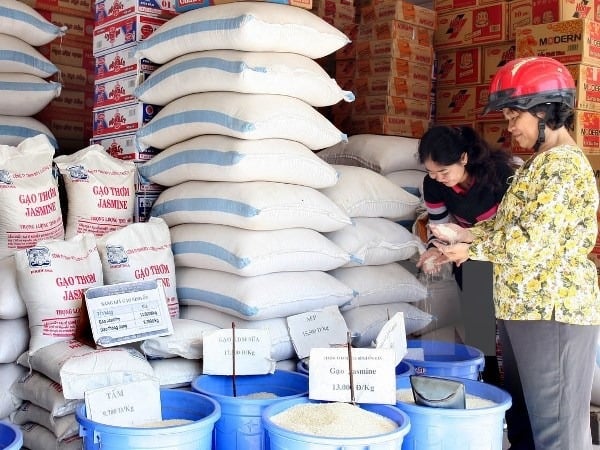
The shortage of rice production has caused global rice prices to rise. Photo: VNA
The Fitch Solutions report also forecasts a global rice market deficit of approximately 8.7 million tons this year, the largest drop since the 2003-2004 period when the world rice market recorded a decline of 18.6 million tons.
"At the global level, the most obvious impact of the rice shortage is that rice prices have been and remain at their highest levels in the past decade," said expert Charles Hart.
"Because rice is a staple food in many Asian markets, the price of rice is considered a key factor determining food inflation and food security, especially for poor households," Hart added.
What is the cause?
The risk of a global rice shortage this year is partly due to the Russia-Ukraine conflict and extreme weather events affecting major rice-producing countries like Pakistan and China.
In the latter half of 2022, many agricultural lands in China, the world's largest rice producer, were affected by flooding and heavy summer rains. According to agricultural analytics firm Gro Intelligence, cumulative rainfall in Guangxi and Guangdong provinces, major rice-producing centers in China, recorded the second-highest levels in at least 20 years.
Meanwhile, in Pakistan, a country accounting for 7.6% of global rice trade, annual rice production has also decreased by 31% compared to the same period last year due to severe flooding. The US Department of Agriculture also stated that the impact of the floods on Pakistan's agriculture is far greater than initially estimated.
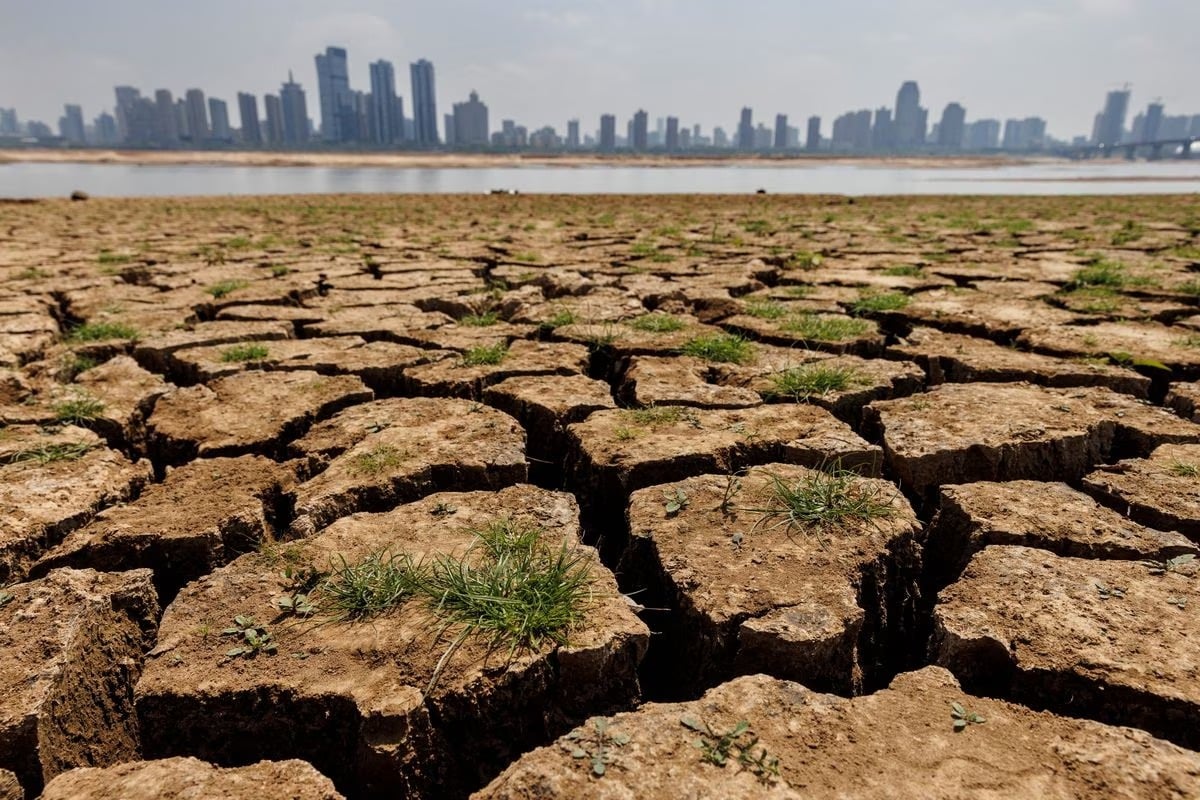
The severe drought has had a serious impact on rice production. Photo: Reuters
Furthermore, expert Hart pointed out that the rice shortage partly stems from "China's annual harvest decline due to intense heat and drought."
According to a scientific study, rice is the most vulnerable crop and has the highest risk of crop failure when El Niño occurs.
Despite the challenges posed by limited supply, rice has become an increasingly attractive alternative after prices of other staple grains soared since the conflict in Ukraine erupted in 2022, driving up demand for rice as a substitute food source.
Oscar Tjakra, a senior expert at the global food and agriculture bank Rabobank, said that declining annual rice production in other countries such as the US and the EU is also contributing to the shortage.
"The decline in global rice production will increase import prices for major rice-importing countries such as the Philippines, Indonesia, Malaysia, and African nations," expert Tjakra said.
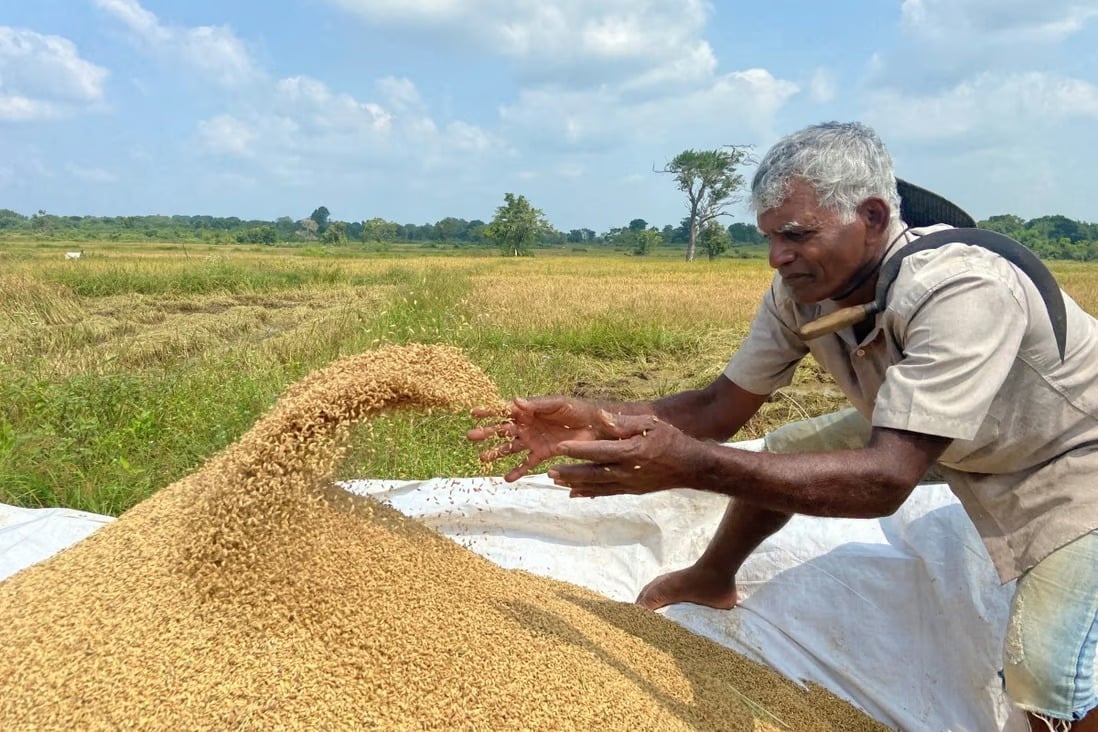
Increased global rice production will drive up import prices for major rice-importing countries. Photo: Reuters
Is it just a temporary effect?
Kelly Goughary, an expert at Gro Intelligence, also stated that many countries will be forced to reduce their domestic stockpiles. She also suggested that countries heavily impacted by rice shortages will be those facing high domestic food inflation, such as Pakistan, Türkiye, Syria, and several African nations.
Meanwhile, expert Hart noted that the global rice export market, which is already tighter than other grains, has been affected by India's export restrictions. The South Asian nation imposed a ban on rice exports last September, leading some analysts to believe that move "is a factor driving up rice prices."
However, the global rice shortage will soon pass as Fitch Solutions predicts the rice market will return to "a near-balanced state between 2023 and 2024".
This could cause future rice prices to fall to 2022 levels, but this price is still more than a third of the average price during the 2015-2019 period, "partly due to replenished inventories after a period of widespread capital withdrawal."
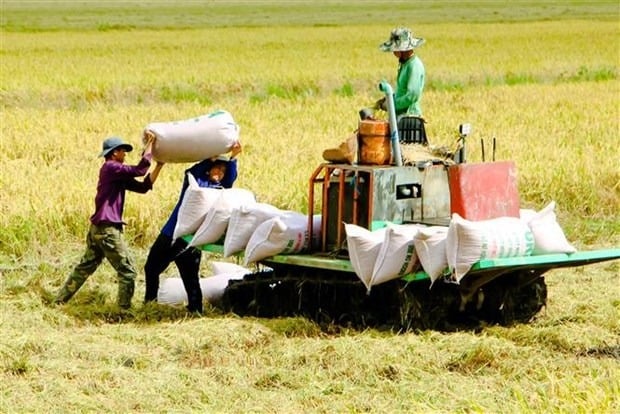
A report by Fitch Solutions predicts the rice market will return to a surplus in 2024-2025. Photo: VNA
The report also predicts that the rice market will return to a surplus in 2024-2025 and then continue to ease in the medium term, while estimating that rice prices could fall by nearly 10% to $15.5/100kg by 2024.
According to the report, global rice production is expected to recover strongly in 2023-2024, with total rice output projected to increase by 2.5% year-on-year, and India identified as the "main engine" of global rice production for the next five years.
However, rice production remains dependent on weather conditions. The Indian Meteorological Department expects the country to receive “average” rainfall, but forecasts of intense heat and heatwaves in the second and third quarters of 2023 continue to pose a threat to India’s wheat harvest.
Other countries are not immune to these impacts. For example, China, the world's largest producer of rice and wheat, is currently experiencing the worst drought in its major agricultural regions in two decades. In addition, major rice-producing countries in Europe such as France, Germany, and the UK are also suffering from the worst drought in 20 years.
Vinh Khang (CNBC)
Source





















































































Comment (0)