

Ethics and responsibility in AI operations
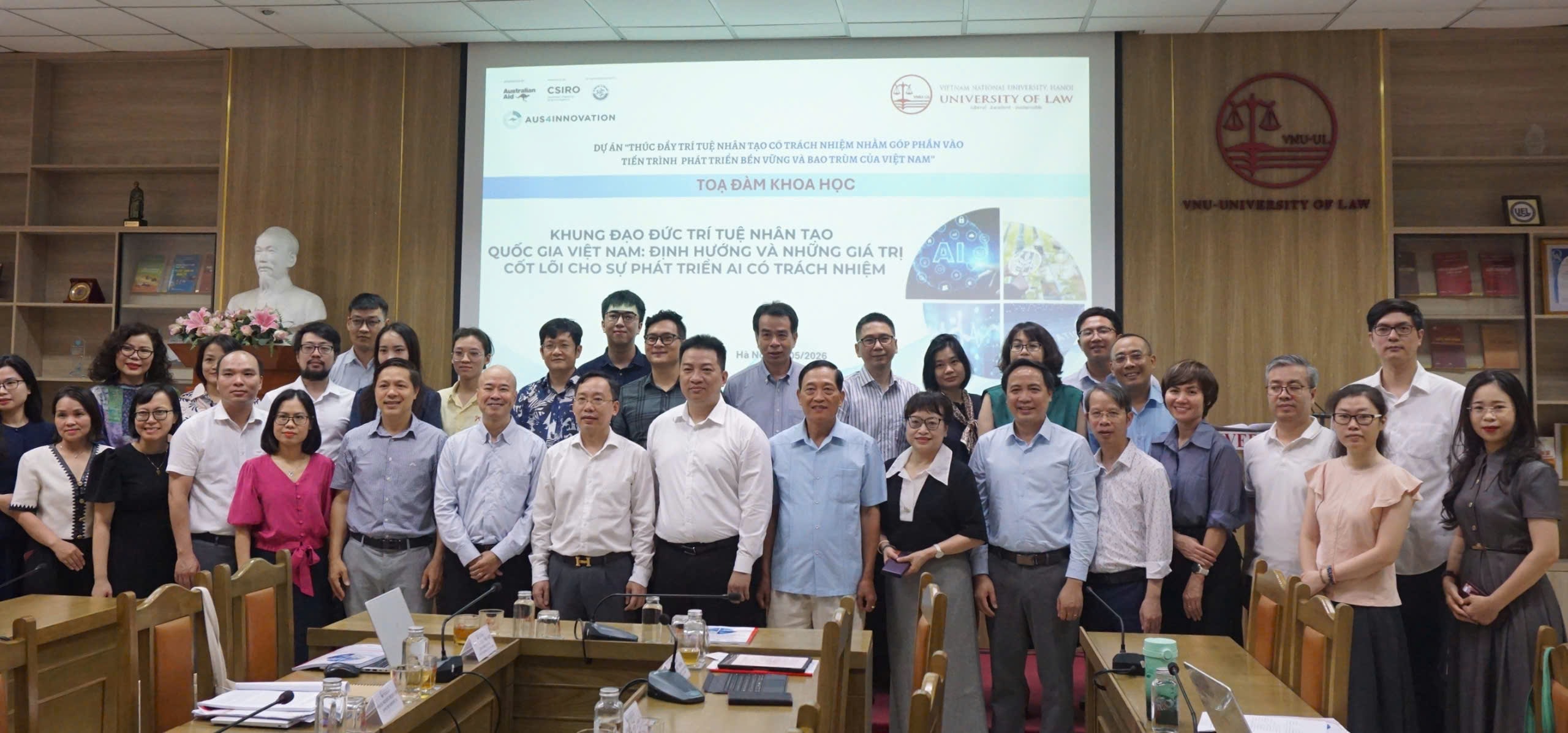
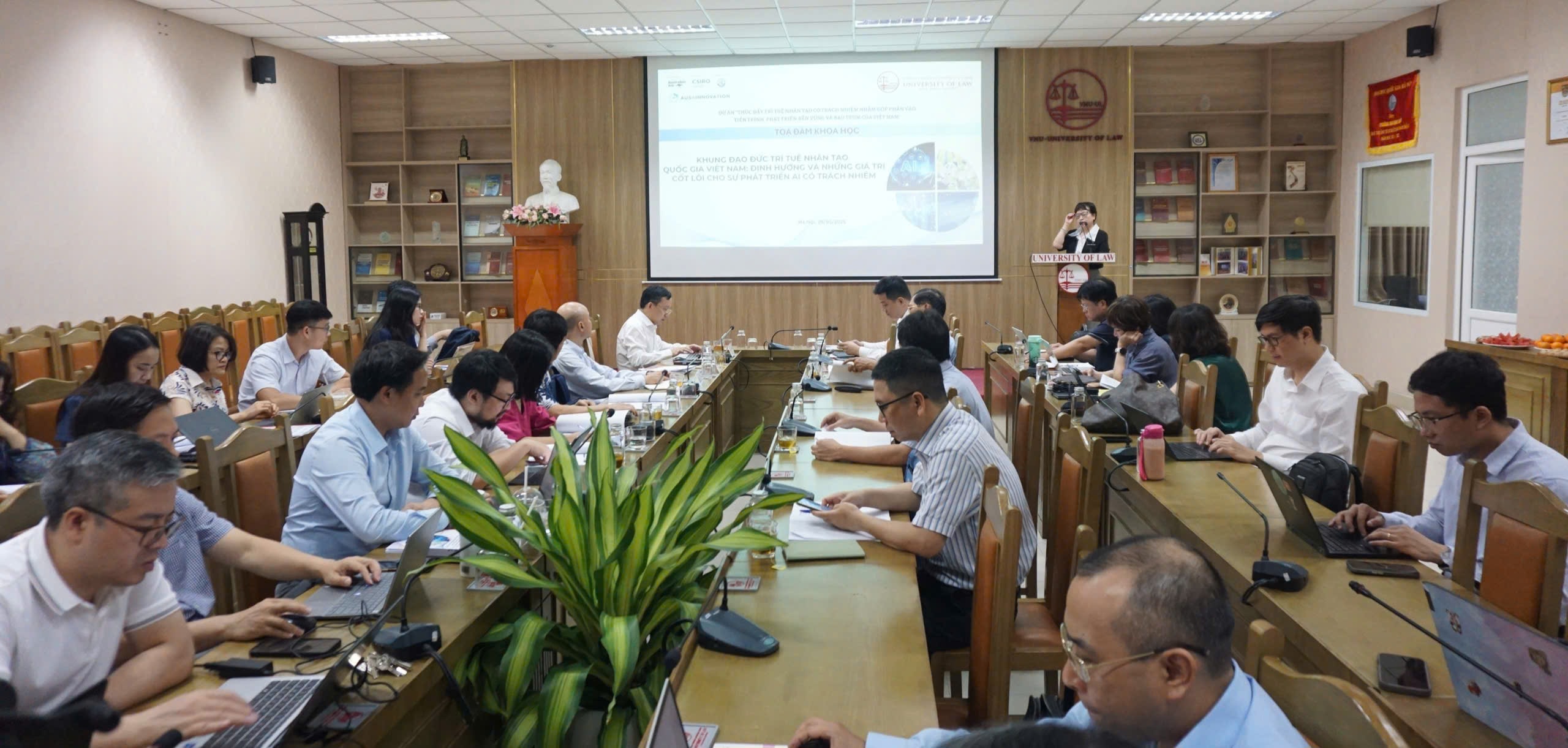
On the morning of May 26th, the Faculty of Law, Vietnam National University, Hanoi, organized a seminar titled "Vietnam's National Artificial Intelligence Ethics Framework: Orientations and Core Values for Responsible AI Development". The seminar was attended by experts and scientists from agencies of the National Assembly, ministries, departments, and training and research institutions.
Vietnam's policy and legal framework for science, technology, and innovation has undergone significant transformation. The enactment of the Artificial Intelligence Law in 2025 is considered a cornerstone. The law adopts a risk-based approach, classifying AI according to risk levels (unacceptable, high risk, low risk), similar to international trends but with adjustments to suit Vietnam's digital economy . Chapter V of the law dedicates itself to ethics and responsibility in AI activities.
Based on that, the National Artificial Intelligence Ethics Framework was also issued under Circular 05/TT-BKHCN (March 10, 2026). According to Assoc. Prof. Dr. Nguyen Thi Que Anh, former Rector of the Faculty of Law, Vietnam National University, Hanoi , this is an important milestone in shaping a safe, reliable, and humane AI ecosystem.
However, translating the guiding principles of the National Framework into specific action procedures at each organization, enterprise, and research project remains a challenge requiring the collaborative efforts of managers, scientists, and leading experts.
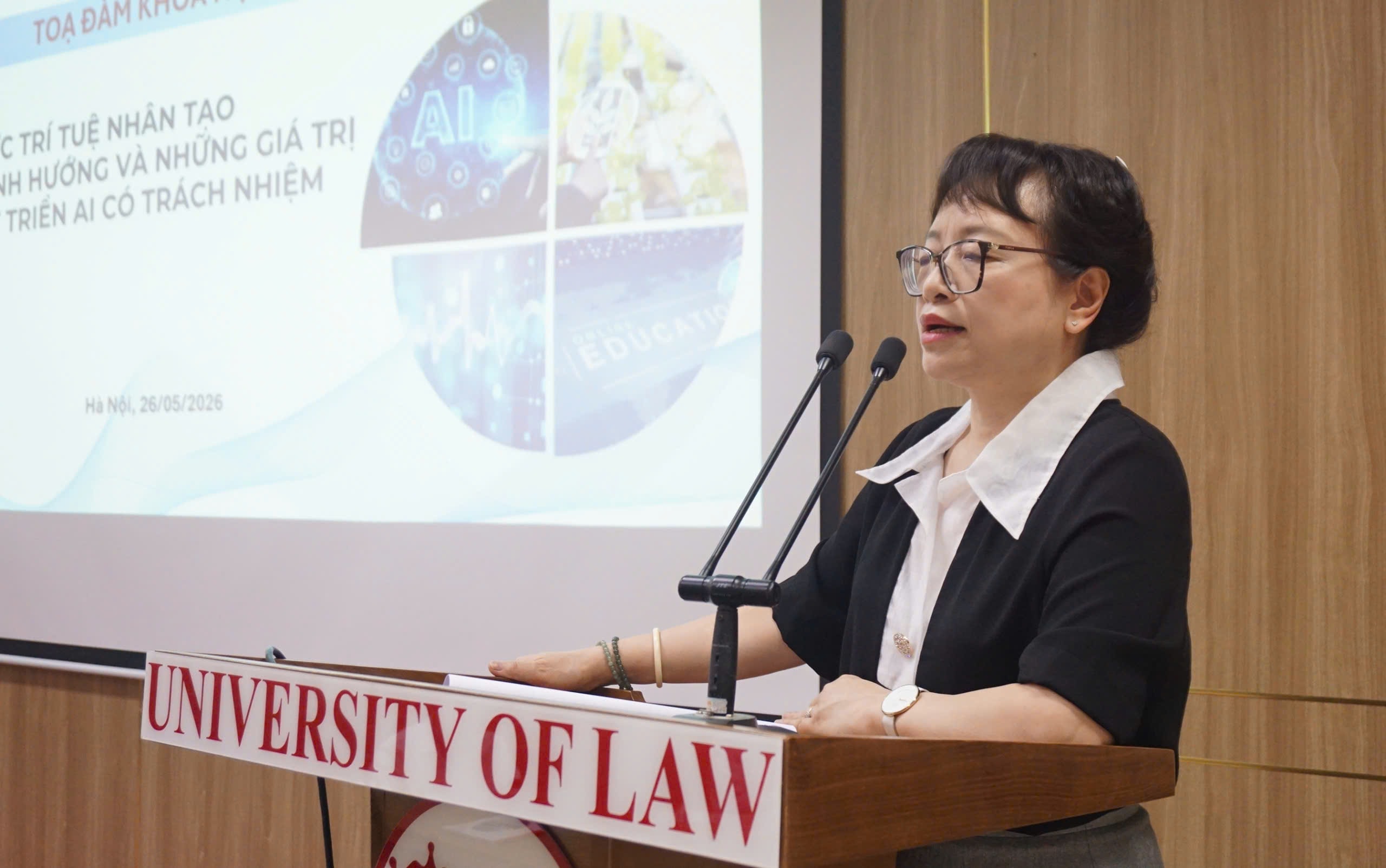
Based on the practical implementation of the project "Research on developing principles and guidelines for responsible artificial intelligence (RAI) in Vietnam," Associate Professor Dr. Nguyen Thi Que Anh believes that the AI ethical framework has established progressive principles but lacks technical standards. Concepts such as "safety," "sustainability," and "human control" need to be transformed into criteria, processes, and specific verification tools tailored to the technological context in Vietnam.
Accordingly, establishing an ethical impact assessment process is a mandatory self-control mechanism to identify and prevent potential risks from the initial research idea stage to actual operation. Building a "system log" and standardizing traceability helps to transparently manage AI system decisions, serving the accountability of all stakeholders.
Establish a responsible national-scale model for collaborative training, research, and application of artificial intelligence. Simultaneously, promote inclusive innovation that serves the community.
“Innovation is not just about creating the newest tools, but about creating the most useful and accessible tools. We need to translate principles into technical standards that regulate testing and human governance mechanisms. Because ultimately, AI is for humans, by humans, and created by humans,” said Associate Professor Dr. Nguyen Thi Que Anh.
Creating a safe, reliable, and humane AI ecosystem.
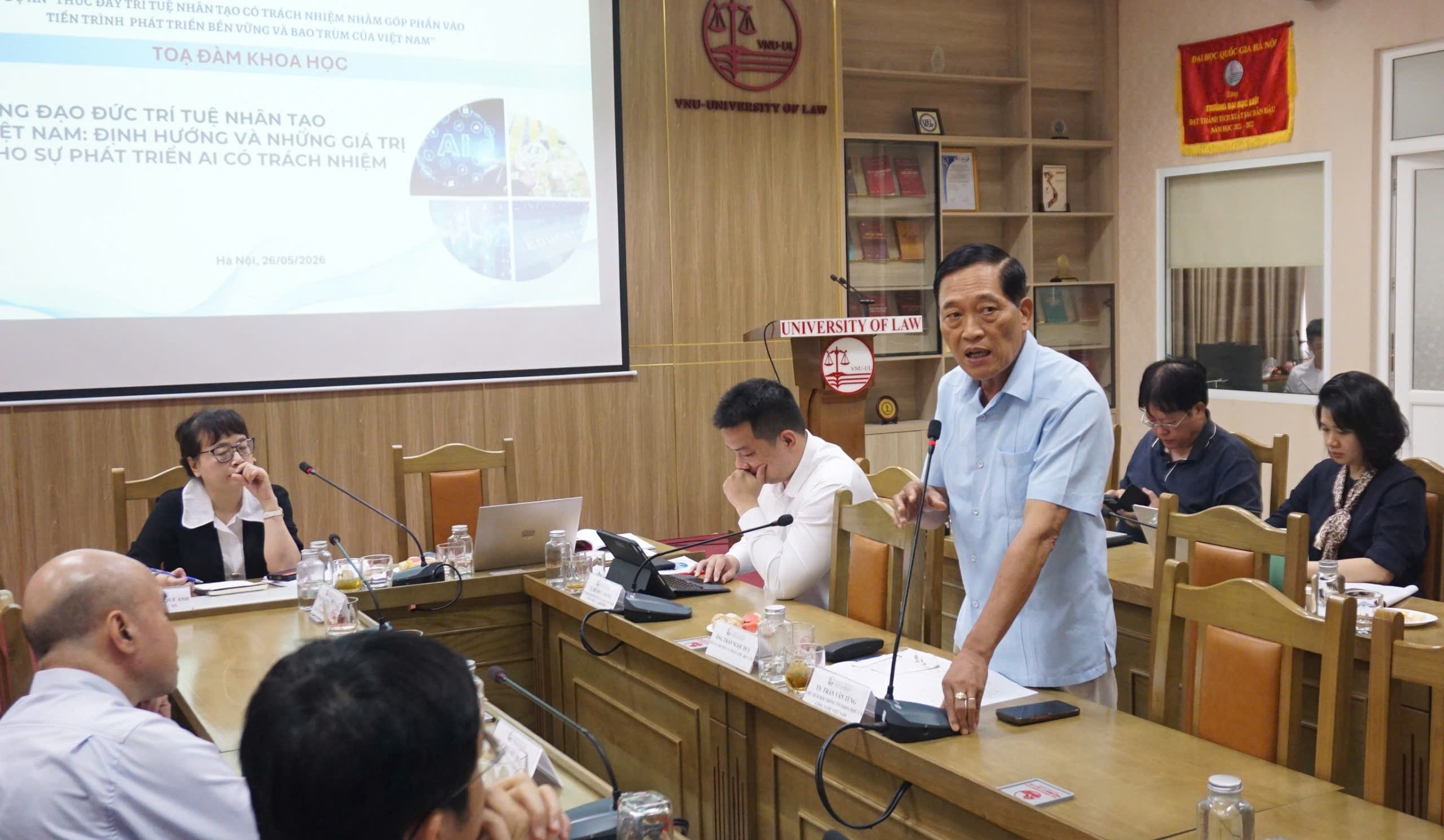
According to Dr. Tran Van Tung, Chairman of the Vietnam Association for Scientific and Technological Information, no one can deny the positive role and contributions of AI, but the question remains how to overcome its limitations and negative aspects.
"How to use AI, how wisely, and how to use it effectively… requires supporting tools. Besides legal frameworks, at this stage, we need to focus on training and development so that people can master AI, creatively apply AI intelligently, productively, and efficiently," Dr. Tran Van Tung pointed out.
Who will AI serve, what will it serve, and within what value limits will it serve? Dr. Ho Duc Thang, a National Assembly representative working full-time on the Committee on Culture and Society, analyzes that this is not about making AI comply with regulations, but about making AI better for people, safer for society, more self-reliant for the nation, and for Vietnamese culture to be more clearly present in the digital age.
“The spirit is one of not panicking, not avoiding, but controlling and mastering. Ethics is not a barrier. Ethics is the safe brake. With a good brake, the Vietnamese technology vehicle can confidently accelerate,” emphasized Dr. Ho Duc Thang.
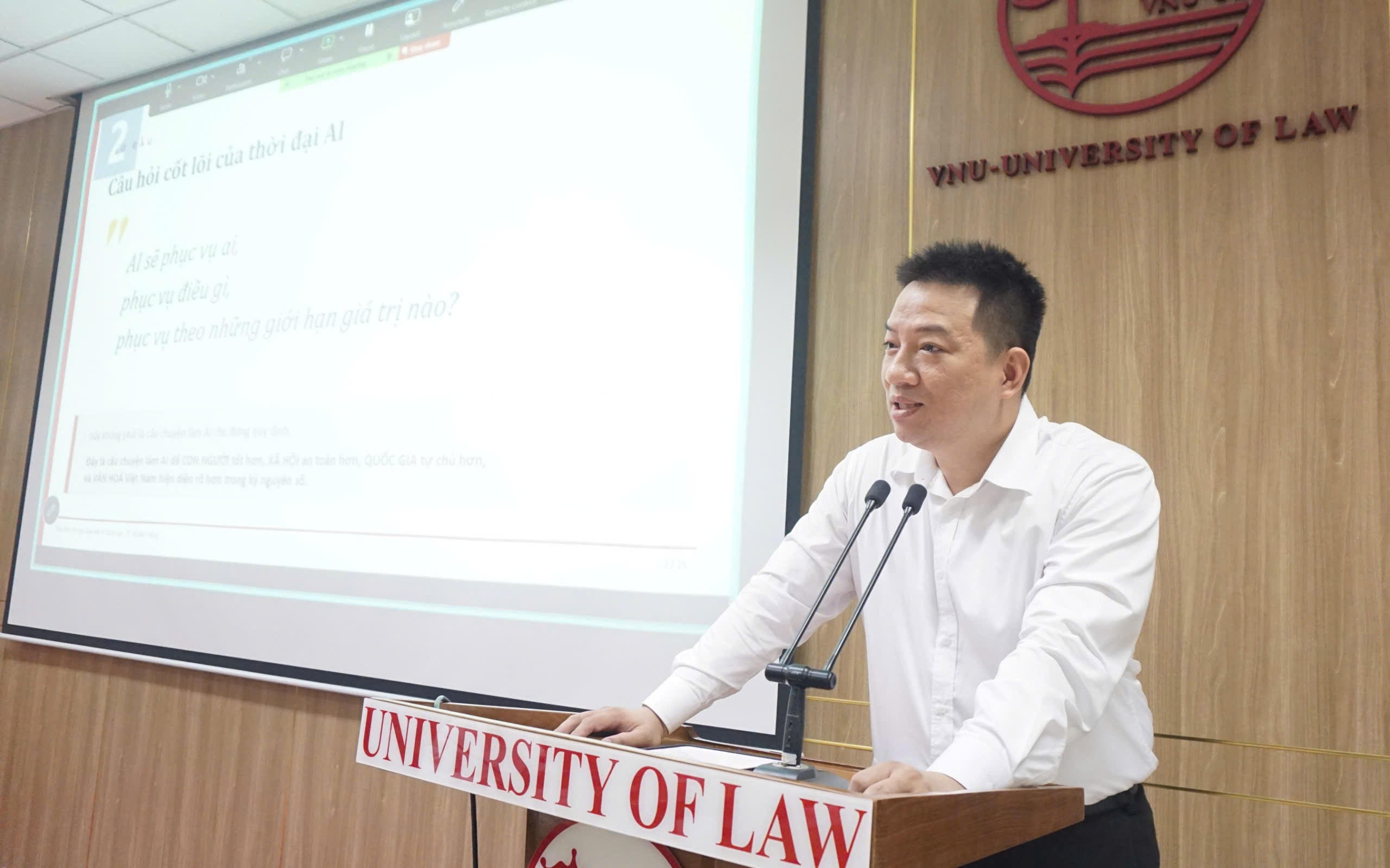
Article 26 of the Law on Artificial Intelligence stipulates the National Artificial Intelligence Ethics Framework with four fundamental principles, along with Circular No. 05/2026/TT-BKHCN, which forms an important legal basis for the responsible development of AI. Dr. Ho Duc Thang believes that in the future, AI development needs to be based on four pillars: data, evaluation, education, and governance.
Regarding data, there are three things Vietnam needs to do. These are: Strengthening the development of sovereign Vietnamese data (Vietnamese language, 53 ethnic languages, Han Nom script, folk songs, and inscriptions); Data zoning: Red Zone - Green Zone (restricted data and open data for research and innovation); and empowering citizens (their own data, according to the 2024 Data Law).
In terms of assessment, many methods of evaluating human capabilities can be used to assess AI. Regarding education, it is necessary to promote "everyone learning AI," upgrading human skills to master AI. In terms of governance, based on the Artificial Intelligence Law, it is necessary to apply management measures commensurate with the level of risk, as well as to refine standards, regulations, and mechanisms for controlled AI testing.
“These four pillars are geared towards one goal: Moving quickly but not recklessly; Going far but leaving no one behind; Integrating while preserving Vietnamese identity,” said Dr. Ho Duc Thang.
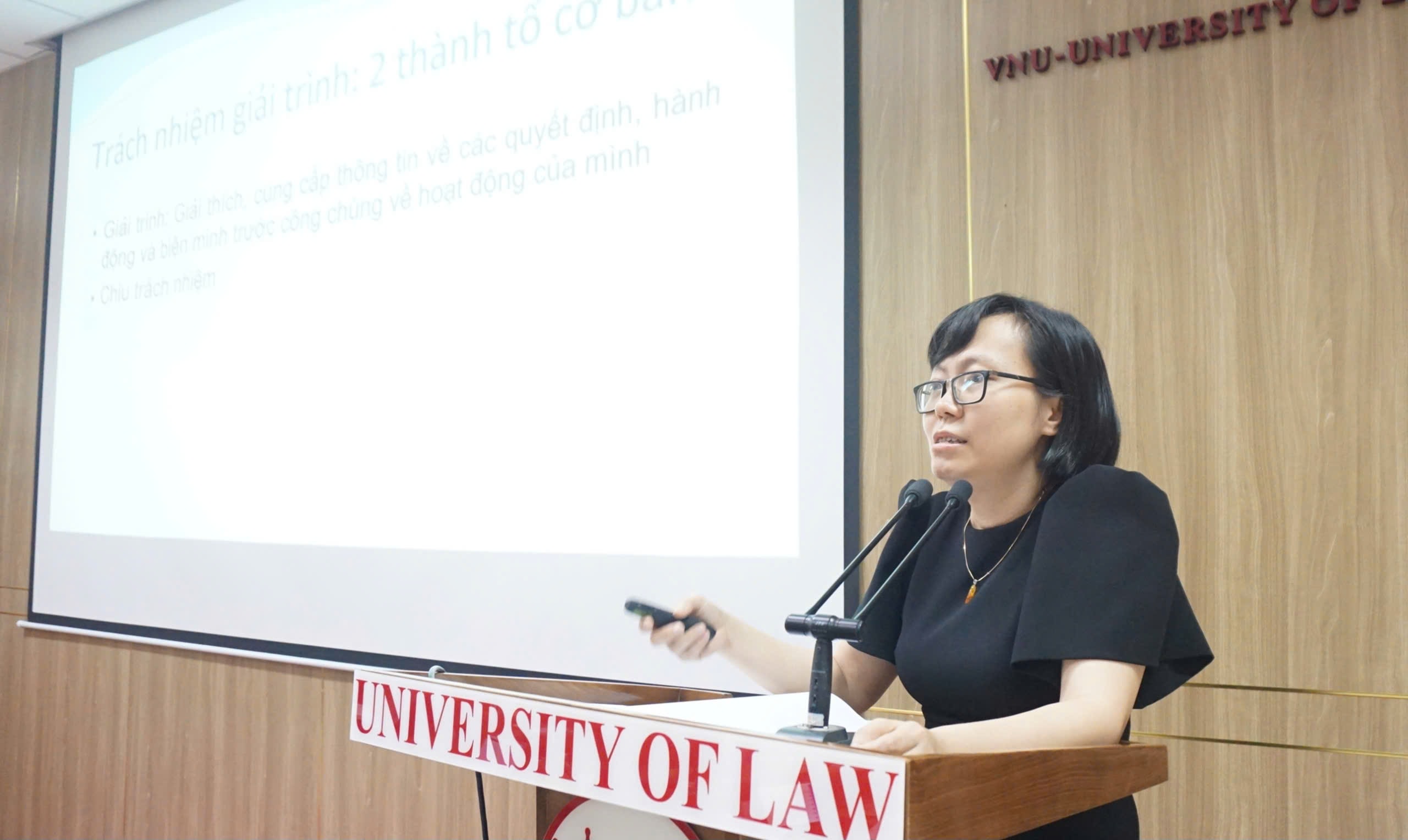
Based on a research commissioned by the Aus4 Innovation (A4I) program of the Australian National Science and Technology Agency (CSIRO), the Faculty of Law, Vietnam National University, Hanoi, implemented the project “Research on developing principles and guidelines on responsible artificial intelligence (RAI) in Vietnam” (October 2023 - December 2024). The results helped enhance the capacity of the Ministry of Science and Technology in developing policies on RAI. Simultaneously, it promoted meaningful policy discussions among stakeholders on how to effectively manage AI.
Building on this success, A4I and the Faculty of Law, Vietnam National University, Hanoi are continuing their collaboration on the project “Promoting responsible artificial intelligence to contribute to Vietnam’s sustainable and inclusive development”. This phase focuses on exploring how to apply the RAI Guidelines to specific areas.
Source: https://daibieunhandan.vn/thuc-day-phat-trien-tri-tue-nhan-tao-co-trach-nhiem-10418149.html

































![[Photo] Reception to welcome General Secretary and President To Lam and his wife on their State visit to the Philippines](https://vphoto.vietnam.vn/thumb/1200x675/vietnam/resource/IMAGE/2026/06/01/1780295488620_vna-potal-chieu-dai-chao-mung-tong-bi-thu-chu-tich-nuoc-to-lam-va-phu-nhan-tham-cap-nha-nuoc-toi-philippines-8798060-7855-jpg.webp)
































































Comment (0)