

E-cigarettes target young people.
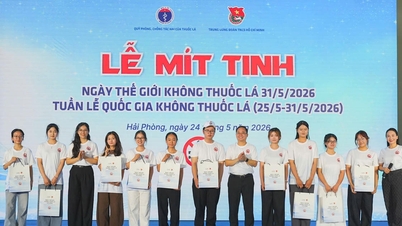
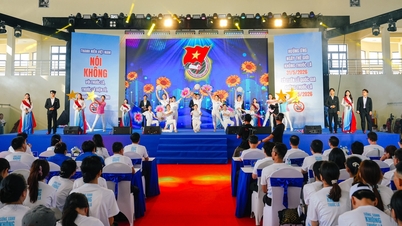
In response to World No Tobacco Day on May 31, 2026, the Tobacco Control Fund ( Ministry of Health ) is organizing a workshop to update information on this year's World No Tobacco Day theme and the implementation of tobacco control policies in Vietnam.
According to the Tobacco Harm Prevention Fund, disguised forms of promotion in the digital environment, social media, through celebrities or sponsorship activities are making it easier than ever for young people to access nicotine-containing products. Worryingly, many young people view e-cigarettes as a trendy symbol, a "technological accessory," instead of recognizing that they are addictive and seriously harmful to health.

Ms. Phan Thi Hai, MD, Deputy Director of the Tobacco Harm Prevention Fund, spoke at the workshop.
Currently, at least 40 million children aged 13–15 globally are using tobacco products; of which approximately 15 million use e-cigarettes. The World Health Organization (WHO) warns that children are nine times more likely to use e-cigarettes than adults.
In Vietnam, although the rate of traditional cigarette smoking has been declining for many years, the use of e-cigarettes is increasing at an alarming rate among young people. According to a 2023 survey in 11 provinces and cities, the rate of e-cigarette use among those aged 13-17 increased to 8.1%, compared to only 2.6% in 2019. Among females aged 11-18, the rate of use also rose to 4.3%.
Experts consider this a very worrying trend because nicotine can seriously damage the brain development of teenagers. According to professional papers published at the conference, the human brain continues to develop until about 25 years of age, while nicotine impairs attention span, learning ability, emotional control, and increases the risk of mental disorders in young people.
Besides being addictive, e-cigarettes also pose a range of health risks. E-cigarette liquids can contain high concentrations of nicotine along with many toxic substances such as formaldehyde, benzene, heavy metals, carcinogenic compounds, and flavorings whose harmful effects have not been fully assessed.
Meanwhile, traditional cigarettes continue to be a cause of a range of dangerous diseases. According to the WHO, cigarette smoke contains approximately 7,000 chemicals, 69 of which are carcinogens. Smoking is identified as the leading cause of lung cancer, cardiovascular disease, stroke, and many other chronic diseases. In Vietnam, smoking is estimated to cause around 103,000 deaths each year.
Tobacco not only affects public health but also creates a huge economic burden. According to information presented at the conference, the medical costs and economic losses caused by tobacco in Vietnam amount to hundreds of trillions of VND each year, including medical expenses, lost labor productivity, and premature death.
Tightening regulations, aiming for a "smoke-free younger generation"
In light of this situation, the Ministry of Health is pushing for amendments and additions to the Law on Prevention and Control of Tobacco Harm, aiming for stricter measures against new-generation tobacco products. According to the Department of Medical Examination and Treatment Management, the Ministry of Health proposes prohibiting the production, trading, storage, transportation, advertising, promotion, sponsorship, and use of e-cigarettes, heated tobacco products, and other new tobacco products.
Notably, this proposal received very high consensus from government members. According to the survey results, as many as 95.65% of government members agreed with the policy of banning e-cigarettes and heated tobacco products.
In addition, the Ministry of Health also proposed prohibiting wholesale and retail establishments from displaying tobacco products in any form to limit visual impact and behavioral stimulation of consumption, especially among teenagers.

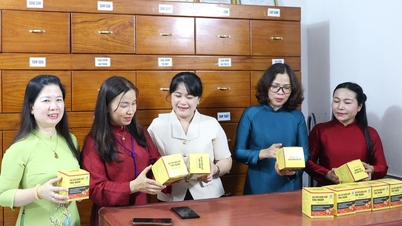
Delegates participating in the Workshop
One of the key topics of interest at the workshop was the proposal to build a "completely smoke-free generation of Vietnamese people," starting with those born after 2010. This is seen as a long-term approach to gradually reduce the rate of tobacco use in the future.
Experts believe that for policies to be effective, in addition to a strong legal framework, enhanced communication is needed to help young people correctly identify the true nature of new-generation tobacco products. Behind the eye-catching designs, appealing flavors, and "less harmful" advertising claims, there is still nicotine – a highly addictive substance that can draw young people into a long-term cycle of dependence.
At the workshop, representatives from the Tobacco Harm Prevention Fund also emphasized the role of the press in spreading the message of protecting the community from the harmful effects of tobacco, especially in the context of digital platforms becoming a new "front" for tobacco marketing activities.
Another noteworthy highlight is that the WHO recently awarded the World No Tobacco Day Award to four agencies and units under the Vietnamese Ministry of Health, recognizing their efforts in developing and promoting policies to protect the community from the harmful effects of tobacco.
The message from this year's conference goes beyond simply saying "no to tobacco," and serves as a warning about a new battle: the battle against nicotine products disguised in modern technology, infiltrating the lives of young people in increasingly sophisticated ways. To prevent the wave of nicotine addiction in the new generation, what is needed is not only strict regulations, but also the concerted efforts of families, schools, the media, and society as a whole.
Proposal to ban people born on or after January 1, 2010 from buying cigarettes.
The Ministry of Health has requested the Government to consider and decide whether to include the policy: "Prohibiting people born on or after January 1, 2010 from buying and using tobacco products" in the draft Law amending and supplementing a number of articles of the Law on Prevention and Control of Tobacco Harm at this time, or to plan for its inclusion at a time more appropriate to Vietnam's economic and social conditions.
Source: https://phunuvietnam.vn/thuoc-la-dien-tu-va-chiec-bay-thoi-thuong-nham-vao-gioi-tre-238260522124435622.htm
![[Image] Hanoi's urban life under the challenge of a "scorching hot" environment](https://vphoto.vietnam.vn/thumb/1200x675/vietnam/resource/IMAGE/2026/05/25/1779706979265_nang-nong-t5-2026-minh-duy-7-4636-jpg.webp)

























































































Comment (0)